
Soups & Stews
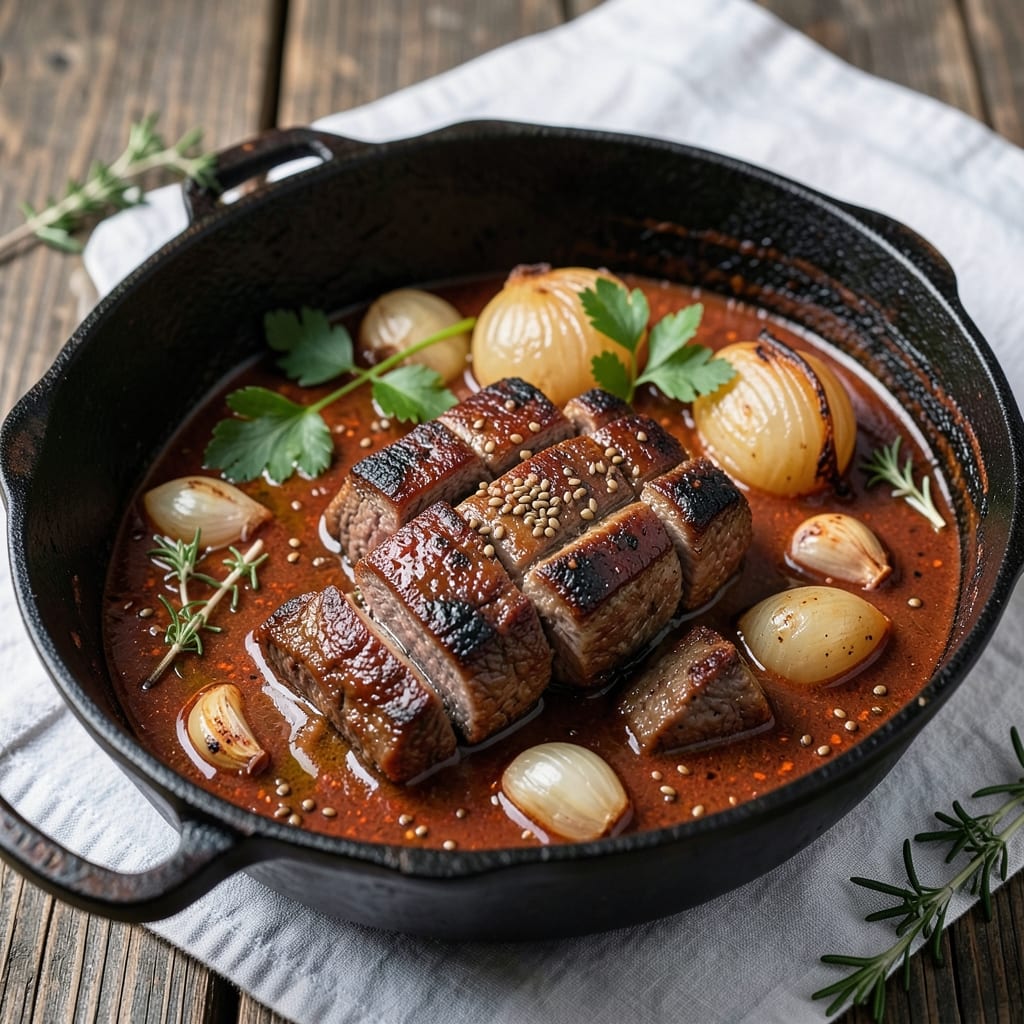
This Austrian beef goulash recipe delivers the deep, paprika-spiced richness that makes it a hearty centerpiece for cold weather. The secret lies in slow-browning beef and layering spices—smoked paprika, caraway, and marjoram—that create an aromatic stew with melt-in-your-mouth texture. I’ve perfected this version to balance traditional techniques with modern convenience, so you get restaurant-quality flavor without hours at the stove.
The beauty of goulash is its versatility—it’s equally at home as a comforting weeknight meal or a showstopper for gatherings. Start with a deep, flavorful brown on the beef, then let the spices bloom in the oil before adding the tomatoes and broth. This slow simmer (about 2 hours) transforms tough cuts into tender, saucy morsels that practically fall apart.
What you’ll end up with is a rich, paprika-kissed stew with a depth of flavor that comes from both the spices and the time spent simmering. The sauce thickens naturally, coating every bite in a velvety, savory blanket. Serve it with buttery bread dumplings or crusty bread to soak up every last drop of that aromatic broth.
This recipe honors Austrian-Hungarian tradition while adapting to home kitchens—whether you’re using a Dutch oven on the stovetop or a slow cooker for hands-off preparation. The result? A dish that feels both nostalgic and fresh, perfect for feeding a crowd or savoring a steaming bowl on a chilly evening.
Ingredients for austrian beef goulash
Sixteen ingredients, two hours of simmering—this goulash delivers restaurant-quality depth with minimal effort.
| Ingredient | Amount | Notes |
|---|---|---|
| Beef Chuck Roast 🥩 | 3 lb | Cut into 1.5-inch cubes, trimmed of fat |
| Yellow Onion 🧅 | 2 whole | Large, thinly sliced |
| Garlic Cloves 🧄 | 6 cloves | Minced, fresh preferred |
| Smoked Paprika 🌶️ | 2 tbsp | Hungarian or Spanish preferred |
| Sweet Paprika 🌶️ | 1 tbsp | For color and mild sweetness |
| Ground Caraway Seeds 🌿 | 1 tsp | Freshly ground for best flavor |
| Dried Marjoram 🌿 | 1 tsp | Or 1 tbsp fresh, finely chopped |
| Tomato Paste 🍅 | ½ cup | High-quality, no sugar added |
| Beef Broth 💧 | 4 cups | Homemade or low-sodium store-bought |
| Red Wine 🍷 | 1 cup | Dry, bold red like Cabernet |
| Bay Leaves 🍃 | 2 whole | Fresh or dried |
| Extra-Virgin Olive Oil 🫒 | 2 tbsp | For blooming spices |
| All-Purpose Flour 🌾 | 1 tbsp | For thickening sauce |
| Salt 🧂 | 1 ½ tsp | Kosher or sea salt, adjust to taste |
| Ground Black Pepper 🌶️ | ½ tsp | Freshly cracked |
| Fresh Parsley 🌿 | ¼ cup | Chopped, for garnish |
The beef is non-negotiable—chuck roast gives you that melt-in-your-mouth texture no other cut can match. Costco or local butcher shops usually carry it pre-cubed, which saves time, but if you're buying a whole roast, ask for it to be cut into 1.5-inch pieces. Look for good marbling; that's where the flavor hides. For the spices, Hungarian paprika brands like Szegedi or Spanish pimentón make all the difference—they've got that smoky depth store-bought blends can't replicate. Caraway seeds should be freshly ground if possible, but pre-ground works in a pinch.
No red wine? Substitute with extra beef broth plus a splash of balsamic vinegar—it adds that same tangy depth. Fresh marjoram is ideal, but dried works at one-third the amount. The tomato paste can be that squeeze tube from Trader Joe's—it's perfect for small batches and keeps forever. If you're using dried herbs, make sure they're labeled 'culinary' quality, not 'medicinal.' The flour is just for thickening at the end, so don't stress about the brand. For the broth, homemade is best, but Knudsen or Pacific Foods low-sodium options work well if you're short on time. And trust me on the olive oil—California extra-virgin adds a fruity note that cuts through the richness.
This stew tastes even better the next day as flavors meld. Store in an airtight container in the fridge for up to 5 days, or freeze portions for 3 months. I like to portion it into individual containers so I can grab a bowl straight from the freezer for lazy weeknights. The sauce thickens as it cools, so if it seems too thin when reheating, just stir in a splash of water or broth. The parsley garnish is optional but adds that fresh pop—save some for garnishing bread dumplings if you're making them.
Why You'll Love This Recipe
- One-Pot Magic: I swear by this recipe because it’s basically a dump-and-go situation. Slice that beef chuck into chunks, toss in onions and garlic, and let the paprika work its smoky-sweet spell—no fancy techniques required.
- Deep, Rustic Flavor: Between the smoky depth of the paprika and the way the beef tenderizes into melt-in-your-mouth bites, this isn’t just "good"—it’s the kind of dish that lingers. Honestly, the first bite makes you pause.
- Weeknight to Potluck: Make a double batch on Sunday, and you’ve got lunch for Tuesday, dinner for Thursday, and enough leftovers to bring to a picnic. (Yes, even on a Tuesday night.)
- Budget-Friendly Powerhouse: A chuck roast stretches for days, and the paprika adds complexity without costing a fortune. I’ll be real: this is how I feed my family well without breaking the bank.
Step-by-step instructions for Austrian beef goulash
Here's how to create a rich, paprika-spiced stew with deep flavor and tender beef.
Sear the Beef Chuck Roast
Heat the 2 tablespoons extra-virgin olive oil in a large Dutch oven over medium-high heat until shimmering. Working in batches, add the 3 lb beef chuck roast cut into 1.5-inch cubes and sear for 3-4 minutes per side until deeply browned. You want that Maillard reaction happening—those caramelized edges pack serious flavor.
Don't overcrowd the pan or the temperature will drop and you'll get steamed beef instead of seared. I like to leave the browned bits in the pot—they'll form the base of our goulash. Once all the beef is nicely browned, transfer it to a plate and set aside. Here's the thing—this searing step is non-negotiable for building that deep, smoky flavor foundation.
Develop the Paprika Spice Base
Reduce the heat to medium and add the 2 whole yellow onions sliced into strips. Cook for 5-6 minutes until softened and beginning to caramelize. Add the 6 cloves minced garlic and cook for 30 seconds until fragrant—this is where the aromatics build flavor.
Now comes the paprika magic. Add the 2 tablespoons smoked paprika and 1 tablespoon sweet paprika along with the 1 teaspoon ground caraway seeds and 1 teaspoon dried marjoram. Stir constantly for 1 minute to bloom the spices and release their essential oils. This step is crucial—don't rush it. The spices should be sizzling gently and filling your kitchen with that warm, earthy aroma.
Build the Rich Sauce Base
Pour in the 1 cup red wine and scrape up all those delicious browned bits from the bottom of the pot. Let it simmer for 3-4 minutes until reduced by about half. Add the 0.5 cup tomato paste and stir until fully incorporated. This creates a thick, flavorful paste that will form the heart of your goulash.
Sprinkle the 1 tablespoon all-purpose flour over the mixture and stir vigorously for 1 minute to cook off the raw flour taste. Pour in the 4 cups beef broth and add the 2 whole bay leaves. Return the beef to the pot, along with any accumulated juices, and bring everything to a gentle simmer. This is where the magic starts to come together—those spices are now infusing into the liquid, creating layers of complex flavor.
Slow Cook to Tender Perfection
Partially cover the Dutch oven and simmer gently for 2-2.5 hours until the beef is fork-tender. I know it seems like a long time, but patience pays off here. The beef should be so tender it practically falls apart at the touch of a fork. Stir occasionally to prevent the bottom from sticking—this is where that tomato paste comes into play, creating a protective barrier.
Real talk: your kitchen should smell absolutely incredible at this point. That deep, paprika-rich aroma is the hallmark of a good goulash. If the sauce starts to reduce too much, you can add a splash of water or broth to maintain the right consistency. The beef should be swimming in a rich, slightly thickened sauce with those beautiful paprika flecks throughout.
Finish and Serve with Fresh Herbs
Remove the 2 bay leaves and adjust the seasoning with the 1.5 teaspoons salt and 0.5 teaspoon ground black pepper. Taste and make any final adjustments—this is where you can really personalize your goulash. Some people like it saltier, others prefer more pepper or even a touch of sugar to balance the acidity.
Ladle the goulash into bowls and garnish with the 0.25 cup chopped fresh parsley. The parsley adds a bright, fresh contrast to the rich, spiced beef. Serve immediately with crusty bread or over egg noodles to soak up every last bit of that delicious sauce. This is a dish that tastes even better the next day as the flavors continue to meld, but it's hard to wait that long!
Pro Tips For Making Austrian Beef Goulash
- SEAR THE ROAST FIRST: Don’t skip the crust—pat the beef chuck dry, then hit it with high heat in a Dutch oven for 4-5 minutes per side until deep brown. I used to rush this, and the goulash never tasted as rich as when I let that maillard reaction do its magic. (Yes, even if you’re impatient like me.)
- CHAR THE ONIONS LOW: After searing the beef, push the onions to the side of the pan and cook them on low heat for 15-20 minutes until caramelized, not burned. I learned this the hard way—charred onions make the goulash taste bitter, and nobody wants that.
- USE BOTH PAPRIKAS SEPARATELY: Toast the sweet paprika in the fat first (1-2 minutes) to deepen its flavor, then add the smoked paprika after the beef is browned. Mixing them upfront dulls the smoky punch—trust me, your goulash will taste flatter if you skip this.
- BRAISE WITH LID AJAR: After adding the liquid, cover the pot but prop the lid slightly ajar with a spoon. This lets steam escape, preventing a soggy finish while still keeping the beef tender. (Your future self will thank you for not ending up with a watery mess.)
Pro cooking tips for perfect results
Searing Secrets
That initial sear is where all the magic begins—don't skip it! Use a heavy Dutch oven like Le Creuset or All-Clad to maintain even heat. Work in batches if needed to avoid crowding, and sear until the beef develops a deep mahogany crust. I like to use tongs instead of forks to avoid piercing the meat, which would release juices too early. 🔥
Pro tip: Let your beef sit at room temperature for 30 minutes before searing. This ensures even cooking and prevents cold spots in the center. If you're short on time, just take it out of the fridge 20 minutes before you start cooking.
Spice Blooming
The key to deep flavor is letting those spices bloom properly. When you add the smoked paprika, caraway, and marjoram, stir constantly for full 1 minute—this releases their essential oils and creates that warm, aromatic base. I like to use a wooden spoon for this step because it's gentle on the pot and helps distribute the spices evenly.
For extra depth, toast the caraway seeds in a dry pan for 30 seconds before grinding them. This enhances their nutty, earthy flavor. And if you're feeling fancy, add a pinch of ground coriander—it pairs beautifully with the paprika and adds another layer of complexity.
Wine Reduction
Don't pour that red wine in all at once! Let it simmer until reduced by half—this concentrates the flavors and creates a richer base. I use a bold Cabernet Sauvignon because its tannins complement the beef beautifully. If you don't have red wine, substitute with beef broth plus 1 tablespoon balsamic vinegar for that same tangy depth.
While the wine reduces, scrape up those browned bits (fond) from the bottom of the pot—they're packed with flavor. This is where the Maillard reaction really shines, creating a deep, savory foundation for your goulash. 💫
Sauce Thickening
The tomato paste is your secret weapon for thickening the sauce naturally. Stir it in until fully incorporated, then let it cook for 2-3 minutes to develop its flavor. For extra richness, I like to add a splash of heavy cream (about ¼ cup) at the very end—it balances the acidity and adds a velvety texture.
If your sauce is too thin, mix 1 tablespoon cornstarch with 2 tablespoons cold water and stir it in. Simmer for 1-2 minutes until thickened. But honestly, the sauce should thicken naturally as it cools, so don't rush it.
Slow Cooking
This is where patience pays off. Simmer the goulash on low heat (or in a 300°F oven) for 2-2.5 hours. The beef should be fork-tender and practically falling apart. If the sauce reduces too much, just add a splash of beef broth—you want that rich, saucy consistency.
For a hands-off approach, transfer everything to a slow cooker on low for 8 hours or high for 5 hours. The flavors will meld beautifully, and you'll come home to a pot of heaven. Just stir occasionally to prevent sticking.
Nutrition facts
Frequently asked questions
Can I use a different cut of beef for this goulash?
While chuck roast is ideal for its marbling and tenderness, you can substitute with stew beef or even brisket. Avoid lean cuts like sirloin—they won't become tender enough. If using brisket, cut it into 1-inch cubes and increase cooking time by 30 minutes to ensure full tenderness.
What's the best way to make this goulash in a slow cooker?
Transfer the seared beef, onions, garlic, and spices to your slow cooker. Add the red wine, tomato paste, flour, broth, and bay leaves. Cook on low for 8 hours or high for 5 hours. The long cook time ensures the beef becomes fork-tender while developing deep flavor. Stir occasionally to prevent sticking, and add a splash of broth if needed to maintain sauce consistency.
How do I know when the beef is fully cooked?
The beef should be fork-tender, meaning it should easily pull apart with minimal resistance. For chuck roast, this typically takes 2-2.5 hours of simmering. You can also check the internal temperature—it should reach 203°F for maximum tenderness. If you're unsure, let it cook a few more minutes—the longer it braises, the more flavorful it becomes.
Can I make this goulash ahead of time?
Goulash tastes even better the next day as flavors meld. Store in an airtight container in the fridge for up to 5 days or freeze portions for 3 months. Reheat gently on the stove over low heat or in the microwave, adding a splash of broth if the sauce thickens too much. The flavors deepen with time, making it perfect for meal prep.
What's the difference between Hungarian and Austrian goulash?
While both share paprika as a key ingredient, Austrian goulash often includes sour cream or crème fraîche in the sauce, while Hungarian goulash leans more on tomato-based broths and sometimes features peppers. This recipe blends both traditions—deep paprika flavors with a rich, tomato-infused sauce. For an Austrian twist, stir in ¼ cup sour cream at the end for creaminess.