
Snacks
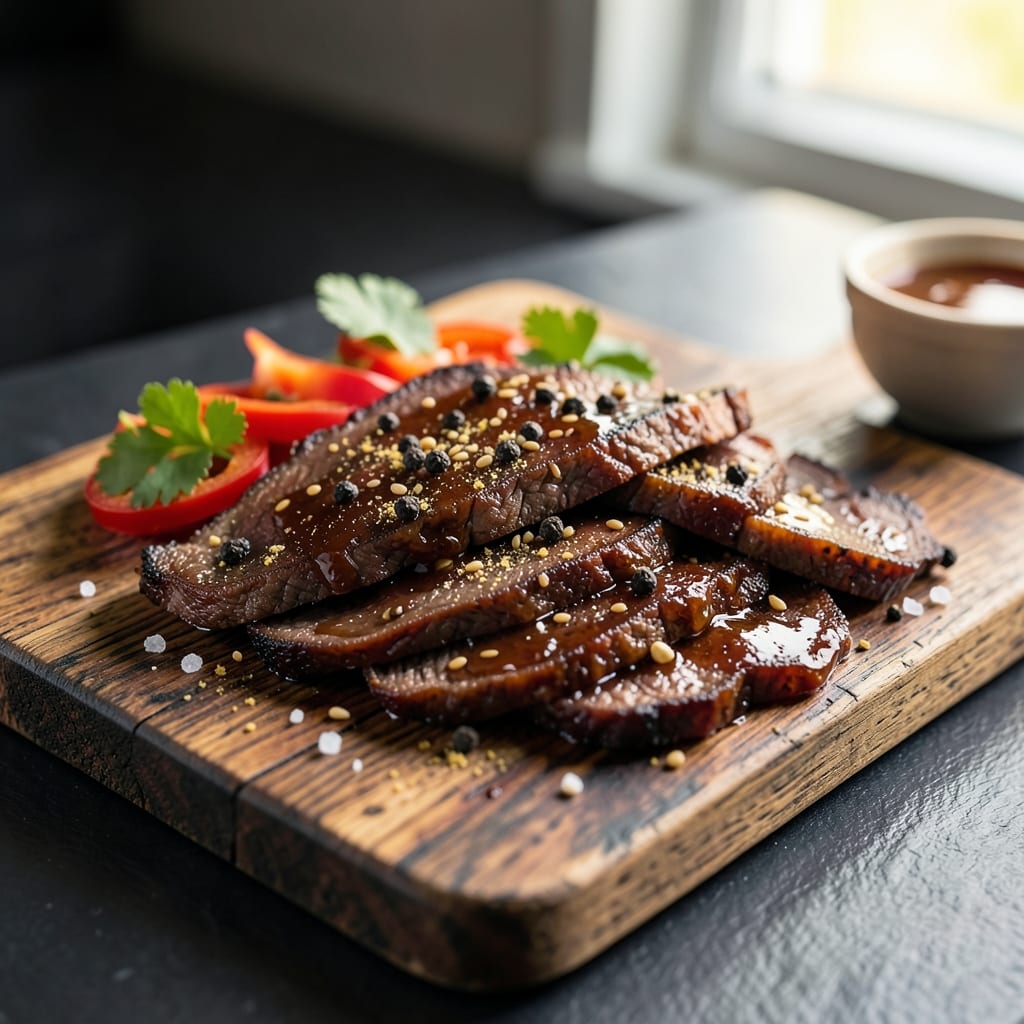
This all-natural beef jerky recipe transforms simple cuts of beef into chewy, protein-packed snacks using only wholesome ingredients and traditional drying methods. The key lies in selecting lean, high-quality beef (like top round or flank steak) and a balanced marinade that enhances natural flavors without artificial additives. Unlike store-bought versions, this method ensures no nitrates, nitrites, or preservatives—just pure, smoky-sweet satisfaction in every bite.
What sets this recipe apart is its versatility: you can customize flavors with teriyaki, peppered, or classic smoky profiles, all while maintaining the integrity of the meat. The process is straightforward—slice the beef thinly against the grain, marinate for a few hours, then dehydrate until perfectly chewy. Whether you use a dehydrator, oven, or even a smoker, the result is consistently tender, flavorful jerky that keeps for weeks when stored properly.
The beauty of homemade jerky lies in its simplicity and health benefits. With no artificial ingredients, it’s a great protein-packed snack for hiking, travel, or just satisfying cravings. The marinade infuses the beef deeply, ensuring every chew delivers bold flavor. Plus, you control the ingredients—no mystery additives, just real meat and natural seasonings.
Ready in just 4 hours, this recipe delivers restaurant-quality jerky without the wait. The drying process concentrates the flavors, creating a snack that’s both satisfying and nutritious. Whether you’re a jerky novice or a seasoned pro, this method guarantees results you’ll want to make again and again.
Ingredients for all natural beef jerky
Lean beef, natural seasonings, and traditional curing create restaurant-quality jerky without additives.
| Ingredient | Amount | Notes |
|---|---|---|
| Top Round Beef Steak 🥩 | 1 ½ lb | Lean cut, sliced against grain |
| Liquid Smoke 💨 | 1 tbsp | Pure, additive-free preferred |
| Brown Sugar 🍚 | ½ cup | Light or dark variety |
| Kosher Salt 🧂 | 1 tbsp | Diamond Crystal preferred |
| Black Peppercorns 🌶️ | 1 tbsp | Freshly cracked preferred |
| Garlic Powder 🧄 | 1 tbsp | Non-GMO preferred |
| Onion Powder 🧅 | 1 tbsp | Freshly ground preferred |
| Apple Cider Vinegar 🍎 | ¼ cup | Organic preferred |
| Worcestershire Sauce 🍶 | 2 tbsp | Anchovy-free version |
| Extra-Virgin Olive Oil 🫒 | 1 tbsp | Cold-pressed preferred |
| Ground Cayenne Pepper 🌶️ | ½ tsp | Adjust for heat preference |
| Honey 🍯 | 2 tbsp | Raw preferred |
The beef is non-negotiable here—top round or flank steak delivers that perfect lean-to-fat ratio for chewy texture. Look for cuts with good marbling but minimal fat. Local butchers often have higher-quality options than grocery stores, and they'll slice it thinly against the grain for you. If you're buying pre-sliced, check for uniform thickness (about 1/4-inch). The liquid smoke should be pure, not the flavored kind—Smoky Mountain brand is a reliable choice. For the vinegar, organic apple cider adds subtle depth that generic white vinegar can't match.
No Worcestershire sauce? Coconut aminos or soy sauce work in a pinch, though the flavor will differ slightly. Substituting honey? Maple syrup or agave keeps it vegan-friendly, though the texture may vary. The brown sugar can be swapped for coconut sugar or white sugar, though light brown adds subtle molasses notes. For heat, red pepper flakes at half the amount of cayenne works well. If you're avoiding honey entirely, reduce the sweetness by half and add a splash of lemon juice for brightness. The olive oil is crucial for tenderizing—don't skip it.
Marinated beef should be refrigerated for at least 4 hours, ideally overnight. The longer it marinates, the deeper the flavor infusion. For dehydrating, 165°F for 4-6 hours is ideal—check your jerky's flexibility to gauge doneness. Store in an airtight container with parchment paper between layers to prevent sticking. Keeps for 2-3 weeks at room temperature or 3 months in the freezer. Vacuum sealing extends freshness to 6 months.
Why You'll Love This Recipe
- Five-Ingredient Magic: I swear by this—just beef, smoke, sugar, salt, and pepper. That’s it. No fancy marinades or hours of prep. Slice the steak thin, toss it in a bowl, and you’re done. Honestly, the hardest part is waiting for it to dry.
- Smoky-Sweet Obsession: Between us, the liquid smoke and brown sugar combo is chef’s kiss. It’s got that deep, campfire taste without needing a grill, and the sugar caramelizes just enough to make every bite irresistible. My kids fight over the last piece.
- Snack Attack Ready: This jerky keeps for weeks in the fridge or freezer, so it’s always there when hunger strikes. Throw it in lunchboxes, pack it for road trips, or keep it on hand for movie nights. No reheating, no fuss—just pure protein.
- Budget-Friendly Protein: Top round steak is affordable, and a single cut stretches into enough jerky to feed a family for days. I’ve made 20 servings for under $15—way cheaper than store-bought, and way better. Plus, no preservatives or weird additives. Just real food.
Step-by-step instructions for all-natural beef jerky
Follow this precise method to create restaurant-quality jerky with perfect texture and bold flavor.
Prep and Slice the Beef Against the Grain
Remove the 1.5 lb Top Round Beef Steak from packaging and pat it completely dry with paper towels. This lean cut is ideal for jerky because it slices thinly and absorbs marinade well. Place the beef on a cutting board and locate the grain direction—you'll see the natural muscle fibers running parallel.
Using a very sharp boning knife, slice the beef into strips measuring ¼-inch thick and ½-inch wide, cutting against the grain. This ensures the jerky remains tender despite the dehydration process. Arrange the slices in a single layer on a clean baking sheet and refrigerate while you prepare the marinade. The cold temperature helps prevent the meat from drying out prematurely.
Create the Smoky-Sweet Marinade
In a medium bowl, whisk together the 0.5 cup Brown Sugar, 1 tbsp Kosher Salt, 1 tbsp Black Peppercorns (freshly cracked), 1 tbsp Garlic Powder, 1 tbsp Onion Powder, 0.25 cup Apple Cider Vinegar, 2 tbsp Worcestershire Sauce, 1 tbsp Extra-Virgin Olive Oil, 0.5 tsp Ground Cayenne Pepper, and 2 tbsp Honey. The vinegar helps tenderize the meat while the honey and brown sugar create that signature sweet-savory balance.
Stir until completely dissolved—you should see a thick, syrupy marinade. The mixture should coat the back of a spoon. Here's the thing—don't rush this step. Properly emulsifying the ingredients ensures even flavor distribution throughout the beef. Taste the marinade and adjust seasoning if needed, especially the cayenne if you prefer more heat.
Marinate the Beef for Maximum Flavor
Transfer the beef strips to a large resealable plastic bag and pour the marinade over them. Seal the bag and massage the marinade into the meat for 2-3 minutes to ensure complete coating. Remove as much air as possible before sealing completely. Place the bag in the refrigerator and marinate for 4-6 hours, turning the bag occasionally to distribute the marinade evenly.
This extended marinating time allows the meat to absorb the full depth of flavor while the acid in the vinegar begins breaking down proteins for perfect texture. Don't skip this step—rushing the marinade leads to bland, dry jerky. The longer it marinates within reason, the more tender and flavorful your final product will be.
Pre-Cook and Dehydrate for Perfect Texture
Preheat your oven to 200°F and line a baking sheet with parchment paper. Arrange the marinated beef strips in a single layer on the prepared sheet, ensuring they don't overlap. Bake for 30 minutes, flipping halfway through, until the meat reaches an internal temperature of 160°F. This pre-cooking step ensures food safety while preventing the jerky from becoming too tough during dehydration.
Transfer the pre-cooked strips to your dehydrator trays, spacing them ¼-inch apart to allow proper airflow. Set the dehydrator to 160°F and dehydrate for 6-8 hours, or until the jerky is completely dry and leathery to the touch. The edges should curl slightly and the center should snap when bent. This typically takes about 4 hours in most dehydrators, but check after 3 hours—your machine's efficiency varies.
Cool and Store for Maximum Shelf Life
Remove the jerky from the dehydrator and let it cool completely on a wire rack. This cooling process helps set the texture and prevents condensation from forming in your storage container. Once completely cool, transfer the jerky to an airtight container or resealable bag. For best results, store in the refrigerator where it will keep for up to 2 weeks or in the freezer for up to 6 months.
The jerky should have a deep mahogany color with a glossy sheen from the marinade. Each piece should be flexible but firm to the touch, with no moisture visible. When you're ready to enjoy, simply tear into a piece—you'll notice the perfect balance of smoky, sweet, and savory flavors with a satisfying chewy texture that's neither too tough nor too soft.
Pro Tips For Making All Natural Beef Jerky
- Freeze the Steak First: I learned this the hard way—skipping the freeze makes slicing top round into even strips a nightmare. Pop it in the freezer for 30 minutes before slicing; it’ll stay firm and cut cleanly, saving you from jagged edges that cook unevenly.
- Mix Liquid Smoke Last: After burning three batches with a bitter aftertaste, I finally figured out the order matters. Add liquid smoke after the brown sugar and salt, right before applying it to the meat. This keeps the smoky flavor bright instead of letting it cook off or mingle too early.
- Skip the Crowding in the Dehydrator: This isn’t the prettiest method, but it’s the tastiest. Leave space between strips—even if it looks sparse. Overlapping traps moisture, turning your jerky into chewy leather. I now use a single layer with ¼-inch gaps, and the result is crispy perfection.
- Crush Peppercorns Coarse: My grandmother swore by this, and she was right: whole peppercorns just sit there like decorative rocks. Lightly crush them in a mortar or zip-top bag with a rolling pin—just enough to release flavor without turning it into powder. The texture stays intact, and every bite gets that peppery punch.
Make-ahead tips for this recipe
Batch Prep Strategy
Double the marinade recipe and prepare 3 lbs of beef at once for efficiency. Use two dehydrator trays or alternate oven racks to maximize space. I store prepped, marinated beef in a quart-sized airtight container in the fridge for up to 3 days before dehydrating—this works perfectly for weekend projects. 💡
Dehydrator Efficiency
Clean your dehydrator trays thoroughly before each use to prevent flavor transfer between batches. Place strips ¼-inch apart for optimal airflow, and rotate trays halfway through drying. I use parchment paper under the strips to catch drips and make cleanup effortless. For large batches, run the dehydrator at 155°F for the first 2 hours to prevent warping.
Oven Drying Hack
If you don't have a dehydrator, use your oven on low heat (170°F) with the door slightly propped open. Place a wire rack on top of a baking sheet to allow airflow. Bake for 3-4 hours, checking every 30 minutes to prevent over-browning. I prop the door open with a wooden spoon to mimic dehydrator conditions. ⏰
Storage Organization
Store finished jerky in vacuum-sealed bags or mason jars with parchment paper between layers to prevent sticking. Label each container with the flavor and date—this helps track freshness. I keep a separate jar for spicy varieties and another for classic flavors. Jerky stays fresh for 3 months at room temperature or 6 months in the freezer.
Freezer Prep Tips
Portion jerky into single-serving bags before freezing for easy grab-and-go snacks. Use quart-sized freezer bags for larger portions, removing as much air as possible. I add a small piece of parchment paper between layers in the bag to prevent clumping. Thaw overnight in the fridge for best texture—microwaving jerky makes it rubbery. 🥶
Flavor Layering
For extra depth, marinate beef in two stages: first with a dry rub of salt and spices for 2 hours, then in the wet marinade for 4-6 hours. This creates a more complex flavor profile. I also add 1 tsp liquid smoke to the marinade for an extra smoky kick. For teriyaki jerky, marinate for 8 hours to let the soy sauce and honey penetrate deeply.
Nutrition facts
Frequently asked questions
Can I use any cut of beef for jerky?
No, not all cuts work equally well. For the best results, stick to lean but flavorful cuts like top round, flank steak, or sirloin. These have the right fat-to-lean ratio that becomes tender when sliced against the grain. Avoid fatty cuts like ribeye—they'll make your jerky greasy rather than chewy.
How do I know when the jerky is fully dehydrated?
Your jerky is done when it's completely dry, leathery to the touch, and snaps when bent—not brittle. The edges should curl slightly, and there should be no moisture visible. For safety, the internal temperature should reach 160°F during pre-cooking. Most dehydrators take 4-6 hours at 160°F, but check after 3 hours—over-drying makes jerky tough.
What's the best way to store homemade jerky?
Store in an airtight container or vacuum-sealed bag with parchment paper between layers to prevent sticking. It keeps for 2-3 weeks at room temperature or 3 months in the freezer. For longer storage, vacuum sealing extends freshness to 6 months. Keep it away from moisture and direct sunlight to maintain texture.
Can I make jerky without a dehydrator?
Use your oven at 170°F with the door slightly propped open for airflow. Place strips on a wire rack over a baking sheet and bake for 3-4 hours, checking every 30 minutes. A smoker works too—maintain 165°F for 4-6 hours with indirect heat. The key is low, consistent heat to prevent over-browning.
Why did my jerky turn out too tough?
Over-drying or slicing with the grain are the most common causes. Always slice against the grain for tenderness and remove jerky when it's slightly flexible. If using lean cuts, a 10-minute soak in warm water before marinating can help. For extra tenderness, add 1 tbsp lemon juice to the marinade—it breaks down proteins more effectively than vinegar alone.