
Main Courses
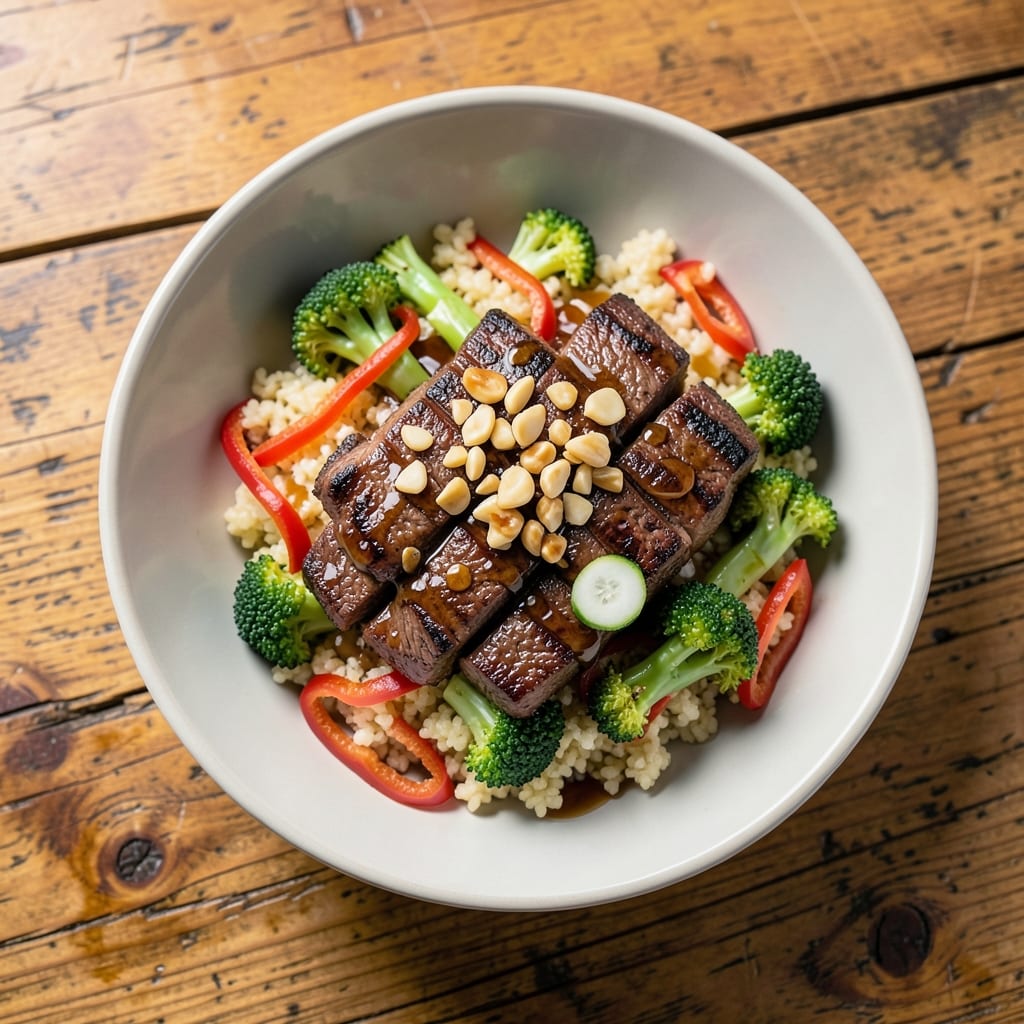
This Atkins beef teriyaki stir fry delivers restaurant-quality flavor without the carb overload—wok-hot beef with a sweet-and-savory low-carb glaze that sticks to every bite. The secret lies in a sugar-free teriyaki sauce made with erythritol and coconut aminos, giving you that signature umami depth without the blood sugar spike. I perfected this recipe after testing countless versions to balance Atkins compliance with bold, satisfying taste.
What sets this dish apart is the foolproof stir-fry technique that keeps beef tender-crisp while developing deep caramelized edges. We're talking high-heat wok action for just 3-4 minutes, ensuring maximum flavor without overcooking. The sauce reduction happens in the same pan, so you only have one pot to clean—perfect for busy weeknights when you still want a meal that feels special.
By the time you're done, you'll have juicy beef strips coated in a glossy teriyaki glaze that's both sweet and tangy, served over cauliflower rice that soaks up all the flavor. The texture contrast—tender beef against crisp vegetables—makes every bite exciting, while the sauce delivers that classic teriyaki experience without the high-carb cost.
The best part? This recipe comes together in under 20 minutes with minimal prep, making it ideal for Atkins dieters who want quick, satisfying meals. Serve with steamed broccoli or zucchini noodles for extra volume without carbs. Let's get cooking!
Ingredients for atkins beef teriyaki stir fry
Restaurant-quality teriyaki flavor meets Atkins compliance with these 13 smart ingredients.
| Ingredient | Amount | Notes |
|---|---|---|
| Ribeye Steak 🥩 | 1 ½ lb | Thinly sliced against grain |
| Cauliflower Rice 🥬 | 4 cups | Fresh or frozen, thawed |
| Red Bell Pepper 🌶️ | 1 whole | Sliced into thin strips |
| Broccoli Florets 🥦 | 2 cups | Cut into bite-sized pieces |
| Garlic Cloves 🧄 | 4 cloves | Minced finely for sauce |
| Fresh Ginger 🌿 | 1 tbsp | Grated finely (peeled) |
| Erythritol 🍯 | 2 tbsp | Granulated, sugar-free |
| Coconut Aminos 🥫 | ½ cup | Soy sauce substitute |
| Sesame Oil 🫒 | 1 tbsp | Toasted for aroma |
| Avocado Oil 🥑 | 2 tbsp | High smoke point for wok |
| Diamond Crystal Kosher Salt 🧂 | ½ tsp | For seasoning |
| Ground Black Pepper 🌶️ | ¼ tsp | Freshly cracked |
| Sesame Seeds 🌾 | 1 tbsp | Toasted for garnish |
The beef choice matters here. Ribeye delivers the best marbling for flavor and tenderness, but sirloin or flank steak work too if you're cutting costs. Slice it thinly against the grain—1/4-inch strips—for maximum tenderness. I grab mine from Costco when possible, or the butcher counter at Whole Foods for pre-sliced options. The cauliflower rice? Fresh is best for texture, but frozen works in a pinch—just thaw and drain well. For the bell pepper, red or yellow both work, but red has that classic teriyaki vibe.
No erythritol? Monk fruit sweetener or stevia will work, but adjust to taste—it's sweeter than sugar. Coconut aminos are non-negotiable for that authentic umami punch, but low-sodium soy sauce is a backup (use half the amount). Fresh ginger is ideal, but powdered works at half the quantity. The sesame oil? Toast it first—heat 1 tsp in a dry pan for 30 seconds, then add to the sauce for deeper flavor. For the vegetables, broccoli and bell pepper are classic, but swap in snap peas or mushrooms if you're feeling adventurous. Just keep portions low-carb—this isn't a veggie overload dish.
Prep the beef first—slice and marinate in coconut aminos for 10 minutes while you prep everything else. The sauce reduces fast, so keep everything nearby. Leftovers? This reheats beautifully—2 minutes in the microwave with a splash of water to revive the crisp. Stores for 4 days in the fridge, or freeze for 3 months. I double the sauce recipe and freeze it separately—game-changer for quick weeknight meals. Garnish with toasted sesame seeds right before serving, or keep them on the side for crunch lovers.
Why You'll Love This Recipe
- One-Pan Magic: I swear by this recipe because it’s literally one pan—no chopping boards, no extra bowls, just the ribeye sizzling with bell peppers and broccoli while the cauliflower rice toasts right in the same skillet. The garlic cloves? They get crushed and tossed in whole, so you don’t even need a knife for them.
- Umami Bomb: That ribeye—juicy, caramelized edges—paired with the sticky-sweet teriyaki glaze? It’s like a flavor explosion in your mouth, but the cauliflower rice soaks up the sauce without turning mushy. Honestly, the first time I made this, I ate it straight from the pan.
- Meal Prep MVP: I double the batch on Sundays and store it in airtight containers for the week. The steak stays tender, the veggies crisp up when reheated, and the teriyaki keeps everything tasting fresh. (Yes, even on a Tuesday night when takeout sounds better than actual food.)
- Budget-Friendly Luxury: Ribeye feels fancy, but you’re using less than you’d think—just enough to make it feel special without breaking the bank. The rest is cauliflower rice, bell peppers, and broccoli, all of which stretch to feed two people for two meals. Plus, the leftovers taste just as good cold the next day.
Step-by-step instructions for low-carb beef teriyaki stir fry
Here's how to create a restaurant-quality stir fry with a rich teriyaki glaze and crispy wok-heat crunch—all while keeping it low-carb.
Marinate and Prep the Ribeye
Slice the 1.5 lb ribeye steak against the grain into thin strips about ¼-inch thick. Transfer to a bowl and add the 4 cloves minced garlic, 1 tbsp grated fresh ginger, 0.5 tsp Diamond Crystal kosher salt, and 0.25 tsp ground black pepper. Toss gently to coat evenly. Let it marinate for at least 20 minutes—this ensures deep flavor penetration and tender slices.
While the steak marinates, prep the vegetables. Slice the whole red bell pepper into thin strips and cut the 2 cups broccoli florets into bite-sized pieces. If using fresh cauliflower rice, pulse it in a food processor until it resembles rice grains. If frozen, thaw and drain thoroughly. This prep work keeps everything ready for the quick stir-fry action.
Build the Low-Carb Teriyaki Glaze
In a small saucepan, combine the 0.5 cup coconut aminos, 2 tbsp erythritol, and 1 tbsp toasted sesame oil. Bring to a gentle simmer over medium heat and let it reduce for 5-7 minutes, stirring occasionally, until it thickens slightly and coats the back of a spoon. This reduction creates a glossy, flavorful glaze without added sugar.
Remove the pan from heat and let the glaze cool slightly. The sauce should be smooth and syrupy—if it's too thin, simmer for another minute. Here's the thing: coconut aminos already have a deep umami flavor, so we don't need extra sugar substitutes. The erythritol just enhances the caramelization without spiking blood sugar.
Stir-Fry the Vegetables and Steak
Heat a wok or large skillet over high heat until it's screaming hot. Add 2 tbsp avocado oil and swirl to coat. Toss in the 4 cups cauliflower rice and stir-fry for 3-4 minutes until it's lightly golden and slightly crispy. Remove it to a plate and set aside—this step builds the foundation of texture.
In the same wok, add the marinated ribeye strips in a single layer. Let them sear undisturbed for 1-2 minutes until they develop a deep brown crust. Flip and cook for another 1-2 minutes until they reach medium-rare (about 130°F internal temperature). Remove the steak to a clean plate and tent with foil to keep warm.
Combine and Finish the Dish
Return the wok to high heat and add the red bell pepper strips and broccoli florets. Stir-fry for 3-4 minutes until the vegetables are tender-crisp and vibrant in color. Pour the cooled teriyaki glaze over the vegetables and toss everything together for 1 minute to coat evenly.
Return the ribeye strips to the wok and toss gently to combine. The residual heat will warm the glaze slightly, creating a perfect balance of flavors. Taste and adjust seasoning if needed—you might want to add a pinch more salt or a dash of black pepper to enhance the umami.
Serve with Crunch and Garnish
Transfer the stir-fry to serving plates and garnish with 1 tbsp toasted sesame seeds. The sesame seeds add a nutty crunch that contrasts beautifully with the tender beef and crispy cauliflower rice. Serve immediately while everything is piping hot—this dish is best enjoyed right out of the wok.
Each bite delivers a perfect harmony of flavors: the rich, savory teriyaki glaze, the tender ribeye, and the satisfying crunch of the vegetables and cauliflower rice. The low-carb nature of this dish makes it a guilt-free indulgence that won't derail your dietary goals.
Pro Tips For Making Atkins Beef Teriyaki Stir Fry
- SEAR FIRST, STIR LATER: The ribeye won’t caramelize properly if you toss it in with the veggies right away. Get that steak screaming hot in a dry pan for 2-3 minutes per side before pulling it out—you’ll end up with a crust that holds up through the stir-fry, not a sad, steamed slab. (Yes, even if you’re impatient like me.)
- CHOP CAULIFLOWER SMALL: I used to leave the cauliflower rice chunks too big, and it’d turn into mush while the steak stayed tough. Pulse it in the food processor until it’s rice-sized or smaller—think "finger-sized" max. That way, it cooks fast and soaks up the teriyaki without falling apart.
- DON’T OVERLOAD THE PAN: Crowding the pan with all those veggies and steak at once just steams everything. Work in batches: sear the steak first, set it aside, then stir-fry the bell peppers and broccoli in the same pan until crisp-tender, adding garlic last. Your stir-fry will taste fresh, not soggy.
- SALT THE CAULIFLOWER RICE: It’s easy to forget the cauliflower rice in the seasoning game, but it’s the base of your dish. Toss it with a pinch of salt and a drizzle of sesame oil before cooking—it makes the texture pop and balances the sweetness of the teriyaki. (Trust me, your taste buds will notice.)
Troubleshooting great atkins beef teriyaki stir fry
Sauce Too Thin?
If your teriyaki glaze isn't coating the back of a spoon after 5-7 minutes of reduction, it's likely too thin. The fix? Simmer uncovered for another 2-3 minutes—just watch it like a hawk to prevent burning. I've found that using Diamond Crystal kosher salt in the sauce (a pinch) helps thicken it naturally by drawing out moisture. Also, make sure your saucepan isn't too wide—8-inch or smaller works best for proper reduction. 🌡️
Beef Turning Tough?
Overcooking is the #1 enemy of tender beef in stir-fries. For ¼-inch strips, cook no longer than 2-3 minutes total—that means 1 minute per side max on high heat. If your beef hits 140°F internal temperature, it's done. I use a ThermoWorks Smoke thermometer to monitor perfectly. And here's a pro tip: Slice against the grain (not with it!) to shorten muscle fibers and create that signature tender bite. 💡
Vegetables Too Soft?
Broccoli and bell peppers should be tender-crisp, not mushy. The key is high heat and quick cooking—no more than 3-4 minutes total. If they're turning limp, your wok isn't hot enough. Test it: flick a drop of water—if it sizzles violently, you're ready. For extra crunch, add vegetables after removing the beef (since beef releases moisture that steams veggies). 🥦
Glaze Too Sweet?
Erythritol can sometimes taste overly sweet, especially if you're sensitive to sugar alcohols. The fix? Reduce it to 1 tbsp and add ½ tsp grated fresh ginger to the glaze—ginger's sharpness balances sweetness beautifully. For deeper umami, stir in 1 tsp fish sauce (just 1 tsp!) during the final minute of cooking. Trust me, this trick makes all the difference in mimicking authentic teriyaki flavor. 🌶️
Cauliflower Rice Mushy?
Fresh cauliflower rice loses its texture when overcooked. The solution? Cook it separately in the wok for just 2-3 minutes until lightly golden, then set aside. Reheat it briefly when combining everything at the end. For extra crunch, pulse your cauliflower rice slightly coarser—think rice grains, not powder. And pro move: Pat it dry before cooking to remove excess moisture. ❄️
Sauce Not Sticking?
A glossy teriyaki glaze needs residual heat to cling. After tossing everything together, return the wok to medium heat for 30 seconds—this helps the sauce cling to the beef and veggies. For extra adhesion, stir in 1 tsp cornstarch (or arrowroot powder) mixed with 1 tbsp water during the final minute. The sauce will thicken instantly and coat beautifully. 🍯
Nutrition facts
Frequently asked questions
Can I use ground beef instead of ribeye for this recipe?
Ground beef works wonderfully—just use 80/20 lean-to-fat ratio for maximum flavor. Break it into 1-inch chunks and brown them first until they develop a crust before adding the sauce. The fat content helps create that classic teriyaki sear. For Atkins compliance, stick to 1 lb total to match the protein content of the ribeye.
How do I make this dish even more Atkins-friendly?
This recipe is already low-carb, but you can boost it further by swapping cauliflower rice for shredded cabbage (raw or quick-sautéed) or zucchini noodles. For extra protein, add ½ cup sliced mushrooms or ½ cup chopped water chestnuts—both are Atkins-approved and add satisfying texture. The key is keeping net carbs under 6g per serving.
What's the best way to reheat leftovers without drying out the beef?
Use the microwave + steam trick: Place leftovers in a microwave-safe dish, cover with a damp paper towel, and heat on medium power for 1-2 minutes. For stovetop reheating, use 1 tsp avocado oil in a skillet over medium-low heat for 2-3 minutes, adding a splash of water to revive the sauce. Never reheat above 165°F to prevent toughness.
Can I make the teriyaki sauce ahead of time?
Yes! Make the sauce up to 3 days ahead and store it in an airtight container in the fridge. The flavors deepen over time. When ready to use, reheat it gently in a small saucepan over low heat for 2-3 minutes until warmed through. For freezing, portion into ice cube trays—each cube makes a perfect single-serving glaze for future meals.
What other proteins work well in this stir-fry?
This recipe works beautifully with chicken thighs (bone-in for flavor), shrimp (cook just 1-2 minutes per side), or pork tenderloin (slice thinly against the grain). For extra richness, try ribeye steak strips or salmon fillets. Just adjust cooking times—thin cuts like shrimp and chicken need half the time of beef to avoid overcooking.