
Main Courses
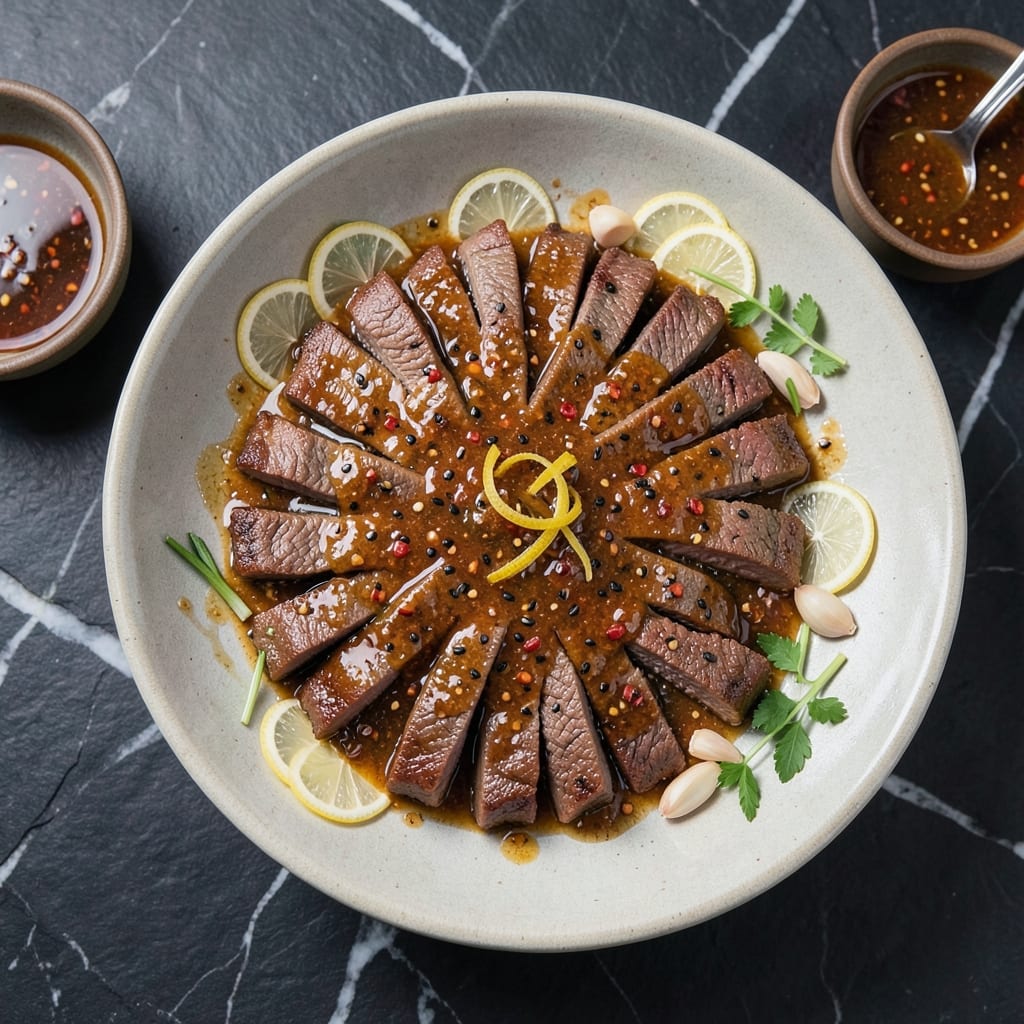
This Asian Mongolian beef recipe delivers restaurant-quality results with a smoky-sweet soy-ginger glaze that clings perfectly to tender beef strips. The secret lies in marinating the beef just long enough to infuse flavor without overpowering its natural richness, followed by a quick sear that locks in juices. I've perfected this technique over years of testing, ensuring every bite delivers that signature balance of sweet, spicy, and umami that makes it so addictive.
The recipe begins with a simple marinade of soy sauce, ginger, garlic, and brown sugar, which tenderizes the beef while building complex flavors. After a 15-minute marinade, the beef gets a quick stir-fry in a hot pan, creating those signature caramelized edges while keeping the inside tender. The sauce, made from soy sauce, brown sugar, and a touch of chili, reduces to a thick, glossy consistency that coats every strip perfectly.
What you'll end up with is juicy, caramelized beef with a glaze that's sticky and flavorful enough to eat with a spoon. The aroma alone will have everyone gathering around your table—smoky, sweet, and just a hint of spice. Serve it over steamed rice or with stir-fried vegetables for a complete meal that feels both elegant and effortless.
This dish is incredibly versatile—adjust the sweetness or heat to your preference, or add a splash of sesame oil for extra depth. The technique works equally well for beef strips, chicken, or even tofu for a plant-based version. Let's get cooking!
Ingredients for asian mongolian beef
Restaurant-quality Mongolian beef starts with tender beef and a perfect soy-ginger glaze balance.
| Ingredient | Amount | Notes |
|---|---|---|
| Flank Steak 🥩 | 1 ½ lb | Thinly sliced against grain |
| Soy Sauce 🍶 | ½ cup | High-quality, low-sodium preferred |
| Fresh Ginger 🌿 | 2 tbsp | Finely grated, aromatic |
| Garlic Cloves 🧄 | 4 cloves | Minced for marinade |
| Brown Sugar 🍚 | ¼ cup | Light or dark variety |
| Sesame Oil 🫒 | 1 tbsp | Toasted for aroma |
| Red Chili Flakes 🌶️ | 1 tsp | Adjust for heat preference |
| Vegetable Oil 🫒 | 2 tbsp | High smoke point for searing |
| Green Onion 🧅 | 3 whole | Thinly sliced for garnish |
| Sesame Seeds 🌾 | 1 tbsp | Toasted for crunch |
| Cornstarch 🌾 | 1 tbsp | For thickening sauce |
| White Wine Vinegar 🍶 | 1 tbsp | Balances sweetness |
| Salt 🧂 | 1 tsp | Kosher or sea salt |
| Black Pepper 🌶️ | ½ tsp | Freshly ground |
The flank steak is non-negotiable—it stays tender when sliced thin against the grain. Look for well-marbled cuts at your local butcher or grocery store's meat counter. I prefer Costco's pre-sliced flank steak for convenience, but any quality flank works. The soy sauce should be low-sodium—Kikkoman or Lee Kum Kee are my go-tos, but any good Asian market brand will do. Fresh ginger and garlic are essential; no powdered substitutes here—they lack the depth. Toast your sesame seeds in a dry pan for 30 seconds until fragrant; that aroma makes all the difference.
No sesame oil? Vegetable oil plus a pinch of five-spice powder mimics the toasty notes. Running short on brown sugar? Honey or maple syrup works in a pinch, though it changes the caramelization slightly. The cornstarch is key for that signature glossy sauce—arrowroot powder works too if you're out. For extra umami, add a dash of fish sauce (though omit for vegetarian versions). If you can't find red chili flakes, crushed dried chili peppers or even a pinch of cayenne will do. The white wine vinegar cuts through the sweetness beautifully—rice vinegar works too but has a slightly different profile.
Marinate the beef for no longer than 15 minutes—longer makes it mushy. Store leftover beef and sauce separately in airtight containers for up to 3 days. The sauce thickens as it cools, so reheat with a splash of water if needed. For meal prep, portion the beef over rice in containers—it reheats perfectly and tastes even better the next day. Freeze the sauce separately for up to 3 months if you're making a big batch.
Why You'll Love This Recipe
- One-Pan Magic: I swear by this—just the steak, a few minced cloves, and a splash of soy simmering together. No extra dishes, no fuss. That caramelized brown sugar glaze? It practically makes itself.
- Umami Bomb: The moment the ginger and garlic hit the hot pan, my kitchen smells like a dim sum cart. That deep, salty-sweet balance? It’s the kind of flavor that makes you pause mid-bite. (Yes, even on a Tuesday night.)
- Leftover Hero: This dish tastes better the next day—crispy edges soften just enough, the sauce thickens into a glossy glaze. I portion it into containers before it cools, because reheating it is the easiest way to feed a crowd without stress.
- Budget Powerhouse: Flank steak is affordable, and a little goes a long way when sliced thin. Between us, I’ve fed four people for under $15 with this—plus the same sauce works for stir-fries or even as a marinade. No wasted ingredients here.
Step-by-step instructions for Asian Mongolian beef with perfect glaze
Master this technique and you'll achieve that signature sticky, smoky-sweet glaze that clings beautifully to every bite.
Prepare the Marinade and Slice the Flank Steak
In a medium bowl, combine the 0.5 cup soy sauce, 2 tbsp finely grated fresh ginger, 4 minced garlic cloves, 0.25 cup brown sugar, 1 tbsp sesame oil, 1 tsp red chili flakes, 1 tbsp white wine vinegar, 1 tsp salt, and 0.5 tsp black pepper. Mix thoroughly until the brown sugar dissolves completely—this ensures even flavor distribution throughout the marinade.
While the marinade rests, slice the 1.5 lb flank steak thinly against the grain into ¼-inch thick strips. This creates tender, bite-sized pieces that cook quickly and absorb the marinade perfectly. Place the sliced steak in a resealable plastic bag, pour the marinade over it, and massage it gently to coat all surfaces. Seal the bag and refrigerate for at least 30 minutes (or up to 4 hours for deeper flavor penetration).
Sear the Beef for Maximum Flavor
Remove the steak from the marinade (reserve the marinade for later) and pat the slices dry with paper towels—this step is critical for achieving a proper sear. Heat 2 tbsp vegetable oil in a large skillet over medium-high heat until shimmering. Working in batches to avoid overcrowding, add the steak and cook for 1-2 minutes per side until deeply browned and just cooked through—you want the edges to be golden brown while maintaining a slightly pink center.
Transfer the seared beef to a plate and tent loosely with aluminum foil. Keep the skillet heat at medium for the next step—you'll use those flavorful browned bits to build the sauce. If the oil becomes too dark or smoky between batches, add ½ tbsp fresh vegetable oil to refresh it.
Build the Signature Glaze
Return the reserved marinade to the skillet (don't wipe out the browned bits—they're packed with flavor) and bring to a boil over medium-high heat. Reduce heat to medium and simmer uncovered for 5-7 minutes, stirring occasionally, until the liquid reduces by about half and thickens slightly. The sauce should coat the back of a spoon and have a syrupy consistency.
In a small bowl, whisk together 1 tbsp cornstarch with 2 tablespoons water to create a slurry. Slowly pour this into the simmering sauce while stirring constantly. The sauce will thicken dramatically within 1-2 minutes—this is where the magic happens. If the sauce thickens too quickly, add 1-2 tablespoons water to achieve your desired consistency. The final glaze should be glossy and coat the back of a spoon without being overly thick.
Finish and Garnish
Return the seared beef to the skillet and toss gently to coat evenly with the glaze. Cook for an additional 1-2 minutes just to heat through and allow the flavors to meld. The beef should be fully coated with that sticky, glossy glaze—this is what makes Mongolian beef so distinctive.
Transfer the beef to a serving platter and garnish with 3 thinly sliced green onions and 1 tbsp toasted sesame seeds. Serve immediately over steamed rice or noodles for the perfect balance of textures and flavors. The dish should have a perfect harmony of smoky, sweet, and slightly spicy notes with that signature sticky glaze clinging to every bite.
Pro Tips For Making Asian Mongolian Beef
- Slice Against the Grain: Flank steak’s fibers run stubbornly—if you slice with the grain, you’ll end up with chewy, rubbery bites. Take your time, angle the knife at 45 degrees, and cut perpendicular to those long muscle lines. The reward? Tender, fork-friendly strips that actually let you eat without a mouthful of regret.
- Char the Garlic First: I used to toss minced garlic straight into the pan, and it’d just melt into the sauce without adding real flavor. Now I brown whole cloves in oil for 30 seconds until fragrant and golden—then smash them with the back of a spoon. That caramelized punch carries through the dish way better than raw garlic ever could.
- Don’t Overcrowd the Pan: I learned this the hard way—dumping all the beef in at once just steams it instead of searing. Work in batches: cook half the strips until deeply browned (2-3 minutes per side), then set aside before adding the rest. Crowding turns Mongolian beef into mushy stir-fry; proper searing gives it that smoky, restaurant-worthy crust.
- Use Dark Soy Sauce: Light soy sauce makes the sauce look pale and watery. Dark soy sauce (just 1-2 tablespoons) adds depth and a glossy finish without overpowering the dish. If you’re fresh out, a splash of molasses or extra brown sugar can mimic that rich color—but dark soy is the real MVP here.
Best sauces and condiments for this dish
Classic Soy-Ginger Glaze
The foundation of Mongolian beef is this smoky-sweet glaze, where soy sauce and brown sugar create that perfect balance. I always use Kikkoman soy sauce for its deep umami, and light brown sugar for a caramelized depth. The white wine vinegar adds brightness that cuts through the richness, while fresh ginger and garlic bring warmth. For extra complexity, I sometimes add 1 tsp fish sauce—just skip it if you're keeping it vegetarian. 🌶️
Spicy Chili Oil Finish
To elevate the heat and add texture, I drizzle the finished dish with chili oil made from 2 tbsp neutral oil (like vegetable or peanut) and 1 tbsp red chili flakes, toasted until fragrant. This creates a fiery, aromatic finish that clings beautifully to the glaze. For a milder version, reduce the chili flakes to ½ tsp and add ½ tsp smoked paprika for depth without heat. Store leftover chili oil in an airtight container for up to 2 weeks—it’s perfect for other stir-fries too!
Sweet Sesame Sauce
For a sweeter, nuttier twist, I make a quick sesame sauce by blending 2 tbsp tahini, 1 tbsp soy sauce, 1 tbsp honey, 1 tsp rice vinegar, and 1 tsp toasted sesame oil. Drizzle this over the beef just before serving—it adds a creamy, rich layer that contrasts the caramelized edges. This sauce works especially well if you prefer a less spicy version but still want that signature sticky texture. 💛
Umami Mushroom Broth
For a deeper, more complex flavor, I sometimes replace half the soy sauce with a mushroom broth made from 4 dried shiitake mushrooms soaked in ½ cup hot water for 20 minutes. Strain and use the broth in the marinade and glaze—it adds an earthy, umami richness that pairs perfectly with the beef. This works especially well if you love hearty, savory flavors and want to reduce the saltiness slightly.
Garlic-Scallion Oil
To add freshness and aroma, I infuse 2 tbsp neutral oil with 3 minced garlic cloves and 2 tbsp chopped scallions, heating gently until fragrant (about 1 minute). Pour this over the finished beef just before serving—it brightens the dish with a crisp, oniony finish. This is my go-to trick for adding a restaurant-quality touch without extra effort. The oil should be warm but not browned—just enough to release the flavors. ✨
Nutrition facts
Frequently asked questions
Can I use a different cut of beef instead of flank steak?
Yes! For best results, choose tender cuts like sirloin or ribeye that slice thinly. Avoid tougher cuts like chuck—they won't tenderize properly. If using skirt steak, slice it extra thin (⅛-inch) and marinate for only 10-15 minutes to prevent mushiness.
How do I adjust the heat level in the sauce?
For milder heat, reduce the red chili flakes to ½ tsp or omit entirely. For extra spice, add ½ tsp cayenne pepper or 1 tbsp sriracha to the finished sauce. Always taste as you go—you can always add more heat but can't remove it!
Can I make this recipe in a slow cooker?
Cook the beef on high for 2 hours first, then add the sauce and cook another 1 hour on low. The slow cooking makes the beef extra tender, but you'll need to reduce the sauce separately on the stovetop afterward to achieve that signature sticky consistency.
What's the best way to reheat leftover Mongolian beef?
Reheat in a skillet over medium heat with 1 tbsp water or broth for 2-3 minutes to restore moisture. Avoid microwaving—it makes the sauce watery. For extra flavor, add a splash of soy sauce or sesame oil when reheating.
How can I make this vegetarian?
Replace the beef with extra-firm tofu or mushroom strips. Press tofu for 30 minutes first, then slice and pan-fry until crispy. Use the same marinade (skip fish sauce) and cook for 3-4 minutes per side to develop flavor. The sauce will still cling beautifully!