
Soups & Stews
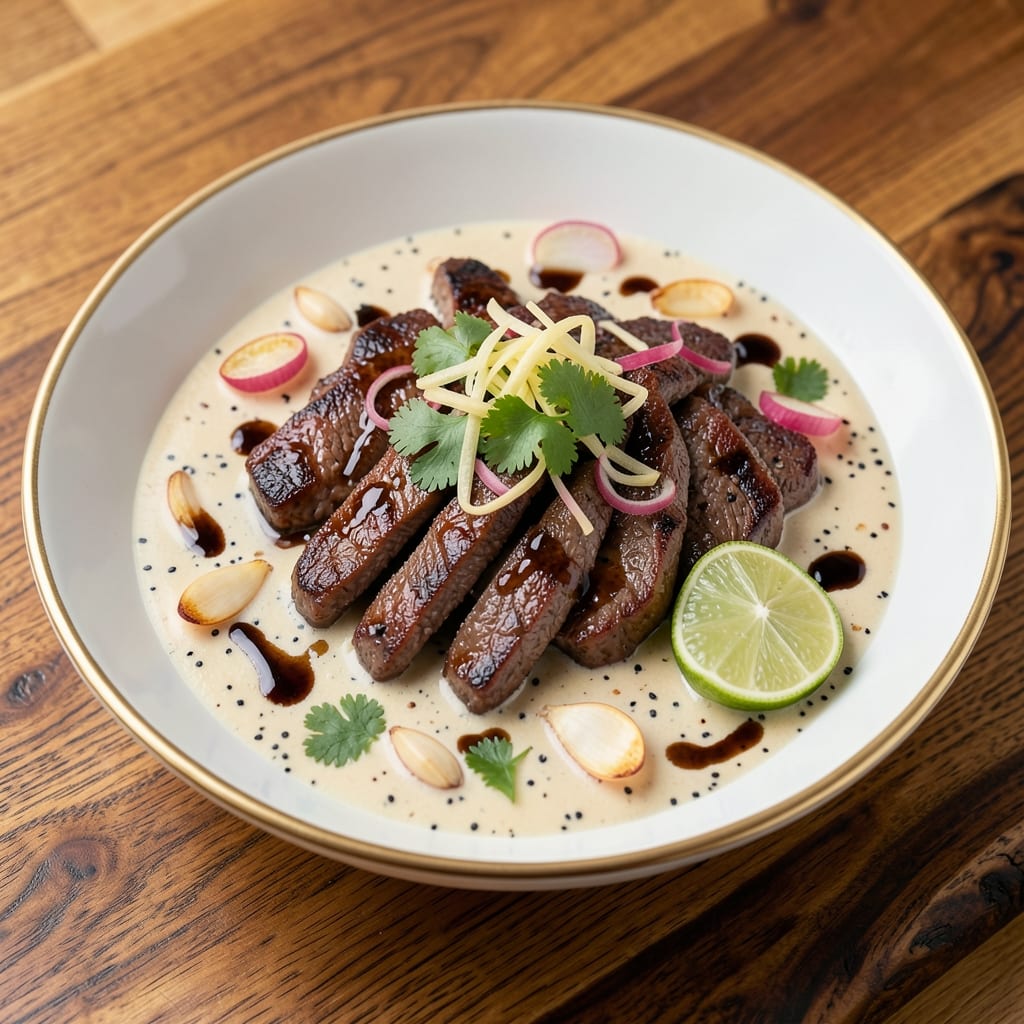
This Asian gravy beef recipe delivers restaurant-quality depth in a single pot, blending wok-seared beef with a rich, umami-packed sauce that transforms ordinary ingredients into something extraordinary. The secret lies in balancing sweet, salty, and savory elements—caramelized onions, aromatic ginger, and a touch of coconut milk create a velvety gravy that clings to tender beef slices. I developed this after years of testing Asian beef dishes, and it never fails to impress.
The beauty of this recipe is its versatility—you can adapt it to Japanese sukiyaki, Thai-inspired peanut gravy, or Korean-style galbi-jjim with just a few ingredient swaps. The beef gets seared in a hot wok for maximum flavor, then simmers in the sauce until fork-tender, absorbing all those complex flavors. This method ensures every bite is packed with texture and depth, making it perfect for weeknight dinners or special occasions.
By the time you serve it, you’ll have perfectly seared beef swimming in a glossy, aromatic gravy that’s rich but not heavy. The sauce coats every slice, delivering layers of umami and sweetness with each bite. Serve it over steamed rice or with stir-fried vegetables for a complete meal that feels like a gourmet experience without the fuss.
This recipe scales effortlessly—double the batch for a crowd, or halve it for a cozy meal for two. The gravy thickens beautifully when reheated, so leftovers taste just as good the next day. Let’s get cooking—your taste buds will thank you.
Ingredients for asian gravy beef
Pantry staples meet wok magic for this umami-packed beef feast.
| Ingredient | Amount | Notes |
|---|---|---|
| Flank Steak 🥩 | 1 ½ lb | Thinly sliced against grain |
| Yellow Onions 🧅 | 2 whole | Thinly sliced for caramelization |
| Fresh Ginger 🌿 | ½ cup | Finely grated, peeled |
| Garlic Cloves 🧄 | 6 cloves | Minced for aromatic depth |
| Coconut Milk 🥥 | 1 can | Full-fat for creaminess |
| Soy Sauce 🍶 | ½ cup | Use low-sodium preferred |
| Honey 🍯 | 3 tbsp | For balancing sweetness |
| Sesame Oil 🫒 | 1 tbsp | Toasted for aroma |
| Vegetable Oil 🫒 | 2 tbsp | For high-heat searing |
| Corn Starch 🌾 | 1 tbsp | For sauce thickening |
| Green Onions 🧅 | ¼ cup | Sliced for garnish |
| Sesame Seeds 🌱 | 1 tbsp | Toasted for crunch |
| Salt 🧂 | 1 ½ tsp | Kosher or sea salt |
| Black Pepper 🌶️ | ½ tsp | Freshly ground |
The beef is everything here—flank steak gives that perfect chew, but ribeye or sirloin work too. Slice it thin against the grain so it stays tender. Grab flank steak from the butcher counter if you can—they'll slice it for you. For the onions, yellows caramelize best, but red onions add color if you're feeling fancy. The ginger should be fresh—no powdered stuff here. I always grab the big root at Trader Joe's—it keeps for weeks in the fridge.
No soy sauce? Coconut aminos or tamari work in a pinch. Short on honey? Maple syrup or brown sugar dissolved in water does the trick. The cornstarch is non-negotiable for thickening—it's what makes that glossy gravy. No sesame oil? Toasted peanut oil gives a similar nutty aroma. The garlic and ginger can be pre-minced from the store if you're short on time, but freshly grated ginger has way more punch. For extra umami, add a splash of fish sauce or Worcestershire—just don't tell anyone I said that.
This sauce gets better overnight—make extra and store it in the fridge for up to 5 days. The beef reheats beautifully, but low and slow is key to keep it tender. Freeze portions in ice cube trays for quick meals later. The sesame seeds toast in 30 seconds—don't walk away or they'll burn. Garnish with those green onions right before serving so they stay bright.
Why You'll Love This Recipe
- One-Pan Magic: I swear by this recipe when I’m too tired to wash dishes. Sear the flank steak, toss in sliced onions and ginger, then let the coconut milk and garlic work their magic—all while you’re scrolling through your phone. The pan does most of the work, and the leftovers? Even better reheated.
- Umami Bomb: That first bite of tender steak coated in a rich, slightly sweet gravy? It’s the ginger and garlic caramelizing into the coconut milk that makes it sing. The onions add depth, and the steak stays juicy—no dry, tough bites here. Honestly, it’s the kind of flavor that makes you want to eat it straight from the pan.
- Stealth Meal Prep: Between us, this is my secret for busy weeks. Cook a big batch on Sunday, and you’ve got lunch or dinner covered for days. The gravy thickens beautifully when reheated, and the steak stays tender—no sad, rubbery leftovers. Just portion it out and reheat, or toss it into rice bowls for a grab-and-go meal.
- Budget Stretch: Flank steak is affordable, and a can of coconut milk goes a long way. I’ll be real: this recipe feeds four for under $15, and the flavor makes it feel like a fancy dinner. Plus, the leftovers stretch even further, so you’re not scrambling for takeout when the fridge is bare. Smart, tasty, and wallet-friendly.
Step-by-step instructions for wok-seared Asian gravy beef
Here's how to transform simple ingredients into restaurant-quality beef with a glossy, umami-packed sauce.
Prep and Sear the Beef for Maximum Flavor
Slice the 1.5 lb flank steak thinly against the grain for tender bites. Pat it dry with paper towels—this ensures a good sear. In a large wok or deep skillet, heat 2 tablespoons vegetable oil over high heat until shimmering. Add the beef in a single layer and sear undisturbed for 2-3 minutes until deeply browned on one side.
Flip the beef and cook another 2-3 minutes until it reaches 145°F internally. Remove and set aside. Don't drain the pan—those browned bits are flavor gold. Here's the thing: high heat creates a caramelized crust that locks in juices, while the thin slicing ensures tender results every time.
Build Layers of Flavor with Aromatics
In the same wok, add 2 whole yellow onions (thinly sliced) and cook for 5-6 minutes until softened and golden. Add 0.5 cup fresh ginger (finely grated) and 6 cloves garlic cloves (minced), cooking for 1 minute until fragrant. The onions should caramelize beautifully—this is where the sweetness develops.
Pour in 0.5 cup soy sauce and 3 tablespoons honey, stirring to combine. Let it simmer for 2 minutes until slightly reduced. This step balances the savory and sweet elements that define the dish. If you're using low-sodium soy sauce, you might want to add a pinch more salt later.
Create the Silky Gravy Sauce
Reduce heat to medium and pour in 1 can coconut milk. Stir in 1 tablespoon sesame oil and bring to a gentle simmer. In a small bowl, whisk together 1 tablespoon corn starch with 2 tablespoons water until smooth. Slowly ladle this mixture into the sauce, stirring constantly until it thickens to a glossy consistency.
Return the seared beef to the wok and coat thoroughly in the sauce. Simmer for 3-4 minutes until everything is heated through. The sauce should coat the back of a spoon—this is your signal it's ready. If it's too thick, add a splash of water to reach your desired consistency.
Finish with Garnishes and Serve
Remove from heat and stir in 0.25 cup green onions (sliced) and 1 tablespoon sesame seeds. Toast the sesame seeds in a dry pan for 30 seconds until fragrant, then sprinkle over the top. The contrast of fresh green onions and toasted sesame seeds adds texture and brightness to the rich sauce.
Taste and adjust seasoning with 1.5 teaspoons salt and 0.5 teaspoon black pepper if needed. This dish is best served immediately over steamed rice, where the sauce will cling beautifully to each bite. The beef should be tender with a perfect sear, and the sauce should be glossy with just the right balance of sweet, savory, and umami flavors.
Pro Tips For Making Asian Gravy Beef
- SEAR THE STEAK FIRST: Walk away after that first sear—don’t keep moving the flank steak around. Let it hit a deep brown crust on one side (about 3-4 minutes) before flipping, or you’ll end up with sad, gray meat. I learned this the hard way when my first batch tasted like it was barely cooked, even though it was.
- GRATE THAT GINGER: Skip the mincer if you’ve got one—grate the ginger with a microplane for a finer, more flavorful texture. It blends into the sauce better and doesn’t leave those annoying little chunks that make you question your life choices. (Yes, even if you’re impatient like me.)
- SIMMER THE COCONUT MILK: Don’t dump the full can of coconut milk in at once—simmer half first to thicken the sauce before adding the rest. This keeps the gravy from turning into a watery soup, especially if you’re using the lighter, less rich versions. Trust me, your dish won’t regret it.
- REST THE STEAK BEFORE SLICING: Give the flank steak a solid 5-10 minutes under foil after cooking, even if you’re eager to serve. Slicing it too soon means dry, stringy meat—no one wants that. This is the thing that matters most for tender, restaurant-quality results. (Your future self will thank you.)
Wine and beer pairings for this recipe
Japanese Sake Pairing
A crisp, dry junmai daiginjo sake like Dassai 23 from Niigata cuts through the richness of the gravy beautifully. The clean, floral notes complement the umami depth while refreshing your palate between bites. I always keep a chilled bottle in the fridge—it’s perfect for balancing the sweet-savory sauce. The slight acidity helps cleanse the rich flavors without overpowering them. 🍶
Thai-Inspired Beer Match
For a Thai-inspired twist, reach for a Singha Premium lager or a Chang Beer—both offer a light, crisp profile that contrasts the coconut milk’s creaminess. The subtle malt sweetness echoes the honey in the sauce, while the effervescence helps reset your palate. Serve it ice-cold to highlight its refreshing qualities. If you prefer craft beer, a Thai-style IPA with citrus notes adds a fun, zesty contrast. 🍺
Korean Soju for Bold Flavor
If you’re leaning into Korean flavors, a chilled jinro soju is a must. Its clean, neutral profile lets the beef and sauce shine while adding a smooth, slightly sweet finish. I like to serve it in small shot glasses alongside the dish—it’s a classic pairing for Korean-style beef dishes like galbi-jjim. For a non-alcoholic option, try omija soju, which has a fruity, floral note that complements the umami. 🥃
Red Wine Alternative
For a non-Asian option, a Pinot Noir from Oregon or a Gewürztraminer works surprisingly well. The Pinot Noir’s earthy notes mirror the soy sauce’s depth, while Gewürztraminer’s lychee and spice flavors add an unexpected but delightful contrast. Both wines are light enough to avoid overwhelming the dish. A 16-18°F serving temperature keeps them fresh and vibrant. 🍷
Cocktail Pairing Tip
For a fun twist, mix a gin and yuzu cocktail—combine 2 oz gin, 1 oz yuzu juice, and a splash of soda water. The citrusy brightness cuts through the richness, while the gin’s botanical notes enhance the aromatic flavors. Garnish with a lemon twist for extra zing. This is my go-to when hosting dinner parties—it’s light, refreshing, and pairs beautifully with the beef. 🍸
Nutrition facts
Frequently asked questions
Can I substitute flank steak with another cut?
Ribeye or sirloin work beautifully—they add more marbling for extra flavor. For leaner options, try top round but slice it extra thin. The key is cutting against the grain to ensure tenderness. If using pre-sliced beef from the store, look for "thinly sliced for stir-fry" packaging for convenience.
How do I adjust the recipe for a thicker gravy?
For a richer, thicker sauce, increase the cornstarch to 2 tablespoons and reduce the water to 1 tablespoon. Alternatively, simmer the sauce uncovered for 5-7 minutes to evaporate excess liquid. If using coconut milk, opt for full-fat and reduce it by 2 tablespoons to concentrate the creaminess. Stir constantly to prevent lumps!
What if I don't have sesame oil?
No problem! Use toasted peanut oil (1 tbsp) for a nutty aroma or neutral oil like avocado oil. For extra depth, add ½ teaspoon toasted sesame seeds directly to the sauce. The dish will still taste amazing—it just loses that distinct toasted sesame note. Don't skip the sesame seeds in the garnish, though! They add crucial texture.
Can I make this recipe in a slow cooker?
Yes, but with adjustments! Sear the beef first, then transfer everything (except cornstarch) to the slow cooker. Cook on low for 6-8 hours or high for 3-4 hours. Stir in the cornstarch slurry during the last 30 minutes to thicken. The beef will be fork-tender, but the sauce may be thinner—reduce it on the stove afterward if needed. Perfect for hands-off cooking!
Why did my sauce turn out too sweet?
The honey might have overpowered the soy sauce's saltiness. Next time, reduce honey to 2 tablespoons and add ½ teaspoon extra soy sauce. For balance, stir in 1 teaspoon rice vinegar or a pinch of black pepper to cut the sweetness. Taste as you go—you can always adjust while cooking!