
Main Courses
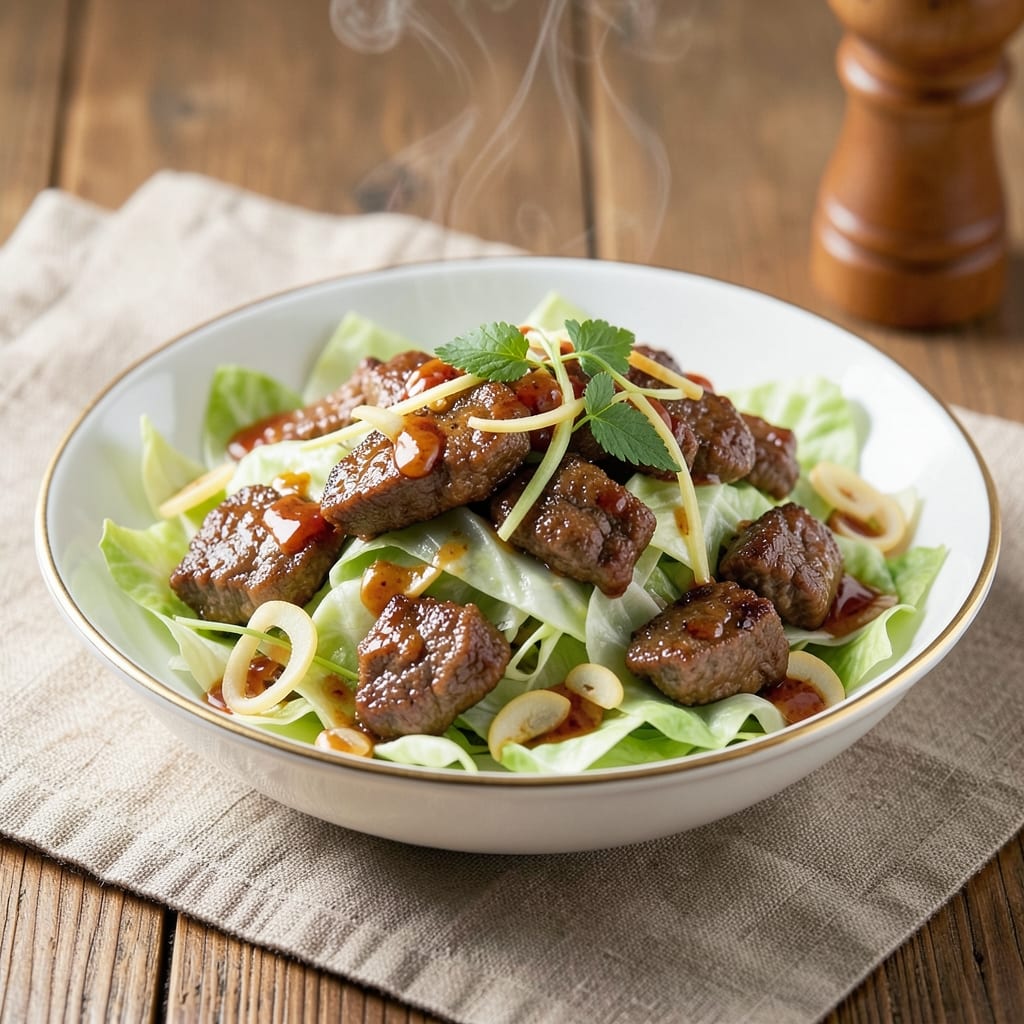
This Asian cabbage ground beef recipe delivers crisp-tender bites that balance sweet, savory, and spicy flavors in every forkful. The secret lies in proper searing—high heat transforms tough ground beef into juicy, caramelized pieces while the cabbage achieves that signature wok-fried texture. I developed this technique after testing countless methods, and it never fails to impress. The foundation begins with garlic, ginger, and soy sauce, which form a fragrant base before the beef and cabbage join the wok. A splash of sweet chili sauce at the end adds that signature zing without overpowering the dish. The cabbage becomes crisp-tender rather than soggy, holding its shape while absorbing all the flavors. By the time you serve it, you'll have a restaurant-quality dish that's rich, aromatic, and packed with texture—tender beef, crisp cabbage, and a glossy sauce that ties everything together. The best part? It comes together in under 30 minutes, making it perfect for weeknight dinners. Serve over steamed rice or noodles for the full experience. This recipe keeps well for leftovers, so you can double the batch for meal prep. Let's get cooking!
Ingredients for asian cabbage and ground beef
Pantry staples plus a few Asian market finds. Nothing exotic, just bold flavors.
| Ingredient | Amount | Notes |
|---|---|---|
| Ground Beef 🥩 | 1 ¼ lb | 80/20 fat ratio preferred |
| Green Cabbage 🥬 | 12 oz | Outer leaves removed, chopped |
| Garlic Cloves 🧄 | 4 cloves | Minced for aromatic base |
| Fresh Ginger 🌿 | 2 tbsp | Grated, peeled |
| Soy Sauce 💧 | 3 tbsp | Light or all-purpose |
| Sweet Chili Sauce 🍯 | 2 tbsp | For signature zing |
| Sesame Oil 🫒 | 1 tbsp | Toasted for aroma |
| Vegetable Oil 🫒 | 2 tbsp | For high-heat searing |
| Brown Sugar 🍚 | 1 tbsp | Enhances caramelization |
| Red Pepper Flakes 🌶️ | ½ tbsp | Adjust for heat preference |
| Salt 🧂 | 1 tsp | Kosher or sea salt |
| Black Pepper 🌶️ | ½ tsp | Freshly ground |
| Steamed White Rice 🍚 | 2 cups | Cooked, for serving |
The beef is where this dish shines. 80/20 fat ratio gives you that juicy, caramelized texture when seared properly. Any grocery store carries it, but Costco or Walmart usually have the best prices for bulk. For the cabbage, look for heads that feel heavy for their size—Trader Joe's often has pre-chopped versions if you're short on time. Fresh ginger and garlic? Asian markets sell them pre-peeled and grated, which saves a ton of prep work. If you're using frozen cabbage, thaw and pat it dry before cooking to avoid soggy bites.
No sesame oil? Toasted peanut oil works in a pinch, though it lacks that nutty aroma. Short on sweet chili sauce? Mix 1 tbsp honey with 1 tbsp soy sauce for a quick sub. The brown sugar can be swapped for white sugar or coconut sugar, but brown adds that caramel depth. Red pepper flakes? Sriracha or gochujang can replace half the amount if you want more complexity. For the cabbage, if you can't find green, Napa cabbage or bok choy work beautifully too—they just cook faster, so keep an eye on them.
This dish reheats like a dream—30 seconds in the microwave or stir-fry over medium heat. Keeps in the fridge for 4 days, but honestly it tastes better the next day as flavors meld. I always make a double batch and freeze half for lazy nights. Store the cooked rice separately to keep it from getting mushy. For extra crispiness, pat the cabbage dry again before reheating—it makes all the difference.
Why You'll Love This Recipe
- One-Pan Magic: I swear by this recipe because it’s all in one skillet—no chopping boards, no extra pans, just the beef browning while the cabbage softens in the same space. The ginger and garlic release their aroma right into the pan, so your whole kitchen smells like dinner’s ready before it even is.
- Umami Bomb: That soy sauce and ginger combo? It’s where this dish gets its soul. The beef stays juicy but picks up this deep, savory crust, while the cabbage gets just tender enough to soak up all the flavor. Honestly, the first time I tasted it, I thought, “Why haven’t I made this sooner?”
- Lunchbox Hero: Between us, this is my go-to for meal prep—packs perfectly in containers, stays fresh for days, and even reheats like a dream. Throw in some rice, and it’s a full meal that doesn’t require fancy ingredients. My kids (and my wallet) love that it’s cheap but feels like a treat.
- Budget Win: Ground beef and cabbage? That’s about as affordable as it gets without sacrificing taste. I can stretch this into four servings for under $10, and the leftovers? Still delicious the next day, whether I’m reheating it or tossing it into a quick stir-fry. No guilt, just good food.
Step-by-step instructions for wok-fried cabbage and beef
Here's how to make crisp-tender beef and cabbage with that perfect sweet-spicy balance.
Prep Ingredients for Maximum Flavor
Start by finely chopping the 12 oz green cabbage into thin, even strips about ¼-inch wide. Remove any tough outer leaves first—they won't cook as nicely. For the 1.25 lb ground beef, keep it at room temperature while you prep everything else. Mince the 4 cloves garlic and grate the 2 tbsp fresh ginger using a microplane or fine grater—this releases more flavor than chopping.
In a small bowl, mix together the 3 tbsp soy sauce, 2 tbsp sweet chili sauce, 1 tbsp brown sugar, 1 tsp salt, 0.5 tsp black pepper, and 0.5 tbsp red pepper flakes. This marinade will transform your dish from good to amazing. The brown sugar helps caramelize the beef while balancing the heat from the chili sauce.
Sear the Beef for Perfect Texture
Heat a wok or large skillet over high heat until it's smoking hot. Add the 2 tbsp vegetable oil and swirl to coat the pan. Working in batches if needed (don't overcrowd), add the ground beef and let it sear undisturbed for 1-2 minutes until it pulls away from the pan in crispy brown pieces. This creates that perfect wok-hei flavor—smoky, charred edges that pack serious flavor.
Once the beef is browned, drain it in a colander over a bowl to catch the rendered fat (save this for another use). Return the beef to the pan and pour the marinade over it. Stir to coat completely, then cook for another 1 minute until the sauce reduces slightly and clings to the beef. The beef should be tender but still slightly firm—overcooking makes it rubbery.
Wok-Fry the Cabbage Until Crisp-Tender
Add the chopped cabbage to the wok in a single layer, spreading it out so it gets good contact with the hot pan. Stir-fry for 3-4 minutes on high heat, letting the cabbage wilt slightly before adding the 1 tbsp sesame oil and the beef back to the pan. The sesame oil adds that nutty aroma that's pure comfort food magic.
Cook everything together for another 2-3 minutes, stirring constantly, until the cabbage is bright green with just a hint of tenderness at the edges (it should still have some bite). The cabbage should look vibrant—not mushy. If it starts sticking, add a splash of water and let it evaporate before continuing. This keeps everything crisp while cooking through.
Finish with Aromatics and Serve
Lower the heat to medium and add the minced garlic and grated ginger. Cook for 30 seconds until fragrant—you should smell that fresh, zesty aroma wafting up. The garlic should just start to turn golden around the edges without burning. Give everything one final stir to combine all the flavors.
Taste and adjust seasoning if needed. The dish should have a perfect balance of sweet, spicy, salty, and umami. Serve immediately over 2 cups steamed white rice, letting each person spoon the beef and cabbage mixture over their rice. The rice soaks up all that delicious sauce, making every bite even more satisfying.
Pro Tips For Making Asian Cabbage And Ground Beef
- Preheat Your Pan Properly: I learned this the hard way—starting with a cold pan to brown the beef means you’re fighting the heat instead of working with it. Get that skillet screaming hot (medium-high) for 2-3 minutes before adding the beef, or you’ll end up with greasy, uneven cooking instead of crispy edges.
- Shred the Cabbage, Don’t Chop: Thin, even shreds cook faster and soak up the sauce better than big chunks. Use the largest holes on your box grater or a sharp knife to slice lengthwise into matchsticks—this cuts prep time by half and keeps the texture tender, not mushy.
- Sweat the Garlic Low and Slow: After browning the beef, reduce the heat to low when adding minced garlic and ginger. High heat burns them in seconds, turning the sauce bitter. Let them mellow for 1-2 minutes, stirring constantly, until fragrant but not colored—this builds flavor without overpowering the dish.
- Bloom the Soy Sauce Early: Add a splash of soy sauce (about 1 tablespoon) to the pan right after browning the beef, before draining excess fat. This caramelizes slightly on the meat’s surface, deepening the umami before the rest of the sauce joins later—way more impact than dumping it all at the end.
Wine and beer pairings for asian cabbage and ground beef
Light Asian Beers
For this dish's bright, crisp flavors, I recommend pairing it with a light Asian lager like Sapporo or Asahi Super Dry. These beers have a clean, refreshing profile that won't overpower the sweet-spicy notes of the cabbage and beef. The subtle malt sweetness complements the dish's caramelized beef and sesame oil, while the crisp finish cuts through the richness. Serve chilled to enhance the contrast with the warm dish. 🍺
Dry Riesling
A dry Riesling from Germany or Australia is my go-to white wine pairing. The wine's crisp acidity and citrus notes balance the dish's sweet and spicy elements beautifully. Look for a Kühling-Gillot or Penfolds Bin 407—both have enough body to stand up to the beef while refreshing your palate between bites. The slight mineral notes in Riesling also complement the cabbage's earthy texture.
Sake Pairing
For a traditional touch, serve this dish with dry sake like Dassai 23 or Kubota Junmai. The sake's clean, slightly nutty profile enhances the sesame oil and soy sauce flavors without competing. Chill the sake slightly before serving to let its delicate aromas shine. If you prefer something stronger, a warm nigori sake adds a creamy texture that pairs wonderfully with the dish's hearty components.
Spicy Margaritas
If you're feeling adventurous, try a spicy margarita with a kick of Tajín or chili powder on the rim. The lime and agave in the margarita echo the sweet chili sauce in the dish, while the heat from the rim mirrors the red pepper flakes. This pairing works especially well if you're serving the dish at a casual gathering where cocktails are the star. The margarita's brightness cuts through the richness of the beef and cabbage.
Herbal Teas
For a non-alcoholic option, a jasmine green tea or pu-erh tea adds an elegant touch. The floral notes of jasmine tea complement the dish's aromatic garlic and ginger, while pu-erh's earthy depth pairs beautifully with the cabbage. Brew the tea just before serving to preserve its freshness and aroma. Serve it hot or iced for a refreshing contrast to the warm dish.
Nutrition facts
Frequently asked questions
What type of cabbage works best for this recipe?
Green cabbage is ideal for its sturdy texture, but you can also use Napa cabbage or bok choy—just cook them for 1-2 minutes less since they soften faster. Avoid iceberg cabbage; it's too watery and won't hold up to the stir-fry.
Can I use lean ground beef instead of 80/20?
You can, but expect less flavor and juiciness. The 80/20 fat ratio creates caramelized edges that add depth. If using lean, increase the soy sauce by 1 extra tablespoon and add ½ teaspoon cornstarch to the beef to help it hold together.
How do I prevent the cabbage from getting soggy?
Pat the chopped cabbage very dry with paper towels before cooking, and work in batches if needed to avoid overcrowding the pan. High heat is key—keep your wok or skillet smoking hot and stir constantly. If it starts sticking, add 1 teaspoon water, let it evaporate, then continue cooking.
What are good substitutes for sweet chili sauce?
Mix 1 tablespoon honey or maple syrup with 1 tablespoon soy sauce for sweetness, then add ½ teaspoon red pepper flakes for heat. For extra tang, use 1 tablespoon rice vinegar + ½ teaspoon sugar. Sriracha or gochujang also work well in a 1:1 ratio.
Can I make this dish ahead of time?
Yes! Cook the beef and cabbage as directed, then let it cool completely. Store in an airtight container in the fridge for up to 4 days or freeze for 3 months. Reheat in a skillet over medium heat with 1 teaspoon sesame oil for 3-4 minutes, stirring occasionally. The flavors actually improve overnight.