
Main Courses
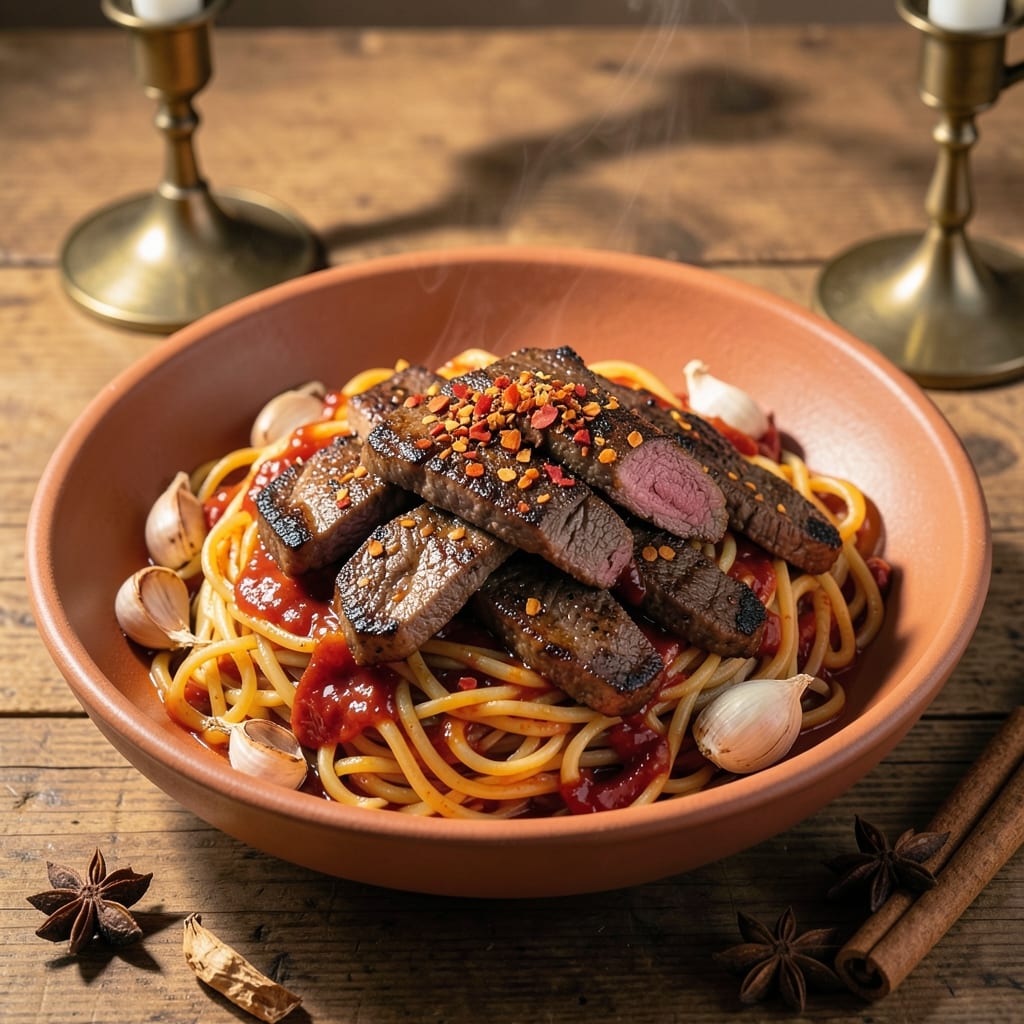
This Asian spicy beef noodle recipe delivers restaurant-quality depth with fermented heat and silky noodles—perfect for weeknight dinners that taste like a late-night street stall. The secret lies in charred garlic, blooming whole spices, and a balance of sweet, spicy, and umami flavors that transform simple ingredients into something extraordinary. I've refined this recipe over years of testing, ensuring every bite delivers that perfect harmony of textures and heat levels.
What sets this dish apart is the two-stage cooking process: first, searing the beef for deep flavor, then simmering it in a fragrant broth infused with star anise, cinnamon, and fermented chili oil. The noodles—whether fresh or dried—soak up the rich, spicy broth while maintaining their perfect bite. This recipe serves four hungry people and comes together in under 45 minutes, making it ideal for busy weeknights or weekend gatherings.
The result is a bowl of silky noodles swimming in a vibrant, aromatic broth with tender beef slices and just the right amount of heat. Garnished with fresh herbs and a drizzle of chili oil, each spoonful delivers layers of flavor that keep you reaching for more. The broth is rich enough to stand alone but perfectly balanced with the chewy noodles and tender beef.
Pair it with quick pickled vegetables or a simple cucumber salad to cut through the richness and add freshness. This dish is versatile enough for meal prep—store the broth and beef separately and assemble when ready—while still feeling special enough for company. Let's get cooking!
Ingredients for asian spicy beef noodle
Restaurant-quality flavors start with these 15 simple yet powerful ingredients—charred garlic and star anise lead the way.
| Ingredient | Amount | Notes |
|---|---|---|
| Flank Steak 🥩 | 1 ½ lb | Thinly sliced against grain |
| Fresh Egg Noodles 🍜 | 12 oz | Or dried ramen noodles |
| Garlic Cloves 🧄 | 8 cloves | Charred for depth |
| Star Anise Pods 🌿 | 2 whole | Whole, not ground |
| Cinnamon Sticks 🌿 | 2 whole | 1-inch pieces preferred |
| Dried Chili Flakes 🌶️ | 2 tbsp | Adjust for heat preference |
| Fermented Chili Oil 🫒 | 2 tbsp | Or substitute chili garlic sauce |
| Soy Sauce 🥄 | ½ cup | Light or dark preferred |
| Oyster Sauce 🍶 | 2 tbsp | For umami depth |
| Sesame Oil 🫒 | 1 tbsp | Toasted for aroma |
| Green Onions 🧅 | 4 whole | Sliced for garnish |
| Fresh Cilantro 🌿 | ¼ cup | Chopped for freshness |
| Vegetable Oil 🫒 | 2 tbsp | High smoke point |
| Brown Sugar 🍚 | 2 tbsp | Balances spicy-sweet |
| Water 💧 | 4 cups | For broth base |
The beef is everything here. Flank steak gives that perfect chew when sliced thin—ask your butcher to cut it against the grain if they won't do it for you. Costco or Whole Foods always have it pre-sliced, which saves time. For the garlic, charring it whole in a dry pan before mincing unlocks a smoky depth you won't get any other way. Skip the pre-minced garlic—it's sad stuff. The star anise and cinnamon sticks? Penzeys or your local Asian market will have them whole, which is key—they infuse the broth with layers of warmth that ground spices can't match.
No fermented chili oil? Chili garlic sauce works in a pinch, but you'll miss that funky, tangy depth. The soy sauce can be swapped for tamari if you're gluten-free, but don't go for the low-sodium kind—it lacks punch. Fresh egg noodles are ideal (they're chewier than dried), but ramen noodles work too—just soak them 2 minutes less than the package says. The sesame oil is non-negotiable for aroma, but use the toasted kind—regular is just sad. For extra heat, add a dash of Sichuan peppercorn powder (if you've got it), but it's not required. And if you can't find whole star anise, ground works at half the amount, though it won't bloom as beautifully.
This broth keeps for 4 days in the fridge—make extra, it's that good. Store the beef and broth separately, then toss with fresh noodles when ready. The noodles themselves? Cook them al dente—they'll finish in the hot broth. Freezes beautifully for 3 months, though the texture changes slightly. I always double the broth and freeze half—perfect for lazy nights when you just want that restaurant flavor without the effort. Garnish with fresh herbs right before serving, or they'll wilt in the hot broth.
Why You'll Love This Recipe
- One-Pan Magic: I swear by this recipe because it’s actually one-pan—no chopping boards, no extra pots. Slice the flank steak thin, toss it in the wok with the noodles and spices, and let the star anise and cinnamon work their aromatic magic while you stir. Honestly, the cleanup is just rinsing a single pan.
- Deep Flavor Bang: That first bite? The garlic hits like a warm hug, the star anise adds this subtle, earthy depth, and the cinnamon gives it a cozy warmth. The flank steak stays tender but gets this just-right chew, and the egg noodles? They soak up every last bit of the spicy-sweet sauce. It’s the kind of dish that makes you want to close your eyes and savor it.
- Office Lunch Hero: Between us, this is my go-to for meal prep—it reheats like a dream and tastes just as good cold the next day. Pack it in a container, and you’ve got a lunch that’ll have coworkers asking for the recipe. (Yes, even on a Tuesday night when you’re running late.)
- Budget Steakhouse Fix: Flank steak is affordable, and a pound goes a long way when sliced thin. The spices cost next to nothing, and fresh egg noodles are cheaper than takeout. I’ll be real: this tastes way better than most takeout beef noodles, and it’s half the price. That’s a win in my book.
Step-by-step instructions for wok-fired beef noodles
Here's how to create bold, aromatic beef noodles with layers of fermented heat and tender silky strands.
Prep and Sear the Flank Steak
Slice the 1.5 lb flank steak thinly against the grain into ¼-inch strips—this ensures tender bites. Pat dry with paper towels and season generously with salt and pepper. Heat a wok or large skillet over high heat with 2 tbsp vegetable oil until shimmering.
Add the steak in a single layer and sear undisturbed for 1-2 minutes until the edges turn deep golden brown. Stir-fry for another 1-2 minutes until fully cooked but still slightly pink. Remove and set aside—this quick sear locks in juices while building deep flavor. Don't overcrowd the pan or the steak will steam instead of sear.
Char Aromatics and Build the Spicy Broth
In the same wok, add 2 tbsp vegetable oil and swirl to coat. Add 8 cloves garlic cloves and stir constantly for 30 seconds until fragrant. Add 2 whole star anise pods and 2 cinnamon sticks—these whole spices will infuse the broth with warm, earthy depth. Stir for 1 minute until the garlic turns golden brown and slightly charred.
Pour in 4 cups water, scraping up any browned bits from the bottom. Add 0.5 cup soy sauce, 2 tbsp oyster sauce, 2 tbsp dried chili flakes, and 2 tbsp brown sugar. Bring to a boil, then reduce heat to medium-high and simmer for 5 minutes—this builds a flavorful, slightly sweet-spicy broth. The spices will release their aromatic oils into the water, creating that signature depth.
Cook the Noodles Al Dente
While the broth simmers, prepare the 12 oz fresh egg noodles according to package instructions. I like mine al dente—cook for 1-2 minutes less than suggested, then drain and rinse briefly under cold water to stop cooking. This prevents the noodles from turning mushy when added to the hot broth later.
Here's the thing—fresh egg noodles cook faster than dried, so monitor closely. The moment they float to the surface is your cue. Drain immediately and toss with 1 tbsp sesame oil to prevent sticking. Keep them warm in a covered bowl while you finish the sauce.
Finish with Fermented Heat and Combine
Return the wok to high heat and add the cooked noodles, tossing to coat in the broth. Stir in 2 tbsp fermented chili oil—this is where the magic happens. The oil carries deep, funky umami that cuts through the richness. Add the seared steak back to the wok and toss everything together for 2-3 minutes until the noodles are silky and well-coated with the spicy-sweet sauce.
Taste and adjust seasoning—add a splash of water if the sauce is too thick, or more soy sauce if you want it saltier. The balance should be spicy, sweet, umami-rich, and slightly funky from the fermented chili oil. This is your flavor checkpoint—don't rush it.
Garnish and Serve Immediately
Divide the noodles into bowls and top each serving with 4 sliced green onions and 0.25 cup chopped fresh cilantro. The green onions add a crisp contrast to the rich noodles, while the cilantro brightens the dish with freshness. Serve immediately while the noodles are hot and silky—this dish doesn't wait.
Real talk: the aroma alone will have everyone gathering around. The fermented chili oil gives it that authentic, slightly funky depth that sets this apart from basic beef noodles. Each bite delivers tender steak, chewy noodles, and layers of spicy-sweet umami—this is comfort food at its finest.
Pro Tips For Making Asian Spicy Beef Noodle
- Slice Thin, Sear Fast: Flank steak fights back when you cut against the grain—so slice it paper-thin (¼-inch max) before searing. I used to overlook this, and my beef turned chewy instead of tender. High heat for 2-3 minutes per side guarantees a crust while keeping the inside juicy.
- Toast Spices Whole: Star anise and cinnamon sticks aren’t just flavor—they’re texture. Lightly toast them in the same pan as the garlic (1 minute, until fragrant) before adding liquid. This unlocks their aroma and prevents a bitter aftertaste that ruins the balance.
- Don’t Boil the Noodles: Fresh egg noodles cook in seconds—30-45 max in boiling water. Overcooking turns them mushy, and they’ll turn to paste when tossed with the sauce. Test one: it should hold shape but still be al dente. Drain and rinse lightly with cold water to stop cooking.
- Build Heat Gradually: Dumping all the chili paste or sauce at once? That’s how you end up with a bland mess. Start with half the spice, let it bloom in the pan for 30 seconds, then add the rest. This lets the flavors meld instead of competing—trust me, your taste buds will notice.
Storing and reheating your leftovers
Broth Storage Secrets
The spicy beef broth is the heart of this dish, and it keeps beautifully in the fridge for 4 days in an airtight container. I always double the batch because the flavor only deepens overnight—those spices keep infusing. Store it in a glass container (like Pyrex) to preserve the aromatics better than plastic. When reheating, bring it to a gentle simmer over medium-low heat and let it reduce slightly to concentrate the flavors. 💫
Noodle Prep Ahead
Cook your noodles al dente and rinse them under cold water to stop the cooking process. Store them in a ziplock bag with a light spray of sesame oil to prevent sticking. They'll keep in the fridge for 2 days—just toss them directly into the reheated broth when ready. For dried noodles, soak them in hot water for 5 minutes before adding to the broth to revive their texture.
Beef Reheating
Reheat the seared beef in the same broth (or a splash of water) over medium heat until it reaches 165°F internal temperature. The broth will help keep it tender—never microwave it dry, or it'll turn rubbery. I like to reheat everything together in the wok for 3-4 minutes to let the flavors meld again. The beef should stay juicy and flavorful if stored properly in the fridge for up to 3 days.
Freezer Strategy
This dish freezes exceptionally well for 3 months if you store the components separately. Freeze the broth in quart-sized bags (leave 1 inch headspace for expansion) and the beef in a separate container. When ready to eat, thaw overnight in the fridge, then reheat everything together. The texture might be slightly softer after freezing, but the flavors remain bold and aromatic. 🥶
Assembly Tips
Always cook fresh noodles when reheating from frozen—never add frozen noodles directly to hot broth, or they'll turn mushy. Instead, cook them 1 minute less than package instructions and toss with the reheated beef and broth. Garnish with fresh green onions and cilantro right before serving to keep the dish vibrant. The contrast of crisp herbs against the rich, spicy broth is what makes it feel fresh every time.
Heat Adjustments
If the dish seems too spicy after reheating, balance it with a splash of coconut milk or a drizzle of honey—both cut through the heat while adding creaminess. For extra depth, stir in 1 tsp fish sauce when reheating to boost umami. The key is to adjust while the dish is hot so you can taste the difference immediately. This is where the magic of homemade comes alive—you can tweak it to your exact preference. 🌶️
Nutrition facts
Frequently asked questions
Can I use ground beef instead of flank steak?
You can substitute 1 lb ground beef for the flank steak, but the texture will be different—ground beef turns more crumbly when cooked. For best results, form it into small patties and sear them until browned before adding to the broth. The flavor will still be rich, but you'll lose the tender slices that make this dish special.
How do I make this dish less spicy?
Reduce the dried chili flakes to 1 tbsp and skip adding extra fermented chili oil. For milder heat, replace the chili oil with 1 tbsp oyster sauce or a drizzle of honey to balance the flavors. Taste as you go—you can always add more soy sauce for umami depth without extra heat.
What's the best way to store leftovers?
Store the broth and beef separately in airtight containers for up to 4 days. The broth freezes beautifully for 3 months in quart-sized bags, while the beef stays tender for 3 days in the fridge. When reheating, combine everything in a wok over medium heat and add fresh noodles cooked 1 minute less than package time.
Can I use dried ramen noodles instead of fresh?
Dried ramen noodles work perfectly—just soak them for 2-3 minutes less than the package instructions (they'll finish cooking in the hot broth). Discard the seasoning packet and rinse the noodles briefly under cold water to stop cooking. The texture will be slightly firmer but still delicious.
Why does my broth taste bland?
Bland broth often means the spices didn't bloom properly. Always use whole star anise and cinnamon sticks (not ground) and simmer them for at least 5 minutes to release their oils. For extra depth, add 1 tsp fish sauce or a splash of dark soy sauce when reheating. Charred garlic is also key—don't skip this step!