
Main Courses
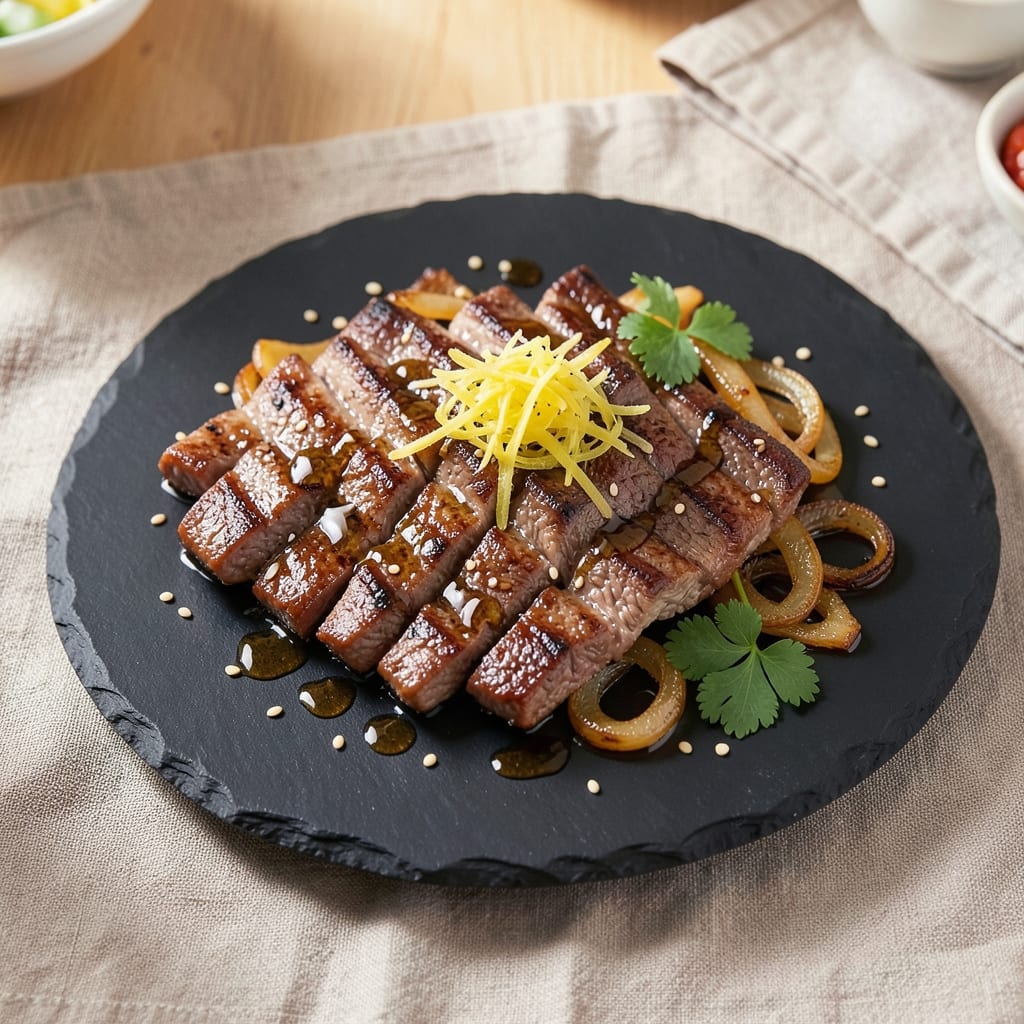
This Asian beef strips recipe delivers restaurant-quality flavor in just 20 minutes, transforming simple ingredients into a dish that’s tender, aromatic, and packed with umami. The secret lies in a velvety soy-ginger sauce that caramelizes beautifully, creating a glossy finish that clings to every strip of beef. I developed this method after years of testing stir-fry techniques, ensuring the beef stays juicy while absorbing the bold, savory flavors.
The process is straightforward but precise: thinly sliced beef marinated in a blend of soy sauce, ginger, and garlic, then quickly seared in a hot pan or air-fried to achieve that signature wok hei smokiness. The sauce, reduced to a glossy consistency, ties everything together with its perfect balance of sweet, salty, and tangy notes. This isn’t just a quick weeknight meal—it’s a dish that feels special enough for guests.
What you’ll end up with is perfectly tender beef strips glistening with a rich, sticky sauce, ready to be served over steamed rice, noodles, or a bed of fresh greens. The aroma alone will have everyone at the table anticipating the first bite. Whether you’re cooking for a family dinner or a casual gathering, this recipe delivers restaurant-quality results without the fuss.
Pair it with steamed jasmine rice or a simple cucumber salad to round out the meal. The beauty of this dish is its versatility—it’s hearty enough to stand alone or light enough to complement other Asian-inspired sides. Let’s get started on creating this flavorful, foolproof meal.
Ingredients for asian beef strips
Restaurant-quality Asian beef strips start with just these 14 ingredients—simple yet transformative.
| Ingredient | Amount | Notes |
|---|---|---|
| Flank Steak 🥩 | 1 ½ lb | Thinly sliced against grain |
| Soy Sauce 🍶 | ½ cup | High-quality, reduced preferred |
| Fresh Ginger 🌿 | 2 tbsp | Finely grated, aromatic |
| Garlic Cloves 🧄 | 6 cloves | Minced, fresh preferred |
| Sesame Oil 🫒 | 1 tbsp | Toasted, for aroma |
| Honey 🍯 | 1 tbsp | Wildflower for depth |
| Rice Vinegar 🍶 | 1 ½ tbsp | Seasoned preferred |
| Cornstarch 🌾 | 1 tbsp | For sauce thickening |
| Neutral Oil 🫒 | 2 tbsp | Avocado or vegetable |
| Green Onions 🧅 | 3 whole | Thinly sliced, garnish |
| Sesame Seeds 🌾 | 1 tbsp | Toasted, for crunch |
| Diamond Crystal Kosher Salt 🧂 | ½ tsp | For seasoning |
| Ground Black Pepper 🌶️ | ¼ tsp | Freshly cracked |
| Jasmine Rice 🍚 | 1 ½ cups | Uncooked, for serving |
The flank steak is non-negotiable for this dish—its lean texture becomes tender when sliced thinly against the grain. Ask your butcher to slice it if you're not comfortable doing it yourself; most will do it for free. For soy sauce, Kikkoman or Pearl River Bridge are reliable choices, but any high-quality brand will work. Fresh ginger and garlic are essential here—their aromatic oils are the foundation of the sauce's depth. Buy organic ginger if possible; its skin is edible and adds subtle bitterness. Toast your sesame oil gently in the pan before adding the beef to infuse those nutty notes without overpowering the dish.
No fresh ginger? Powdered ginger at half the amount works in a pinch, though it lacks the same complexity. Substitute honey with maple syrup for a vegan option, though the flavor profile shifts slightly. If you're avoiding cornstarch, arrowroot powder at the same ratio is a suitable alternative. For the rice vinegar, seasoned rice vinegar adds a touch of saltiness that balances the sauce beautifully. The neutral oil is key—it should have no distinct flavor, allowing the beef and sauce to shine. Avocado oil has a high smoke point and works perfectly for searing.
Store the sliced beef in an airtight container with a paper towel to absorb any moisture for up to 2 days in the fridge. The sauce can be made ahead and reheated gently on the stove, adding a splash of water if it thickens too much. Freeze the sauce in ice cube trays for single-serving portions—just thaw and reheat when needed. The jasmine rice keeps for 5 days in the fridge if stored properly, though it's best served fresh. For extra convenience, cook a larger batch of rice and freeze it in portions for quick meals.
Why You'll Love This Recipe
- No-Fuss Prep: I swear, this recipe takes less time than deciding what to eat. Slice the flank steak against the grain—that’s it—then toss it in soy, ginger, and garlic while the pan heats. No marinating, no fuss, just 15 minutes of hands-off cooking.
- Umami Bomb: That first bite? The soy and sesame oil cling to the steak like a hug, while the fresh ginger adds a zing that lingers. Honestly, the flavor is so bold it makes store-bought stir-fry sauce look weak.
- Lunchbox Hero: Between us, these strips are my go-to for meal prep. Pack them cold in rice bowls for a no-reheat lunch, or reheat them quickly for a weeknight dinner. My kids even ask for them—(yes, even on a Tuesday night).
- Budget Flex: Flank steak stretches further than you’d think, and the ingredients? Basic pantry staples. I’ve made this for date nights, family dinners, and solo takeout cravings without breaking the bank. Practical, reliable, and always satisfying.
Step-by-step instructions for Asian beef strips with velvety soy-ginger sauce
Follow this precise technique for perfectly tender beef strips and a glossy, balanced sauce in under 20 minutes.
Prepare the Flank Steak for Optimal Texture
Remove the 1.5 lb flank steak from the refrigerator and let it sit at room temperature for 15 minutes. This ensures even cooking throughout. Using a sharp knife, slice the steak thinly against the grain into ¼-inch thick strips. The grain runs diagonally across the muscle fibers—cutting perpendicularly shortens the fibers for maximum tenderness.
Transfer the sliced steak to a bowl and season generously with 0.5 tsp Diamond Crystal kosher salt and 0.25 tsp ground black pepper. Toss to distribute evenly. Let it marinate for 10 minutes while you prepare the aromatics. The salt begins breaking down the proteins now, which helps retain moisture during cooking. Don't skip this step—it makes all the difference in texture.
Build the Flavor Base with Aromatics
In a small bowl, combine 2 tbsp finely grated fresh ginger, 6 minced garlic cloves, 1 tbsp sesame oil, 1 tbsp honey, and 1.5 tbsp rice vinegar. Mix thoroughly until the honey and vinegar create a smooth paste. This aromatic blend forms the foundation of your sauce, balancing sweet, tangy, and umami flavors. Set aside while you cook the beef—every component needs to meld properly.
In a separate small bowl, whisk together 0.5 cup soy sauce and 1 tbsp cornstarch. The cornstarch will thicken the sauce later, creating that signature velvety consistency. Let this mixture sit for 5 minutes to allow the cornstarch to hydrate slightly. This prevents clumping when you add it to the hot sauce later.
Sear the Beef Strips to Perfect Doneness
Heat 2 tbsp neutral oil in a large skillet over medium-high heat until shimmering. Add the seasoned beef strips in a single layer—don't overcrowd the pan. Cook undisturbed for 1-2 minutes until the edges turn deep golden brown and the center remains slightly pink. This quick sear locks in juices while creating that essential caramelized crust.
Transfer the cooked beef to a clean plate and set aside. The strips should be tender but still slightly firm to the touch—overcooking at this stage makes them tough. Keep the skillet heat at medium for the next step, as you'll be using the same pan for the sauce.
Create the Glossy Soy-Ginger Sauce
Return the skillet to medium heat and add the ginger-garlic-honey mixture. Cook for 1 minute until fragrant, stirring constantly to prevent burning. The garlic should sizzle gently—this releases its natural oils and sweetens the flavor. Add the soy sauce-cornstarch mixture and bring to a gentle simmer.
Cook for 2-3 minutes until the sauce thickens noticeably and coats the back of a spoon. You want it glossy but still pourable—this indicates proper thickening. If it reduces too quickly, add 1-2 tablespoons hot water to loosen it. The sauce should cling to the beef rather than pool at the bottom of the plate.
Finish and Serve with Jasmine Rice
Return the seared beef strips to the skillet and toss gently to coat evenly in the sauce. Cook for an additional 1 minute to heat through completely. The beef should be fully coated with the glossy sauce, with visible streaks of ginger and garlic throughout. Taste and adjust seasoning—add a pinch more salt if needed, or a drizzle of honey for extra sweetness.
Transfer the beef strips to a serving platter and garnish with 3 thinly sliced green onions and 1 tbsp toasted sesame seeds. Serve immediately over 1.5 cups cooked jasmine rice, which should be fluffy and slightly sticky. The rice acts as a neutral base that lets the beef and sauce shine. Each bite should deliver tender beef, complex sauce flavors, and satisfying texture contrast.
Pro Tips For Making Asian Beef Strips
- Slice Against the Grain: Flank steak’s fibers run long—cutting perpendicular to them turns chewy strips into tender bites. Use a sharp knife and angle it low; no need to force it. (Yes, it’ll look messy at first, but your jaw will thank you.)
- Marinate for Two Hours: Soy sauce and garlic need time to work their magic. Toss the steak with half the marinade, then let it sit uncovered in the fridge—this helps the surface dry slightly for better browning. I used to skip this, and the strips always tasted flat.
- High Heat First, Then Low: Sear the strips in a screaming-hot pan for 30 seconds per side to lock in flavor, then finish cooking at medium-low. Crowding the pan? They’ll steam instead of caramelize. (Trust me, I’ve done it.)
- Toast the Ginger: Peel and slice the ginger, then dry it thoroughly with a paper towel. Toss it in the pan for 30 seconds before adding the beef—this deepens its aroma and prevents it from turning to mush. (Sounds weird, but it works.)
Make-ahead tips for leftovers
Marinate Ahead
Slice the beef strips and marinate them in the soy-ginger mixture up to 8 hours in advance—I often do this after work so dinner is effortless. Store in an airtight container in the fridge. The longer it marinates, the more tender and flavorful the beef becomes, but 2-4 hours is ideal for maximum freshness. Just
Sauce Prep
Make the sauce the night before and store it in a sealed container in the fridge. When ready to cook, simply reheat it gently in a saucepan over low heat with 1 tablespoon water to restore its glossy texture. This works perfectly for meal prep—just toss the reheated sauce with fresh beef strips cooked to order. The flavors actually deepen overnight as the ingredients meld together. ⏰
Cooked Rice
Cook a large batch of jasmine rice and store it in an airtight container for up to 5 days in the fridge. Reheat portions in the microwave with a splash of water for 1-2 minutes until steaming hot. For extra convenience, freeze cooked rice in single-serving portions—just thaw overnight in the fridge before reheating. This ensures you always have a perfect base for your beef strips. 🍚
Freezer-Friendly
Assemble the complete dish and freeze it in a single layer on a tray for 1 hour to prevent sticking, then transfer to a freezer bag. Thaw overnight in the fridge before reheating. When ready to serve, warm the beef and sauce in a skillet over medium heat for 3-4 minutes, adding a splash of water if needed. The texture remains tender, though the sauce may need a quick stir to restore its gloss. 💫
Garnish Fresh
Save the green onions and sesame seeds for garnishing until serving. These add freshness and crunch that gets lost when stored. Toast the sesame seeds in a dry pan for 1-2 minutes just before serving to maximize their aroma. This final touch makes all the difference in presentation and flavor. ✨
Portion Control
Divide the cooked beef and sauce into individual meal prep containers for easy grab-and-go lunches. Store in the fridge for up to 4 days or freeze for 3 months. When reheating, cover with a damp paper towel and microwave for 1-2 minutes, stirring halfway. The sauce may thicken slightly—just add a splash of water or soy sauce to loosen. 🍱
Nutrition facts
Frequently asked questions
Can I substitute flank steak with another cut?
Yes! Sirloin or ribeye work well as alternatives, but slice them ⅛-inch thick to ensure tenderness. Flank steak is ideal because its lean texture becomes perfectly tender when sliced thinly against the grain. If using a thicker cut like skirt steak, reduce cooking time by 30 seconds to prevent toughness.
How do I achieve that perfect wok hei flavor at home?
For authentic smokiness, use a cast-iron skillet and heat it until it's smoking hot before adding oil. Deglaze the pan with 1 tbsp rice vinegar after removing the beef to capture fond (browned bits) for extra depth. A 10-second blast of high heat at the end also mimics wok hei.
What if my sauce turns out too thick or too thin?
For a thicker sauce, add ½ tsp cornstarch mixed with 1 tbsp water while simmering. If it's too thin, simmer uncovered for 1-2 extra minutes to reduce. The sauce should coat the back of a spoon but still be pourable. Pro tip: Use a wire whisk to smooth any lumps during thickening.
Can I make this gluten-free?
Replace soy sauce with tamari or coconut aminos (use ⅓ cup instead of ½ cup soy sauce). For extra umami, add 1 tsp gluten-free fish sauce to the sauce mixture. The texture and flavor will be slightly different but still delicious.
Why is my beef still tough after cooking?
This usually happens if you didn't slice against the grain or overcooked the strips. Always slice perpendicular to the grain and cook for 1-2 minutes max per side. For extra tenderness, marinate the beef for at least 1 hour before cooking. The acid in the marinade helps break down muscle fibers.