
Soups & Stews
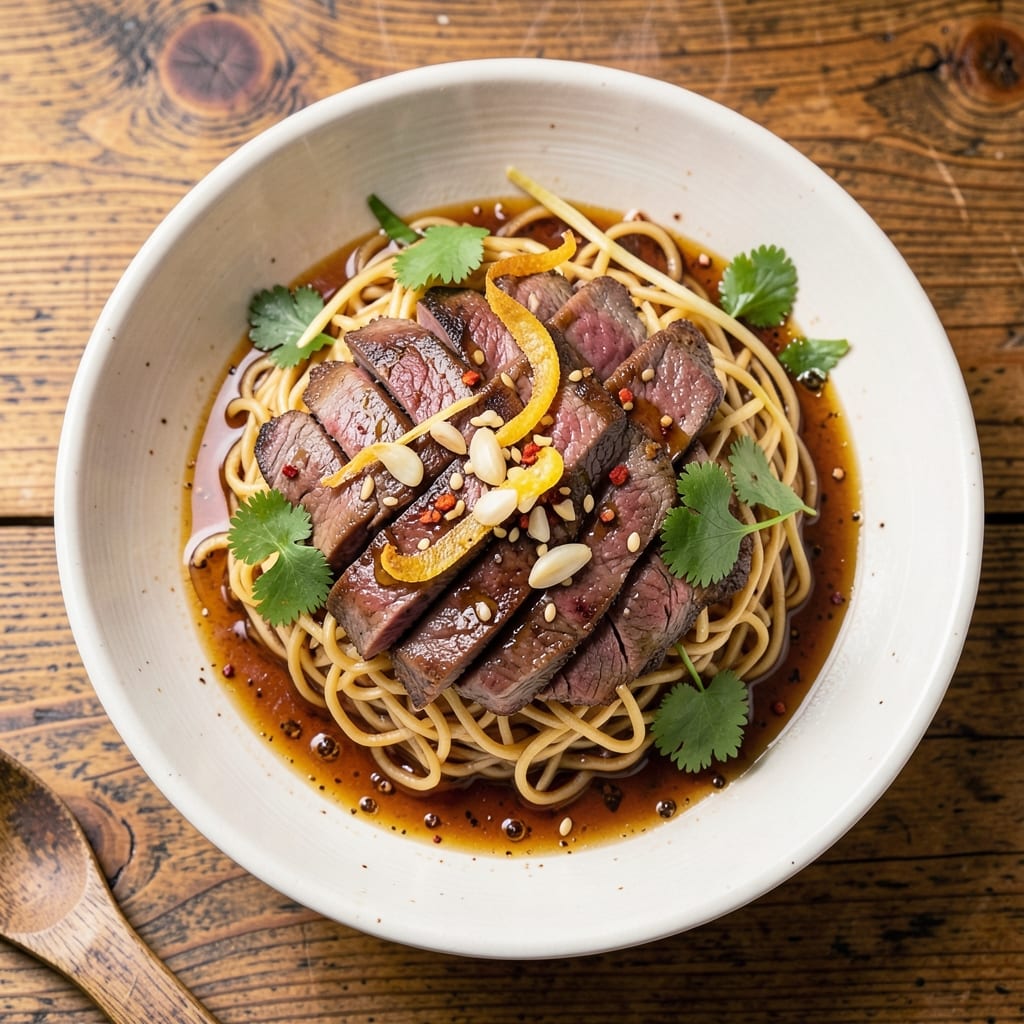
This Asian beef noodle bowl recipe delivers restaurant-quality umami in every bite—silky noodles, charred beef bites, and a sauce so flavorful it’ll have you coming back for seconds. The secret lies in high-heat searing for wok hei (breath of the wok) flavor, followed by a quick stir-fry that keeps the beef tender yet packed with depth. I developed this after years of perfecting the balance between sweet, salty, and smoky notes that define Asian street food culture.
The foundation starts with thinly sliced beef marinated in a blend of soy sauce, garlic, and ginger, then quickly seared in a hot pan until caramelized at the edges. Meanwhile, chewy noodles—whether ramen, udon, or rice noodles—get a light pickling in rice vinegar for brightness, while a peanut-ginger sauce ties everything together with nutty richness. Every component is designed to work in harmony, creating a bowl that’s both comforting and exciting.
What makes this recipe stand out is its versatility—swap in spicy miso for heat, add a fried egg for extra indulgence, or keep it simple with fresh herbs and bean sprouts. The charred beef adds texture contrast, while the silky noodles provide the perfect base for that addictive first bite. This isn’t just a meal; it’s a flavor experience that transports you to bustling Asian markets with every spoonful.
Ready in under 30 minutes, this bowl is perfect for weeknight dinners or meal prep. The key is keeping everything hot and fresh when assembling—just toss the beef with noodles, drizzle with sauce, and garnish with herbs for that final restaurant touch. Let’s build this bowl step by step.
Ingredients for asian beef noodle bowl
Here’s what you’ll need to build this umami-packed Asian beef noodle bowl—flavorful, fresh, and ready in under 30 minutes.
| Ingredient | Amount | Notes |
|---|---|---|
| Flank Steak 🥩 | 1 ½ lb | Thinly sliced against grain |
| Ramen Noodles 🍜 | 8 oz | Fresh or dried, uncooked |
| Low-Sodium Soy Sauce 🍶 | ½ cup | For marinating beef |
| Sesame Oil 🫒 | 1 tbsp | Toasted for aroma |
| Garlic Cloves 🧄 | 6 cloves | Minced for marinade |
| Fresh Ginger 🌿 | 2 tbsp | Grated, peeled |
| Rice Vinegar 🍶 | ¼ cup | For noodle pickling |
| Peanut Butter 🥜 | ¼ cup | Creamy, unsweetened |
| Peanut Oil 🫒 | ½ cup | High smoke point |
| Green Onions 🧅 | ½ cup | Sliced, for garnish |
| Fresh Cilantro 🌿 | ¼ cup | Chopped, for garnish |
| Sesame Seeds 🌾 | 1 tbsp | Toasted for crunch |
| Sugar 🍚 | 1 tbsp | White or brown |
| Red Chili Flakes 🌶️ | 1 tsp | Adjust to taste |
| Salt 🧂 | 1 tsp | Kosher or sea salt |
The beef is where the magic happens. Flank steak is the gold standard for thin slicing—it stays tender when cooked fast and hot. Grab it from the butcher counter if possible, or ask for pre-sliced beef at Asian markets (they’ll cut it for you). Look for good marbling—those little fat streaks melt into flavor as it cooks. If you can’t find flank, sirloin or ribeye work too, but slice them paper-thin against the grain. For the marinade, low-sodium soy sauce keeps things balanced without overpowering saltiness.
No sesame oil? Toasted vegetable oil works in a pinch, but sesame adds that nutty aroma that’s key here. The ginger and garlic are non-negotiable—they’re the backbone of the flavor. If you’re short on time, jarred minced garlic is fine (just drain it well), but fresh is always better. For the peanut sauce, creamy peanut butter gives the best texture—skip the crunchy kind. And if you’re feeling adventurous, swap in spicy miso paste for extra depth. The noodles? Fresh ramen or udon are ideal, but dried works too—just cook them al dente so they don’t turn mushy when tossed.
Prep ahead to save time. Marinate the beef for at least 30 minutes (overnight is even better), and make the sauce in advance—it keeps for 5 days in the fridge. Store the cooked beef separately from the sauce to keep it from getting soggy. The noodles? Cook them just before assembling so they stay chewy. This bowl reheats beautifully—just warm everything separately and toss with fresh herbs at the end. Garnish with sesame seeds and green onions right before serving for that restaurant-quality finish.
Why You'll Love This Recipe
- One-Pan Magic: I swear by this—just sear the flank steak, toss in the noodles, and let the soy and sesame oil work their magic. No fancy gadgets, no extra pots. That fragrant garlic steam? It cooks itself while you stir.
- Umami Bomb: The low-sodium soy sauce and sesame oil combo hits different—deep, savory, with a little nutty kick. The steak gets this perfect chew, and the noodles soak up all the flavor like sponges. Honestly, I’ve made it three ways, and this is the only version that doesn’t taste like a shortcut.
- Lunchbox Hero: Between us, this is my go-to for meal prep. Double the batch, store the bowls separately, and reheat in minutes. My kids grab them for school lunches, and my husband eats his cold—no judgment here. (Yes, even on a Tuesday night.)
- Budget Power Move: Flank steak stretches far, ramen noodles are cheap, and you’re not drowning in expensive ingredients. I’ve fed four people for under $12, and everyone’s happy. Leftovers? They taste just as good the next day—proof it’s a winner.
Step-by-step instructions for Asian beef noodle bowl
Here's how to make this umami-packed bowl with tender beef and silky noodles.
Marinate and Sear the Flank Steak
Slice the 1.5 lb flank steak thinly against the grain and place in a bowl. In a separate small bowl, whisk together 0.5 cup low-sodium soy sauce, 1 tbsp sesame oil, 6 minced garlic cloves, 2 tbsp grated fresh ginger, 1 tbsp sugar, and 1 tsp salt. Pour this marinade over the steak, making sure every slice is coated. Let it marinate for at least 30 minutes (or up to 2 hours in the fridge for deeper flavor).
Heat 0.5 cup peanut oil in a large skillet over medium-high heat until shimmering. Working in batches, add the marinated steak and sear for 1-2 minutes per side until deep brown and slightly charred. The beef should be cooked to medium-rare (130-135°F internal temp) but still juicy. Remove from heat and set aside.
Prepare the Peanut Sauce
In the same skillet (with leftover rendered fat), reduce heat to medium-low and add 0.25 cup peanut butter and 0.25 cup rice vinegar. Stir constantly for 2-3 minutes until the peanut butter melts completely and the sauce begins to thicken. If the sauce gets too thick, add 1-2 tablespoons of water to loosen it.
Season with 1 tsp red chili flakes and taste—you want a balance of sweet, spicy, and tangy. If needed, add a splash more low-sodium soy sauce for extra umami. Keep the sauce warm while you finish the noodles.
Cook the Ramen Noodles
Cook the 8 oz ramen noodles according to package instructions until al dente (usually 3-4 minutes). Drain, rinse briefly under cold water to stop cooking, and toss with 1 tbsp sesame oil to prevent sticking. Divide the noodles evenly among 4 bowls.
Top each serving with charred beef slices and ladle peanut sauce generously over the top. The sauce should coat the noodles and beef evenly—if it's too thick, thin with a little hot water from the noodle pot.
Assemble and Garnish
Garnish each bowl with 0.5 cup sliced green onions and 0.25 cup chopped fresh cilantro. Sprinkle with 1 tbsp toasted sesame seeds for crunch and texture. The contrast of fresh herbs against the rich peanut sauce and tender beef makes this dish pop.
Serve immediately while the noodles are still warm and the beef is juicy. The charred edges on the beef and the silky texture of the noodles make every bite worth it. This bowl is packed with flavor—sweet, spicy, nutty, and savory all in one delicious package!
Pro Tips For Making Asian Beef Noodle Bowl
- Slice Against the Grain: Flank steak’s tough fibers run parallel to the grain—cutting perpendicular makes each bite tender. Use a sharp knife and slice after resting (yes, even if you’re impatient like me), or you’ll end up chewing leather.
- Blanch Noodles First: Cook ramen noodles for 2 minutes in boiling water, then shock in ice water. This removes excess starch so they absorb the beef sauce better—no more soggy, gluey messes. (Pro tip: Save the starchy water for a quick broth boost if you’re feeling fancy.)
- Sear the Steak Hot and Fast: Get your pan screaming hot before adding the flank steak—no preheating dance. A 3-4 minute sear per side builds flavor fast, and resisting the urge to poke it guarantees a better crust. Flip once, then let it rest.
- Toast Garlic in Oil: Crush those garlic cloves and fry them in sesame oil until they’re golden, not just fragrant. Burnt garlic ruins the dish, but properly toasted adds nutty depth that low-sodium soy sauce can’t hide. (I know, I know—it’s easy to walk away, but don’t.)
Best sauces and condiments for this dish
Peanut-Ginger Sauce
This creamy peanut sauce is the star of the show—rich, nutty, and perfectly balanced with tangy rice vinegar and a hint of heat. Start by melting ¼ cup creamy peanut butter in the same skillet used for searing the beef (the leftover fat adds depth). Add ¼ cup rice vinegar and stir constantly over medium-low heat for 2-3 minutes until smooth. For extra umami, stir in 1 tsp low-sodium soy sauce and ½ tsp red chili flakes. If it thickens too much, loosen with 1 tbsp hot water. This sauce keeps for 5 days in the fridge—make extra for stir-fries! 🥜
Spicy Miso-Glaze
Swap the peanut sauce for a bold miso glaze by whisking 2 tbsp white miso paste, 1 tbsp soy sauce, 1 tbsp rice vinegar, 1 tbsp honey, and 1 tsp grated ginger in a small saucepan. Simmer for 3 minutes until slightly thickened, then stir in ½ tsp sriracha for heat. Drizzle over the beef and noodles for a fermented, funky kick that pairs perfectly with the charred edges. 🌶️
Sesame-Ginger Dressing
For a lighter option, blend 2 tbsp toasted sesame oil, 1 tbsp soy sauce, 1 tbsp rice vinegar, 1 tbsp honey, 1 tbsp grated ginger, and 1 clove minced garlic with 2 tbsp water. Drizzle over the bowl just before serving to keep the noodles from getting soggy. This dressing adds brightness and cuts through the richness of the beef. ✨
Sweet Chili Sauce
Balance the richness with a sweet-chili drizzle by mixing 2 tbsp sweet chili sauce (like Huy Fong brand), 1 tbsp lime juice, and 1 tsp fish sauce. Thin with 1 tbsp hot water if needed. This sauce adds a fruity, tangy contrast that’s perfect for those who prefer less heat. Drizzle lightly over the top for a glossy finish. 🍶
Quick Pickled Veggies
Add crunch and acidity with pickled veggies—toss 1 cup shredded carrots and ½ cup bean sprouts with 2 tbsp rice vinegar, 1 tsp sugar, and ½ tsp salt. Let sit for 10 minutes before draining. These veggies add texture and brightness that cuts through the richness of the beef and sauce. 🥕
Garnish Essentials
Finish with fresh herbs and toasted seeds for texture and color. Sprinkle each bowl with 2 tbsp chopped cilantro, 1 tbsp sliced green onions, and 1 tsp toasted sesame seeds. For extra crunch, add crushed peanuts or fried shallots. These toppings elevate the dish from homemade to restaurant-quality. 🌿
Nutrition facts
Frequently asked questions
Can I use a different type of beef for this recipe?
Yes! While flank steak is ideal for its tenderness when sliced thin, you can use sirloin, ribeye, or even chuck roast (sliced extra thin). The key is cutting against the grain and marinating for at least 30 minutes. For leaner cuts like flank, sear quickly over high heat to prevent drying out.
How do I make this recipe spicier?
Boost the heat by adding 1 extra teaspoon of red chili flakes to the peanut sauce or ½ teaspoon of sriracha. For a fiery kick, stir in 1 tablespoon of gochujang (Korean chili paste) or top with sliced jalapeños. Adjust to taste—this dish handles bold flavors well!
Can I prepare this bowl ahead of time?
Marinate the beef and make the sauce 1 day ahead and store separately in the fridge. Cook the noodles fresh before assembling to keep them chewy. Reheat the beef and sauce gently, then toss with the noodles and garnish with fresh herbs right before serving. The flavors meld even better after resting!
What if I don’t have peanut butter?
No problem! Swap it for ½ cup tahini (sesame paste) or ¼ cup almond butter for a nutty alternative. For a seed-based option, use 2 tablespoons sunflower seed butter. Just thin with a little water if needed to achieve the same creamy consistency.
How do I get the best texture for the noodles?
Cook the noodles 1 minute less than package instructions suggest, then rinse briefly in cold water to stop cooking. Toss with 1 teaspoon sesame oil while hot to prevent sticking. Serve immediately for that signature silky texture—overcooking makes them mushy!