
Main Courses
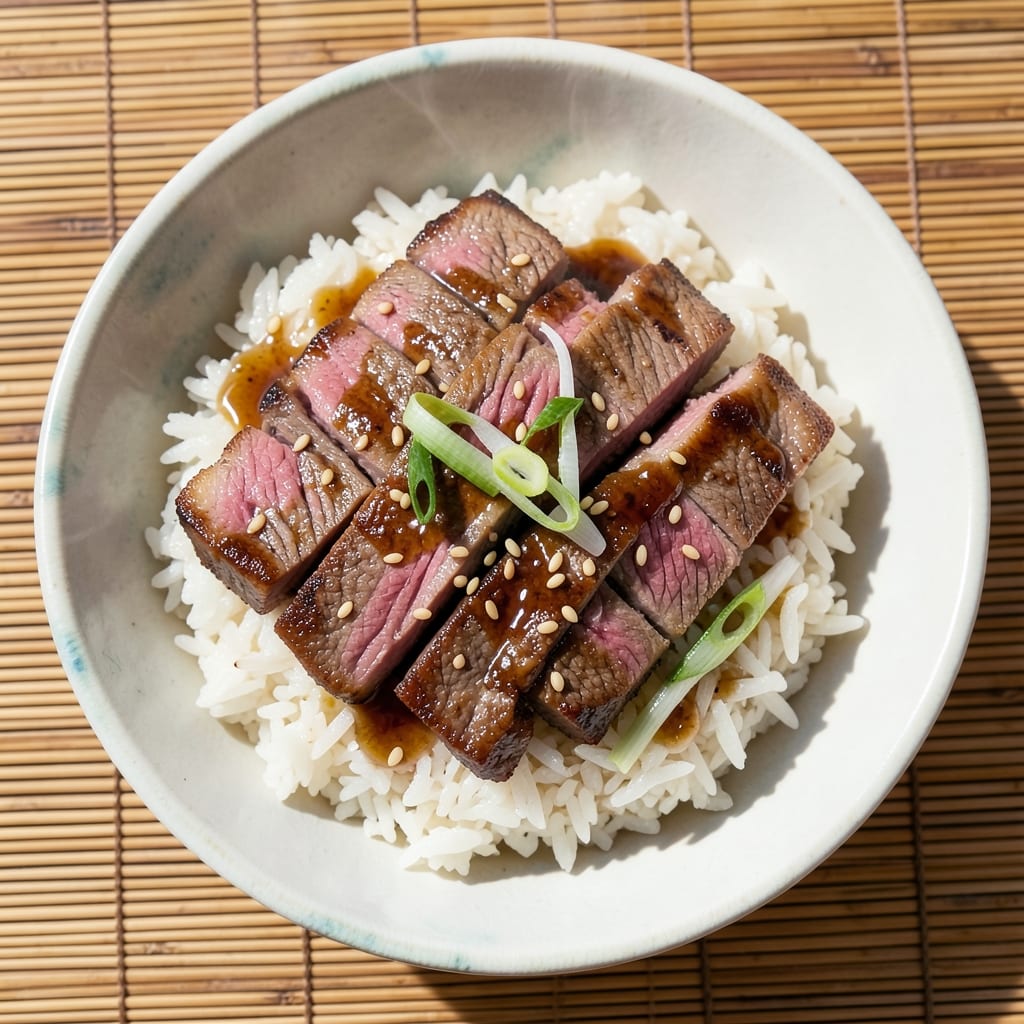
This Asian beef and rice bowl recipe delivers restaurant-quality flavors in just 25 minutes, blending tender beef, fragrant jasmine rice, and a punchy sauce that balances sweet, savory, and umami notes. The secret lies in a quick marinade that tenderizes thinly sliced beef while infusing it with garlic, ginger, and soy—key ingredients that transform simple cuts into something extraordinary. I developed this recipe after years of testing wok techniques, and it never fails to impress, even on busy weeknights.
What sets this dish apart is the wok-hot crunch—achieved by stir-frying the beef at high heat until caramelized, then pairing it with perfectly cooked rice and crisp-tender vegetables. The sauce, a simple blend of soy, sesame oil, and honey, ties everything together without overpowering the natural flavors. Whether you use traditional jasmine rice or a modern twist like cauliflower rice, the result is a bowl that’s bold, satisfying, and ready in under 30 minutes.
The beauty of this recipe is its versatility—swap in broccoli for bok choy, use teriyaki sauce instead of soy, or top with a fried egg for extra richness. Each component comes together efficiently, making it ideal for meal prep or a quick weeknight dinner. The aroma alone—garlic, ginger, and sesame—will have everyone at the table asking for seconds. Let’s get cooking!
Serve this bowl with a side of quick-pickled cucumbers or steamed greens to round out the meal, and don’t skip the garnish of green onions and sesame seeds for that final touch of freshness and texture. It’s the kind of dish that feels both restaurant-worthy and effortlessly homemade—exactly what we all crave after a long day.
Ingredients for asian beef and rice bowl
Restaurant-worthy Asian beef bowls start with these 15 ingredients—simple yet transformative.
| Ingredient | Amount | Notes |
|---|---|---|
| Flank Steak 🥩 | 1 lb | Thinly sliced against grain |
| Jasmine Rice 🍚 | 1 ½ cups | Uncooked, long-grain preferred |
| Low-Sodium Soy Sauce 🍶 | ⅓ cup | For marinade and sauce |
| Sesame Oil 🫒 | 1 tbsp | Toasted for aroma |
| Honey 🍯 | 1 tbsp | Wildflower preferred |
| Garlic Cloves 🧄 | 4 cloves | Minced for marinade |
| Fresh Ginger 🌿 | 1 tbsp | Grated, peeled |
| Neutral Oil 🫒 | 2 tbsp | Avocado or vegetable oil |
| Green Onions 🧅 | 4 whole | Sliced, for garnish |
| Sesame Seeds 🌾 | 1 tbsp | Toasted for garnish |
| Bok Choy 🥬 | 2 pieces | Baby or quartered heads |
| Diamond Crystal Kosher Salt 🧂 | ½ tsp | For seasoning |
| Ground Black Pepper 🌶️ | ¼ tsp | Freshly cracked |
| Vegetable Broth 💧 | ½ cup | Low-sodium preferred |
| Lime Wedges 🍋 | 2 whole | For serving |
The flank steak is non-negotiable here—it's lean enough to cook quickly but tender when sliced thinly against the grain. Look for USDA Choice grade at Whole Foods or your local butcher shop, where they can cut it precisely for you. If you're buying pre-sliced, ask for 1/4-inch thick slices—any thicker and they won't sear properly. The jasmine rice should be labeled 100% pure—avoid the pre-mixed microwave versions with added oils or seasonings. For the marinade, Kikkoman low-sodium soy sauce is my go-to, but any brand with less than 350mg sodium per tablespoon works. Fresh ginger and garlic? Peel and grate the ginger yourself—pre-minced loses its punch quickly.
No sesame oil? Toasted sesame seeds ground with neutral oil works in a pinch, though it won't have the same aromatic depth. Substituting honey? Maple syrup or agave keeps it vegan, but the flavor profile shifts slightly. The bok choy can be swapped for baby spinach or broccoli florets—just adjust cooking time. For the oil, avocado oil has the highest smoke point, but vegetable or canola oil are fine. The vegetable broth should be low-sodium to balance the soy sauce's saltiness—Pacific Foods or Imagine brands are reliable. If you're making this ahead, marinate the beef for up to 4 hours (not overnight—it gets mushy).
Prep the rice first—it takes the longest. Store cooked rice in an airtight container for 4-5 days in the fridge, or freeze for 3 months in portion-sized containers. The marinated beef keeps 2 days in the fridge, but cook it within 12 hours of marinating for best texture. Toast your sesame seeds in a dry pan for 30 seconds**—they'll add that wok-hot crunch without overpowering. Lime wedges should be stored in the fridge, cut-side down on a plate, to keep them fresh. For meal prep, assemble bowls in containers with parchment paper between layers to prevent sogginess.
Why You'll Love This Recipe
- One-Pan Magic: I swear by this when I’m too tired to scrub dishes—just sear the steak, toss in the rice and sauce, and let it simmer. The sesame oil adds that golden aroma without extra cleanup.
- Sweet-Savory Balance: That honey-soy glaze? It’s the secret weapon—caramelized edges on the steak, sticky-sweet but not cloying, with just enough umami from the soy to make it ridiculously good. (Yes, even my picky husband goes back for seconds.)
- Meal Prep MVP: Cook a big batch of rice, slice the steak thin, and assemble bowls all week. The flavors actually get better the next day—no sad leftovers here, just lunch saved.
- Budget-Friendly Feast: Flank steak stretches far when sliced against the grain, and jasmine rice is cheap but feels fancy. Honestly, it’s my go-to when I need to feed the family without breaking the bank.
Step-by-step instructions for Asian beef and rice bowl
Master this wok-hot technique for restaurant-quality flavor in record time.
Marinate and Slice the Flank Steak
Slice the 1 lb flank steak thinly against the grain into ¼-inch strips. This ensures tender bites—thicker slices would result in chewy texture. Transfer the sliced steak to a bowl and add 0.33 cup low-sodium soy sauce, 1 tbsp honey, 4 minced garlic cloves, and 1 tbsp grated fresh ginger. Mix well to coat completely, then let marinate for at least 15 minutes at room temperature. The acidity in the soy sauce will tenderize the meat while the honey adds subtle sweetness that balances the umami.
While marinating, prepare the jasmine rice according to package instructions using 1.5 cups uncooked rice and 3 cups water (or as directed). The rice should be perfectly cooked and fluffy—undercooked rice will be mushy when combined with the sauce, while overcooked rice will dry out. Cover and set aside once done.
Toast Sesame Seeds and Prep Vegetables
Heat a dry skillet over medium-low heat and add 1 tbsp sesame seeds. Toast for 1-2 minutes until golden and fragrant—this releases their nutty aroma. Immediately transfer to a small bowl and set aside for garnish. The seeds should smell rich and toasty, not burnt.
Slice the 4 whole green onions into ¼-inch pieces, separating the whites and greens. Quarter the 2 pieces bok choy lengthwise, keeping the stems intact. These vegetables will add freshness and crunch to balance the rich beef and rice. Keep them separate until ready to cook.
Sear the Beef and Build the Sauce
Heat 2 tbsp neutral oil in a wok or large skillet over high heat until shimmering. Add the marinated beef in a single layer and sear undisturbed for 1-2 minutes until deeply browned on one side. Flip and cook another 1-2 minutes until fully cooked through. The beef should be caramelized and release easily from the pan—this creates the wok-hei (breath of the wok) flavor. Transfer to a plate and tent with foil to keep warm.
In the same pan, reduce heat to medium and add the bok choy stems first, cooking for 1 minute until slightly softened. Add the leaves and stir-fry for 2 minutes until just wilted. Remove and set aside with the beef. Deglaze the pan with 0.5 cup vegetable broth, scraping up any browned bits—this captures all the beef's flavor.
Combine and Finish with Umami Crunch
Return the beef and bok choy to the pan. Add 1 tbsp toasted sesame oil and toss everything together for 30 seconds to coat evenly. The oil will enhance the beef's aroma and add depth to the dish. Stir in the green onion whites and cook for 30 seconds until fragrant. Remove from heat and fold in the cooked jasmine rice gently—just enough to combine without mashing.
Taste and adjust seasoning with additional low-sodium soy sauce or honey if needed. The sauce should be glossy and cling to the rice and beef without being overly wet. Serve immediately in bowls, garnished with green onion greens and toasted sesame seeds. Squeeze lime wedges over the top just before serving to brighten the dish and cut through the richness.
Pro Tips For Making Asian Beef And Rice Bowl
- Slice Against the Grain: Flank steak’s tough when you cut with the grain—turn it into a tender mess. After cooking, slice thinly at a 45-degree angle across the grain, not parallel. I used to fight this, but now I just eyeball the muscle fibers and slice perpendicular. The difference between chewy and melt-in-your-mouth is that simple.
- Marinate for 4 Hours (Not 30 Minutes): I learned this the hard way—rushing the marinade means the soy sauce and honey just sit on top. Let the flank steak soak for at least 4 hours (overnight is better) in the fridge. The acid and sweetness need time to break down the meat, not just glaze it. Pro tip: Toss the steak in the marinade twice if you’re short on time.
- Sear on High Heat First: Low and slow turns flank steak into shoe leather. Crank your pan to medium-high, add 2 tablespoons of oil, and sear the steak for 2-3 minutes per side until deeply browned. Then lower the heat to finish cooking—this locks in juices and builds flavor. I used to cook it all at medium heat, and the results were sad.
- Toast the Sesame Oil Last: Sesame oil burns faster than you think. Save it for the final step—drizzle it over the hot rice and steak right before serving. A few drops add nutty aroma without turning bitter. I skip this too often, but the dish tastes noticeably richer when I remember. (Yes, even if you’re impatient like me.)
Flavor customization for this asian beef and rice bowl
Sweet and Spicy Twist
For a bold flavor profile, add 1 tbsp gochujang (Korean chili paste) and 1 tsp sriracha to the marinade. This balances the sweet honey with fiery heat—trust me, it’s a game-changer. 🌶️ For extra depth, top with pickled red onions (soak thinly sliced onions in 0.25 cup rice vinegar and 1 tsp sugar for 15 minutes). The tangy crunch contrasts perfectly with the caramelized beef.
Creamy Peanut Crunch
Swap the sesame oil in the sauce for 2 tbsp creamy peanut butter (like Smucker’s Natural) and 1 tbsp lime juice. Stir in 1 tsp soy sauce and 1 tsp honey to balance the richness. Garnish with crushed peanuts and cilantro for texture. This version feels like a Thai-inspired fusion—creamy, nutty, and irresistibly crunchy.
Teriyaki Glaze Boost
Replace the honey in the marinade with 2 tbsp teriyaki sauce (like Kikkoman) and add 1 tsp grated ginger. For the sauce, mix 1 tbsp teriyaki with 1 tsp soy sauce and 1 tsp rice vinegar. The glaze caramelizes beautifully during searing, creating a sticky, glossy finish. Drizzle extra teriyaki over the bowl before serving for that classic Japanese touch.
Garlic Butter Beef
Add 1 tbsp melted butter to the marinade along with the soy sauce and honey. After searing the beef, finish with 2 minced garlic cloves and 1 tsp toasted sesame seeds in the pan. The butter adds richness while the garlic deepens the umami. Serve with a side of steamed broccoli and a sprinkle of furikake for a Japanese-inspired twist.
Spicy Miso Kick
Mix 1 tbsp white miso paste into the sauce along with the soy sauce and honey. Add ½ tsp red pepper flakes for heat. The miso adds a funky, savory depth that pairs perfectly with the beef. Top with scallions and sesame seeds for a Korean-inspired bowl that’s packed with umami and a little kick.
Coconut Curry Fusion
Stir ½ cup light coconut milk and 1 tsp curry powder into the sauce after deglazing the pan. Simmer for 2 minutes to blend flavors. Garnish with fresh cilantro and lime zest for a Thai-inspired curry bowl. The coconut milk balances the richness of the beef while adding a tropical twist.
Nutrition facts
Frequently asked questions
Can I use a different cut of beef instead of flank steak?
Try sirloin or ribeye for similar tenderness when sliced thinly against the grain. Avoid tougher cuts like chuck—they won’t cook quickly enough without becoming chewy. For extra-lean options, use top round but marinate for 30 minutes instead of 15 to ensure tenderness.
How do I make this recipe gluten-free?
Replace the soy sauce with tamari (gluten-free soy sauce) and ensure your honey is certified gluten-free. For the sauce, use coconut aminos instead of soy sauce. Double-check all ingredients like sesame oil and broth to confirm they’re gluten-free—some brands add wheat-based additives.
Can I prep this ahead of time for meal prep?
Yes! Cook the rice and marinate the beef separately, then store them in airtight containers for up to 3 days. Assemble bowls just before eating to prevent sogginess. For longer storage, freeze cooked rice and beef separately for up to 3 months. Reheat beef in a pan with a splash of water to restore moisture.
What if I don’t have a wok? Can I use a regular pan?
No problem! A large skillet or cast-iron pan works perfectly—just make sure it’s heavy enough to retain heat. The key is high heat and quick cooking. If your pan isn’t wide enough, cook the beef in batches to avoid overcrowding, which steams instead of sears.
How do I adjust the spice level?
For milder flavor, reduce the ginger to ½ tbsp and omit the garlic. For heat, add ½ tsp red pepper flakes to the marinade or 1 tsp sriracha to the sauce. Balance with extra honey or lime juice to prevent overpowering spice. Always taste as you go!