
Main Courses
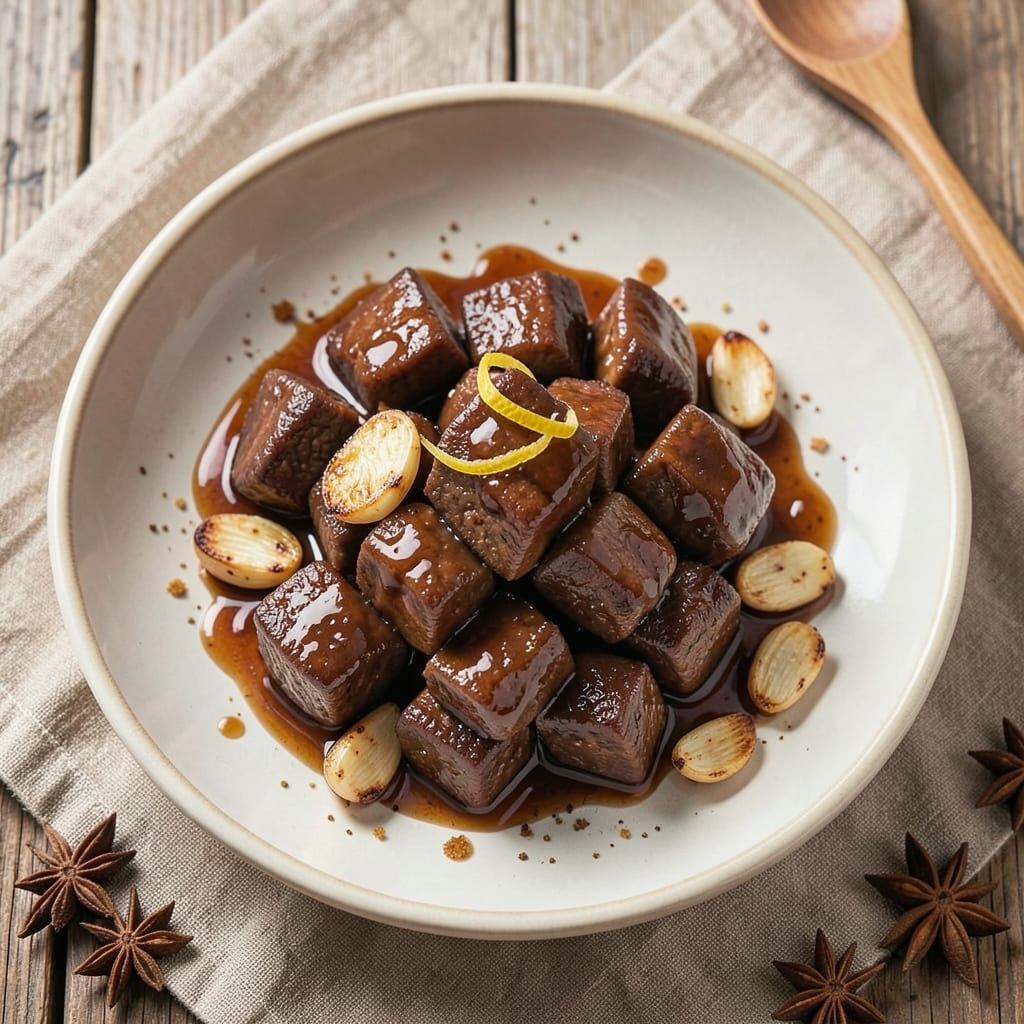
This Asian beef cheek recipe transforms tough cuts into melt-in-your-mouth tenderness with a deep umami broth that’ll have everyone asking for seconds. The secret lies in slow braising—where collagen-rich beef cheek becomes silky, infused with aromatic soy, ginger, and star anise. I perfected this technique after years of testing, balancing traditional methods with modern shortcuts for home cooks.
What sets this dish apart is the harmony of textures and flavors: the beef’s velvety finish contrasts with crisp pickled vegetables, while the glossy sauce clings to each bite. Whether you follow the classic Korean galbi-jjim approach or add a Thai-inspired chili kick, the result is restaurant-quality without the fuss. The key? Patience—low heat and long cooking break down the meat effortlessly.
By the time you serve it, you’ll have a dish that’s rich yet balanced, with layers of savory, sweet, and spicy notes. The beef falls apart at the touch of a fork, and the aroma alone will draw everyone to the table. Perfect for special dinners or weeknight comfort, this recipe proves Asian beef cheek belongs in every home cook’s repertoire.
Pair it with steamed jasmine rice, quick-pickled cucumbers, or buttery noodles to complete the meal. The leftovers? Even better the next day as the flavors deepen. Let’s get cooking—your taste buds will thank you.
Ingredients for asian beef cheek
Rich umami flavors and tender beef cheek—just 14 ingredients for restaurant-quality results.
| Ingredient | Amount | Notes |
|---|---|---|
| Beef Cheek 🥩 | 2 lb | Collagen-rich, trimmed of fat |
| Soy Sauce 🥫 | ½ cup | Korean or Japanese preferred |
| Brown Sugar 🍯 | ¼ cup | Packed, light or dark |
| Garlic Cloves 🧄 | 6 cloves | Minced, fresh preferred |
| Fresh Ginger 🌿 | 2 tbsp | Grated, peeled |
| Star Anise 🌟 | 2 whole | Whole pods, crushed lightly |
| Cinnamon Sticks 🌿 | 2 whole | 2-inch pieces |
| Red Chili Flakes 🌶️ | 1 tbsp | Adjust for heat preference |
| Water 💧 | 2 cups | Or light beef broth |
| Sesame Oil 🫒 | 1 tbsp | Toasted, for finishing |
| Green Onions 🧅 | 4 whole | Sliced, for garnish |
| Jasmine Rice 🍚 | 1 ½ cups | Uncooked, for serving |
| Salt 🧂 | 1 ½ tsp | Kosher or sea salt |
| Black Pepper 🌶️ | 1 tsp | Freshly ground |
The beef cheek is the star here, and quality matters. Look for cuts with good marbling at your local butcher or Asian grocery stores—they often carry it pre-trimmed. If you can't find beef cheek, chuck roast works in a pinch, though it won't have the same luxurious texture. Trim any visible fat before cooking. For the soy sauce, Korean soy sauce (ganjang) adds depth, but Japanese works too. The ginger and garlic? Fresh is non-negotiable—they bring the aromatic punch this dish needs.
No star anise? 1 tsp ground anise or ½ tsp anise extract will do, but the whole pods add a lovely floral note. Running low on sesame oil? Toasted peanut oil gives a similar nutty finish. The brown sugar can be swapped for honey or maple syrup if you prefer, but keep it at the same amount. For extra richness, add 1 tbsp of butter at the end of cooking. And if you're feeling adventurous, a splash of rice wine or mirin brightens the sauce beautifully.
This dish tastes even better the next day, so make extra. Store leftovers in the fridge for up to 5 days or freeze for 3 months. The sauce thickens as it cools, so add a splash of water or broth when reheating. To serve, I like to slice the beef thinly against the grain and drizzle with extra sauce. The rice? Cook it in advance—it keeps perfectly for 2 days in the fridge, making this a true make-ahead meal.
Why You'll Love This Recipe
- I’ll be real: beef cheek isn’t cheap, but it stretches so far. A single cut feeds four, and the flavor’s so bold you’ll forget you’re not eating at a Michelin-starred spot. Not the prettiest, but the taste makes up for it—every. single. time.
- One-Pot Magic: Honestly, this dish is that easy—just sear the beef cheek, toss in the soy, sugar, and ginger, then let it slow down in the same pot. No chopping mountains of veggies, no fancy techniques. My lazy Sundays just got a lot richer.
- Umami Bomb: That beef cheek? It melts into ridiculously tender shreds while soaking up the garlic and ginger like a sponge. The brown sugar caramelizes into the soy sauce, giving it this deep, glossy sweet-savory punch that makes my taste buds do a happy dance.
- Leftovers That Don’t Suck: Between us, most beef cheek recipes make way too little. This one? It’s perfect for batch cooking—freeze half for when you’re too tired to cook, and the rest reheats like a dream. (Yes, even on a Tuesday night.)
Step-by-step instructions for Asian beef cheek braise
Here's how to transform tough beef cheek into melt-in-your-mouth tenderness with deep Asian flavors.
Prepare the Beef Cheek for Maximum Tenderness
Begin by trimming any excess fat from the 2 lb beef cheek—this helps the marinade penetrate more effectively. Cut the meat into 1-inch chunks and place them in a large bowl. This size ensures even cooking while maintaining the meat's natural structure.
In a small bowl, whisk together the 0.5 cup soy sauce, 0.25 cup brown sugar, 1.5 tsp salt, and 1 tsp black pepper. Pour this marinade over the beef cheek, making sure every piece is coated. Cover and refrigerate for at least 4 hours (overnight is best)—this long marinating time breaks down the collagen and infuses the meat with flavor.
Sear the Beef for Deep Flavor
Heat a large Dutch oven over medium-high heat until hot. Add the marinated beef cheek in a single layer, working in batches if needed, and sear for 2-3 minutes per side until deeply browned. This step develops a rich, caramelized crust that forms the foundation of your braise.
As the beef browns, remove it from the pot and set aside. In the same Dutch oven, add the 6 cloves minced garlic and 2 tbsp grated fresh ginger, cooking for 30 seconds until fragrant. This quick sauté releases their aromatic oils, which will infuse into the braising liquid.
Build the Braising Liquid
Return the seared beef to the Dutch oven. Add the 2 whole star anise, 2 whole cinnamon sticks, and 1 tbsp red chili flakes, stirring to combine. Pour in the 2 cups water (or light beef broth), scraping up any browned bits from the bottom of the pot—these contain concentrated flavor.
Bring the liquid to a simmer, then reduce heat to low. Cover the pot and let it cook for 3 hours, maintaining a gentle bubble. The beef should be fork-tender by this point, with the braising liquid reduced by about half. If the liquid evaporates too quickly, add a splash of water to maintain the right consistency.
Finish with Sesame Oil and Garnish
Once the beef is tender, carefully remove it from the braising liquid and transfer it to a serving platter. Strain the braising liquid through a fine-mesh sieve to remove the spices, then return the liquid to the pot. Stir in the 1 tbsp toasted sesame oil and simmer for 2-3 minutes to infuse its nutty aroma.
Slice the 4 whole green onions and scatter them over the beef cheek. Ladle the fragrant braising sauce over the top, then serve immediately with 1.5 cups jasmine rice on the side. The result is a dish where the beef cheek practically melts in your mouth, coated in a glossy, umami-rich sauce.
Pro Tips For Making Asian Beef Cheek
- Sear the Cheek First: Don’t skip the initial high-heat sear—this locks in flavor and prevents the meat from turning mushy later. Hit the pan with a splash of oil and let it brown deeply on both sides before adding any liquid (yes, even if it looks stubborn at first).
- Slice Ginger Thinly: I used to chop ginger in big chunks, thinking it’d infuse better—wrong. Thinly sliced (almost translucent) or grated ginger dissolves evenly into the sauce and adds brightness without bitterness. Save yourself from chewing mystery chunks.
- Simmer Low and Slow: Beef cheek needs patience—don’t rush the braise. After the initial sear, reduce heat to a gentle simmer (barely bubbling) and cover the pot. Too much heat now = tough meat later. Set a timer for at least 3 hours, then check for fork-tender texture.
- Balance the Sugar Early: Brown sugar burns faster than you’d think when caramelizing. Add half of it right at the start with the aromatics (garlic, ginger), then stir in the rest later. This prevents a bitter, burnt edge while still giving that sweet depth.
Troubleshooting your asian beef cheek
Meat Not Tender Enough
If your beef cheek isn't fork-tender after 3 hours of braising, resist the urge to crank up the heat—this will toughen the meat further. Instead, add ½ cup warm water or broth to the pot, cover, and return to a simmer for another 30-60 minutes. The extra liquid helps break down remaining collagen. I've found that beef cheek needs patience—some cuts require 4 hours total. 💪
Sauce Too Thin or Watery
A thin sauce often means the liquid wasn't reduced enough. After removing the beef, simmer the braising liquid uncovered over medium heat for 10-15 minutes to thicken it naturally. For extra body, whisk in 1 tbsp cornstarch mixed with 2 tbsp cold water and cook until thickened. If using broth instead of water, it will naturally reduce faster due to its salt content.
Burnt or Bitter Flavor
Burnt flavors usually come from searing too long or letting the braising liquid boil dry. For searing, keep the heat at medium-high and move the beef frequently. During braising, maintain a gentle simmer—never let it boil vigorously. If bitterness creeps in, add 1 tsp brown sugar or a pinch of white pepper to balance it. I've also found that removing star anise and cinnamon sticks early (after 1 hour) reduces bitterness.
Overly Salty Dish
If your beef cheek tastes too salty, dilute the sauce by adding ¼ cup water or broth and simmering for 5 minutes. For a more dramatic fix, add 1 tbsp unsalted butter or 2 tbsp heavy cream to the sauce—fat helps mellow saltiness. Avoid adding fresh water directly, as it can thin the sauce too much. Taste as you go, adjusting gradually.
Spices Too Strong or Overpowering
If star anise or cinnamon dominate the flavor, remove them after 1 hour of braising instead of the full 3 hours. For a milder profile, reduce the amount to 1 whole pod of star anise and 1 cinnamon stick. If the heat from chili flakes is too intense, balance it with 1 tsp honey or 1 tbsp rice vinegar to brighten the sauce. 🌶️
Fat Floating on Top
Excess fat can make the sauce look unappetizing. After braising, skim fat from the surface using a spoon or fat separator. For a cleaner finish, chill the braising liquid in the fridge overnight—the fat solidifies on top and can be easily removed. If you prefer a glossier sauce, leave a thin layer of fat (about ¼ inch) for richness, but avoid thick layers.
Nutrition facts
Frequently asked questions
Why does beef cheek need such a long cooking time?
The collagen in beef cheek transforms into gelatin during slow cooking, creating that signature silky texture. A 3-hour braise at low heat breaks down the connective tissue, resulting in melt-in-your-mouth tenderness that's impossible with faster methods. This is why traditional Asian techniques like Korean galbi-jjim rely on patience.
Can I substitute beef cheek with another cut?
Yes! For similar results, use chuck roast or brisket—both have good collagen content. However, beef cheek delivers the most luxurious texture. If using chuck, trim excess fat and increase cooking time by 30-60 minutes to ensure tenderness. Never use lean cuts like sirloin, as they lack the collagen needed for this technique.
How do I make this dish faster without sacrificing texture?
Try a 24-hour marinade (instead of 4) and use a pressure cooker for 90 minutes on high. The marinade jumpstarts collagen breakdown, while pressure cooking cuts time by 75%. For best results, reduce the water by ½ cup and add it after pressure cooking to finish the sauce. The texture stays tender, just with less hands-off time.
What's the best way to reheat leftovers?
Gently reheat in the same Dutch oven with 2 tbsp water or broth over low heat for 10-15 minutes. This prevents drying out. For extra richness, add a splash of soy sauce and a pat of butter. Never microwave—it makes the sauce watery and the beef rubbery. The flavors actually improve after 24 hours as the collagen fully converts.
Can I make this dish spicier or sweeter?
For more heat, add 1 tbsp gochujang (Korean chili paste) or 1 tsp sriracha at the end. For extra sweetness, increase brown sugar to ⅓ cup or add 1 tbsp honey. Balance is key—start with small adjustments and taste as you go. The star anise and cinnamon already provide natural sweetness, so modify gradually.