
Main Courses
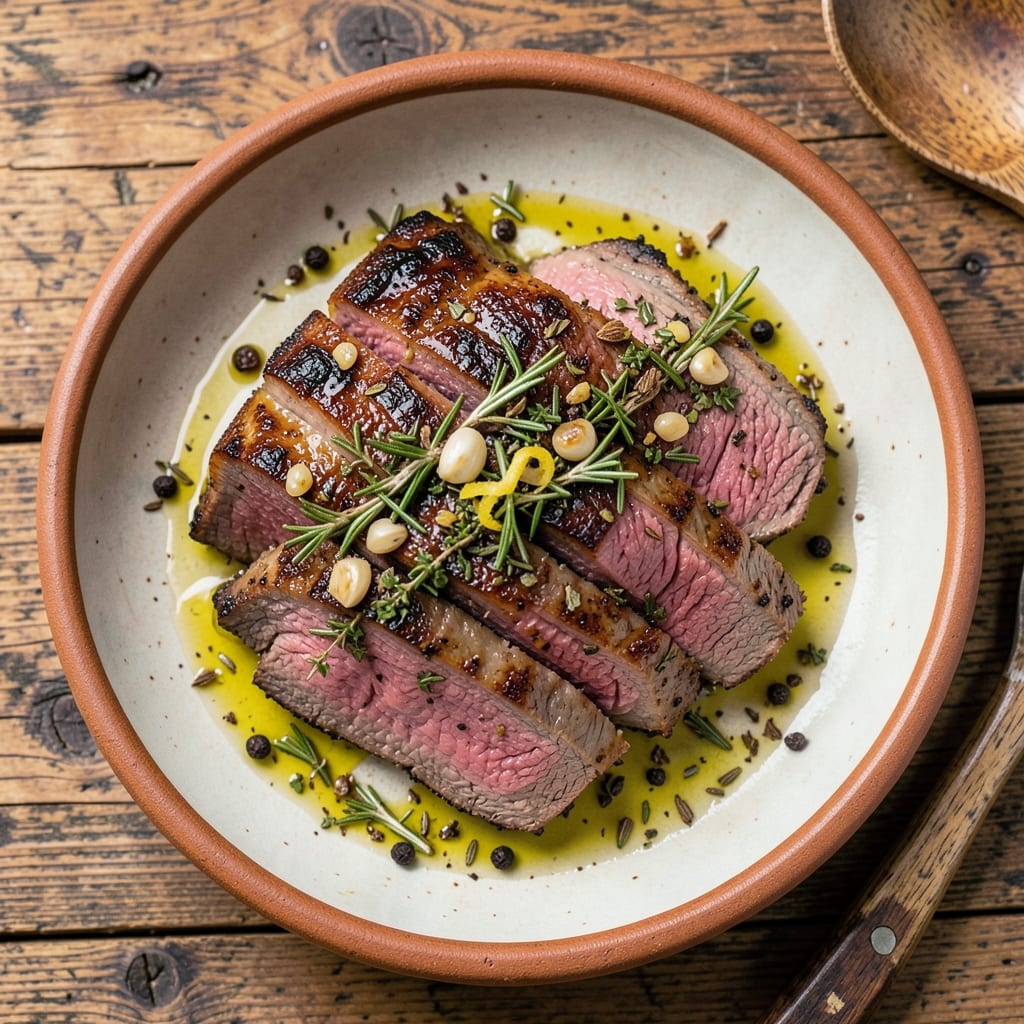
This Arts Italian roast beef recipe delivers restaurant-quality results with a slow-simmered technique that transforms tough cuts into melt-in-your-mouth perfection. The secret lies in a herbed crust that locks in juices while creating a caramelized exterior worthy of a Tuscan trattoria. After years of perfecting this method, I can confidently say this is the only roast beef recipe you’ll ever need for Sunday dinners or special occasions.
The process begins with a dry-brine marinade that enhances tenderness, followed by a slow roast that develops deep, savory flavors. Unlike quick-cook methods, this technique ensures the beef remains juicy at the center while achieving that coveted crust. The herbed crust isn’t just for show—it’s what creates that signature Italian flavor profile, balancing rich beef with bright, aromatic herbs.
By the time you carve into this roast, you’ll be rewarded with perfectly pink centers, rich marbling, and a crust that’s crisp enough to hold its shape. The aroma alone will have everyone gathering at the table, and the first bite delivers that perfect harmony of tender beef and herby crust. This isn’t just a roast—it’s the centerpiece of any meal, elevated to something truly special.
Pair it with classic Italian sides like creamy polenta, roasted root vegetables, or a fresh arugula salad for the full experience. The leftovers reheat beautifully, making it ideal for meal prep or feeding a crowd. Let’s get started on mastering this timeless dish.
Ingredients for arts italian roast beef
Six ingredients transform tough beef into a Tuscan-worthy centerpiece with slow-simmered perfection.
| Ingredient | Amount | Notes |
|---|---|---|
| Top Round Roast Beef 🥩 | 4 lb | Center-cut for even marbling |
| Kosher Salt 🧂 | 2 tbsp | Diamond Crystal preferred |
| Fresh Rosemary 🌿 | ½ cup | Finely chopped, stems removed |
| Fresh Thyme 🌿 | ¼ cup | Leaves only, stems removed |
| Garlic Cloves 🧄 | 6 cloves | Minced, not pre-minced jarred |
| Extra-Virgin Olive Oil 🫒 | ¼ cup | For crust application |
| Fresh Black Peppercorns 🌶️ | 1 tbsp | Coarsely cracked, not ground |
| Dried Oregano 🍃 | 1 tbsp | Italian blend preferred |
| Unsalted Butter 🧈 | ½ cup | Cold, cubed for crust |
| Red Wine 🍷 | ½ cup | Dry, bold variety like Cabernet |
| Beef Broth 💧 | 1 cup | Homemade or quality store-bought |
| Fresh Parsley 🌿 | ¼ cup | Chopped, for garnish |
The beef cut is everything here. Top round roast delivers the perfect balance of tenderness and flavor, with enough marbling to stay juicy during slow cooking. Whole Foods or high-end grocery stores carry this cut pre-trimmed, but if you're buying a whole round roast, ask the butcher to trim excess fat—you want about 1/4-inch thickness. The center-cut section is ideal as it's more tender than the outer edges. For the herbs, fresh is non-negotiable—dried will never replicate that bright Italian flavor profile. I always buy extra rosemary because its aroma is so potent, and I like to have some left for garnishing the finished dish.
No fresh rosemary? Substitute with 1 tbsp dried plus 1 tsp extra olive oil—the oil helps replicate the moisture. Running out of red wine? Beef broth with 1 tbsp balsamic vinegar works surprisingly well. For the crust, if you can't find Diamond Crystal kosher salt, Morton's unsalted works too, but you'll need to adjust the total salt amount slightly. The butter should be cold and cubed—this ensures it creates that signature crisp crust. If you're short on time, use chilled vegetable shortening as a substitute, though it won't have the same rich flavor. For the garlic, never use pre-minced jarred garlic—it's full of anti-caking agents that ruin the flavor.
The beef can be prepped a day ahead—dry-brine overnight in the fridge for maximum tenderness. Store the herbed butter mixture between parchment paper in the fridge for up to 3 days, or freeze in portions for 3 months. The roast itself reheats beautifully—warm in a 300°F oven for 15-20 minutes with a splash of broth to keep it moist. I always portion the leftovers into individual containers for easy lunches, as this recipe makes enough for a crowd. The crust will crisp up again when reheated, so don't worry about it getting soggy.
Why You'll Love This Recipe
- Minimal Prep Required: I swear by this—just a few slashes with a knife, a sprinkle of salt, and the herbs plucked straight from my windowsill. No marinating, no fussing, just hands-off roasting while I sip coffee.
- Herb-Packed Umami Bomb: That rosemary-thyme crust clinging to the beef? It’s like a flavor hug—bright, earthy, and deep all at once. The garlic? Oh, it caramelizes into sweet little bursts when sliced thin.
- Weeknight to Weekend: Same recipe feeds my tired Tuesday crew or my in-laws on Sunday. Slice it thin for sandwiches or thick for a hearty dinner—it’s the one roast that does double duty without apology.
- Budget-Friendly Powerhouse: Top round’s affordable, and this method stretches it further than any other cut. Leftovers? I freeze half for future "I’m too lazy to cook" nights—still tastes like I spent hours.
Step-by-step instructions for slow-simmered Italian roast beef
This method delivers melt-in-your-mouth beef with a deeply aromatic herbed crust and rich, wine-infused sauce.
Prepare the Herb Crust and Season the Beef
In a small bowl, combine the 0.5 cup fresh rosemary, 0.25 cup fresh thyme, 6 cloves minced garlic, 1 tbsp coarsely cracked black peppercorns, 1 tbsp dried oregano, and 2 tbsp kosher salt. Pulse briefly in a food processor until finely chopped but not paste-like—you want to preserve some texture for maximum flavor.
Pat the 4 lb top round roast beef dry with paper towels, then rub the herb mixture all over, pressing firmly so it adheres. Let it sit at room temperature for 30 minutes while you prepare the oven. This resting period ensures even cooking and allows the seasoning to penetrate the meat.
Sear the Beef for Deep Flavor
Preheat your oven to 325°F. Heat a Dutch oven or heavy pot over medium-high heat and add the 0.25 cup extra-virgin olive oil. Once shimmering, place the beef in the pot and sear on all sides for 3-4 minutes per side until deeply browned. This step develops the crust and locks in juices.
Remove the beef and set it aside. In the same pot, add the 0.5 cup cubed unsalted butter and let it melt, scraping up any browned bits from the bottom. This fond will form the base of your sauce—don't skip this step, as it carries concentrated beef flavor.
Slow-Simmer the Beef with Wine and Broth
Return the seared beef to the pot and pour in the 0.5 cup red wine, scraping the bottom again to release any stuck bits. Let it simmer for 2 minutes until the alcohol smell dissipates. Then add the 1 cup beef broth, cover, and transfer the pot to the preheated oven.
Roast for 3 hours total, turning the beef every 45 minutes to ensure even cooking. The internal temperature should reach 195-200°F—this is the sweet spot for fork-tender beef without drying it out. If the liquid reduces too quickly, add a splash of water or broth to maintain moisture.
Rest and Garnish for Serving
Once the beef reaches the target temperature, remove it from the oven and tent loosely with foil. Let it rest for 20-30 minutes before carving. This resting period allows the juices to redistribute, ensuring each slice remains moist and flavorful.
Skimming the fat from the sauce before serving is optional, but I recommend leaving about 2 tablespoons for richness. Garnish the beef with 0.25 cup chopped fresh parsley just before serving. The crust should be deeply aromatic, the meat tender yet firm, and the sauce rich with wine and herb notes.
Pro Tips For Making Arts Italian Roast Beef
- USE A MEAT THERMOMETER: Top round can turn dry faster than you think. Pull it at 130°F for medium-rare—it’ll climb to 135°F while resting, and you’ll avoid that sad, overcooked bite. (Yes, even if the recipe says "medium," trust the thermometer.)
- SALT THE MEAT 24 HOURS EARLY: I used to skip this, and the crust was always lackluster. Pat the roast dry, then rub it with 1 teaspoon kosher salt per pound the night before. It seasons deeper and keeps the herbs from sticking like glue later.
- DON’T CROWD THE PAN: If you’re searing in a skillet, leave space between the garlic cloves and herb sprigs. Overcrowding steams them instead of browning—you want crispy garlic and toasted rosemary, not sad, limp garnishes. (And yes, this matters more than you’d guess.)
- REST IT UNDER FOIL: After roasting, tent the beef with foil and let it sit for 10 minutes. This keeps the juices from pooling on the cutting board—your first slice will actually taste like roast beef, not a sad beef loaf. (I know, I know, but trust the process.)
Best sauces and condiments for this arts italian roast beef
Classic Red Wine Sauce
This rich, wine-infused sauce is the heart of your Italian roast beef experience. After searing the beef, deglaze the Dutch oven with 0.5 cup dry red wine—I prefer Cabernet Sauvignon for its bold tannins that complement the beef. Let it reduce by half before adding 1 cup beef broth to create a velvety sauce. The key is scraping up all those browned bits (fond) from the bottom of the pot—they carry concentrated beef flavor. 🍷
Herb Butter Glaze
For an extra layer of flavor, create a quick herb butter glaze by mixing 0.5 cup cold cubed butter with 1 tbsp chopped rosemary and 1 tbsp chopped thyme. After resting the beef, brush this mixture over the top and broil for 2-3 minutes until golden. The butter melts into a glossy glaze that enhances the crust without overpowering the natural flavors. I love this technique for special occasions!
Balsamic Reduction
Add depth to your sauce with a balsamic reduction. Simmer 0.25 cup balsamic vinegar in a small saucepan until reduced by half, then whisk it into your wine sauce just before serving. This adds a tangy sweetness that cuts through the richness of the beef. For a quicker version, use 2 tbsp balsamic glaze instead—it’s a pantry staple that works in a pinch.
Garlic Aioli Dip
Serve your roast beef with a creamy garlic aioli for dipping. Mix 0.5 cup mayonnaise with 2 minced garlic cloves, 1 tbsp lemon juice, and a pinch of salt. This bright, herby dip balances the richness of the beef and adds a fun interactive element to your meal. I like to serve it in a small bowl on the side for guests to scoop up with crusty bread.
Roasted Garlic Purée
For a sophisticated side, make a roasted garlic purée to drizzle over the beef or serve alongside. Roast 4 whole garlic cloves (unpeeled) in 0.25 cup olive oil at 400°F for 20 minutes, then blend with 0.5 cup Greek yogurt and a splash of lemon juice. This adds a creamy, mellow garlic flavor that complements the herbed crust beautifully. 🌟
Nutrition facts
Frequently asked questions
Can I use a different cut of beef for this recipe?
While top round roast is ideal for its tenderness and marbling, you can use chuck roast or bottom round with adjustments. Chuck benefits from longer cooking (4 hours) to break down its connective tissue, while bottom round needs extra care to avoid dryness. For best results, always trim excess fat and consider a dry brine overnight for maximum tenderness.
Why does the recipe call for such a low oven temperature?
The 325°F temperature is key for slow-simmering the beef, which develops deep flavor and keeps the meat fork-tender. High heat would cook the exterior too quickly, sealing in juices unevenly. This method mimics traditional Italian stufato techniques, where low-and-slow cooking transforms tough cuts into melt-in-your-mouth perfection.
What's the best way to reheat leftovers?
Slice the beef and reheat in a skillet with a splash of beef broth over medium-low heat for 5-7 minutes until warmed through. For oven reheating, wrap slices in foil with a drizzle of olive oil and bake at 300°F for 15 minutes. Avoid microwaving—it makes the crust soggy and dries out the meat.
Can I make this recipe in a slow cooker?
Yes! Sear the beef first, then transfer it to a slow cooker with the wine and broth. Cook on Low for 7-8 hours or High for 4-5 hours. The crust won't be as crisp, but the meat will still be tender. For extra flavor, add 1 tbsp tomato paste to the slow cooker before adding the beef.
How do I know when the beef is perfectly cooked?
Use a meat thermometer to check the internal temperature: 195-200°F for fork-tender beef. The crust should be golden-brown and aromatic, with a sauce that's rich but not overly reduced. If the beef feels slightly firm to the touch, it's ready—it will become tender as it rests. Never rely on visual cues alone!