
Main Courses
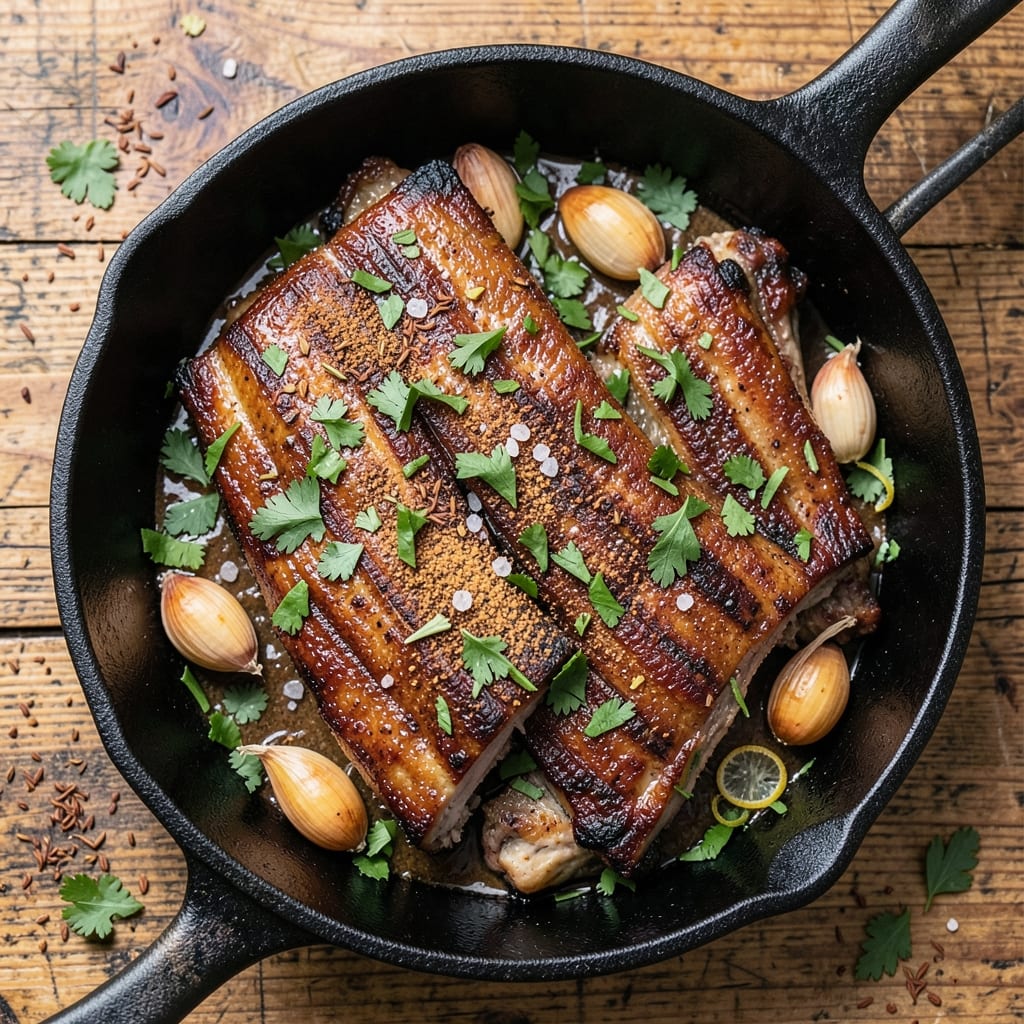
This Argentinian beef ribs recipe delivers melt-in-your-mouth tenderness with a signature chimichurri-kissed crust that transforms tough cuts into restaurant-quality masterpieces. The secret lies in slow-cooking the ribs with traditional asado techniques, ensuring every bite reveals marbled perfection beneath a caramelized exterior. What sets this method apart is the chimichurri marinade, which infuses the meat with bright, herby flavors while keeping the texture impossibly tender.
The process begins with a dry rub of coarse salt and smoked paprika, creating that coveted bark while preserving natural juices. As the ribs cook low and slow, the chimichurri - a vibrant blend of parsley, garlic, oregano, and vinegar - gets brushed on in the final stages, forming a sticky, flavorful crust that seals in moisture. This isn't just another ribs recipe; it's a homage to Argentinian barbecue traditions adapted for home cooks.
By the time you're done, you'll have ribs that are so tender they practically fall apart at the touch, with a crust that's both crisp and sticky from the chimichurri. The aroma alone will have everyone anticipating dinner, while the first bite delivers that perfect balance of smoky, herby, and slightly charred flavors. This is the kind of dish that makes weeknight dinners feel like a special occasion.
Serve with classic Argentinian sides like grilled provoleta cheese and a crisp white wine to complement the rich beef flavors. The chimichurri sauce doubles as a dipping sauce, ensuring no bite goes to waste. Here's how to achieve this professional-quality result at home with simple techniques and minimal equipment.
Ingredients for argentinian beef ribs
Four pounds of beef ribs and eleven simple ingredients transform into restaurant-quality Argentinian masterpieces.
| Ingredient | Amount | Notes |
|---|---|---|
| Beef Ribs (Back Ribs) 🥩 | 4 lb | Bone-in, meaty cuts preferred |
| Coarse Kosher Salt 🧂 | ½ cup | Diamond Crystal preferred |
| Smoked Paprika 🌶️ | 2 tbsp | For deep smoky flavor |
| Fresh Parsley Leaves 🌿 | 1 ½ cups | Flat-leaf preferred, stems removed |
| Garlic Cloves 🧄 | 10 cloves | Fresh, peeled |
| Dried Oregano 🍃 | 1 tbsp | Mexican oregano ideal |
| Red Wine Vinegar 🍷 | ½ cup | For tangy brightness |
| Extra-Virgin Olive Oil 🫒 | ¾ cup | For richness |
| Ground Black Pepper 🌶️ | 1 tsp | Freshly cracked |
| Red Chili Flakes 🔥 | ½ tsp | Optional for heat |
| Fresh Red Wine 🍷 | ½ cup | Bold Malbec or Cabernet |
| Beef Broth 💧 | 1 cup | Low-sodium preferred |
| Brown Sugar 🍯 | 1 tbsp | For balanced sweetness |
The ribs are the foundation—look for back ribs with good marbling and visible fat cap for tenderness. Costco or specialty butchers often carry the best cuts, but any grocery store with a meat counter should have suitable options. If you can't find back ribs, short ribs work too, though they'll require longer cooking. Trim excess fat but leave some for flavor. The Malbec wine is non-negotiable for the chimichurri; its acidity cuts through the richness of the beef. For the dry rub, Diamond Crystal kosher salt dissolves more easily than table salt, creating better bark without over-salting.
No smoked paprika? Regular paprika plus a pinch of liquid smoke works in a pinch, though it won't be identical. Fresh parsley is ideal, but dried parsley at one-third the amount is acceptable if needed. The red wine vinegar adds brightness—substitute apple cider vinegar if unavailable, though the flavor will differ slightly. For the chimichurri, toasted garlic cloves (microwave 30 seconds) add depth, but raw works fine too. The beef broth can be swapped for water plus 1 tsp beef bouillon, though you'll lose some richness. If you're avoiding alcohol, use extra beef broth instead of wine in the chimichurri.
Ribs can be prepped a day ahead—pat dry and refrigerate uncovered for 12-24 hours to enhance bark formation. The chimichurri keeps for 5 days in the fridge, stored in a sealed jar with a thin layer of olive oil on top to preserve freshness. For longer storage, freeze chimichurri in ice cube trays—thaw and whisk before using. Leftovers reheat beautifully; wrap ribs in foil and warm in a 350°F oven for 10-15 minutes to maintain moisture. The sauce also doubles as a marinade for grilled vegetables or chicken.
Why You'll Love This Recipe
- Foolproof Seasoning: I swear by the smoked paprika and garlic here—just a few shakes and a quick chop, then the ribs practically season themselves while they cook. No fancy rubs, no guesswork, just pure flavor that sticks.
- One-Pan Magic: Honestly, this is my lazy-day hero. Toss the ribs on a sheet pan, sprinkle salt and herbs, and let the oven do the work. Cleanup? One pan, one spatula—done. (Yes, even on a Tuesday night.)
- Leftovers That Shine: The ribs stay tender and packed with flavor for days, so I make a double batch. Slice them for tacos, chop into salads, or just reheat straight from the fridge—every time, they taste like they just came out of the oven.
- Budget-Friendly Feast: Back ribs are cheaper than you’d think, and this recipe uses them like a pro. A few cloves of garlic and a handful of parsley stretch the ingredients further, making it my go-to for feeding a crowd without breaking the bank.
Step-by-step instructions for Argentinian beef ribs with chimichurri
Here's the method for perfectly tender beef ribs with a vibrant chimichurri finish.
Prepare the Ribs for Maximum Flavor
Start by trimming any excess fat from the 4 lb beef ribs (back ribs) while leaving a thin layer for flavor and moisture. Pat the ribs dry with paper towels—this step is crucial for creating that signature crispy crust later. In a small bowl, combine 0.5 cup coarse kosher salt, 2 tbsp smoked paprika, 1 tbsp dried oregano, 1 tsp ground black pepper, and 0.5 tsp red chili flakes. Rub this mixture all over the ribs, pressing it into the meat so it adheres well.
Place the seasoned ribs on a wire rack set over a baking sheet. Refrigerate uncovered for at least 1 hour (or up to 4 hours) to dry-brine the meat. This process enhances flavor and helps develop that coveted crust. When ready, bring the ribs to room temperature for 30 minutes before cooking—this ensures even cooking throughout.
Slow-Roast for Deep Tenderness
Preheat your oven to 275°F. Place the seasoned ribs on the wire rack and roast for 3 hours. The low temperature is key here—it breaks down the connective tissue slowly, resulting in melt-in-your-mouth tenderness. After 3 hours, increase the heat to 325°F and continue roasting for another 1 to 1.5 hours, until the internal temperature reaches 195-203°F and the meat pulls apart easily with a fork.
Here's the thing—don't peek at the ribs during cooking. Every time you open the oven, you lose heat and moisture, which can set back your cooking time. Instead, trust the thermometer and the visual cues: the ribs should look glossy and slightly caramelized. If the ribs aren't tender enough after the second hour at 325°F, give them another 30 minutes—patience is everything in this step.
Create the Chimichurri Sauce
While the ribs are roasting, make the chimichurri sauce. In a food processor, combine 1.5 cups fresh parsley leaves, 10 cloves garlic cloves, 0.5 cup red wine vinegar, 0.75 cup extra-virgin olive oil, 1 tbsp brown sugar, and 0.5 cup fresh red wine. Pulse until the mixture is finely chopped but still slightly textured—you want a vibrant green sauce, not a paste.
Taste the chimichurri and adjust the seasoning if needed. The acidity from the vinegar and wine should balance the richness of the ribs. If it tastes too sharp, add a pinch more brown sugar; if it's too mild, add a splash more vinegar. Transfer the chimichurri to a bowl and set it aside—it'll brighten up the ribs beautifully once they're ready.
Rest and Serve with Chimichurri
Once the ribs reach the desired internal temperature, remove them from the oven and let them rest for 15 to 20 minutes. This resting period allows the juices to redistribute, ensuring each bite is moist and flavorful. While the ribs rest, preheat your broiler to high. Transfer the ribs to a baking sheet and broil for 2 to 3 minutes on each side, just until the edges are lightly charred and the surface is crispy.
Slice the ribs between the bones and serve immediately, drizzled generously with the chimichurri sauce. The contrast of the bright, herby chimichurri with the slow-roasted, tender ribs is what makes this dish truly special. Pair with crusty bread or a simple green salad to soak up every last bit of that delicious sauce.
Pro Tips For Making Argentinian Beef Ribs
- Trim the Fat First: Back ribs have a thick fat cap that can turn greasy if left on—use kitchen shears to slice it down to ¼-inch before seasoning. I learned this the hard way after serving ribs that looked dry because all the moisture got trapped under a fat blanket.
- Salt the Ribs Twice: Generously coat the ribs with kosher salt before the garlic-parsley rub, then let them sit uncovered in the fridge for 1 hour. After searing, hit them with another layer of salt—this two-step method guarantees a deep, crisp crust without overpowering the smoky paprika.
- Sear in Batches: Crowding the pan turns ribs into a sad, steamed mess. Work in single-layer batches over medium-high heat until deep brown—about 3-4 minutes per side. Yes, it takes longer, but the Maillard reaction happens properly, not just on the edges.
- Rest Under Foil: After roasting, tent the ribs with foil and let them sit for 10 minutes before slicing. Skipping this step means juices pool on your cutting board instead of staying inside the meat—trust me, your knife will thank you.
Troubleshooting perfect results
Ribs Too Tough?
If your ribs emerge tough instead of tender, you likely didn’t cook them long enough at the right temperature. The key is patience—275°F for 3 hours followed by 325°F until 195-203°F internal temp is non-negotiable. I’ve seen home cooks rush this step and end up with chewy results. Use a meat thermometer to track progress—this is your best friend for perfect doneness. 🌡️
Bark Not Forming?
That crispy, flavorful crust (or "bark") is all about the dry-brine and proper seasoning. Make sure your ribs are completely dry before applying the salt rub—moisture prevents the bark from forming. Also, use Diamond Crystal kosher salt (it’s coarser and creates better texture). If your oven runs hot, reduce the temperature by 25°F to compensate. Trust me, this step makes all the difference!
Chimichurri Too Thick?
The chimichurri should coat the back of a spoon but still be pourable. If it’s too thick, add 1-2 tablespoons of red wine vinegar or olive oil to thin it out. I’ve found that using fresh parsley (not dried) and toasting the garlic cloves (30 seconds in the microwave) prevents clumping and gives the best texture. Pulse in short bursts in the food processor—over-processing turns it into a paste. 🌿
Ribs Too Dry?
Overcooking is the usual culprit here. Once the ribs hit 203°F, remove them immediately—even a few extra minutes can dry them out. If they’re still juicy but slightly undercooked, wrap them in butcher paper and return to the oven at 250°F for 15-20 minutes to finish. The chimichurri also helps retain moisture, so don’t skip brushing it on during the final stages. Pro tip: Rest the ribs for 15-20 minutes before slicing—this keeps them moist.
Uneven Cooking?
Uneven cooking often happens when ribs aren’t the same size or when they’re stacked too closely on the wire rack. Trim any uneven edges and space them ½ inch apart for even air circulation. If your oven has hot spots, rotate the ribs halfway through cooking. A wire rack is non-negotiable—it allows heat to circulate around all sides, preventing steam buildup that can turn ribs soggy. 🔥
Chimichurri Separating?
This usually means the oil and vinegar aren’t emulsified properly. Pulse the ingredients in the food processor until just combined—don’t over-blend or it’ll turn into a paste. For extra stability, whisk in 1 tablespoon of Dijon mustard (optional) before adding the oil. Store chimichurri in a sealed jar with a thin layer of olive oil on top to preserve freshness. If it separates after storage, just give it a quick whisk before using.
Nutrition facts
Frequently asked questions
Can I substitute back ribs with another cut?
Yes, but adjust cooking times accordingly. Short ribs work well but require 1-2 extra hours due to their bone structure. For beef spare ribs, reduce total cooking time by about 30 minutes since they're leaner. The chimichurri recipe remains the same, but monitor internal temps closely—195-203°F is your target for tenderness.
How do I make chimichurri ahead of time?
Prepare chimichurri up to 5 days in advance and store it in a sealed jar with a thin layer of olive oil on top. This preserves freshness and prevents browning. For longer storage, freeze in ice cube trays—thaw and whisk before using. The sauce actually improves after 24 hours as flavors meld. Just give it a quick stir before serving!
What's the best way to reheat leftover ribs?
Wrap ribs tightly in butcher paper (not foil) and reheat at 350°F for 10-15 minutes to maintain moisture. For extra crispiness, broil for 2-3 minutes after reheating. Never microwave—it turns ribs rubbery. The chimichurri can be reheated separately at low heat for 1 minute to restore vibrancy.
Can I grill these ribs instead of oven-roasting?
For indirect grilling, maintain 250-275°F using a two-zone fire. Wrap ribs in butcher paper with apple juice (not water) for 2 hours before finishing with chimichurri. The key is patience—grilling takes 10-15% longer than oven methods. Use a meat probe thermometer to avoid overcooking.
What are the best Argentinian sides to serve?
Pair with grilled provoleta cheese (Argentinian provolone), chimichurri-roasted potatoes, or a fresh ensalada rusa (Russian salad with local ingredients). For drinks, Malbec wine complements the beef perfectly, while hibiscus tea adds a refreshing contrast. Don't forget crusty bread for soaking up that chimichurri!