
Soups & Stews
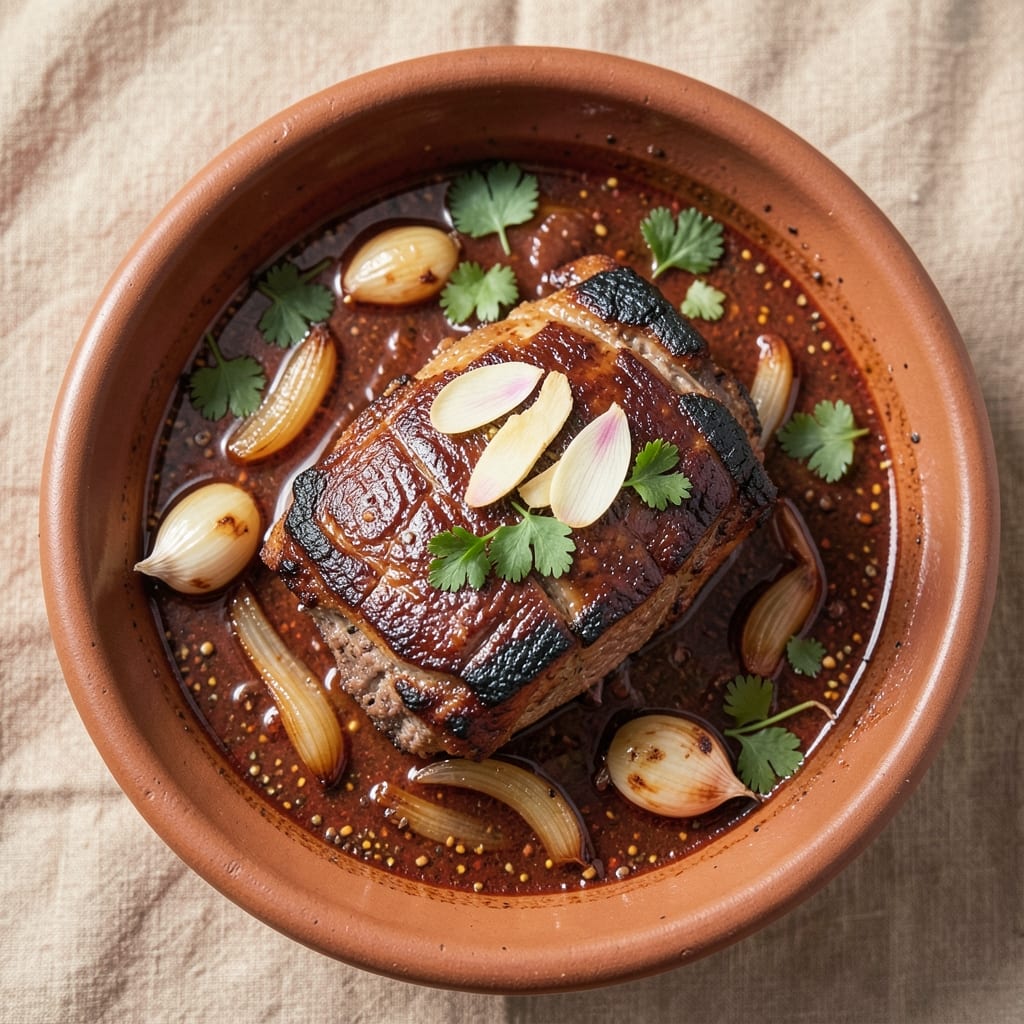
This Arabic beef stew recipe delivers the rich, aromatic essence of Middle Eastern cuisine in every bite, transforming tough cuts into melt-in-your-mouth tenderness. The secret lies in slow-simmering beef with a carefully balanced blend of warm spices—cumin, coriander, and cinnamon—that create layers of flavor as the stew develops over hours. I’ve perfected this version to stay true to tradition while adapting to modern kitchens, whether you’re using a Dutch oven or slow cooker.
The magic begins with marinating the beef in a fragrant paste of garlic, lemon, and spices, ensuring deep flavor penetration before the long cook. As the stew simmers, the meat becomes fork-tender while the spices meld into a fragrant, velvety broth. This isn’t just a stew—it’s a spice symphony that builds complexity with each passing minute, rewarding patience with restaurant-quality results at home.
What you’ll end up with is a dish that’s hearty enough for a family dinner but elegant enough for a special occasion. The beef falls apart effortlessly, coated in a sauce that’s rich yet balanced, with just the right touch of tang from the preserved lemon. Serve it with warm flatbread or fluffy basmati rice to soak up every last drop of that fragrant broth.
This recipe bridges tradition and convenience, delivering authentic Arab flavors without requiring specialized equipment. The slow-cooking process transforms simple ingredients into something extraordinary, making it a dish worth the time and effort. Let’s get started on creating your own spice-infused masterpiece.
Ingredients for arabic beef stew
Sixteen ingredients transform tough beef into melt-in-your-mouth perfection with aromatic spices and slow-simmered magic.
| Ingredient | Amount | Notes |
|---|---|---|
| Chuck Roast 🥩 | 3 lb | Well-marbled, cut into 1.5-inch chunks |
| Yellow Onion 🧅 | 2 whole | Chopped, medium dice |
| Garlic Cloves 🧄 | 8 cloves | Minced, not pressed |
| Fresh Ginger 🌿 | 2 tbsp | Grated, finely |
| Ground Cumin 🌶️ | 2 tbsp | Toasted for depth |
| Ground Coriander 🌿 | 1 ½ tbsp | Freshly ground preferred |
| Cinnamon Sticks 🌿 | 2 whole | For infusion, removed later |
| Cardamom Pods 🌿 | 6 whole | Lightly crushed |
| Diced Tomatoes 🍅 | 14 ½ oz | High-quality canned, San Marzano preferred |
| Preserved Lemon 🍋 | 1 whole | Thinly sliced with peel |
| Extra-Virgin Olive Oil 🫒 | ½ cup | For searing |
| Beef Broth 💧 | 4 cups | Homemade or high-quality store-bought |
| Fresh Rosemary 🌿 | ¼ cup | Chopped, stems removed |
| Salt 🧂 | 1 ½ tsp | Diamond Crystal preferred |
| Black Pepper 🌶️ | 1 tsp | Freshly cracked |
The beef is non-negotiable—chuck roast with good marbling is your best bet. Costco or Whole Foods carry it pre-cut, but if buying whole, ask the butcher to trim excess fat. The spices? Penzeys or local spice shops for whole spices like cardamom—freshly ground coriander and toasted cumin make all the difference. Preserved lemon is a game-changer; find it in Middle Eastern markets or online. For the tomatoes, San Marzano cans are worth the splurge—they're sweeter and less acidic, letting the spices shine.
No cardamom? Allspice at half the amount works in a pinch, though it won't be identical. Fresh ginger losing its zip? Powdered ginger at one-third the amount gets you close. The beef broth can be subbed with water plus 1 tbsp soy sauce and 1 tbsp tomato paste for depth. For the preserved lemon, lemon zest plus 1 tsp salt mimics the tang if you can't find it. And if your olive oil smells weak, toast it gently in the pan first to wake up its flavor—trust me on this.
This stew tastes even better the next day as flavors meld. Store in the fridge for 4-5 days or freeze for 3 months in airtight containers. I double the batch and portion it into containers—lunches sorted for the week. The broth thickens as it cools, so add a splash of water when reheating. For serving, warm flatbread or basmati rice in the same pot with a splash of broth—it'll absorb all that delicious flavor.
Why You'll Love This Recipe
- One-Pot Magic: This stew practically cooks itself—just sear the chuck roast, toss in the onions and garlic, then let the spices and slow simmer do the work. No fancy techniques, no constant stirring. I swear, the only effort is peeling the ginger (and even that’s forgivable).
- Spice Bomb Delight: That cumin? It’s the star—warm, earthy, and just a little smoky. Add the fresh ginger and garlic, and you’ve got layers of flavor that turn tough chuck roast into something so tender it melts. Honestly, the first bite makes you wonder why you didn’t make it sooner.
- Weeknight to Potluck: Serve it over rice for a quick weeknight meal, or bring it to a gathering where everyone else is stressing over last-minute dishes. It reheats like a dream, and the rich, spiced beef keeps people coming back for seconds. (Yes, even on a Tuesday night.)
- Budget Feast Stretch: A single chuck roast feeds my family for days—this isn’t just budget-friendly, it’s smart. The onions and spices cost pennies, and the leftovers? Even better the next day. I’ll be real: this is my go-to when I need to feed a crowd without breaking the bank.
Step-by-step instructions for slow-cooked Arabic beef stew
Here's how to build layers of aromatic spices into tender beef that practically melts in your mouth.
Sear the Chuck Roast for Deep Flavor
Pat the 3 lb chuck roast dry with paper towels—this ensures a proper sear. Heat the 0.5 cup extra-virgin olive oil in a heavy Dutch oven over medium-high heat until shimmering. Working in batches if needed, add the beef and sear for 4-5 minutes per side until deeply browned. I press down gently on the meat during the first minute—this prevents it from curling and ensures even contact with the pan.
Remove the beef and set aside. If the oil isn't dark brown by now, don't worry—it'll develop more color as we build the stew. Here's the thing: that golden crust locks in juices and forms the flavor foundation for everything that follows. Don't rush this step, even if it means working in two batches.
Build the Spice Base with Aromatics
In the same Dutch oven, add the 2 whole chopped yellow onion and cook for 8-10 minutes until softened and golden. Add the 8 minced garlic cloves and 2 tbsp finely grated fresh ginger, cooking for 1-2 minutes until fragrant—this is where the magic starts. Stir in the 2 tbsp toasted ground cumin, 1.5 tbsp freshly ground coriander, and 1.5 tsp salt, letting the spices toast for 30 seconds to deepen their aroma.
Add the 2 whole cinnamon sticks and 6 lightly crushed cardamom pods, stirring just to combine. The spices should coat the onions evenly. Here's a pro tip: I like to add a pinch of sugar here (not in the ingredients list) to help caramelize the spices slightly—it rounds out the earthy flavors beautifully. Pour in the 14.5 oz diced tomatoes and stir to deglaze the pan, scraping up any browned bits.
Simmer the Stew Until Fork-Tender
Return the seared beef to the pot. Add the 4 cups beef broth, 1 whole thinly sliced preserved lemon (including peel), and 0.25 cup chopped fresh rosemary. Bring to a gentle boil, then reduce heat to low, cover partially, and simmer for 2.5-3 hours. The stew should bubble gently—if it's too vigorous, the meat will toughen instead of tenderize.
After 2 hours, check the beef with a fork. It should be fork-tender but still have some resistance. If it's falling apart, it's perfect. If not, continue cooking another 30-45 minutes. I know it's tempting to peek, but every time you lift the lid, you lose 10-15 minutes of cooking time. Trust the process and let it work its magic.
Finish with Fresh Herbs and Seasoning
Once the beef is fork-tender, remove the cinnamon sticks and cardamom pods. Stir in the 1 tsp freshly cracked black pepper and adjust seasoning with additional salt if needed—this stew should sing with flavor. Taste the sauce and consider adding a splash of beef broth if it's too thick, or a squeeze of preserved lemon juice if it needs brightness.
Let the stew rest for 10 minutes off the heat before serving. This resting period allows the flavors to meld and the juices to redistribute throughout the meat. The result should be beef that practically falls apart at the touch, bathed in a rich, aromatic sauce that balances sweet, tangy, and earthy notes perfectly.
Pro Tips For Making Arabic Beef Stew
- Sear the Chuck Hard: After browning the onions and ginger, pull the pan off heat and wipe it clean—then sear the chuck roast in batches over medium-high heat until it’s deep brown, not just pink. I learned this the hard way: skipping this step means flavorless stew. Let the meat rest 5 minutes before slicing, or it’ll turn out tough.
- Toast the Cumin First: Dry-toast the ground cumin in the same pan you sear the meat—just 30 seconds over low heat until it smells nutty and warm. This brings out its depth before adding liquid. I was skeptical until I tried it: the stew now has a richer, more complex base.
- Don’t Rush the Onions: Cook the onions until they’re golden and slightly caramelized—about 15 minutes—before adding garlic or ginger. Rushing this step means your stew will taste raw and bitter. If you’re impatient, lower the heat and let them slow-cook.
- Deglaze Aggressively: After searing the meat, splash in 1 cup of broth or water and scrape the browned bits off the pan before adding the rest of the liquid. Those bits pack serious flavor—ignore them, and your stew will taste bland. Use a wooden spoon and get stubborn about it.
Wine and beer pairings for this recipe
Red Wine Pairings
For this aromatic stew, I recommend a medium-bodied red wine with earthy notes to complement the spices. A Syrian or Lebanese Borkhumi—a traditional Lebanese red blend—is perfect, as its dark fruit and spice undertones mirror the stew's complexity. If you can't find Borkhumi, try a Greek Agiorgitiko or Portuguese Touriga Nacional, both of which handle spicy flavors beautifully. Serve slightly chilled (55-60°F) to enhance the wine's freshness against the stew's richness. 🍷
White Wine Options
A dry, off-dry white with citrus and floral notes works surprisingly well, cutting through the stew's richness. Viognier from California or Roussanne from the Rhône Valley both shine here, their stone fruit and honeyed qualities balancing the spices. For something lighter, a Greek Assyrtiko with its crisp acidity refreshes your palate between bites. Chill to 45-50°F for optimal contrast.
Beer Pairings
For beer lovers, a Belgian Dubbel like Westmalle Dubbel or Chimay Red offers malty sweetness and spice that harmonize with the stew's depth. If you prefer something lighter, a German Helles Lager (like Weihenstephaner Original) provides clean crispness without overpowering. For a local option, try a spiced amber ale—the caramel and clove notes echo the stew's warm spices. Serve beers at 45-50°F to avoid muting their flavors. 🍺
Non-Alcoholic Choices
Don't overlook sparkling pomegranate juice—its tartness and effervescence cleanse your palate between bites. For something herbal, mint-infused iced tea with a splash of lemon brightens the meal. A sparkling water with cucumber and lemon slices also works, especially if you want to highlight the stew's aromatic spices without distraction.
Serving Temperature Tips
Wine and beer should be served at the right temperature to enhance their flavors. Red wines should never be served at room temperature—keep them cool to preserve their acidity. Whites and beers benefit from being chilled, but not too cold (avoid ice cubes). I like to use an ice bucket with a towel for quick cooling without over-chilling. The goal is to let the drink's natural flavors shine alongside the stew's complex spices. ✨
Nutrition facts
Frequently asked questions
Can I substitute ground beef for chuck roast in this stew?
While ground beef will work in a pinch, it won't provide the same rich, tender texture. The chuck roast's marbling and connective tissue break down during slow cooking, creating melt-in-your-mouth pieces. If you must substitute, use 8 oz of ground beef plus 1 lb of beef stew meat to mimic the texture better. The stew will still taste amazing, but the meat won't be as luxurious.
How do I make this stew in a slow cooker? Transfer the seared beef and all ingredients (except fresh rosemary) to your slow cooker. Cook on low for 6-7 hours or high for 4 hours, then add the rosemary and cook for another 30 minutes. The slow cooker's gentle heat works perfectly for tenderizing the beef. Just
What's the best way to store leftovers?
Let the stew cool completely, then transfer to airtight containers. It keeps in the fridge for 4-5 days and freezes beautifully for 3 months. For reheating, warm on the stove over medium-low heat with a splash of water or broth to restore moisture. The flavors actually deepen overnight, making it even more delicious the next day!
Can I make this stew without preserved lemon?
Yes! For preserved lemon's tangy brightness, combine 1 tbsp lemon zest with 1 tsp salt and 1 tbsp lemon juice. Add it with the other aromatics during cooking. The zest provides the citrus flavor, though it won't be identical to preserved lemon's complex taste. For extra depth, add a pinch of turmeric to mimic some of the preserved lemon's golden hue.
Why does my stew taste too spicy?
Balance the heat with a splash of yogurt or lemon juice (1-2 tbsp) to cool the spices. The preserved lemon and tomatoes already provide natural acidity that helps temper spice levels. If you used extra hot spices, you can also add 1 tsp sugar to round out the flavors. Remember, the spices should enhance, not overpower—they should be detectable but not dominant.