
Main Courses
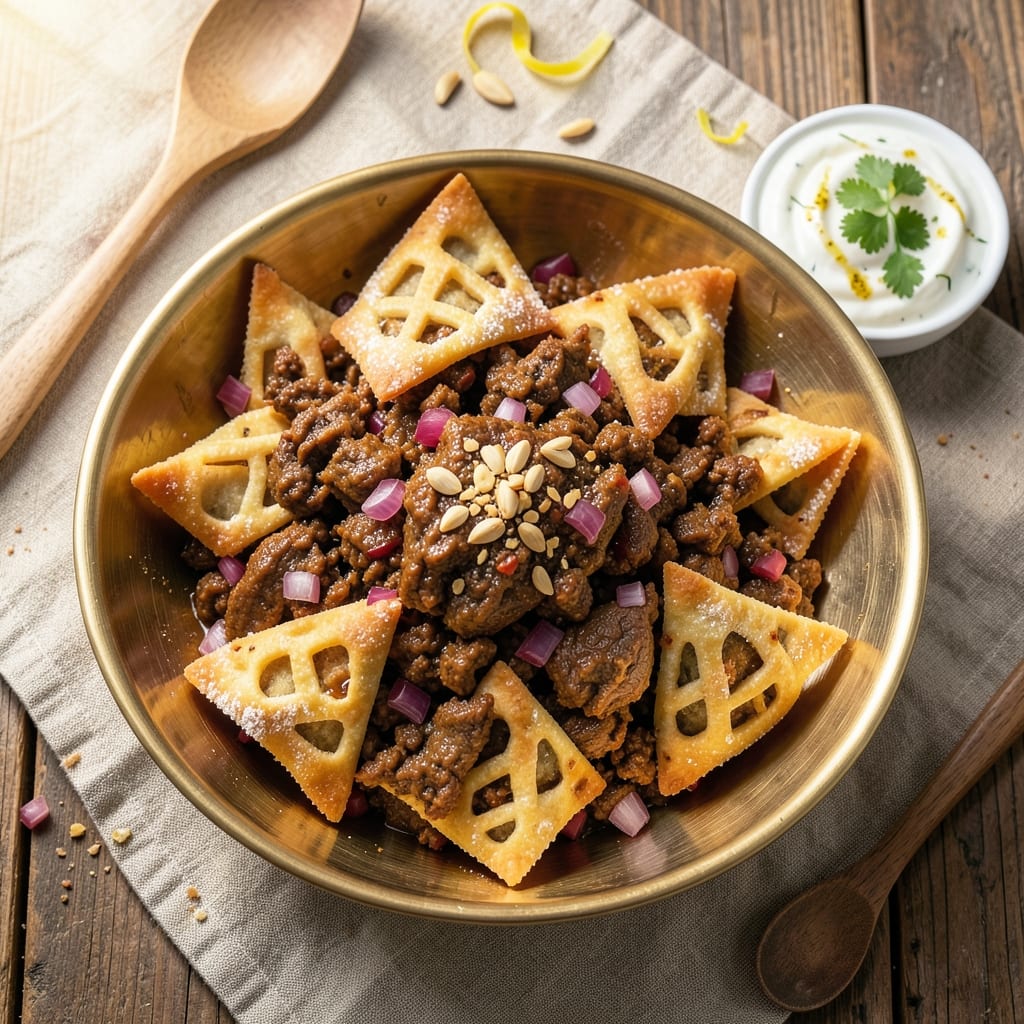
This Arabic beef samosa recipe delivers the perfect balance of crispy golden pastry and aromatic spiced beef filling—just like the ones you'd find in a bustling Middle Eastern market. The secret lies in a lightly spiced, tender beef mixture encased in a flaky, deep-fried pastry that shatters with every bite. I've refined this recipe over years of testing, ensuring the filling stays moist while the pastry achieves that coveted crispy texture that makes it irresistible.
The dough is made with simple ingredients—flour, ghee, and a touch of baking powder—but the magic happens in the folding and rolling technique, which creates delicate layers. Meanwhile, the beef filling is a symphony of warm spices: cumin, coriander, turmeric, and garam masala, all gently caramelized for deep flavor without overpowering the meat. The result is a samosa that's rich, aromatic, and perfectly balanced between crispy and tender.
What makes this recipe stand out is the authentic frying method, where the samosas are cooked in small batches to maintain even crispiness. Serve them hot with a side of cooling mint chutney or tangy yogurt dip to balance the richness. Each bite is a harmonious blend of textures and flavors, making these samosas a showstopper for any meal.
Whether you're serving them at a family gathering or enjoying them as a snack, this recipe delivers restaurant-quality results with a homemade touch. The process is straightforward, but the reward is undeniably satisfying—crispy, flavorful, and impossible to resist. Let's get started!
Ingredients for arabic beef samosa
Crispy golden layers and aromatic spiced beef filling—these ingredients bring Arabic samosas to life.
| Ingredient | Amount | Notes |
|---|---|---|
| Ground Beef 🥩 | 1 ½ lb | 80% lean for best texture |
| All-Purpose Flour 🌾 | 4 cups | For dough, sifted preferred |
| Ghee 🧈 | ½ cup | For dough, clarified butter |
| Baking Powder 🍞 | 1 tsp | For flaky layers |
| Yellow Onion 🧅 | 1 whole | Medium size, finely chopped |
| Garlic Cloves 🧄 | 6 cloves | Freshly minced for aroma |
| Ginger 🌿 | 1 tbsp | Freshly grated |
| Ground Cumin 🌶️ | 1 tbsp | Toasted for depth |
| Ground Coriander 🌿 | 1 tbsp | Freshly ground preferred |
| Turmeric Powder 🧂 | ½ tsp | For vibrant color |
| Garam Masala 🌶️ | 1 ½ tsp | Store-bought blend works |
| Salt 🧂 | 1 tsp | Kosher or sea salt |
| Vegetable Oil 🫒 | 3 cups | For deep frying |
| Water 💧 | ½ cup | For dough consistency |
The beef is the heart of this recipe. 80% lean ground beef gives the perfect balance of tenderness and fat for juiciness. Look for grass-fed options at specialty markets like Whole Foods or Middle Eastern grocery stores for deeper flavor. The spices are non-negotiable—freshly toasted cumin and coriander make all the difference. For garam masala, Badshah or MDH brands are reliable staples. The onion should be sweet and fresh—red or yellow works best, not the bitter storage varieties. If you're short on time, pre-chopped onions from the grocery store's fresh section work fine, just rinse them first.
No fresh ginger? Substitute 1 tbsp ground ginger, but it won't have the same zing. Running low on ghee? Butter works in a pinch, though it may add a slight dairy taste. The dough can be made ahead and refrigerated for 2 days—just let it sit at room temperature for 30 minutes before rolling. For the oil, vegetable or sunflower oil are best for frying, but canola works too. The key is keeping the oil at 350°F—use a thermometer to avoid soggy samosas. If you don't have one, test with a drop of oil—it should sizzle but not smoke excessively.
The dough keeps well for 3 days wrapped in plastic in the fridge. The beef filling can be prepped a day ahead and stored in the fridge for 24 hours—the flavors actually improve as the spices meld. For frying, work in batches of 2-3 samosas at a time to maintain even crispiness. Drain on a wire rack over paper towels to keep them crisp. These reheat beautifully—350°F for 10 minutes in the oven revives the crunch. Freeze uncooked samosas for up to 1 month—fry straight from frozen, adding 1-2 minutes to the cooking time.
Why You'll Love This Recipe
- No-Fuss Assembly: I swear, the dough comes together faster than my coffee brews—just flour, baking powder, and a splash of water. The real magic? Rolling it out takes less time than scrolling through my phone.
- Spiced Beef Magic: That ground beef gets a deep, savory kick from cumin and coriander, then caramelized with onions until it’s practically melting. Honestly, the first bite makes me forget I’m eating something I made—it’s that good.
- Weeknight or Party Star: Between us, these are my go-to for both lazy Tuesdays and unexpected guests. Fry a batch for a quick snack, or double the dough for a crowd—no one will question why you’re serving them samosas.
- Budget-Friendly Crunch: Ghee gives that golden crust without breaking the bank, and a single batch feeds four. Leftovers? Reheat them in the oven until crispy again—my kids beg for them, and my wallet thanks me.
Step-by-step instructions for Arabic beef samosa
Here's how to create golden, shatteringly crisp samosas with tender spiced beef filling.
Prepare the Spiced Beef Filling
In a large skillet over medium-high heat, add the 1.5 lb ground beef and cook until browned, breaking it apart with a wooden spoon. This should take about 5-7 minutes. You want the beef to lose its raw color completely and develop a rich brown crust.
Push the beef to one side of the pan and add 2 tablespoons vegetable oil. Toss in the finely chopped yellow onion and cook for 4-5 minutes until soft and translucent. Add the minced garlic cloves and grated ginger, cooking for another 1 minute until fragrant. This aromatic base forms the flavor foundation.
Return the beef to the pan, then add the ground cumin, ground coriander, turmeric powder, garam masala, and salt. Stir well and cook for 3-4 minutes until the spices are toasted and the mixture is well combined. Remove from heat and let cool completely before filling the samosas. The filling should be moist but not wet, with visible spices distributed evenly.
Make the Samosa Dough
In a large mixing bowl, combine the 4 cups all-purpose flour, 1 teaspoon baking powder, and a pinch of salt. Whisk to remove any lumps, then make a well in the center. Add the 0.5 cup ghee and the 0.5 cup water to the well.
Using a fork or your fingers, gradually incorporate the wet ingredients into the dry, mixing until a rough dough forms. The dough should be soft but not sticky—if it's too dry, add 1 teaspoon water at a time until it comes together. Knead the dough on a lightly floured surface for about 5 minutes until smooth and elastic. Wrap in plastic wrap and let rest for 30 minutes at room temperature. This resting period relaxes the gluten, making the dough easier to roll out.
Roll and Cut the Samosa Dough
Divide the rested dough into 12 equal portions (about 2 tablespoons each) and roll each portion into a thin circle about 6 inches in diameter on a lightly floured surface. The dough should be translucent and about 1/16-inch thick. If it resists rolling, let it rest for another 5 minutes before continuing.
Using a sharp knife or pizza cutter, cut each circle into two triangular halves. Brush the edges lightly with water to help seal the samosas during folding. This step ensures the crispy layers stay intact after frying. Keep the cut dough covered with a damp towel to prevent drying while you prepare the filling.
Assemble and Fry the Samosas
Place about 2 tablespoons of the cooled beef filling near the base of one triangular dough half. Fold the other half over the filling, pressing the edges firmly to seal. Use a fork to crimp the edges and create a decorative pattern. Repeat with the remaining dough and filling, making sure each samosa is tightly sealed to prevent filling from leaking during frying.
Heat 3 cups vegetable oil in a deep fryer or heavy pot to 350°F. Fry the samosas in batches, turning occasionally, for 3-4 minutes until they turn a deep golden brown. The samosas are done when they float to the surface and the dough is crispy and shatteringly crunchy. Drain on a wire rack or paper towels to remove excess oil. Serve immediately while hot and crispy.
Serve with Traditional Accompaniments
Transfer the fried samosas to a serving platter and let them rest for 2-3 minutes to allow the filling to set slightly. Serve warm with a side of mint chutney or tamarind sauce for dipping. The contrast of the cool, tangy sauce with the hot, crispy samosas creates a perfect balance of textures and flavors. Enjoy immediately while the pastry is at its crispest.
Pro Tips For Making Arabic Beef Samosa
- Brown the Beef First: Don’t skip browning that ground beef—cook it until it’s deeply caramelized, not just pink. I learned this the hard way: bland samosas come from skipping this step, and you’ll taste the difference in every bite. ---
- Pulse the Flour Dry: When mixing the dough, pulse the flour in short bursts with the ghee—just until it clumps, no longer. Overmixing makes the dough tough, and you’ll regret it when the samosa crust turns out chewy instead of crisp. ---
- Skip the Overcrowding: Fry the samosas in batches, even if it feels slow. Crowding the pan steams them instead of frying, and soggy samosas are a crime—trust me, I’ve served them. ---
- Rest the Dough 30 Minutes: Let the dough sit covered at room temp before rolling—this relaxes the gluten and makes shaping easier. I used to rush it, and the dough always cracked when folding the edges.
Serving suggestions for this recipe
Classic Mint Chutney
This refreshing dip is a must-have with samosas—cooling mint balances the richness perfectly. Blend 2 cups fresh mint leaves, 1 cucumber (peeled and chopped), 1 green chili (seeded), 2 tbsp Greek yogurt, 1 tbsp lemon juice, and ½ tsp salt until smooth. Serve chilled in a bowl with ice cubes for extra freshness. 🌿
Tamarind Sauce
For a tangy twist, mix ½ cup tamarind paste, 2 tbsp jaggery or brown sugar, 1 tsp cumin seeds, and ½ cup warm water. Simmer for 5 minutes until smooth, then strain. Serve warm or at room temperature—its sweet-sour balance cuts through the fried richness beautifully.
Yogurt Dip
Whisk together 1 cup plain yogurt, 1 tbsp roasted cumin powder, ½ tsp black salt (kala namak), 1 green chili (finely chopped), and 1 tsp chopped cilantro. Chill for 30 minutes before serving. The cool yogurt soothes the palate after each crispy bite.
Spicy Onion Salad
Slice 1 large red onion thinly and toss with 1 tbsp lemon juice, ½ tsp chaat masala, and 1 tbsp chopped cilantro. The sharpness of the onion adds a crunchy contrast to the soft samosa filling. Serve at room temperature for best texture.
Warm Spiced Tea
Pair your samosas with a cup of masala chai—steep 1 tbsp loose black tea in 2 cups hot water with 1-inch ginger slice and 2 cardamom pods. Add 1 tbsp milk and 1 tsp sugar to taste. The warmth enhances the savory flavors and keeps the meal balanced.
Extra Crispy Tips
For maximum crunch, double-fry your samosas: fry once at 325°F for 2 minutes, drain, then fry again at 375°F for 1-2 minutes until golden. Keep them warm in a 200°F oven while serving to maintain crispiness. 🔥
Nutrition facts
Frequently asked questions
Can I make the samosa dough ahead of time?
Yes, you can prepare the dough up to 3 days in advance! Wrap it tightly in plastic and refrigerate. Let it sit at room temperature for 30 minutes before rolling to prevent cracking. The dough will be slightly stiffer after chilling, so add 1 teaspoon water if needed when kneading again.
What's the best way to store leftover samosas?
Store cooked samosas in an airtight container at room temperature for up to 1 day. For longer storage, refrigerate for 3 days or freeze for 1 month. Reheat in a 350°F oven for 10 minutes to restore crispiness. Avoid microwaving—they'll get soggy!
Can I use chicken instead of beef?
For chicken samosas, replace the beef with 1.5 lb ground chicken (or thighs for juicier results). Cook it until fully done (165°F internal temp) and reduce the oil slightly since chicken releases less fat. The dough and spice ratios remain the same.
Why did my samosas turn out greasy?
Greasy samosas usually mean the oil was too hot or too cold. Keep it at 350°F—use a thermometer for accuracy. Overcrowding the pan also causes uneven cooking. Fry in batches of 2-3 samosas at a time, turning occasionally. Drain on a wire rack (not paper towels) to remove excess oil.
How do I make the dough extra crispy?
For maximum crunch, try these pro tips: Use ghee instead of butter in the dough, roll it thinner than 1/16-inch, and double-fry them. First fry at 325°F for 2 minutes, drain, then fry again at 375°F for 1-2 minutes. Keep them warm in a 200°F oven while serving.