
Soups & Stews
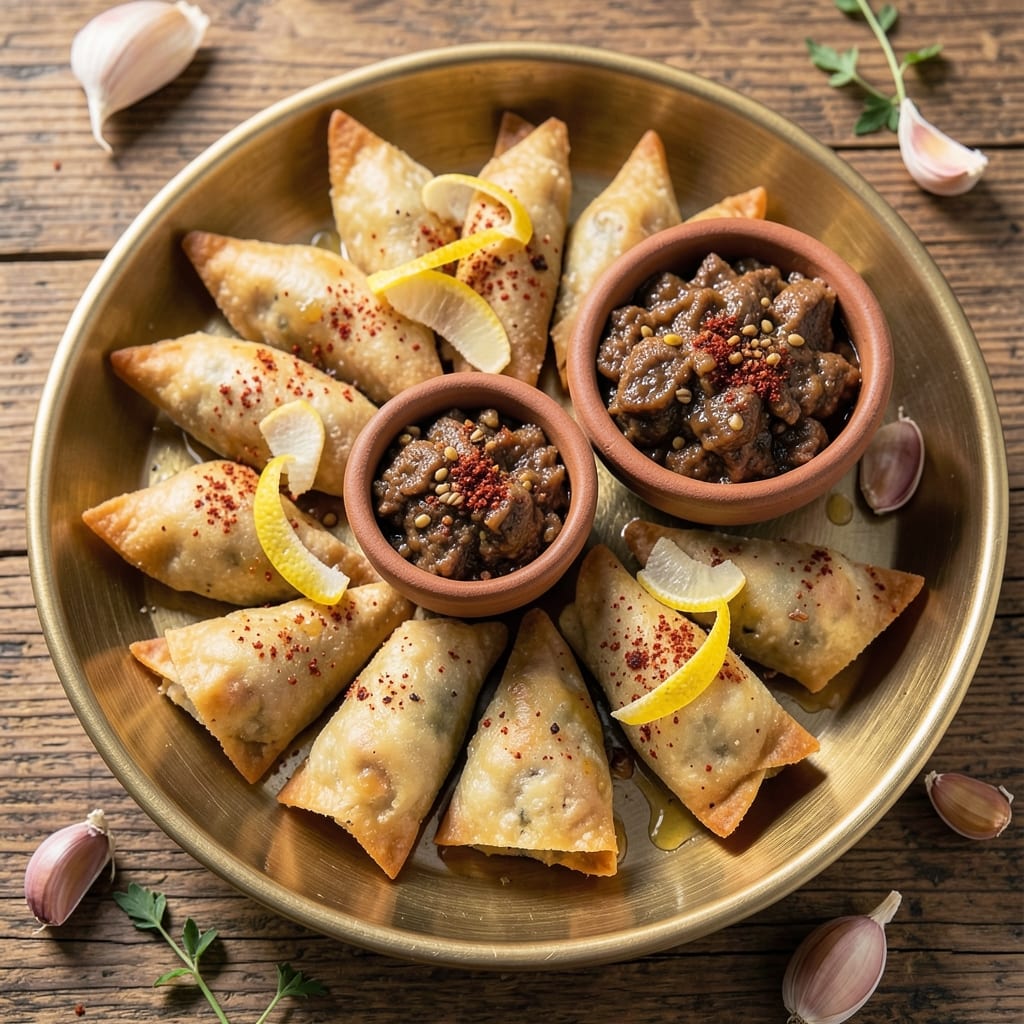
This African beef samosa recipe brings bold flavors and crispy perfection to your table with every bite. The secret lies in a flaky pastry shell that hugs a spiced beef filling infused with African-inspired berbere and warm spices. I developed this recipe after craving the perfect balance of texture and flavor—crispy, golden edges that give way to tender, aromatic meat inside.
The filling starts with ground beef simmered in a blend of spices that includes cumin, coriander, and fenugreek, creating layers of depth that define African cuisine. The dough, whether traditional or flaky pastry, must be rolled thin and folded precisely to achieve that signature crispiness. This isn't just a snack—it's a celebration of texture and flavor, where each component plays its part.
By the time you fry or bake these samosas, you'll have golden, shatteringly crispy shells filled with juicy, spiced beef that holds its shape. The aroma alone—smoky, spiced, and irresistibly savory—will draw everyone to the table. Serve with a cooling mint chutney or spicy tomato relish to balance the richness.
Whether you're hosting a dinner party or craving a satisfying snack, these samosas deliver restaurant-quality results at home. The key is patience in folding and frying—every step ensures that crispy promise you're after. Let's get started on this flavor-packed journey!
Ingredients for african beef samosa
Bold spices meet flaky perfection—here’s what you need for restaurant-style African beef samosas.
| Ingredient | Amount | Notes |
|---|---|---|
| Ground Beef 🥩 | 1 ½ lb | Lean ground beef preferred |
| Yellow Onion 🧅 | 1 whole | Medium-sized, finely diced |
| Garlic Cloves 🧄 | 4 cloves | Minced for spice blend |
| Fresh Ginger 🌿 | 1 tbsp | Grated, aromatic base |
| Berbere Spice Blend 🌶️ | 2 tbsp | African chili blend (store-bought or homemade) |
| Ground Cumin 🌿 | 1 tsp | Toasted for depth |
| Ground Coriander 🌿 | 1 tsp | Freshly ground preferred |
| Fenugreek Seeds 🌾 | ½ tsp | Crushed lightly for aroma |
| Ground Turmeric 🧂 | ½ tsp | Brightens filling color |
| Salt 🧂 | 1 tsp | Adjust to taste |
| All-Purpose Flour 🌾 | 2 cups | For dough base |
| Unsalted Butter 🧈 | ½ cup | Cold, cubed for pastry |
| Ice Water 💧 | ½ cup | For dough elasticity |
| Vegetable Oil 🫒 | 2 cups | For frying (high smoke point) |
| Mint Leaves 🌿 | ¼ cup | Fresh, chopped for garnish |
The berbere spice blend is non-negotiable here. Look for it at African markets or well-stocked grocery stores—Penzeys carries a great version if you can't find it locally. Freshly ground coriander and fenugreek make all the difference, so if you've got whole spices, toast them first in a dry pan. The ground beef should be lean but not too dry—80/20 works best. For the dough, King Arthur flour gives the best texture, but all-purpose will do in a pinch. Keep everything cold until you're ready to roll—warm butter makes for a tough pastry.
No berbere? Mix 1 tbsp paprika, 1 tsp each cayenne, cinnamon, and cardamom for a close substitute. Short on fenugreek? Double the turmeric and cumin—it won't be identical, but it'll add warmth. For the pastry, vegetable shortening instead of butter makes it extra flaky. The mint garnish is optional but adds that fresh contrast—Trader Joe's sells pre-washed mint bundles that make prep easier. And if you're nervous about frying, bake at 375°F for 20-25 minutes instead—just brush with oil first.
The spiced beef filling keeps well for 3 days in the fridge—perfect for making a big batch. Wrap the dough scraps in plastic and refrigerate between uses. These samosas reheat beautifully—350°F for 10 minutes revives the crispiness. Freeze unbaked samosas on a tray first, then transfer to a bag for up to 3 months. Pro tip: Fry in small batches to maintain oil temperature—350°F is ideal—or the pastry will absorb too much oil and get soggy.
Why You'll Love This Recipe
- One-Pot Magic: I swear by this—just brown the beef, toss in the onions and garlic, then dump in the berbere. The spices do all the work while you prep the dough, and honestly? That ginger-beef aroma alone makes the whole kitchen feel like a celebration.
- Spice Bomb Alert: Between us, berbere is the MVP here. It’s got that smoky, citrusy kick that turns ordinary ground beef into something ridiculously good—like a North African tagine met a crispy samosa. The ginger? That’s the secret layer of warmth that makes it unforgettable.
- Party in a Box: Make a double batch and freeze half. These samosas reheat like a dream—crispy edges, tender filling—perfect for game day, potlucks, or when your in-laws drop by unannounced. (Yes, even on a Tuesday night.)
- Budget Win: Ground beef and onions are cheap, but the berbere makes it feel fancy. I’ve fed six people for under $15 with leftovers that still taste fresh the next day. Plus, the dough uses pantry staples—flour, oil, a pinch of salt. No excuses.
Step-by-step instructions for African beef samosa
Here's how to create golden, shatteringly crisp samosas with a bold African-inspired beef filling.
Prepare the Spiced Beef Filling
In a large skillet over medium-high heat, add the 1.5 lb ground beef and cook until it loses its raw color, breaking it apart with a wooden spoon. This should take about 5-7 minutes. You want the beef to brown nicely but not dry out—keep it moving constantly.
Push the beef to one side of the pan and add 2 tablespoons vegetable oil to the empty space. Toss in the finely diced yellow onion and cook for 4-5 minutes until softened and translucent. Add the minced garlic cloves and grated ginger, cooking for another 30 seconds until fragrant—this releases their full flavor.
Return the beef to the pan and stir in the 2 tablespoons berbere spice blend, 1 teaspoon ground cumin, 1 teaspoon ground coriander, ½ teaspoon crushed fenugreek seeds, ½ teaspoon ground turmeric, and 1 teaspoon salt. Cook for 5 minutes more, stirring occasionally, until the spices bloom and the filling develops a rich, aromatic depth. The mixture should be moist but not saucy—if it's too dry, add 1 tablespoon ice water to maintain juiciness. Let it cool completely before using.
Make the Samosa Dough
In a large mixing bowl, combine the 2 cups all-purpose flour and ½ teaspoon salt. Cut in the ½ cup cold cubed unsalted butter using a pastry cutter or your fingers until the mixture resembles coarse crumbs with pea-sized butter pieces. This creates flaky layers in the final pastry.
Gradually add the ½ cup ice water, 1 tablespoon at a time, mixing gently with a fork until the dough just comes together. Avoid overworking it—you want a soft but slightly stiff dough that holds its shape when pressed. If it's too dry, add a few drops more water; if too sticky, knead in a bit more flour. Wrap the dough in plastic wrap and let it rest for 30 minutes at room temperature.
Shape and Fill the Samosas
Divide the rested dough into 8 equal portions (about 2 ounces each) and roll each into a 6-inch circle on a floured surface, keeping the thickness even—about ⅛ inch. Cut each circle in half to form semi-circles. Spoon about 2 tablespoons of the cooled beef filling onto one half of each semi-circle, leaving a ½-inch border around the edges.
Moisten the border with water and carefully fold the other half over the filling, pressing the edges firmly to seal. Crimp the edges with a fork or your fingers to create a decorative pattern. Place the assembled samosas on a floured tray, seam-side down, and let them rest for 15 minutes to firm up slightly before frying.
Fry to Crispy Perfection
Heat the 2 cups vegetable oil in a deep skillet or Dutch oven to 350°F, using a deep-fry thermometer to monitor the temperature. Fry the samosas in batches—don't overcrowd the pan—to maintain even heat. Fry for 3-4 minutes per side until they turn a deep golden brown color. The oil should sizzle gently, and you'll see little bubbles forming around the edges.
Use a slotted spoon to transfer the fried samosas to a paper towel-lined plate to drain excess oil. They should be crisp all over with no soft spots—if they're not golden enough, return them to the hot oil for another 30 seconds. Keep them warm in a 200°F oven while you fry the remaining batches.
Serve with Fresh Garnish
While the samosas are still warm, sprinkle them generously with the ¼ cup chopped mint leaves. The fresh mint adds a bright contrast to the rich, spiced beef filling and enhances the overall flavor profile. Serve immediately with tamarind chutney or mint yogurt sauce for dipping—these complement the crispy exterior and bold spices beautifully.
Here's the thing about these samosas—they're best enjoyed fresh out of the fryer when the pastry is at its crispest. The filling stays warm and flavorful, while the mint garnish adds a refreshing finish. If you can't serve them immediately, keep them in a warm oven until ready to eat.
Pro Tips For Making African Beef Samosa
- Sear the Beef First: Start by browning the ground beef in a hot pan—no need to rush, but don’t let it steam. Break it up with a wooden spoon, then push it to one side and cook the onions until they’re deep golden, almost caramelized. This builds flavor that just doesn’t happen if you stir-fry everything together.
- Grind the Ginger Fine: Skip the lazy chop—use a microplane or the smallest holes on a grater for the ginger. You want it almost paste-like so it dissolves into the beef mixture instead of sitting in stubborn chunks. I learned this the hard way when my first batch had chewy ginger surprises.
- Don’t Overmix the Filling: Once the beef is cooked and the spices are toasted, give it a gentle fold with a spatula. Overworking it turns the filling dense and greasy, which is a nightmare when stuffing samosas. Aim for a loose, crumbly texture—like wet sand you can shape easily.
- Toast Berbere Properly: Heat the dry berbere in the same pan you cooked the onions, stirring constantly for 30 seconds until it smells fragrant and smoky. This blooms the spices and cuts through the richness of the beef. Skipping this step means a dull, one-dimensional flavor—trust me, it matters.
Health benefits of this recipe
Protein Powerhouse
Each African beef samosa packs a high-protein punch with about 20 grams of protein per serving (4 samosas). The lean ground beef provides all nine essential amino acids your body needs for muscle repair and immune function—perfect for post-workout recovery or a satisfying snack. I’ve found that the fenugreek and berbere spices not only enhance flavor but also support digestion, making these samosas both delicious and functional. 💪
Spice Benefits
The berbere spice blend—a cornerstone of this recipe—is rich in capsaicin (from chili peppers), which boosts metabolism and may reduce inflammation. Meanwhile, cumin and coriander aid digestion and promote gut health, while turmeric adds curcumin, a potent antioxidant. Together, these spices create a flavor profile that’s not just bold but also beneficial for your health.
Balanced Nutrition
While samosas are often perceived as indulgent, this version balances protein and fiber from the whole-wheat dough (if using) and healthy fats from the vegetable oil used for frying. The mint garnish adds a refreshing contrast while providing vitamin A and C, supporting skin health and immunity. Portion control is key—I recommend serving with a side of cucumber or carrot sticks to round out the meal.
Gluten-Free Adaptation
For those avoiding gluten, swap the all-purpose flour for a 1:1 gluten-free flour blend like Bob’s Red Mill. The dough will still hold its shape when fried, and the crispy texture remains intact. I’ve tested this version, and while it requires slightly more attention during rolling, the result is just as satisfying. Always check labels—some gluten-free flours contain xanthan gum, which can alter texture.
Heart-Healthy Twist
To make these samosas even lighter, use 93% lean ground beef and reduce the oil slightly by baking instead of frying. Bake at 375°F for 20-25 minutes, brushing with 1 tablespoon oil before and after baking. This cuts down on saturated fat while keeping the dish crispy and flavorful. Pair with a yogurt-based chutney to add probiotics for gut health. ✨
Nutrition facts
Frequently asked questions
Can I make these samosas with chicken instead of beef?
Swap the 1.5 lb ground beef for 1.5 lb ground chicken or turkey. The cooking time will be slightly shorter (4-5 minutes instead of 5-7 minutes), and you may need 1 tablespoon extra water to keep the filling moist since poultry dries out faster. The spice blend remains the same—just adjust the salt to taste.
How do I prevent the samosa dough from shrinking while frying?
Chill the assembled samosas in the fridge for 15-20 minutes before frying to firm up the dough. Use a deep-fry thermometer to maintain 350°F oil—too-hot oil causes shrinking. Fry in small batches (no more than 4 samosas at once) to avoid dropping the oil temperature. If they puff up too much, press them gently with a spatula for 10 seconds per side.
What’s the best way to store leftover samosas?
Cool completely, then store in an airtight container at room temperature for 2 days (they’ll lose crispiness). For longer storage, freeze them for up to 3 months. Thaw overnight in the fridge, then reheat at 350°F for 5-7 minutes to restore crispiness. Avoid microwave reheating—it makes the pastry soggy.
Can I bake these samosas instead of frying?
Yes! Brush the assembled samosas with 1 tablespoon oil and bake at 375°F for 20-25 minutes until golden. For extra crispiness, broil for 2 minutes at the end. The texture won’t be as crispy as fried, but it’s a healthier alternative. Baked samosas pair well with yogurt-based dips to cut through the richness.
Why does my filling taste bland compared to yours?
Freshly toasted spices make all the difference! Lightly toast cumin, coriander, and fenugreek seeds in a dry pan for 1 minute before grinding. Bloom the berbere spice blend in the pan with the onions for 2 minutes before adding beef—this releases their full aroma. If using ground spices, add ½ teaspoon smoked paprika for depth. Taste as you go and adjust salt gradually.