
Main Courses
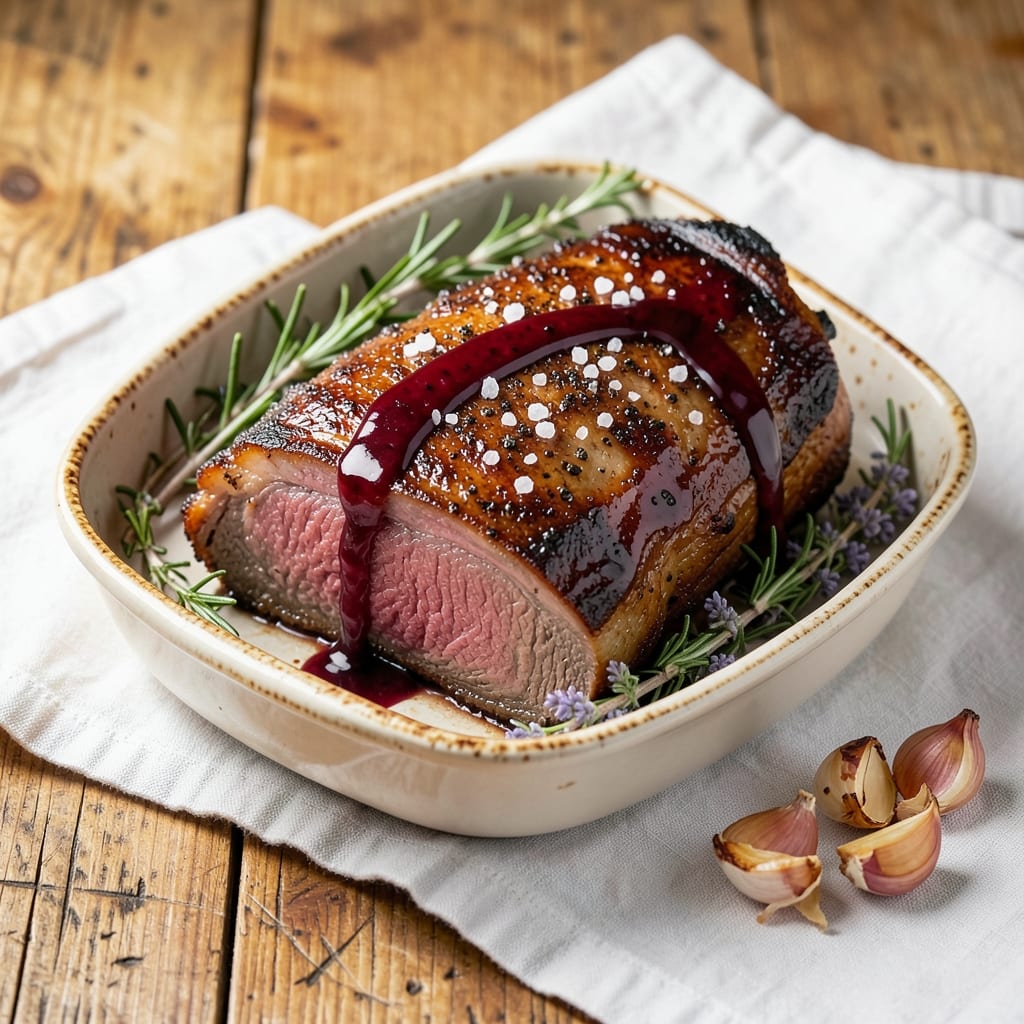
This Anova roast beef recipe delivers restaurant-quality perfection—tender, juicy beef with a caramelized crust, all achieved through precise temperature control. The Anova device eliminates guesswork, ensuring your roast emerges perfectly cooked every time, whether you're feeding a crowd or treating yourself to a special meal.
The secret lies in the Anova's ability to maintain exact temperatures, which transforms tough cuts into melt-in-your-mouth beef. Start by searing the roast to lock in flavors, then let the Anova do the heavy lifting at a precise internal temperature—no overcooking, no drying out. This method preserves moisture while building flavor, resulting in a dish that's foolproof yet impressive.
What you'll end up with is a juicy, deeply flavorful roast beef with a crisp, golden-brown crust that's impossible to resist. The Anova ensures the center stays tender while the exterior develops that perfect sear, creating a balance of textures that makes every bite unforgettable. Serve with classic sides like roasted vegetables or a rich red wine reduction for the full experience.
This recipe is ideal for special occasions or weeknight dinners when you want to impress without stress. The Anova handles the cooking while you focus on the finishing touches—like resting the meat and plating it beautifully. Let's get started on creating a roast beef that tastes like it came from a high-end restaurant.
Ingredients for anova roast beef
Six ingredients transform a simple roast into restaurant-worthy perfection with Anova precision.
| Ingredient | Amount | Notes |
|---|---|---|
| Beef Chuck Roast 🥩 | 4 lb | Center-cut for even cooking |
| Kosher Salt 🧂 | 2 tbsp | Diamond Crystal preferred |
| Freshly Ground Black Pepper 🌶️ | 1 ½ tbsp | Use coarse grind |
| Garlic Cloves 🧄 | 8 cloves | Smashed for even flavor |
| Fresh Rosemary 🌿 | 1 tbsp | Chopped, stems removed |
| Fresh Thyme 🌿 | 1 tbsp | Leaves only, chopped |
| Olive Oil 🫒 | ¼ cup | Extra-virgin for searing |
| Yellow Onion 🧅 | 1 whole | Quartered, skin on |
| Carrots 🥕 | 4 whole | Large, peeled, halved |
| Celery Stalks 🥬 | 4 whole | Trimmed, cut into chunks |
| Beef Broth 💧 | 2 cups | Low-sodium preferred |
| Red Wine 🍷 | 1 cup | Dry, bold variety |
| Mustard 🍯 | 1 tbsp | Dijon style preferred |
| Honey 🍯 | 1 tbsp | For glaze finish |
The beef cut matters most here—center-cut chuck roast delivers the perfect balance of tenderness and flavor. Costco or Whole Foods carry excellent options, but any well-marbled roast works. Look for good fat distribution (that white streaks in the meat) for maximum juiciness. Fresh herbs? Trader Joe's has great bundles, but even the sad grocery store sprigs will work if you use enough. The garlic should be fresh—no powdered shortcuts here. For the wine, grab whatever bold red you're drinking with dinner—Cabernet or Merlot both shine. Pro tip: pat the beef dry before searing to get that perfect crust.
No chuck roast? Top round or rump roast are good substitutes, but they'll need longer cooking. Fresh herbs wilt fast—use them within 3 days of purchase. No red wine? Extra beef broth with a splash of balsamic works in a pinch. The mustard adds depth—Dijon is ideal, but yellow mustard in a squeeze bottle works too. For the glaze, honey is perfect, but maple syrup or agave give similar sweetness. The vegetables? Baby carrots or frozen veggies save prep time—just chop them to similar sizes so they cook evenly. And yes, you can skip the wine entirely if you're avoiding alcohol, but the flavor difference is noticeable.
This roast reheats beautifully—actually tastes better the next day as flavors meld. Store leftovers in the fridge for 4-5 days, or freeze for 3 months wrapped tightly in plastic. For special occasions, make the full recipe and portion into individual containers. The glaze can be made ahead and reheated separately. If you're cooking for a crowd, double the recipe—just increase the cooking time by about 30 minutes. The Anova handles the rest, so you can focus on resting the meat properly (20 minutes at room temperature) before slicing against the grain for maximum tenderness.
Why You'll Love This Recipe
- Herb-Crusted Magic: That rosemary and garlic combo? It’s like a flavor hug for your roast. The crust gets caramelized and fragrant, while the inside stays tender—no dry beef in sight.
- Leftovers That Shine: Slice it thin for sandwiches the next day, or shred it into tacos. I’ve even tossed cold pieces into salads—it’s that versatile. (Yes, even on a Tuesday night.)
- Budget-Friendly Feast: A single chuck roast feeds six for under $20. Stretch it further by using leftovers in soups or pasta. My wallet and my family thank me every time.
Step-by-step instructions for Anova roast beef
Here's how to achieve a perfectly juicy roast with a golden crust using precision timing.
Season and Sear the Beef Chuck Roast
Start by patting the 4 lb beef chuck roast dry with paper towels—this ensures a better sear. Rub all sides generously with the 2 tbsp kosher salt and 1.5 tbsp freshly ground black pepper, pressing the seasoning into the meat so it sticks. Let it sit at room temperature for 30 minutes while you prepare the Anova.
Heat the Anova to 400°F and place the roast on the probe, ensuring it's centered. Sear the roast in a hot skillet with 0.25 cup olive oil for 2-3 minutes per side until it develops a deep golden crust. This step creates flavor and texture that oven cooking alone can't match. Transfer the seared roast to the Anova and start cooking at 300°F.
Prepare the Vegetable Base
While the roast cooks, chop the 1 whole yellow onion into quarters, peel and halve the 4 whole carrots, and trim the 4 whole celery stalks into 2-inch chunks. In a large Dutch oven, heat 1 tbsp olive oil over medium heat and sauté the vegetables for 8-10 minutes until softened and slightly caramelized. This builds flavor that will infuse the roast during cooking.
Add the 8 smashed garlic cloves, 1 tbsp chopped fresh rosemary, and 1 tbsp chopped fresh thyme to the vegetables. Cook for another 2 minutes until fragrant. Pour in the 1 cup red wine and let it reduce by half, scraping up any browned bits from the bottom of the pot.
Build the Sauce and Glaze
After the roast has cooked for 2 hours (or until its internal temperature reaches 195°F), remove it from the Anova and let it rest for 15 minutes. Meanwhile, stir the 2 cups beef broth, 1 tbsp Dijon mustard, and 1 tbsp honey into the vegetable mixture in the Dutch oven. Bring to a simmer and let it reduce by half, about 10 minutes, until it thickens slightly.
Strain the sauce through a fine-mesh sieve to remove any vegetable pieces, then return it to the pot. This sauce will be used to baste the roast and create a glossy finish. The honey adds a subtle sweetness that balances the richness of the beef.
Carve and Serve
Once the roast has rested, slice it against the grain into 0.5-inch thick slices for maximum tenderness. Arrange the slices on a warm platter and spoon the reduced sauce over the top. The internal temperature should be around 203°F, ensuring it's fork-tender and juicy.
Serve immediately with the vegetable mixture on the side. The Anova's precision cooking ensures a perfectly juicy roast with a flavorful crust, while the sauce adds depth and moisture to every bite. This method guarantees a restaurant-quality result every time.
Pro Tips For Making Anova Roast Beef
- SEAR THE ROAST FIRST: Start with a screaming-hot pan—no need to wait for it to warm up. A deep, caramelized crust on that chuck roast locks in flavor and keeps it juicy, especially when you later slow-cook it with garlic and rosemary.
- SALT THE GARLIC: Toss those peeled garlic cloves in a generous pinch of kosher salt before smashing them into the meat. I learned this the hard way—unsalted garlic just sits there, flavorless, while salted cloves caramelize and add depth when roasted.
- DON’T SKIP THE REST: Let the roast sit under foil for at least 15 minutes after pulling it from the oven. I know, you’re hungry, but cutting into it too soon sends all that juicy goodness pooling out onto your cutting board instead of staying in the meat.
- USE A MEAT THERMOMETER: A chuck roast’s "done" temp is 195°F—no guessing. I used to eyeball it and end up with either a chewy mess or a sad, overcooked slab. A $10 thermometer changes everything, especially when you’re aiming for that melt-in-your-mouth texture.
Wine and beer pairings for this recipe
Bold Red Wine Pairings
For this rich, herb-infused roast beef, reach for a bold Cabernet Sauvignon from Napa Valley—its dark fruit and tannins stand up to the beef’s depth while complementing the rosemary and thyme. I love Caymus Vineyards or Opus One for special occasions, but even a well-aged Louis Martini delivers great value. If you prefer something smoother, a Merlot from Washington State (like Chateau Ste. Michelle) offers plush texture that balances the crust’s caramelized notes. 🍷
Malbec for Richness
Argentinian Malbecs like Catena Zapata or Trapiche bring juicy dark plum flavors that harmonize beautifully with the beef’s umami richness. Their velvety finish cuts through the fat while enhancing the honey glaze’s sweetness. For a budget-friendly option, Bodega Norton offers excellent quality without breaking the bank.
Beer Pairings
A dark amber ale with caramel and toasty notes pairs wonderfully—try Guinness Foreign Extra Stout or Allagash Dark Ale. The roasted malt flavors echo the crust’s caramelization, while the slight bitterness cleanses your palate between bites. For a lighter option, a Belgian Dubbel like Westmalle Tripel adds fruity complexity that contrasts the beef’s savory profile. 🍺
White Wine Alternative
If you prefer white wine, a bold Chardonnay from California’s Sonoma Coast (like Kendall-Jackson Vintner’s Reserve) surprises with its creamy texture and citrus notes. The acidity brightens the dish, while the oak adds depth that mirrors the roast’s crust. Avoid unoaked whites—they’ll feel too light against the beef’s richness.
Non-Alcoholic Options
For a non-alcoholic pairing, try a sparkling apple cider like Martinelli’s Brut—its crisp acidity and apple notes refresh the palate. Alternatively, a ginger beer (like Feather Ginger Beer) adds a spicy kick that complements the rosemary and thyme. Both options keep the meal vibrant without alcohol’s heaviness.
Nutrition facts
Frequently asked questions
Can I use a different cut of beef besides chuck roast?
Yes, but cooking times and tenderness will vary. Top round or rump roast work well but require 30-45 minutes longer at 300°F. For extra tenderness, consider a ribeye roast—it cooks faster (2 hours at 285°F) but has more fat. Always check internal temperature with your Anova probe to avoid overcooking.
What's the best way to reheat leftover Anova roast beef?
Slice the roast into portions and reheat in a skillet with 1 tbsp butter over medium heat for 2-3 minutes per side until warmed through. For oven reheating, wrap slices in foil with 1 tbsp beef broth and bake at 300°F for 10-15 minutes. Never microwave—it dries out the meat. The Anova's precision ensures leftovers reheat beautifully without losing tenderness.
Why does my roast look dry after cooking?
Dryness usually happens from overcooking or improper resting. The Anova should stop at 195°F internal temp—don't let it exceed 203°F. Let the roast rest for 15-20 minutes before slicing (juices redistribute during this time). If it's still dry, try brining the beef for 1 hour before cooking next time. The sear is crucial too—skip it, and you'll lose flavor and moisture.
Can I make this recipe without red wine?
Replace the 1 cup red wine with 1 cup beef broth + 1 tbsp balsamic vinegar for similar depth. For extra richness, add 1 tbsp soy sauce or 1 tsp Worcestershire sauce. The sauce will still develop great flavor—just expect slightly less complexity. The wine's acidity helps tenderize the beef, so if you skip it, consider marinating the roast for 1 hour before cooking.
How do I adjust this for a larger crowd?
Double the recipe and increase cooking time by 30 minutes (about 2.5 hours at 300°F). Use a larger Dutch oven for the vegetables and sauce. For 8+ servings, consider cooking two 3 lb roasts simultaneously—just space them properly in your Anova. The Anova's precision means you won't lose quality with larger batches, but monitor the temperature closely as roasts of different sizes may finish at slightly different times.