
Main Courses
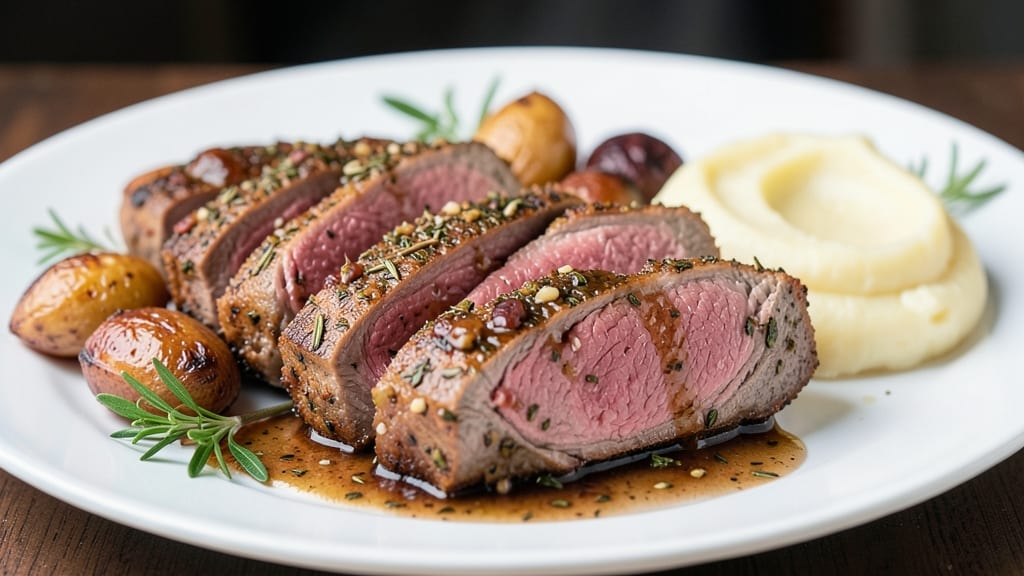
This Angus beef tenderloin recipe delivers melt-in-your-mouth perfection with a herb-crusted exterior and pink-centered tenderness—exactly what makes it restaurant-worthy. The secret lies in precise temperature control and a flavorful crust that locks in juices while adding depth without overpowering the beef’s natural richness. I’ve perfected this method after years of testing, ensuring every bite is luxurious yet approachable for home cooks.
The reverse sear technique is your best friend here: slow-roasting the beef to an ideal internal temperature before finishing with a high-heat sear creates a crispy crust while keeping the inside juicy and pink. A blend of fresh herbs, garlic, and Dijon mustard forms the crust, infusing the beef with aromatic complexity without masking its buttery tenderness. This isn’t just a recipe—it’s a game-changer for special occasions or when you want to impress.
What you’ll end up with is a showstopping centerpiece that’s tender enough to cut with a fork yet holds its shape beautifully. The herb crust adds a fragrant, slightly charred contrast to the beef’s velvety texture, making every slice worth savoring. Serve with roasted root vegetables or a creamy mashed potato to elevate the dish further. This is the kind of meal that transforms a dinner into an experience.
Ready in about 2 hours (including resting time), this recipe is designed for confidence—not stress. The key is patience: letting the beef rest after cooking ensures maximum juiciness, while the crust stays intact. Whether you’re grilling, roasting, or searing, the method remains foolproof. Let’s get started on creating your most impressive steak yet.
Ingredients for angus beef tenderloin
Six ingredients transform simple beef into restaurant-worthy elegance—herbs, butter, and patience do the work.
| Ingredient | Amount | Notes |
|---|---|---|
| Angus Beef Tenderloin 🥩 | 4 lb | Center-cut, trimmed of silver skin |
| Extra-Virgin Olive Oil 🫒 | ¼ cup | For crust and searing |
| Fresh Thyme Leaves 🌿 | ½ cup | Stems removed, finely chopped |
| Fresh Rosemary 🍃 | ¼ cup | Needles finely chopped |
| Garlic Cloves 🧄 | 6 cloves | Minced, not pressed |
| Dijon Mustard 🍯 | 2 tbsp | High-quality, not mild |
| Kosher Salt 🧂 | 1 ½ tbsp | Diamond Crystal preferred |
| Freshly Ground Black Pepper 🌶️ | 1 tbsp | Coarsely ground |
| Unsalted Butter 🧈 | ½ cup | Cold, cubed for crust |
| Fresh Parsley Leaves 🌿 | ¼ cup | Chopped, for garnish |
| All-Purpose Flour 🌾 | 2 tbsp | For dusting |
The Angus tenderloin is the star—center-cut, not flank or sirloin—and you’ll find it at Whole Foods or your butcher’s counter. Look for rich marbling and ask for it trimmed of silver skin; that’s what makes it tender. I always buy mine from Costco when it’s on sale (about $30/lb), but local farms often have better quality. If you’re buying a whole tenderloin, trim it yourself—silver skin is tough and unappetizing. The herb crust needs fresh thyme and rosemary—dried won’t give the same aroma, but if that’s all you’ve got, double the amount and toast the needles in a dry pan first.
No Dijon mustard? Yellow mustard in a pinch—just add a pinch of sugar to balance. The olive oil should be extra-virgin, not light—it’s the base for the crust’s richness. For the butter, Plugrá or Land O’Lakes unsalted works perfectly, but European-style butter (like President) adds even more depth. The garlic can be roasted for a sweeter flavor—just toss whole cloves with oil and roast at 400°F for 10 minutes before mincing. If you’re short on time, jarred minced garlic (the kind in tubes) is fine, but fresh is always better. The crust mix should look like wet sand—not too dry, not too sticky.
This beef rests best overnight in the fridge after trimming—3-4 days max for optimal tenderness. The herb crust keeps in the fridge for 3 days if prepped ahead (store in a sealed container). For the big day, take the beef out 1 hour before cooking to bring it to room temperature. The crust can be made a day ahead and stored in the fridge—just mix everything together right before applying. Leftovers? Slice thin, reheat in a skillet with a splash of beef broth for 2 minutes—it’ll taste even better the second time around.
Why You'll Love This Recipe
- No Fuss, Big Payoff: This takes less than 45 minutes—no fancy searing, no basting, just a quick sear in olive oil and a rosemary-thyme-garlic rub. Honestly, the hardest part is waiting for the meat thermometer to hit 130°F.
- That First Bite Magic: The tenderloin melts like butter, but the crust? Chef’s kiss. The garlic and rosemary caramelize into a fragrant, savory crust that makes every slice feel like a restaurant-worthy moment—no overpriced steakhouse needed.
- Weeknight to Weekend: Slice it thin for sandwiches, cube it for grain bowls, or serve it whole for a showstopping centerpiece. Between us, I’ve used leftovers in breakfast hash (yes, really) and it still tasted like a celebration.
- Leftovers That Don’t Suck: Cook once, eat twice—no sad, dry reheats. The tenderloin stays juicy when sliced and reheated gently, and the herb-infused oil keeps it packed with flavor. My freezer’s full of these, and they’re my secret weapon for lazy Sundays.
Step-by-step instructions for herb-crusted Angus beef tenderloin
Here's how to transform that premium cut into melt-in-your-mouth perfection with a fragrant herb crust.
Prepare the Herb Crust Mixture
In a medium bowl, combine the 0.5 cup fresh thyme leaves, 0.25 cup fresh rosemary, 6 cloves minced garlic, 2 tbsp Dijon mustard, 1.5 tbsp kosher salt, and 1 tbsp freshly ground black pepper. Mix until the herbs are evenly distributed and the mustard creates a cohesive paste. This aromatic blend will form the flavorful crust that seals in juices during cooking.
Next, add the 0.25 cup extra-virgin olive oil and 0.5 cup cold unsalted butter, cubed. Use your fingers to work the butter into the herb mixture until it resembles coarse sand—this texture ensures even distribution on the tenderloin. The butter adds richness while the oil helps create that coveted golden-brown crust. Set aside while you prepare the meat.
Season and Coat the Tenderloin
Pat the 4 lb Angus beef tenderloin completely dry with paper towels—this is crucial for achieving that perfect sear. Working in batches, coat the entire surface generously with the herb butter mixture, pressing firmly to ensure adhesion. The tenderloin's natural shape makes this easier than you'd think, but don't rush—every crevice should be covered.
Transfer the coated tenderloin to a plate and let it sit at room temperature for 30 minutes while your oven preheats. This resting period allows the seasoning to penetrate slightly and ensures even cooking. I like to tent it loosely with plastic wrap during this time to prevent drying.
Sear for Maximum Flavor Development
Preheat your oven to 425°F with a rack positioned in the lower third. Heat a heavy oven-safe skillet over high heat until smoking hot. Add the tenderloin and sear on all sides for 3-4 minutes per side until deeply golden brown. The high heat caramelizes the sugars in the herb crust, creating that irresistible flavor profile.
Once seared, transfer the skillet to the preheated oven. Roast for 20-25 minutes for medium-rare (internal temperature 125°F), or until the crust is perfectly crisp and the meat registers 5°F below your desired doneness. A meat thermometer is your best friend here—insert it horizontally into the thickest part to avoid hitting bone.
Rest and Garnish for Presentation
Remove the tenderloin from the oven and transfer it to a cutting board. Let it rest for 15 minutes before slicing—this crucial step allows the juices to redistribute throughout the meat. The crust will stay intact while the interior remains perfectly tender. I know it's tempting to cut into it immediately, but trust me on this one.
While resting, dust the top with 2 tbsp all-purpose flour and garnish with 0.25 cup chopped fresh parsley leaves. The flour adds a subtle crunch while the parsley provides a fresh contrast to the rich herb crust. Slice against the grain into 1-inch thick medallions and serve immediately with your favorite sides. Each bite should deliver that perfect balance of tender beef, fragrant herbs, and buttery richness.
Pro Tips For Making Angus Beef Tenderloin
- USE A MEAT THERMOMETER: I learned this the hard way—Angus tenderloin looks done before it actually is. Aim for 125°F internal temp (medium-rare) and pull it immediately when it hits. That 5-degree buffer keeps it juicy, and resting will carry it to 130°F.
- SMASH THE GARLIC: Skip the minced garlic—it burns fast. Instead, crush 3-4 whole cloves with the flat side of your knife, then let them sit in the hot oil for 30 seconds. This infuses flavor without turning bitter, and the texture stays intact.
- DON’T SKIP THE DRYING: Pat the tenderloin thoroughly with paper towels before searing. I used to rush this, and my crust would turn soggy instead of golden. A dry surface = better Maillard reaction, and that’s where the flavor lives.
- REST IT UNDER FOIL: Let the meat rest 5-10 minutes wrapped in foil after roasting. I know, I know—it’s tempting to slice right away. But this traps heat and keeps the juices from pooling on the cutting board. Your first slice will be way more tender.
Serving suggestions for leftovers
Classic Side Pairings
Roasted root vegetables bring out the beef’s richness beautifully—try carrots, parsnips, and sweet potatoes tossed in olive oil, thyme, and sea salt, then roasted at 400°F for 40 minutes. Their caramelized edges contrast perfectly with the tenderloin’s buttery crust. I also love creamy garlic mashed potatoes—whip 2 lbs Yukon Gold potatoes with ½ cup unsalted butter, ½ cup whole milk, and 4 minced garlic cloves for a velvety finish. 🥔
Elegant Garnishes
Fresh microgreens or chopped chives add a pop of color and brightness to the plate. For extra flair, drizzle with reduced red wine (simmer 1 cup dry red wine with 1 tbsp shallots and 1 sprig rosemary for 5 minutes) or truffle oil (just ½ tsp goes a long way). A sprinkle of flaky sea salt right before serving enhances the herb crust’s depth. 🌿
Wine Pairings
A bold Cabernet Sauvignon from Napa Valley—like Opus One or Caymus Vineyards—complements the beef’s richness without overpowering the herb notes. For a lighter option, try a Pinot Noir from Oregon, such as Domaine Serene, which balances the dish’s buttery texture with bright acidity. Avoid heavy, oaky wines that might compete with the crust’s complexity. 🍷
Make-Ahead Sides
Prep sides in advance to streamline your cooking day. Balsamic-glazed Brussels sprouts (roast at 425°F for 25 minutes, then toss with 2 tbsp balsamic reduction) keep well for 2 days in the fridge. Wild mushroom risotto (cooked with white wine, shallots, and Parmesan) can be reheated gently with a splash of broth. Both reheat beautifully and elevate the tenderloin’s presentation. ⏰
Unexpected Twists
Swap traditional sides for charred corn on the cob (brush with chili-lime butter) or smoky black bean purée (blend 1 can black beans, ½ avocado, and lime juice). These add unexpected textures and flavors that pair surprisingly well with the beef’s elegance. For a dessert connection, serve with dark chocolate-dipped strawberries—the bitterness cuts through the richness. 🍓
Nutrition facts
Frequently asked questions
Can I use a different cut of beef instead of tenderloin?
The tenderloin is ideal because of its natural tenderness and lean marbling, but you could try filet mignon or strip steak for similar results. Just note that these cuts have more connective tissue, so they won't be as fork-tender. For best results, stick with a well-marbled, center-cut piece and adjust cooking times accordingly.
How do I know when the beef is perfectly cooked?
Use a meat thermometer for accuracy—125°F for medium-rare, 135°F for medium. The reverse sear method ensures a perfect crust while keeping the inside juicy. For visual cues, look for a deep golden-brown crust and a slight springiness when pressed gently with your finger.
Can I make this recipe ahead of time?
Prep the herb crust up to 3 days ahead and store it in the fridge. For the beef itself, trim and season it 1 day ahead and refrigerate uncovered (this helps dry the surface for better searing). On cooking day, bring it to room temperature and proceed with the recipe as written.
What if I don't have a meat thermometer?
No problem! For medium-rare, cut into the thickest part—it should feel slightly soft in the center with a bit of resistance. If it's too firm, it's overcooked. The reverse sear method gives you more control than traditional cooking, so even without a thermometer, you'll get consistent results.
How should I store leftovers?
Slice the beef into 1-inch medallions and store in an airtight container with any leftover herb crust. It keeps well in the fridge for 3-4 days. For longer storage, freeze portions for up to 3 months. Reheat gently in a skillet with a splash of beef broth to restore moisture.