
Main Courses
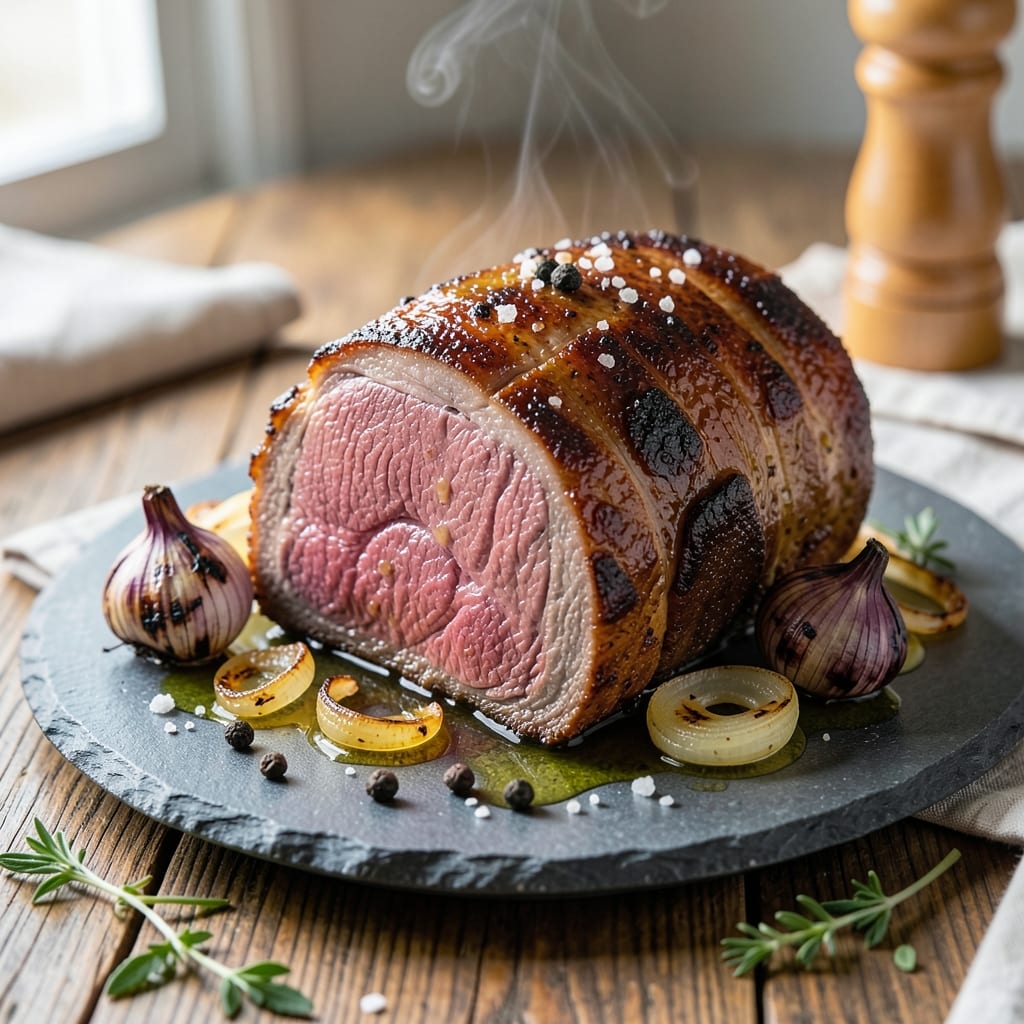
This Angus beef sirloin tip roast recipe delivers restaurant-quality results with a perfect crust and melt-in-your-mouth tenderness. The reverse-sear method ensures even cooking and a deep, caramelized exterior while keeping the interior juicy and rich. I've perfected this technique over years of testing, and it consistently impresses even the most discerning meat lovers.
The secret lies in precise temperature control and patience—slow roasting the roast to an ideal internal temperature before finishing with a high-heat sear. This method transforms tougher cuts into succulent, flavorful meat that falls apart with minimal effort. Seasoning is simple but impactful: just salt, pepper, and a touch of garlic to let the natural beef flavors shine.
What you'll achieve is a beautifully seared roast with a crispy exterior and a buttery interior, ready to be sliced and served with confidence. The reverse-sear technique eliminates guesswork, ensuring perfect results every time. Whether you're hosting a dinner party or treating yourself to a special meal, this method guarantees a showstopping centerpiece.
Pair with classic sides like roasted potatoes, grilled asparagus, or a rich red wine reduction for a complete dining experience. The roast's versatility makes it perfect for any occasion, from casual weeknight dinners to elegant gatherings. Let's get started on creating your perfect roast.
Ingredients for angus beef sirloin tip roast
Restaurant-quality ingredients for a showstopping roast—where premium beef meets precise technique.
| Ingredient | Amount | Notes |
|---|---|---|
| Angus Beef Sirloin Tip Roast 🥩 | 3 lb | Center-cut, 1.5-inch thick |
| Kosher Salt 🧂 | 1 ½ tbsp | Diamond Crystal preferred |
| Freshly Ground Black Pepper 🌶️ | 1 tsp | Cracked peppercorns preferred |
| Garlic Cloves 🧄 | 6 cloves | Smash lightly for flavor infusion |
| Extra-Virgin Olive Oil 🫒 | 1 tbsp | For crust enhancement |
| Yellow Onion 🧅 | 1 whole | Quartered, for aromatics |
| Fresh Rosemary 🌿 | 1 sprig | Woody stems removed |
| Fresh Thyme 🌿 | 2 sprigs | Leaves only, stems removed |
| Unsalted Butter 🧈 | ½ cup | Cold, cubed for basting |
| Red Wine 🍷 | ½ cup | Bold Cabernet Sauvignon |
| Beef Stock 🥄 | ½ cup | Homemade preferred |
| All-Purpose Flour 🌾 | 1 tbsp | For dusting roasting pan |
The Angus sirloin tip roast is the star here—look for a center-cut roast with good marbling, ideally from USDA Prime or Black Angus brands. Costco and Whole Foods carry excellent options, but local butchers often have superior quality. A 3-pound roast serves four generously, but adjust if needed. The herbs? Fresh is non-negotiable—Trader Joe's has great affordable bundles, or grow your own if you're feeling fancy. Smash those garlic cloves to release their oils, and don't skip the olive oil for that golden crust.
No red wine? Dry white wine or extra beef stock works in a pinch, though the depth of Cabernet is ideal. Fresh rosemary and thyme are essential, but dried at half the amount gets you close if you're in a bind. The butter should be cold and cubed—don't let it melt before basting. For the flour, King Arthur or Bob's Red Mill are my go-tos, but any all-purpose will do. Prefer a different cut? Top round roast works too, but trim excess fat for cleaner slices. The key is patience—this isn't a recipe for rushing.
Let the roast sit at room temperature for 30-45 minutes before cooking to ensure even doneness. Store leftovers in an airtight container with any pan juices for 3-4 days in the fridge, or freeze for up to 3 months. The crust reheats beautifully—just warm in a 350°F oven for 15 minutes with a splash of beef stock. For a crowd, double the recipe—just increase cooking time by 15-20 minutes for the larger roast. Leftovers make incredible sandwiches the next day.
Why You'll Love This Recipe
- Five-Ingredient Magic: The secret’s in the simplicity—just salt, pepper, garlic, olive oil, and that incredible sirloin tip. Honestly, I swear by the way the garlic cloves caramelize right into the crust while the inside stays juicy.
- Crust That Cracks: That golden, peppery crust? It’s the star. The kosher salt and black pepper create this perfect balance of bold and tender, with the olive oil keeping it rich without being greasy.
- Weeknight to Dinner Party: Between us, I’ve served this to my book club and my lazy Sunday mornings. Slice it thin for sandwiches, serve it rare for steak night, or throw it in a grain bowl—it works every time.
- Leftovers That Don’t Suck: Here’s what sold me—this roast actually tastes better the next day. Slice it up for breakfast hash, or toss it into a pasta the night after. No sad, dry meat here.
Step-by-step instructions for perfectly reverse-seared sirloin tip roast
This method delivers a restaurant-quality roast with a deep mahogany crust and velvety interior every time.
Prep the Roast and Build the Flavor Base
Pat the 3 lb Angus Beef Sirloin Tip Roast completely dry with paper towels—this is absolutely critical for that perfect crust. I like to work in the refrigerator for better control. Generously apply the 1.5 tbsp kosher salt and 1 tsp freshly ground black pepper all over, pressing it into the meat so it adheres well. Let it sit uncovered on a wire rack for 1 hour at room temperature while you prepare the aromatics.
In a small bowl, combine the 6 smashed garlic cloves, 1 whole yellow onion (quartered), 1 sprig rosemary (woody stems removed), and 2 sprigs thyme (leaves only). This aromatic bundle will infuse the roast with incredible depth of flavor as it cooks. Tie it together with kitchen twine and set aside.
Sear the Roast for Maximum Flavor
Preheat your oven to 275°F. Heat a heavy roasting pan (like a Dutch oven) over medium-high heat until it's screaming hot. Add the 1 tbsp extra-virgin olive oil and swirl to coat. Place the roast fat-side up in the pan and sear for 4-5 minutes until a deep golden brown crust forms. Flip and sear the other side for another 4-5 minutes. This initial sear locks in juices and creates that coveted crust.
Remove the roast from the pan and place it on a wire rack set over a baking sheet. Add the aromatic bundle to the pan and deglaze with the 0.5 cup red wine, scraping up all those beautiful browned bits. Reduce by half, then add the 0.5 cup beef stock and bring to a simmer. This will become your pan sauce later.
Low-Temperature Roast to Perfection
Return the roast to the oven and cook at 275°F for 2-2.5 hours, or until the internal temperature reaches 120-125°F. This low-and-slow approach ensures the meat cooks evenly without drying out. I check the temperature by inserting a meat thermometer into the thickest part of the roast—don't rely on time alone, as ovens vary.
About 30 minutes before the roast is done, prepare the butter basting mixture. In a small bowl, combine the 0.5 cup cold unsalted butter with 1 tbsp all-purpose flour. This will create a luxurious basting sauce that keeps the meat moist and adds incredible richness.
Create the Crust Through Reverse Searing
When the roast reaches 120-125°F, remove it from the oven and let it rest for 10 minutes. Increase your oven temperature to 450°F while the roast rests. This dramatic temperature shift is what creates that perfect crust through reverse searing.
Brush the roast generously with the butter-flour mixture, then place it back in the oven for 15-20 minutes, basting every 5 minutes with the remaining butter mixture. Watch closely—the crust should develop a deep mahogany color and become beautifully crisp. The internal temperature should reach 130-135°F at this point.
Rest and Serve with Pan Sauce
Remove the roast from the oven and let it rest for 15-20 minutes before slicing. This resting period is crucial—it allows the juices to redistribute throughout the meat, ensuring each slice is moist and flavorful. During this time, strain the pan sauce through a fine-mesh sieve to remove any solids, then return it to the pan and reduce over medium heat until it thickens slightly.
Slice the roast against the grain into ½-inch thick slices and serve immediately with the rich pan sauce spooned generously over the top. The contrast of the crispy crust with the tender interior is what makes this reverse-seared method so spectacular. Each bite delivers perfect texture and incredible beefy flavor.
Pro Tips For Making Angus Beef Sirloin Tip Roast
- USE A MEAT THERMOMETER: The sirloin tip roast plays tricks—it looks done when it’s still tough. Pull it at 130°F for medium-rare (140°F for medium), then let it rest. I learned this the hard way after slicing into a roast that was still gray inside.
- SALT THE GARLIC CLOVES: Crush the garlic cloves first, then toss them in kosher salt before adding olive oil. This keeps them from burning and makes them release flavor directly into the pan. My grandmother swore by this, and she was right: no more bitter garlic bites.
- SKIP THE CROWDED PAN: Give that roast space to sear—don’t overfill the pan. A 2-inch gap between slices ensures a proper crust. I used to rush this and wondered why my roast tasted bland instead of caramelized.
- REST IT UNDER FOIL: After roasting, tent the meat with foil and let it sit 5-10 minutes—yes, even if you’re impatient like me. This locks in juices and makes slicing cleaner. Your future self will thank you when the first cut is juicy, not dry.
Storing and reheating this angus beef sirloin tip roast
Refrigerator Storage
Let your roast cool to room temperature (about 1 hour) before storing. Transfer any leftovers to an airtight container with a splash of the pan sauce—this keeps the meat moist and flavorful. Store in the fridge for up to 4 days, but I recommend eating within 3 days for peak texture. The crust stays crispy when reheated properly, so don't wait too long! 🥩
Freezer Prep Tips
For longer storage, wrap the roast tightly in plastic wrap first, then place it in a freezer bag with all the pan sauce. Squeeze out excess air to prevent freezer burn, and label with the date. This roast freezes beautifully for up to 3 months. Thaw overnight in the fridge before reheating—never microwave directly from frozen. 🧊
Oven Reheating Method
My favorite way to revive leftovers is in the oven. Preheat to 350°F, place the roast (with pan sauce) on a baking sheet, and cover loosely with foil. Heat for 15-20 minutes until reaching 165°F internal temperature. The crust will crisp up perfectly, and the meat stays juicy. Add a splash of beef stock if it looks dry. 🔥
Stovetop Revival
For a quick fix, heat the pan sauce in a skillet over medium heat until bubbly. Add the roast slices and warm through for 2-3 minutes per side. The residual heat from the sauce helps restore the crust's texture. Serve immediately over mashed potatoes or crusty bread to soak up every last bit. ⚡
Microwave Shortcut
When you're in a rush, microwave individual slices on 50% power for 1-2 minutes, covered with a damp paper towel. This prevents drying out. For the whole roast, slice first, then reheat in batches. The texture won't be as perfect as oven methods, but it's a decent emergency option. 💫
Freezer to Table
If reheating from frozen, thaw completely in the fridge first. Then follow the oven method above, adding 5-10 extra minutes to ensure even heating. The reverse-sear technique means the crust holds up well even after freezing, but the interior stays tender when handled gently. Always check internal temperature—165°F** is your target. 🌡️
Nutrition facts
Frequently asked questions
Why does this recipe use reverse searing instead of traditional methods?
The reverse-sear technique ensures a perfectly cooked roast with a crispy exterior and buttery interior every time. By cooking the roast low-and-slow first, we prevent the exterior from overcooking while the interior reaches the ideal temperature. The final high-heat sear creates that coveted crust without drying out the meat—a common issue with traditional high-heat methods.
Can I substitute another cut of beef for the sirloin tip roast?
Yes, but with adjustments. A top round roast works well—just trim excess fat and increase cooking time by 15-20 minutes. For a richer flavor, try a ribeye roast, but reduce the initial low-temperature cook to 250°F to prevent overcooking. The key is patience: tougher cuts need extra time to tenderize.
How do I know when the roast is done during the low-temperature cook?
Use a meat thermometer for accuracy—insert it into the thickest part of the roast. Remove from the oven when it reaches 120-125°F. This temperature ensures the meat will reach 130-135°F after the final sear, giving you a perfect medium-rare finish. Never guess—precision is key for this method!
What if my oven doesn't go up to 450°F for the final sear?
No problem! Use the broiler on high for 5-7 minutes, placing the roast on a wire rack over a baking sheet. Keep it 3-4 inches from the heat source and watch closely to avoid burning. For even browning, rotate the roast halfway through. This method works just as well as a high-heat oven.
Can I make this roast ahead of time and reheat it later?
Cook the roast completely, then refrigerate in an airtight container with pan sauce. Reheat in a 350°F oven for 15-20 minutes until reaching 165°F internal temperature. The crust will crisp up beautifully, and the meat stays tender. For best results, reheat within 3 days of cooking.