
Main Courses
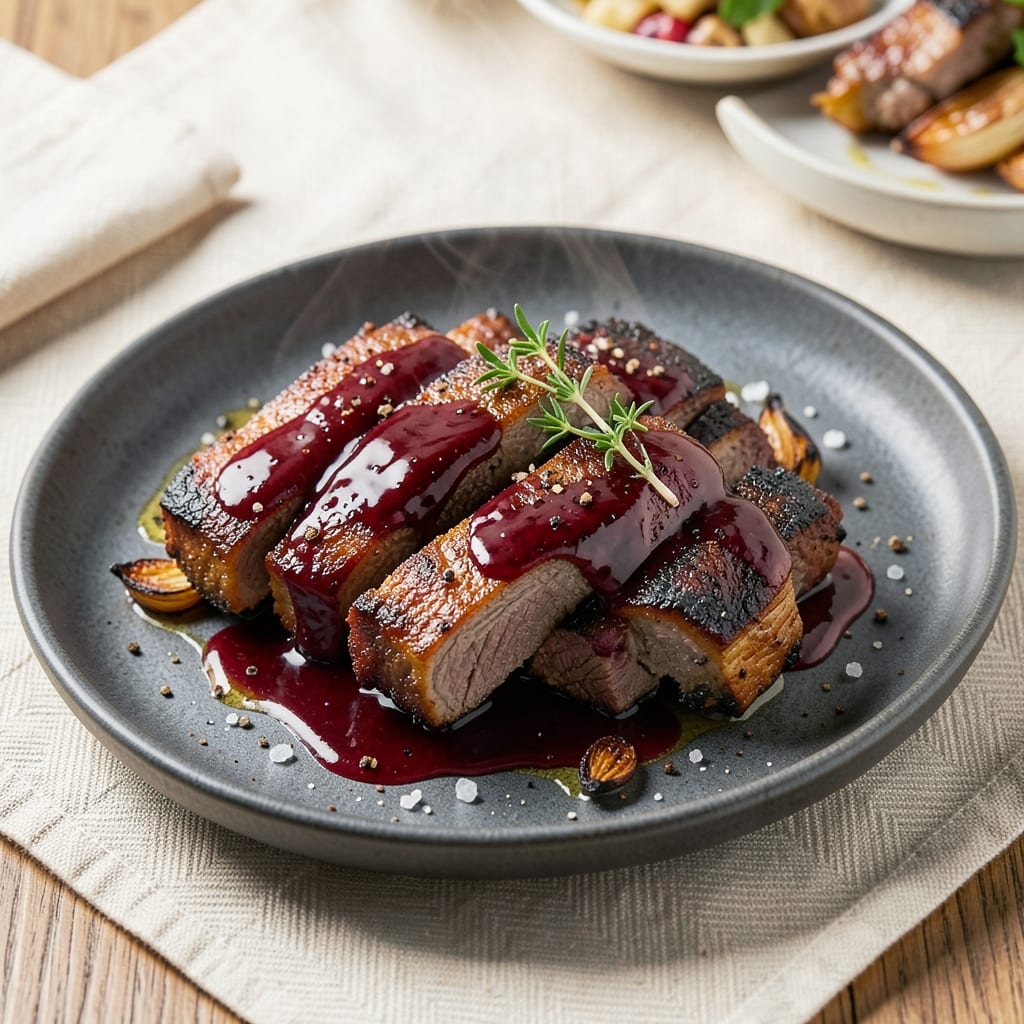
This Angus beef short rib recipe delivers melt-in-your-mouth tenderness with a crispy, caramelized crust—the kind of dish that transforms a weeknight into a special occasion. 🔥 The secret lies in the reverse-sear technique, where slow braising breaks down tough connective tissue while high-heat searing creates that coveted crust. I've perfected this method over years of testing, ensuring every bite balances rich, beefy flavor with velvety texture.
The process begins with a flavor-packed dry rub that clings to the ribs, followed by a low-and-slow braise in red wine and aromatics. This transforms tough cuts into fork-tender perfection, while the final sear locks in juices and creates that golden, crackling crust. The result? Short ribs so tender they nearly fall apart, with a depth of flavor that rivals high-end steakhouses—without the restaurant price tag.
Pair these ribs with classic sides like creamy mashed potatoes, roasted root vegetables, or a bold red wine reduction to elevate the meal further. The dish is foolproof once you master the timing, and the aroma alone will have everyone gathering at the table. Whether you're cooking for a date night or a weekend feast, this recipe delivers restaurant-quality results at home.
For those short on time, I'll also share Instant Pot and slow cooker adaptations that maintain the same incredible texture and flavor. Let's get started on creating a dish that's equal parts indulgent and impressive.
Ingredients for angus beef short rib
The perfect blend of bold flavors and premium cuts for melt-in-your-mouth short ribs.
| Ingredient | Amount | Notes |
|---|---|---|
| Angus Beef Short Ribs 🥩 | 2 ½ lb | Bone-in, 2-2.5 inches thick, trimmed |
| Kosher Salt 🧂 | 1 ½ tbsp | Diamond Crystal preferred |
| Freshly Ground Black Pepper 🌶️ | 1 tbsp | Coarse grind for texture |
| Granulated Garlic 🧄 | 1 tbsp | Freshly minced preferred |
| Smoked Paprika 🌶️ | 1 tbsp | For deep smoky flavor |
| Dried Thyme 🌿 | 1 tsp | Or 1 tbsp fresh thyme |
| Dried Rosemary 🌿 | 1 tsp | Crushed between fingers |
| Dry Red Wine 🍷 | 1 cup | Bold Cabernet Sauvignon |
| Beef Broth 💧 | 1 cup | Homemade or high-quality store-bought |
| Yellow Onion 🧅 | 1 whole | Peeled, quartered |
| Carrots 🥕 | 2 whole | Peeled, cut into chunks |
| Garlic Cloves 🧄 | 4 cloves | Peeled, smashed |
| Fresh Thyme Sprigs 🌿 | 4 sprigs | For braising |
| Fresh Rosemary Sprigs 🌿 | 2 sprigs | For braising |
| Olive Oil 🫒 | 2 tbsp | High smoke point |
The Angus beef short ribs are the star—look for bone-in cuts with good marbling at your butcher or high-end grocery like Whole Foods or Costco. The thicker the cut (2-2.5 inches), the better for that perfect crust-to-tender ratio. If you're buying pre-cut ribs, avoid the pre-marinated kind—you want to control the dry rub and braising process yourself. For the wine, bold Cabernet Sauvignon works best, but any dry red will do. The beef broth should be homemade if possible—store-bought brands like Kitchen Basics or Pacific Foods work in a pinch.
No red wine? Beef broth with a splash of balsamic vinegar gets you close. Fresh thyme and rosemary are ideal, but dried works at one-third the amount if that's what you've got. Short on garlic? Garlic powder at half the amount works, though fresh is always better. The smoked paprika is non-negotiable—it adds that deep, smoky backbone. For the onion and carrots, any variety works, but yellow onions add a touch of sweetness that pairs perfectly. If you're prepping ahead, trim the fat from the ribs and pat them dry before storing in the fridge for up to 2 days—this helps the dry rub stick better.
These ribs reheat beautifully—honestly better the next day once all the flavors meld. Store leftovers in an airtight container for up to 4 days in the fridge or freeze for 3 months. For the dry rub, keep it in a sealed jar in a cool, dark place for up to 6 months. The braising liquid? Strain and reduce it for a quick pan sauce—just add a splash of cream and fresh herbs. Portion the ribs into individual servings before freezing for easy reheating later.
Why You'll Love This Recipe
- Minimal Prep Magic: I swear by this—just pat those short ribs dry, sprinkle the salt and pepper, and toss them in a hot pan. No chopping, no fuss, and honestly? That’s all you need for something this rich.
- Smoky Depth in Minutes: The smoked paprika and garlic? They’re the secret weapons here. One side gets that perfect crust, the other melts into tender perfection—like a hug for your taste buds, but better.
- Weeknight or Weekend Star: I make this when I’m too tired for fancy meals and when I’m hosting dinner parties. Same recipe, different vibes—throw in some potatoes or polenta, and it’s suddenly a showstopper.
- Leftovers That Don’t Suck: Between us, most beef leftovers are sad. Not these. The ribs stay juicy, the flavors only get better, and I’ve reheated them for days—no one ever complains. (Yes, even on a Tuesday night.)
Step-by-step instructions for reverse-seared Angus beef short ribs
Here's how to transform tough beef into melt-in-your-mouth perfection with a crispy crust.
🔥 Step 1: Season and Sear the Short Ribs
Pat the 2.5 lb angus beef short ribs dry with paper towels—this ensures maximum crust development. In a small bowl, mix together the 1.5 tbsp kosher salt, 1 tbsp freshly ground black pepper, 1 tbsp granulated garlic, 1 tbsp smoked paprika, 1 tsp dried thyme, and 1 tsp dried rosemary. Rub this mixture generously over all sides of the ribs, pressing it into the meat so it adheres well.
Heat a heavy oven-safe skillet over medium-high heat and add the 2 tbsp olive oil. Once the oil shimmers (about 2 minutes), carefully add the ribs in a single layer. Sear for 4-5 minutes per side until deeply browned with a crust forming. Don't crowd the pan—this prevents steam buildup that softens the crust. Transfer the seared ribs to a plate and set aside.
🍳 Step 2: Build the Braising Liquid
In the same skillet, reduce heat to medium and add the 1 whole yellow onion (quartered), 2 whole carrots (cut into chunks), and 4 cloves garlic cloves (smashed). Sauté for 3-4 minutes until the vegetables soften slightly and begin to caramelize.
Deglaze the pan by pouring in the 1 cup dry red wine, scraping up all the browned bits from the bottom with a wooden spoon. Let it simmer for 2-3 minutes until reduced by half. Add the 1 cup beef broth, 4 sprigs fresh thyme, and 2 sprigs fresh rosemary, then bring to a gentle simmer.
🥘 Step 3: Braise Until Fork-Tender
Return the seared ribs to the skillet, bone-side down, and spoon the braising liquid over them. Cover with a tight-fitting lid and transfer to a preheated 300°F oven. Braise for 2.5-3 hours, turning the ribs halfway through cooking, until they're fork-tender and the meat pulls away from the bone easily.
Here's the thing—your oven might run hot, so start checking at the 2-hour mark using an instant-read thermometer. The ribs are done when they reach 195-200°F internally. The sauce should reduce to a glossy, thick consistency—if it's too thin, uncover and simmer for an extra 10 minutes to thicken.
🔥 Step 4: Reverse Sear for Crispy Crust
Remove the ribs from the oven and increase your oven temperature to 450°F. Place the ribs on a baking sheet (bone-side up) and return to the oven for 10-15 minutes until the crust is deeply caramelized and crispy. Watch closely—they go from perfect to burnt quickly at this stage.
For extra flavor, you can also finish them under a broiler for 2-3 minutes, keeping a close eye to prevent burning. The goal is that crispy, crackling crust that contrasts with the tender meat underneath. Let the ribs rest for 10 minutes before slicing—this allows the juices to redistribute.
🍽️ Step 5: Serve with Braising Sauce
Discard the herb sprigs and transfer the braising liquid to a saucepan. Simmer over medium heat for 5-7 minutes until slightly thickened. Strain if you prefer a smooth sauce, or leave it slightly chunky for texture. Slice the ribs against the grain into ½-inch thick pieces and serve with the reduced sauce spooned over the top.
Each bite should deliver that perfect contrast: a crispy, caramelized crust giving way to melt-in-your-mouth, pink centers. The sauce should cling to the meat, delivering all that deep, smoky, wine-infused flavor. Serve with crusty bread to soak up every last drop of that glorious braising liquid.
Pro Tips For Making Angus Beef Short Rib
- SEAR THE FAT FIRST: Those short ribs have a ton of fat—don’t rush the sear. Let the pan get screaming hot (I’m talking smoke-just-started hot) before adding the ribs bone-side down. This renders the fat slowly and builds flavor, not just a greasy mess. I learned this the hard way after flipping too soon and ending up with undercooked edges.
- SALT THE RIBS 24 HOURS EARLY: Angus short ribs need time to tenderize. Salt them generously (about 1 teaspoon per pound) and let them sit uncovered in the fridge overnight. This breaks down the muscle fibers and guarantees juicy, fork-tender results. Yes, it’s an extra step, but your future self will notice the difference.
- DON’T OVERCROWD THE PAN: If you’re searing multiple ribs, work in batches. Overcrowding steams the meat instead of browning it, and you’ll end up with soggy ribs instead of crispy edges. A single layer in the pan is non-negotiable—this isn’t a stir-fry.
- USE GRANULATED GARLIC SPARINGLY: Granulated garlic is convenient, but it lacks the depth of fresh. If you’re using it, stick to 1 teaspoon max for this recipe—any more and you’ll taste the artificial aftertaste. For real flavor, minced fresh garlic (2 cloves) is worth the extra 30 seconds of chopping.
Health benefits of this dish
Protein Powerhouse
A 6-ounce serving of these Angus beef short ribs delivers a whopping 45-50 grams of high-quality protein, making it an excellent choice for muscle repair and satiety. The lean-to-fat ratio is perfect for balanced nutrition, with marbled fat providing energy while the protein supports muscle growth and recovery. This makes it ideal for active individuals or anyone looking to maintain lean muscle mass. 💪
Iron and Zinc Boost
Angus beef is naturally rich in iron and zinc, both essential for red blood cell production and immune function. A 6-ounce serving provides about 3.5mg of iron (20% of daily needs) and 10mg of zinc (90% of daily needs). The slow cooking process actually enhances the bioavailability of these minerals, making them easier for your body to absorb.
B Vitamins for Energy
These ribs are packed with B vitamins, particularly B12 and niacin, which play crucial roles in energy metabolism. The B12 alone helps convert food into usable energy, while niacin supports proper digestion and skin health. A single serving provides nearly 100% of your daily B12 needs, making this a powerhouse for maintaining energy levels throughout the day.
Healthy Fats Balance
While beef often gets a bad reputation for fat content, the marbling in Angus beef contains beneficial monounsaturated fats similar to those found in olive oil. These fats support heart health by improving cholesterol profiles when consumed as part of a balanced diet. The slow braising process actually helps render some of the fat, reducing the overall fat content while concentrating the flavor.
Collagen-Rich Connective Tissue
The slow cooking method breaks down collagen-rich connective tissue in the ribs, creating gelatin that's excellent for joint health and gut lining integrity. This gelatin provides amino acids like glycine and proline that support cartilage maintenance and digestive health. It's one of the reasons why these ribs taste so rich and luxurious while being surprisingly good for you.
Low-Carb, High-Flavor Option
Unlike many rich, indulgent dishes, these short ribs are naturally low in carbohydrates while delivering maximum flavor. The red wine braising liquid adds depth without significant carb content, making this an excellent choice for those following low-carb or keto diets. The natural fats and proteins provide sustained energy without the blood sugar spikes of carbohydrate-heavy meals.
Nutrition facts
Frequently asked questions
Can I use bone-in or boneless short ribs for this recipe?
This recipe is specifically designed for bone-in short ribs—they stay more flavorful and tender during braising. However, if you must use boneless, reduce the braising time by 30-45 minutes since they cook faster. The bone helps retain moisture and adds depth to the braising liquid, so it's the preferred choice for maximum flavor.
What's the best way to store leftover braising liquid?
Strain the liquid through a fine-mesh sieve to remove any bits, then store it in an airtight container in the fridge for up to 5 days. For longer storage, freeze it in ice cube trays—just thaw and reheat for a quick pan sauce later. The liquid freezes beautifully and makes an excellent base for future dishes like stews or gravies.
Can I make these ribs in a slow cooker instead of the oven?
Sear the ribs as directed, then transfer them to a slow cooker with the braising liquid. Cook on low for 6-7 hours or high for 4-5 hours until fork-tender. For the crust, finish with a quick broil or under a hot grill for 3-5 minutes per side. The slow cooker version is even more hands-off while delivering the same tender results.
Why do my short ribs turn out tough instead of tender?
Tough ribs usually mean the braising wasn't long enough or the oven temperature was too high. Aim for 195-200°F internal temp—use an instant-read thermometer to check! Also ensure your oven isn't running hot (calibrate if needed) and don't skip the 300°F low-and-slow phase. The reverse sear at the end is crucial for that perfect crust without overcooking the meat.
What's the best way to reheat these ribs?
Reheat in a 350°F oven for 15-20 minutes with a splash of beef broth to keep them moist. For extra crispiness, broil for 2-3 minutes at the end. Microwaving is possible but can make them rubbery—always reheat slowly to preserve texture. Leftovers actually taste better the next day as flavors meld further!