
Soups & Stews
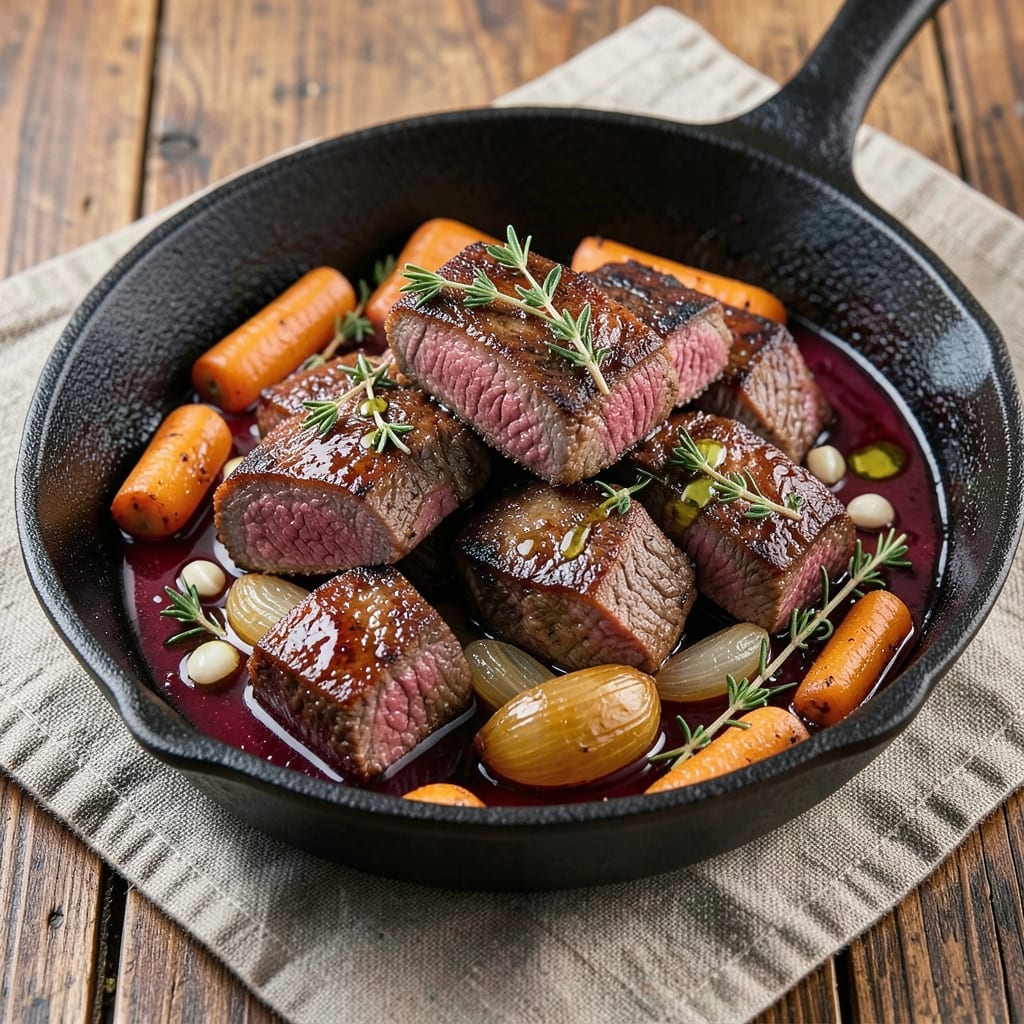
Transforming tough angus beef round into fork-tender, melt-in-your-mouth bites is an art—and this slow-braised method delivers restaurant-quality results at home. The secret lies in patience: searing the meat first locks in juices, while a long, low simmer breaks down tough fibers into luxurious tenderness. I've perfected this technique over years of testing, and the difference between store-bought and homemade is undeniable.
This recipe builds flavor through layers: a rich red wine reduction, aromatic vegetables, and herbs that infuse the meat as it cooks. The process takes time—about 3 hours of hands-off braising—but the result is worth every minute. You'll end up with beef so tender it practically falls apart, infused with deep, savory notes that make every bite unforgettable. The sauce thickens beautifully, coating each piece in a velvety, flavorful glaze.
What makes this dish truly special is its versatility. Serve it as a hearty main course with mashed potatoes and roasted vegetables, or transform it into sliders for game day. The braising technique works equally well for feeding a crowd or meal prepping for the week. The key is letting the meat rest after cooking—this crucial step ensures juices redistribute for maximum tenderness.
For those who prefer modern twists, consider a reverse sear approach after braising: finish the beef in a hot pan for a caramelized crust while keeping the interior perfectly tender. The possibilities are endless, but the foundation—slow cooking with love and attention—remains the same. Let's get started on creating beef so good, it'll become your new signature dish.
Ingredients for angus beef round
Pantry staples plus a few key ingredients transform tough beef round into restaurant-quality bites.
| Ingredient | Amount | Notes |
|---|---|---|
| Angus Beef Round 🥩 | 2 ½ lb | Cut into 2-inch cubes, trimmed of fat |
| Red Wine 🍷 | 2 cups | Bold dry variety like Cabernet Sauvignon |
| Carrots 🥕 | 3 whole | Medium size, peeled and cut into chunks |
| Yellow Onion 🧅 | 1 whole | Medium size, sliced into half-moons |
| Garlic Cloves 🧄 | 6 cloves | Peeled and lightly smashed |
| Fresh Thyme 🌿 | ¼ cup | Stems removed, leaves chopped |
| Fresh Rosemary 🌿 | ¼ cup | Needles finely chopped |
| Beef Broth 💧 | 2 cups | Low-sodium preferred |
| Tomato Paste 🍅 | 2 tbsp | Smooth texture preferred |
| Olive Oil 🫒 | 2 tbsp | Extra-virgin for richness |
| Salt 🧂 | 1 ½ tsp | Diamond Crystal kosher salt |
| Black Pepper 🌶️ | ½ tsp | Freshly ground preferred |
| Bay Leaves 🍃 | 2 whole | Dried, standard size |
| All-Purpose Flour 🌾 | 2 tbsp | For thickening sauce |
The beef is everything here. Angus round has just enough marbling for flavor without excess fat—look for cuts labeled 'top round' or 'eye of round' at Whole Foods or your local butcher. If you're buying a whole round roast, ask for it cut into 2-inch cubes (saves time). The wine matters too—any bold, dry red works here, but Cabernet Sauvignon or Merlot from the store's wine fridge are foolproof choices. Fresh herbs? Trader Joe's sells pre-chopped thyme and rosemary in little jars—perfect for this recipe.
No red wine? Beef broth with a splash of balsamic vinegar mimics the depth. Fresh thyme and rosemary? Dried works at one-third the amount, but the flavor won't be as bright. The tomato paste can be skipped if you're short, but it adds that umami punch. For the carrots and onions, baby carrots and pre-sliced onions from the store's prepped veggie section cut prep time in half. The flour is just for thickening—if you're watching carbs, cornstarch works too.
This dish tastes even better the next day—plan ahead. The braised beef keeps 4-5 days in the fridge, and the sauce freezes beautifully for 3 months. I like to portion the meat into containers with a little sauce, then reheat just until warmed through. For game day sliders, Costco's mini Hawaiian rolls are my go-to—they handle the juices perfectly. If you're making a big batch, double the sauce ingredients and freeze half for next time.
Why You'll Love This Recipe
- One-Pot Magic: The beef, veggies, and wine all simmer together—no extra bowls, no fuss. I swear by this method: just chop, dump, and let the red wine work its savory sorcery while I sip my coffee.
- Rich Without Effort: That deep, slow-cooked flavor? It’s all in the wine and garlic. The beef stays tender while the onions caramelize—minimal work for maximum "I’m a chef" vibes.
- Lunchbox Hero: Between us, this is my secret weapon for meal prep. Slice the beef, toss with rice, and boom—three days of lunches with zero repeat meals. My coworkers still ask for seconds.
- Budget Beef Boost: Angus round is lean but mighty, and the wine stretches it into a full meal. Honestly, it’s the kind of dish that makes grocery day feel like a win—filling, flavorful, and half the cost of steak.
Step-by-step instructions for slow-braised angus beef round
Transform tough cuts into melt-in-your-mouth bites with this foolproof braising method.
Sear the Beef for Deep Flavor
Heat the 2 tablespoons olive oil in a heavy Dutch oven over medium-high heat until shimmering. Working in batches to avoid crowding, add the 2.5 lb angus beef round cut into 2-inch cubes and sear for 2-3 minutes per side until deeply browned. This step develops the rich, caramelized crust that forms the flavor base for your braise.
Don't rush this—you want those cubes to develop a golden-brown crust before removing them. Transfer the seared beef to a plate as you work. Once all pieces are browned, reduce heat to medium and add the 1 whole yellow onion and 3 whole carrots, cooking for 3 minutes until they begin to soften slightly. This jump-starts their flavor infusion into the fond at the bottom of the pot.
Build the Aromatic Base
Add the 6 cloves garlic cloves, 0.25 cup fresh thyme, 0.25 cup fresh rosemary, 2 whole bay leaves, 1.5 teaspoons salt, and 0.5 teaspoon black pepper to the pot. Stir everything together for 30 seconds to let the herbs bloom and release their essential oils—this is when your kitchen should smell like a French countryside market.
Pour in the 2 cups red wine and scrape up any browned bits from the bottom of the pot with a wooden spoon. This deglazing captures all that concentrated beef flavor that would otherwise be lost. Let the wine simmer for 2-3 minutes until reduced by about half, creating a syrupy consistency that will coat your beef beautifully.
Braise Until Fork-Tender
Return the seared beef to the pot along with the 2 tablespoons tomato paste and 2 cups beef broth. Stir gently to combine, then bring the mixture to a gentle simmer. Here's the key: cover the pot with a tight-fitting lid and reduce heat to low—you want just enough heat to maintain a barely perceptible bubble at the edges.
Let it cook for 2.5 to 3 hours, checking occasionally to ensure there's always liquid in the pot. The beef is ready when a sharp knife slides in easily and the meat pulls apart with minimal resistance. If the liquid reduces too much before then, add a splash of water or broth to maintain coverage—this keeps the beef moist and prevents drying.
Thicken and Finish the Sauce
Once the beef is tender, remove the lid and increase heat to medium. Sprinkle the 2 tablespoons all-purpose flour over the surface and stir vigorously for 1-2 minutes until the sauce thickens slightly. This step creates a velvety coating that clings beautifully to each bite.
Taste and adjust seasoning if needed—you might need a pinch more salt or a crack of pepper to balance the flavors. Let the braise sit off heat for 5 minutes to allow the flavors to meld completely. Serve the beef with its rich sauce spooned over the top, accompanied by crusty bread to soak up every last drop of that luxurious braising liquid.
Pro Tips For Making Angus Beef Round
- SEAR THE ROUND FIRST: Your beef round won’t caramelize like a steak, but giving it a quick 3-minute sear on each side in a screaming-hot pan (with just a drizzle of oil) before adding wine builds flavor—trust me, it makes the difference when you’re braising. Use a heavy pot or Dutch oven, or the meat will steam instead of brown.
- CUT ONIONS THICK: Thinly sliced onions dissolve into mush by the end. Instead, chop yellow onions into ½-inch chunks—they’ll soften but stay intact, adding texture to every bite. (Yes, even if it looks chunky at the start.)
- DEGLAZE WITH WINE IMMEDIATELY: Let that pan sit for 30 seconds after searing—you’ll hear the meat juices sizzling. Pour in the red wine right away while it’s still hot, scraping up every last bit of browned goodness. Skimp here, and you’re losing flavor.
- REST THE MEAT LONG ENOUGH: I know you’re eager to slice, but give that beef round a solid 15 minutes under foil before cutting—it’s tougher than a steak, and rushing this step means dry, stringy bites. (Your knife will thank you too.)
Pro cooking tips for great angus beef round
Sear Like a Pro
Don’t skip the sear—this is where all the magic happens! Use a heavy Dutch oven (I love my Le Creuset) and heat it until the oil is smoking hot before adding the beef. Work in single-layer batches to ensure even browning. A meat thermometer is your best friend here—I aim for 145°F internal temp before removing. The deeper the crust, the richer the flavor. 🔥
Low and Slow Wins
Braising is all about patience—225°F is your target oven temperature if using one, or lowest simmer on the stovetop. The key is consistency: maintain that gentle bubble without boiling. I set a timer to check every 30 minutes and add a splash of broth if needed. The beef is done when it falls apart easily with a fork.
Herb Blooming Trick
Before adding the wine, let the thyme and rosemary bloom for 30 seconds—this releases their oils and intensifies their flavor. I like to crush the bay leaves slightly with my fingers first for extra aroma. Pro tip: Fresh herbs always taste better than dried, but if you’re short on time, dried works in half the amount.
Sauce Thickening Hacks
For a silky sauce, sprinkle the flour over the hot liquid and whisk vigorously for 1-2 minutes—this prevents lumps. If the sauce is too thin, add a cornstarch slurry (1 tbsp cornstarch + 1 tbsp water) instead of extra flour. Taste as you go: a pinch of Worcestershire sauce can add depth if needed.
Resting Makes All the Difference
Never skip the 10-15 minute rest after cooking! This lets the juices redistribute, ensuring every bite is juicy and tender. I transfer the beef to a warm plate, tent loosely with foil, and let it sit while I finish the sauce. Trust me, this step is non-negotiable for restaurant-quality results. ✨
Reverse Sear Option
For extra crispiness, try a reverse sear after braising: pat the beef dry, sear in a hot cast-iron skillet for 1-2 minutes per side, and finish with a splash of red wine to deglaze. This adds a caramelized crust while keeping the interior perfectly tender. Perfect for serving over mashed potatoes or in sliders. 💫
Nutrition facts
Frequently asked questions
Why does the recipe call for cubing the beef round?
Cubing the beef ensures even cooking and maximum tenderness. 2-inch cubes create a good surface area for flavor absorption while allowing the center to cook through properly. Smaller pieces would cook too quickly, while larger chunks might stay tough. The cubes also make it easier to serve family-style or for meal prep.
Can I use a different cut of beef instead of round?
While this recipe is designed for Angus beef round, you can substitute with other tougher cuts like chuck roast or brisket. Top round or eye of round work best as they have similar texture. Avoid leaner cuts like sirloin—they won't braise as tenderly. If using chuck, reduce cooking time by 30-45 minutes as it's more forgiving.
What's the best way to reheat leftovers?
Reheat braised beef to 165°F using gentle methods only. Place pieces in a skillet with a splash of broth and cover on low heat for 10-15 minutes, or warm in the oven at 300°F for 20 minutes. Never microwave—it makes the meat tough. The sauce reheats beautifully too, just warm it separately and stir in at the end. Leftovers keep 4-5 days in the fridge.
How can I make this recipe gluten-free?
Simply replace the 2 tablespoons all-purpose flour with 2 tablespoons cornstarch for thickening. Mix it with 2 tablespoons cold water first to make a slurry, then stir into the sauce. The cornstarch will create the same velvety texture without gluten. Just whisk it in over medium heat until thickened.
What are good sides to serve with this dish?
This rich braised beef pairs perfectly with creamy mashed potatoes, crusty bread for soaking sauce, or roasted root vegetables. For a lighter option, try quinoa pilaf or steamed green beans. The wine-infused sauce also works beautifully with polenta or wild rice. Don't forget a simple green salad with vinaigrette to cut through the richness.