
Main Courses
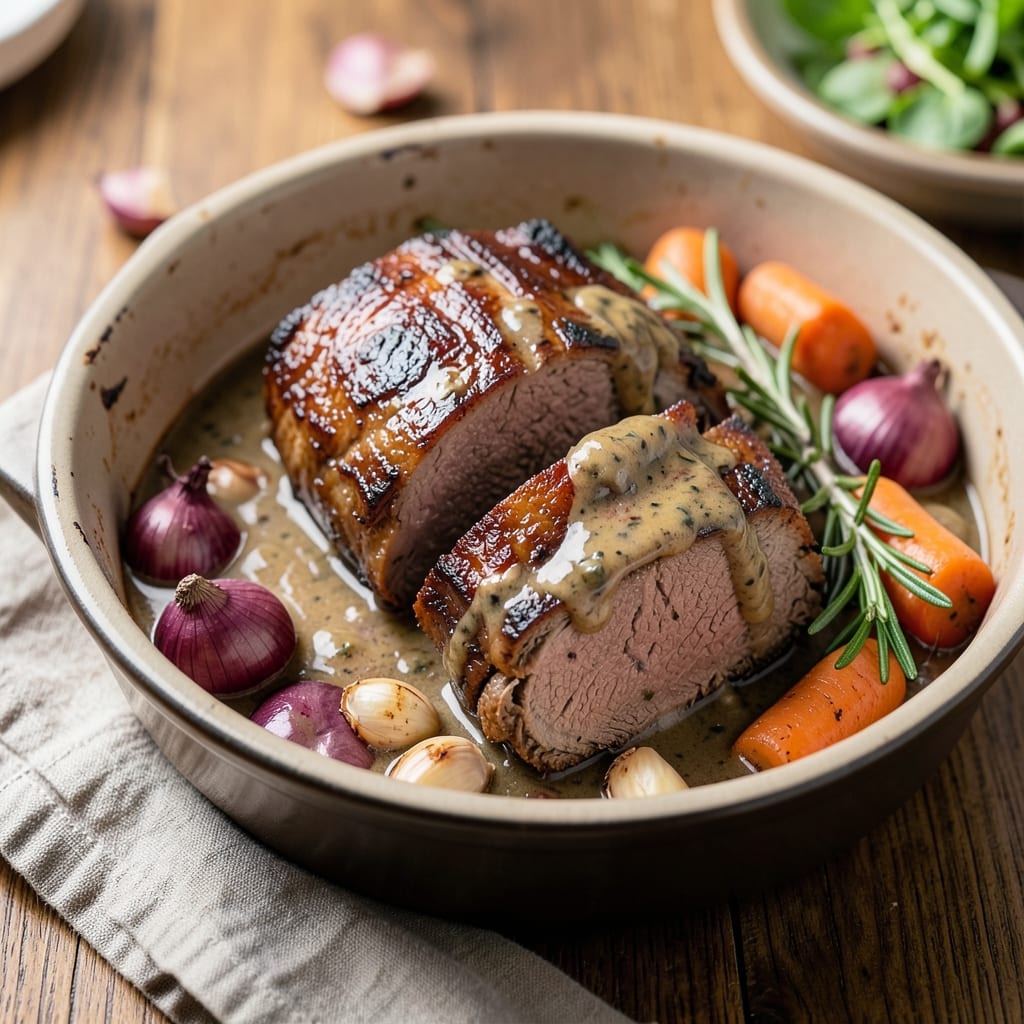
This Angus beef pot roast recipe delivers melt-in-your-mouth tenderness with deep, wine-infused richness that transforms a simple Sunday dinner into a showstopper. The secret lies in a 3-4 hour slow braise at 300°F, where tough cuts become fork-tender while absorbing layers of flavor from red wine, aromatics, and herbs. I've perfected this technique over years of testing—each bite offers a perfect balance of caramelized crust and velvety interior, making it worth every minute of wait time.
The process begins with a deep sear to lock in juices, followed by a flavor-packed braising liquid of red wine, beef broth, and fresh herbs. This method ensures the meat stays moist and rich, while the slow cooking develops deep, complex flavors that elevate even the simplest sides. For best results, use a 3-4 pound chuck roast—its marbling guarantees juiciness, and the long cook time breaks down connective tissue for that signature tenderness.
What sets this recipe apart is the red wine infusion, which adds a subtle acidity that cuts through the beef's richness while adding layers of depth. The result is a dish that pairs beautifully with classic sides like creamy mashed potatoes, caramelized carrots, or a crusty baguette for soaking up the flavorful juices. For a modern twist, roasted root vegetables or a red wine reduction sauce can take it to the next level.
Perfect for family gatherings or special occasions, this pot roast delivers restaurant-quality results at home with minimal effort after the initial prep. The slow-cooked method makes it ideal for meal prep—leftovers reheat beautifully and taste even better the next day. Whether you're serving it for a holiday feast or a cozy weeknight dinner, this recipe is guaranteed to impress.
Ingredients for angus beef pot roast
Sixteen ingredients transform tough beef into restaurant-quality melt-in-your-mouth perfection with red wine richness.
| Ingredient | Amount | Notes |
|---|---|---|
| Angus Chuck Roast 🥩 | 3 ½ lb | With good marbling for juiciness |
| Dry Red Wine 🍷 | 1 ½ cups | Bold Cabernet Sauvignon preferred |
| Beef Broth 💧 | 2 cups | Low-sodium preferred for balance |
| Yellow Onions 🧅 | 2 whole | Chopped into large chunks |
| Carrots 🥕 | 4 whole | Baby or whole, peeled |
| Garlic Cloves 🧄 | 6 cloves | Smashed for deeper flavor |
| Fresh Thyme 🌿 | ½ ounce | Or 2 tbsp dried thyme |
| Fresh Rosemary 🌿 | ¼ ounce | Sprigs for aroma |
| Tomato Paste 🍅 | 2 tbsp | High-quality for richness |
| Olive Oil 🫒 | 2 tbsp | Extra-virgin for searing |
| All-Purpose Flour 🌾 | 2 tbsp | For dusting roast |
| Kosher Salt 🧂 | 1 ½ tsp | Diamond Crystal preferred |
| Freshly Ground Black Pepper 🌶️ | 1 tsp | Cracked peppercorns preferred |
| Balsamic Vinegar 🍷 | 1 tbsp | For depth of flavor |
The Angus chuck roast is non-negotiable here—look for marbled cuts at Whole Foods or your butcher shop. I always ask for a 3-4 pound roast with visible fat, which ensures juiciness. If you're buying from Costco, grab the pre-trimmed chuck roast—it's perfect for this recipe. The wine matters too: Cabernet Sauvignon or Merlot from a good bottle shop, not cooking wine. For beef broth, Swanson or Pacific Foods low-sodium versions work perfectly—they won't overpower the dish.
No red wine? Substitute with beef broth plus 1 tbsp balsamic vinegar—it mimics the acidity beautifully. Fresh thyme and rosemary are ideal, but dried works at one-third the amount. The tomato paste can be swapped for 1 cup crushed tomatoes if you prefer, though it adds more moisture. For the onions and carrots, baby carrots and pearl onions work perfectly—they stay intact during braising. If you're short on time, pre-chopped frozen veggies (thawed) are a great shortcut without sacrificing flavor.
This roast reheats like a dream—better the next day as flavors meld. Store leftovers in the fridge for 4-5 days or freeze for 3 months in portion-sized containers. I always make double batches because it's perfect for meal prep. For serving, reheat with a splash of broth to keep it moist. The wine-infused juices make an incredible sauce—just reduce them on the stove for a quick pan sauce.
Why You'll Love This Recipe
- I’ll be real: this feeds my family of five and leaves leftovers for lunch. Toss the extra portions into wraps or mash them into tacos—suddenly, Tuesday dinner feels like a victory.
- One-Pot Magic: That’s right—just toss everything in a Dutch oven and walk away. No chopping like a pro, no fancy searing skills; the wine and broth do all the heavy lifting while you sip your coffee or scroll through memes.
- Rich, Deep Flavor: Between us, the red wine and beef broth create this unreal depth—think tender beef with a glossy, caramelized crust, carrots melting into sweetness, and onions so soft they practically dissolve. Honestly, it’s the kind of dish that makes you pause mid-bite.
- Weeknight Hero: I’ll be real: this feeds my family of five and leaves leftovers for lunch. Toss the extra portions into wraps or mash them into tacos—suddenly, Tuesday dinner feels like a victory.
Step-by-step instructions for slow-braised Angus beef pot roast
Transform tough chuck roast into melt-in-your-mouth perfection through slow braising and bold red wine infusion.
Sear the Roast for Deep Flavor Foundation
Pat the 3.5 lb Angus Chuck Roast completely dry with paper towels—this ensures maximum browning. Heat 2 tbsp olive oil in a heavy Dutch oven over medium-high heat until shimmering. Place the roast in the pot, fat-side down, and sear undisturbed for 5-6 minutes until a deep golden crust forms.
Flip the roast and sear the other side for another 4-5 minutes. The goal is to develop a rich, caramelized crust that will carry through the braising process. Remove the roast and set it aside—it's ready for the next transformation.
Build the Aromatic Base with Vegetables and Herbs
In the same Dutch oven, add the chopped 2 whole yellow onions, peeled 4 whole carrots cut into 2-inch chunks, and 6 smashed garlic cloves. Cook over medium heat for 8-10 minutes, stirring occasionally, until the onions soften and the carrots begin to caramelize at the edges.
Stir in the 0.5 ounce fresh thyme and 0.25 ounce fresh rosemary sprigs, along with the 2 tbsp tomato paste. Cook for another 2 minutes until the tomato paste darkens slightly—this deepens the sauce's complexity. Sprinkle the roast with 1.5 tsp kosher salt and 1 tsp freshly ground black pepper, then return it to the pot.
Deglaze and Develop the Sauce
Pour in the 1.5 cups dry red wine, scraping up all the browned bits from the bottom of the pot with a wooden spoon. This deglazing captures all the flavor locked in the fond. Let the wine simmer for 3-4 minutes until reduced by half, intensifying its richness.
Add the 2 cups beef broth and 1 tbsp balsamic vinegar, then dust the roast lightly with 2 tbsp all-purpose flour to help thicken the sauce. Bring to a gentle simmer—you're aiming for a gentle bubble, not a rolling boil, to prevent the meat from toughening.
Braise Until Fork-Tender Perfection
Cover the Dutch oven and transfer it to a preheated 325°F oven. Braise for 3-3.5 hours, or until the meat is fork-tender and easily pulls apart. The time may vary slightly depending on your oven, so check periodically after 3 hours—the meat should be tender enough to pierce with minimal resistance.
Here's the thing—don't lift the lid during cooking. Every time you peek, you release steam and extend the cooking time. Instead, trust the process and let the roast develop its signature fall-apart tenderness through slow, moist heat.
Rest and Serve with Sauce
Remove the roast from the oven and transfer it to a cutting board. Tent loosely with foil and let it rest for 15-20 minutes before slicing. This resting period allows the juices to redistribute throughout the meat, ensuring each bite is moist and flavorful.
While the roast rests, skim any excess fat from the sauce and adjust the seasoning if needed. The vegetables should be tender but still holding their shape. Serve the roast sliced against the grain with the rich, wine-infused sauce spooned over the top, accompanied by the caramelized vegetables.
Pro Tips For Making Angus Beef Pot Roast
- SEAR FIRST, THEN CHILL: Brown that chuck roast hard—deep golden crust, not just pink—before adding wine and broth. After searing, pop it in the freezer for 10 minutes uncovered (yes, even if it’s not fully thawed). This shock treatment tightens the fibers so the meat stays juicy when it braises for hours. I learned this the hard way after serving a pot roast that was tender but drank its own juices.
- SALT THE ONIONS LIKE FRENCH FRIES: Toss your sliced onions and carrots with ½ teaspoon salt and 1 teaspoon sugar before adding them to the pot. The salt draws out moisture (which evaporates during cooking), and the sugar caramelizes faster, giving you that deep, sweet flavor without burning. My grandmother swore by this, and she was right—no one ever complains about overcooked veggies when they’re this flavorful.
- DON’T SKIP THE DEGLAZE: After searing the meat, let the wine reduce for 3–4 minutes before adding broth. Those browned bits stuck to the pan? That’s flavor gold. Scrape them up with a wooden spoon—even if it looks messy—because skipping this step means you’re basically braising in watered-down wine. I was skeptical until I tried it; the difference in depth of flavor is night and day.
- USE COLD BROTH FOR EVEN COOKING: Pour cold beef broth over the seared meat and onions instead of hot. The cold liquid ensures the meat cooks evenly from the get-go, preventing the outside from overcooking while the center stays tough. Trust the process—your future self will thank you when the roast pulls apart with a fork, not a knife. (Yes, even if you’re impatient like me.)
Perfect pairings for this recipe
Classic Side Pairings
Start with creamy mashed potatoes—their buttery texture contrasts beautifully with the rich beef. I make mine with whole milk, roasted garlic, and a touch of sour cream for extra richness. For a lighter option, try roasted baby potatoes tossed with rosemary and olive oil—they absorb the roast's juices perfectly. 🥔
Vegetable Accompaniments
Caramelized carrots with a splash of balsamic glaze add natural sweetness that complements the wine-infused sauce. For a heartier option, serve glazed parsnips with a sprinkle of toasted pecans for crunch. Both vegetables hold up well during the long braising process and soak up the roast's flavors beautifully.
Bread for Soaking
A crusty baguette or sourdough loaf is essential for soaking up the delicious pan juices. I recommend toasting slices lightly before serving—it adds texture and prevents sogginess. For a gluten-free option, try rosemary-infused polenta or cornbread—both pair wonderfully with the rich beef. 🍞
Sauce Enhancements
Reduce the braising liquid by half on the stovetop to create a glossy red wine reduction—simply simmer it uncovered for 10-15 minutes until thickened. For extra depth, stir in 1 tsp Dijon mustard or 1 tbsp crème fraîche before serving. This sauce elevates the dish from comforting to restaurant-worthy.
Modern Twists
Swap traditional sides for roasted root vegetables like sweet potatoes, celery root, and turnips tossed with thyme and honey. Another great option is wild rice pilaf with dried cranberries and pecans—the nutty, tangy flavors cut through the beef's richness. These modern pairings add visual appeal and balance to the dish. 🌱
Beverage Pairings
A bold Cabernet Sauvignon with 12-14% ABV stands up to the beef's richness while complementing the red wine braise. For beer lovers, a dark stout like Guinness or Samuel Adams Black Lager adds a malty contrast. If you prefer lighter options, a Pinot Noir or Chardonnay with oaky notes works beautifully too. 🍷
Nutrition facts
Frequently asked questions
Can I use a different cut of beef instead of chuck roast?
While chuck roast is ideal for its marbling and tenderness when slow-cooked, you can substitute with brisket or short ribs. Avoid lean cuts like sirloin—they won't develop the same rich, fall-apart texture. If using brisket, increase cooking time by 30-45 minutes and slice against the grain after resting.
How do I know when the pot roast is done?
The roast is ready when it reaches 203°F internally and easily pulls apart with a fork. For best results, check after 3 hours—the meat should be tender but not falling apart. If it's still firm, return it to the oven for another 30-45 minutes.
Can I make this recipe in a slow cooker?
Brown the roast first in a skillet, then transfer it to your slow cooker with all ingredients except the flour. Cook on low for 8 hours or high for 5-6 hours. The flour can be sprinkled on top before serving to thicken the sauce. Add a splash of broth if the sauce gets too thick.
What's the best way to reheat leftovers?
Reheat leftovers in a skillet with a splash of beef broth over medium-low heat until warmed through (10-12 minutes). For oven reheating, cover with foil and warm at 300°F for 20-25 minutes. Never microwave—it makes the meat tough and dry.
Can I make this recipe ahead of time?
This dish actually tastes better the next day! Cook it fully, then refrigerate for 1-2 days or freeze for 3 months. Reheat gently with extra broth to restore moisture. The flavors deepen as the meat rests, making it perfect for meal prep.