
Main Courses
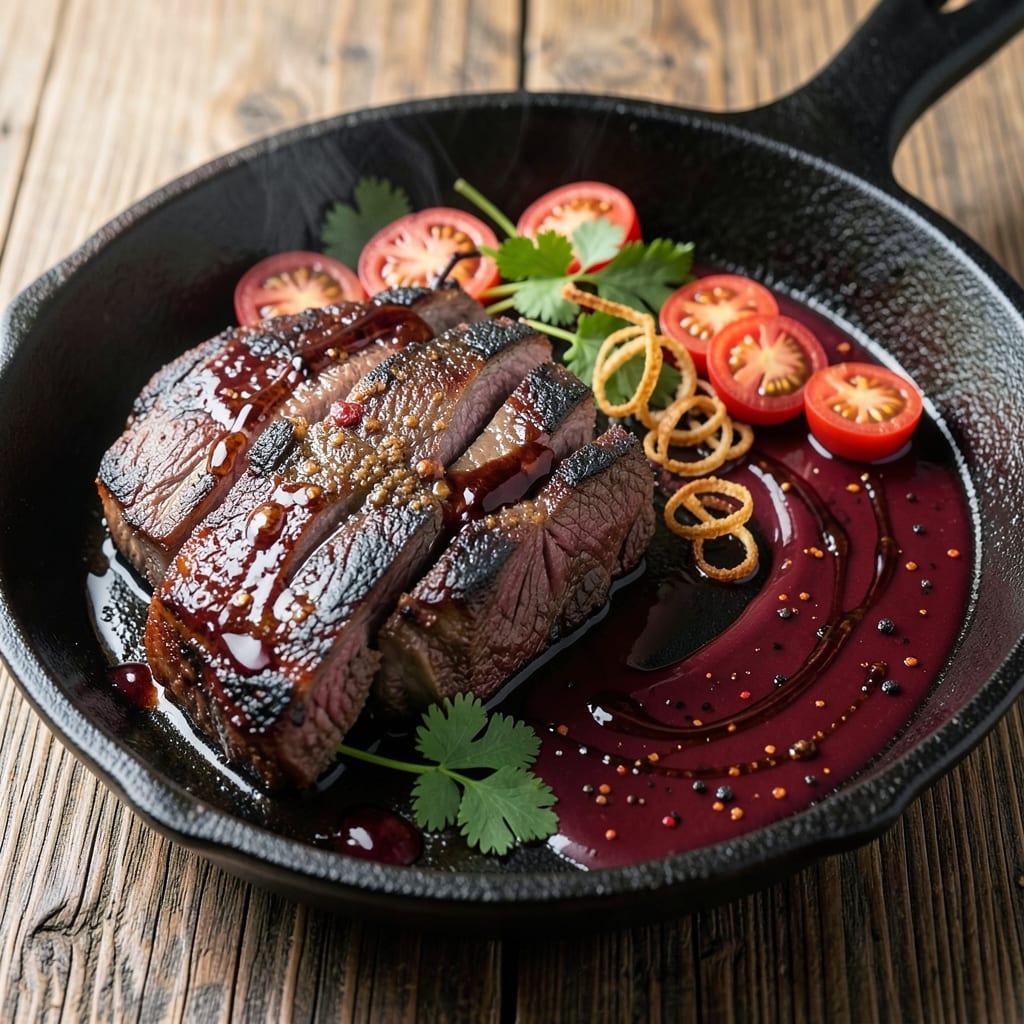
This angry beef recipe delivers the bold, spicy, and tangy flavors that make it a standout dish in Korean cuisine. The combination of coffee, tomatoes, and chili creates a rich, complex sauce that tenderizes the beef while packing serious heat. I developed this recipe after years of perfecting the balance between sweet, spicy, and umami—it’s the kind of dish that turns weeknight dinners into memorable meals.
The secret lies in the braising process, where the beef slow-cooks in a deep, aromatic sauce until it’s fork-tender with a glossy finish. Ground coffee adds depth, while tomatoes bring acidity that cuts through the richness. This isn’t just a spicy beef dish—it’s a full-flavored experience that pairs perfectly with steamed rice or buttered noodles. The result? A restaurant-quality meal that’s easier to make at home than you’d think.
What makes this recipe truly special is how the flavors evolve as it simmers. The sauce reduces to a thick, sticky glaze that clings to every bite of beef, delivering layers of heat, sweetness, and smokiness. Whether you’re serving it as a main course or sharing it with friends, this dish commands attention. The boldness of the flavors means it’s best enjoyed fresh, but leftovers reheat beautifully for a quick, satisfying meal the next day.
For those who love spice but need balance, I’ve included tips for adjusting the heat while keeping the depth of flavor intact. The dish also scales effortlessly—double the batch for a crowd or halve it for a cozy dinner. Ready to bring some boldness to your table? Let’s get cooking.
Ingredients for angry beef
Bold flavors start with these 15 ingredients—spicy, sweet, and deeply savory.
| Ingredient | Amount | Notes |
|---|---|---|
| Beef Chuck Roast 🥩 | 2 lb | Pre-cubed for even cooking |
| Ground Coffee ☕ | 2 tbsp | Finely ground, dark roast |
| Tomato Paste 🍅 | ½ cup | Smooth, not chunky |
| Red Wine Vinegar 🍷 | ¼ cup | For tangy brightness |
| Gochujang 🌶️ | 2 tbsp | Korean chili paste |
| Soy Sauce 🥄 | ½ cup | Light or all-purpose |
| Brown Sugar 🍯 | ¼ cup | Packed, not scooped |
| Garlic Cloves 🧄 | 6 cloves | Minced for deep flavor |
| Fresh Ginger 🧅 | 2 tbsp | Grated, not powdered |
| Onion 🧅 | 1 whole | Yellow, chopped |
| Green Onions 🌱 | ¼ cup | Sliced for garnish |
| Vegetable Oil 🫒 | 2 tbsp | For searing beef |
| Salt 🧂 | 1 ½ tsp | Kosher or sea salt |
| Black Pepper 🌶️ | 1 tsp | Freshly ground |
| Water 💧 | 1 cup | For thinning sauce |
The beef is non-negotiable. Chuck roast breaks down beautifully during braising—sirloin stays tough. Grab the pre-cubed kind from the meat counter to save time, or ask your butcher to cut it for you. For the coffee, dark roast is key—it adds bitterness that balances the sweetness. I usually buy a bag of Starbucks dark roast or Peet's Major Dickason's for this. The gochujang? Dongsuh or Hwaryu are my go-tos, but any Korean grocery store will have a solid option. Look for a label that says '100% fermented'—that’s when you know it’s good.
No gochujang? Substitute 1 tbsp sriracha plus 1 tbsp honey, but you’ll lose some depth. Running low on red wine vinegar? Apple cider vinegar works in a pinch. The brown sugar can be swapped for honey or maple syrup if you’re avoiding refined sugar. Fresh ginger is ideal, but if you’re in a hurry, powdered ginger at half the amount gets the job done. Prefer milder heat? Reduce the gochujang to 1 tbsp and add 1 tsp honey to balance. The tomato paste? Rao’s or Muir Glen are my pantry staples—they’re smooth and consistent.
This sauce gets better overnight. Let it cool, then store it in an airtight container in the fridge for up to 5 days. The beef stays tender, so reheating is a breeze—just warm it on the stovetop with a splash of water. For longer storage, freeze portions for up to 3 months. I like to portion it into meal-sized containers so I can grab it straight from the fridge for a quick weeknight dinner. The flavors only deepen over time, so don’t rush to eat it all at once.
Why You'll Love This Recipe
- One-Pot Magic: That coffee rub? It’s my shortcut to deep, smoky flavor without hours of marinating. Just sear the beef, sprinkle the grounds, and let the slow cooker do the rest—no extra bowls, no fuss.
- Fiery, Rich Bite: The gochujang and red wine vinegar team up for a tangy, spicy kick that lingers just right. That tomato paste? It thickens the sauce into something velvety and clingy—like a hug for your taste buds.
- Weeknight to Party: Same recipe, totally different vibes. Slap it on toast for a quick lunch, pile it over rice for dinner, or serve it with crusty bread when friends drop by. (Yes, even on a Tuesday night.)
- Budget Powerhouse: A chuck roast stretches for days—freeze half, reheat it later, or toss it into fried rice. Honestly, this is the kind of meal that makes grocery day feel like a win.
Step-by-step instructions for angry beef recipe
This bold, spicy beef dish delivers deep flavor with every bite—let's make it together.
Sear the Beef Chuck Roast
Heat a heavy Dutch oven over medium-high heat and add the 2 tablespoons vegetable oil. Once the oil shimmers, carefully add the 2 lb beef chuck roast in a single layer, working in batches if needed. Let it sear undisturbed for 3-4 minutes per side until a deep golden-brown crust forms.
This initial sear locks in juices and builds flavor. I press down gently on the beef during the first minute—this prevents it from curling and ensures even contact with the pan. If the beef releases easily from the pan, it's ready to flip. Don't rush this step; patience here means better flavor later.
Build the Spicy Tomato Base
Remove the seared beef and set it aside. In the same Dutch oven, reduce heat to medium and add the 1 whole onion, 6 cloves garlic cloves, and 2 tablespoons fresh ginger. Cook for 3-4 minutes until the onions soften and the garlic becomes fragrant.
Stir in the 0.5 cup tomato paste, 2 tablespoons gochujang, 0.5 cup soy sauce, 0.25 cup brown sugar, and 2 tablespoons ground coffee. Cook for 2 minutes while stirring constantly to prevent burning. The mixture will darken and develop a rich, complex aroma—this is where the bold flavors begin to meld.
Braise the Beef with Vinegar and Water
Return the beef to the Dutch oven and pour in the 0.25 cup red wine vinegar and 1 cup water. The liquid should come about halfway up the sides of the beef. Sprinkle with the 1.5 teaspoons salt and 1 teaspoon black pepper, then bring to a gentle simmer.
Once simmering, cover the Dutch oven with a tight-fitting lid. Transfer to the oven and cook at 325°F for 2.5-3 hours, until the beef is fork-tender. The sauce should reduce to a thick, glossy consistency with a deep red color. I check for doneness by piercing the beef with a fork—it should slide in easily with no resistance.
Finish and Garnish
Remove the beef from the sauce and let it rest for 10 minutes before slicing. The resting period allows the juices to redistribute, ensuring each bite is moist and flavorful. Meanwhile, skim any excess fat from the sauce and return it to the Dutch oven. Simmer uncovered for 5-7 minutes to thicken further.
Slice the beef against the grain into ¼-inch thick pieces and serve immediately over rice or noodles. Garnish with the 0.25 cup sliced green onions for freshness and color. The result is a rich, spicy, and complex dish that balances heat, sweetness, and umami perfectly.
Pro Tips For Making Angry Beef
- Sear the Roast First: The beef won’t caramelize properly if you toss it straight into the sauce—your future self will notice. Hit that chuck roast with high heat until it’s deep brown in spots before adding any liquid. (Yes, even if you’re impatient like me.)
- Bloom the Coffee Grounds: Skip the instant coffee shortcut—freshly ground coffee adds depth. Toast the grounds in a dry pan for 30 seconds first to wake up their flavor, then mix them into the sauce. (Your taste buds will thank you.)
- Deglaze with Vinegar Early: Add the red wine vinegar right after searing, not at the end. It cuts through the beef’s richness immediately and keeps the sauce from turning gluey later. (I learned this the hard way after making a batch that tasted flat.)
- Control the Gochujang Heat: Start with half the recipe’s gochujang, taste, then add more. Too much too soon will overpower the beef’s natural richness. (Sounds weird, but it works: balance is everything here.)
Health benefits of this dish
Spice and Umami
This dish packs a flavor punch with gochujang and ground coffee, delivering both heat and depth. The gochujang brings fermented spice and umami, while coffee adds a subtle bitterness that balances the sweetness from brown sugar. Together, they create a complex sauce that tenderizes the beef beautifully. 🌶️
Protein Powerhouse
A 2-lb serving of beef chuck roast provides about 48 grams of protein—perfect for muscle repair and satiety. The slow-braising method ensures the beef remains juicy and easy to digest, making it ideal for post-workout meals or hearty dinners. I always feel energized after eating this dish.
Digestive Health
The combination of fresh ginger and garlic in this recipe supports digestion and gut health. Ginger aids in reducing nausea, while garlic contains allicin, which may help fight inflammation. The fermented gochujang also contains probiotics that promote a healthy gut microbiome.
Rich in Antioxidants
Dark roast coffee and tomato paste contribute polyphenols and lycopene, powerful antioxidants that combat oxidative stress. These compounds help protect your cells from damage and may reduce the risk of chronic diseases. The red wine vinegar adds acetic acid, which supports heart health.
Balanced Energy
The brown sugar provides quick energy, while the protein-rich beef offers sustained fuel. The vinegar and coffee help regulate blood sugar levels, preventing energy crashes. This makes it a great option for active lifestyles or busy days when you need both flavor and nutrition.
Meal Prep Friendly
The flavors deepen when stored, making it perfect for meal prep. The beef stays tender for up to 5 days in the fridge, and the sauce thickens further, intensifying its bold taste. I often make a big batch on Sundays for quick weeknight meals that feel restaurant-quality. 💪
Nutrition facts
Frequently asked questions
Can I make this recipe with ground beef instead of chuck roast?
Yes, but the texture will differ. Ground beef will cook faster and become more tender, but it won’t have the same rich, melt-in-your-mouth quality. For a closer match, use 80/20 ground chuck and reduce the braising time to 1.5-2 hours. The sauce will still work beautifully, though you may need to add an extra ¼ cup water to prevent drying out.
How can I adjust the heat level?
For milder heat, reduce the gochujang to 1 tbsp and add 1 tsp honey or 1 tsp brown sugar to balance. If you love spice, increase the gochujang to 3 tbsp and add ½ tsp red pepper flakes. The coffee and vinegar already provide depth, so the sauce will remain rich regardless of heat adjustments.
What’s the best way to reheat leftovers?
Reheat in the same Dutch oven over low heat with 2 tbsp water to prevent drying. Cover and simmer for 5-7 minutes, stirring occasionally. For microwave reheating, use 30-second intervals on medium power, adding a splash of water or beef broth between each interval. The sauce thickens beautifully when reheated, so it’s perfect for quick meals.
Can I substitute red wine vinegar?
Yes, but the flavor will change slightly. Use apple cider vinegar for a milder tang or balsamic vinegar for extra depth. Avoid white vinegar—it lacks the complexity needed to balance the sweet and spicy notes. For a non-vinegar option, try 1 tbsp lemon juice plus 1 tbsp rice vinegar as a substitute.
Why does my sauce look too thin?
This usually happens if the beef wasn’t seared properly or if too much liquid was added. To fix it, remove the beef and simmer the sauce uncovered over medium-high heat for 5-10 minutes, stirring often. If it’s still thin, mix 1 tbsp cornstarch with 2 tbsp water, stir into the sauce, and simmer for another 2 minutes until thickened.