
Soups & Stews
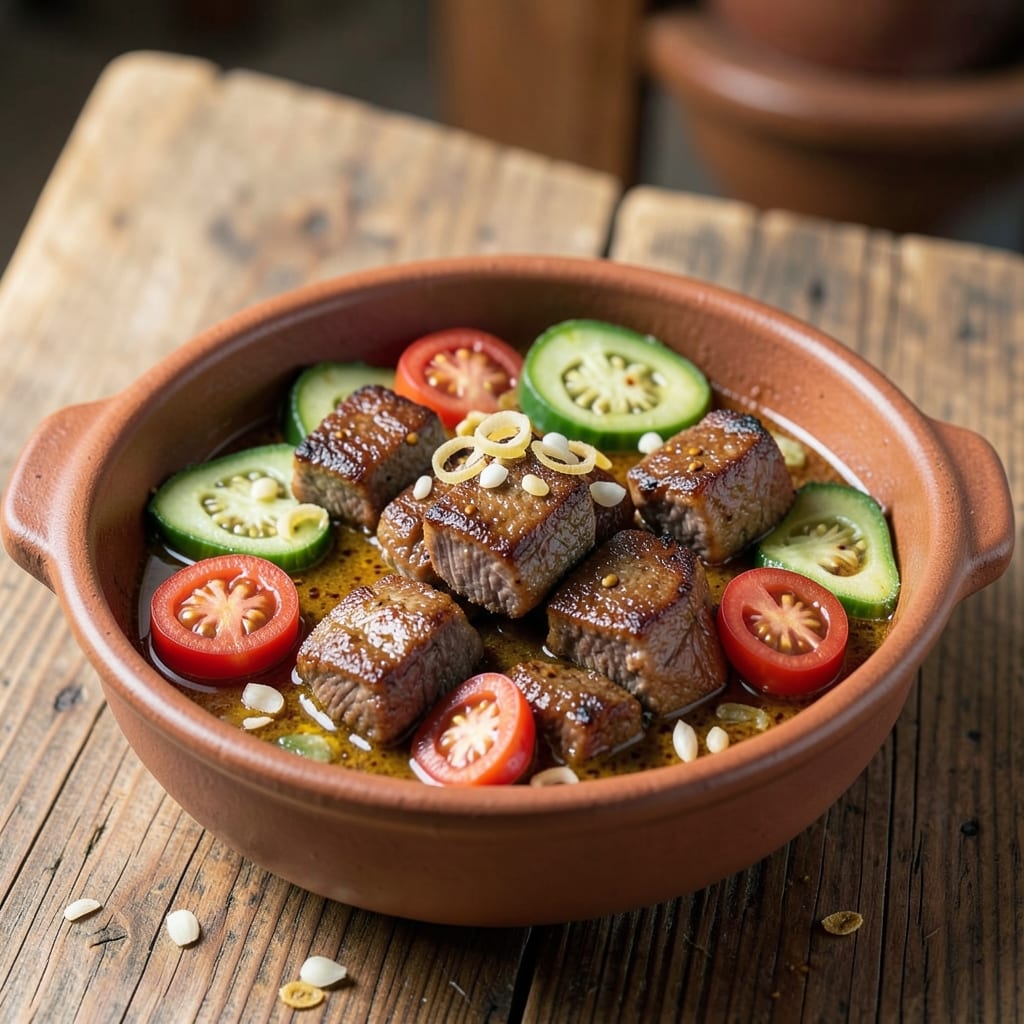
This ampalaya con beef recipe delivers a rich, velvety stew where tender beef and bitter melon create a perfect balance of flavors. The secret lies in slow simmering—transforming tough beef into melt-in-your-mouth pieces while the ampalaya softens into a silky texture. Filipino home cooks swear by this dish, and now you can recreate its restaurant-quality depth at home.
The magic happens in the sauce—a savory tomato base infused with garlic, ginger, and annatto for that signature golden hue. Searing the beef first develops deep, caramelized flavors, while bay leaves and black pepper add aromatic complexity. Unlike other stews, this one embraces the bitterness of ampalaya, letting it shine alongside the beef’s umami richness.
By the time you’re done, you’ll have a hearty stew with tender beef, glossy eggplant, and a sauce thick enough to coat every spoonful. Serve it with steamed rice and a side of sinigang for the full Filipino experience—where each bite tells a story of tradition and comfort.
This recipe is perfect for weeknight dinners or special gatherings, offering both nostalgia and satisfaction. The one-pot method keeps cleanup simple while delivering restaurant-quality results. Let’s get cooking!
Ingredients for ampalaya con beef
The secret to this rich stew lies in these 14 ingredients—each playing its part.
| Ingredient | Amount | Notes |
|---|---|---|
| Beef Chuck Roast 🥩 | 1 ½ lb | Cut into 1.5-inch cubes |
| Ampalaya (Bitter Melon) 🍆 | 2 medium | Peeled, deseeded, sliced thin |
| Tomatoes 🍅 | 2 whole | Medium, quartered (or 1 can crushed) |
| Garlic Cloves 🧄 | 6 cloves | Minced for depth of flavor |
| Fresh Ginger 🌿 | 1 inch | Thinly sliced, peeled |
| Annatto Seeds 🌶️ | 1 tsp | Crushed for golden hue |
| Bay Leaves 🍃 | 2 whole | For aromatic complexity |
| Black Peppercorns 🌶️ | 1 tsp | Freshly cracked |
| Olive Oil 🫒 | ½ cup | Extra-virgin for richness |
| Onion 🧅 | 1 large | Diced, yellow or red |
| Salt 🧂 | 1 ½ tsp | Adjust to taste |
| Soy Sauce 🥄 | 2 tbsp | For umami depth |
| Sugar 🍯 | 1 tsp | Balances bitterness |
| White Vinegar 🍶 | 1 tbsp | Brightens flavors |
The beef is where it all starts. Chuck roast breaks down beautifully during slow cooking, but sirloin or flank steak work in a pinch if you're short on time. Look for cuts with good marbling at Filipino markets or the meat section of Asian grocery stores—they often carry pre-cut beef for stews. Ampalaya (bitter melon) is the star, so don't skip it. Whole Foods or local farmers markets usually carry it in summer, but frozen works too if you can't find fresh. Just thaw it overnight in the fridge—never microwave it or it'll get mushy.
No annatto seeds? Turmeric at half the amount gives a similar golden color, though it won't be quite as vibrant. Running out of soy sauce? Coconut aminos or tamari work just as well for that umami punch. Fresh ginger is ideal, but ground ginger at one-third the amount will do in a bind. The tomatoes can be fresh or canned—San Marzano is my go-to when using canned. For extra richness, add a splash of coconut milk at the end. And if you're worried about the bitterness of ampalaya, don't be—the long cooking time mellows it perfectly.
This stew tastes even better the next day, so make extra. It keeps for 4-5 days in the fridge, and freezes beautifully for 3 months. I like to portion it into individual containers for easy lunches. For serving, a sprinkle of chopped green onions adds freshness. The sauce thickens as it cools, so you might need to add a splash of water if it's too thick when reheating. Trust me, leftovers are worth it—this dish only gets more flavorful over time.
Why You'll Love This Recipe
- Here’s what sold me: this keeps perfectly for days. Pack it cold for work lunches or reheat it for dinner—same deliciousness, zero guesswork. My daughter picks out the ampalaya (she’s not a fan), but still asks for seconds because the beef’s too good to ignore.
- One-Pot Magic: I swear by this recipe—just sear the beef, toss in the chopped ampalaya and tomatoes, and let the garlic and ginger work their flavor spell. No extra pans, no fuss, and honestly? That bitter-sweet balance from the ampalaya and tender beef makes it feel like a restaurant dish.
- Beefy Bite Meets Crunch: The beef chuck roast gets so tender it practically melts, while the ampalaya stays just crisp enough to cut through the richness. Between us, that first bite—where the garlic and ginger hit your tongue before the beef takes over—is pure satisfaction. (Yes, even on a Tuesday night.)
- Lunchbox Hero: Here’s what sold me: this keeps perfectly for days. Pack it cold for work lunches or reheat it for dinner—same deliciousness, zero guesswork. My daughter picks out the ampalaya (she’s not a fan), but still asks for seconds because the beef’s too good to ignore.
Step-by-step instructions for ampalaya con beef stew
Here's how to create this rich, comforting stew with tender beef and silky bitter melon.
Sear the Beef Chuck Roast
Heat the 0.5 cup olive oil in a large pot over medium-high heat until shimmering. Add the 1.5 lb beef chuck roast cut into 1.5-inch cubes, working in batches if needed to avoid crowding. Sear each piece for 2-3 minutes per side until they develop a deep golden brown crust. This step builds incredible flavor through the Maillard reaction.
Once browned, remove the beef and set aside. Don't wipe out the pot—those browned bits will form the base of your sauce. Here's the thing: if your beef isn't searing properly, lower the heat slightly and give it more time. You want that caramelized crust for maximum depth of flavor in the final dish.
Sauté Aromatics and Prepare the Bitter Melon
In the same pot, add the 1 large diced onion and cook for 4-5 minutes until softened and translucent. Add the 6 cloves minced garlic and 1 inch thinly sliced fresh ginger, cooking for another 30 seconds until fragrant. This aromatic base forms the flavor foundation of your stew.
While the aromatics cook, peel and deseed the 2 medium ampalaya (bitter melon), then slice them thinly. The bitterness is what makes this dish special, but don't worry—the other ingredients will balance it perfectly. Add the sliced bitter melon to the pot and cook for 3-4 minutes until just beginning to soften. You'll want to keep it slightly crisp to maintain texture in the final dish.
Build the Flavor Base
Stir in the 1 tsp crushed annatto seeds, 2 whole bay leaves, and 1 tsp freshly cracked black peppercorns. These ingredients will infuse the stew with their distinct flavors. Pour in the 2 tbsp soy sauce, 1 tsp sugar, and 1 tbsp white vinegar, stirring to combine. The vinegar brightens the flavors while the sugar helps balance the bitterness of the bitter melon.
Return the seared beef to the pot along with the 2 whole quartered tomatoes. Add 4 cups of water (enough to cover the beef) and bring to a gentle boil. Once boiling, reduce heat to low and let it simmer uncovered for 1 hour 30 minutes or until the beef is fork-tender. This low-and-slow cooking method ensures the beef becomes melt-in-your-mouth tender while the flavors meld together beautifully.
Finish and Adjust Seasoning
After the beef is tender, taste the stew and adjust the seasoning if needed. You might need to add more 1.5 tsp salt or a splash of white vinegar to balance the flavors. The bitter melon should be silky, not mushy, and the beef should pull apart easily with a fork. If the sauce is too thin, let it simmer uncovered for another 10-15 minutes to reduce slightly.
Real talk: the bitter melon will soften significantly during this cooking time, but it should still hold its shape slightly. If it becomes too mushy, you might have overcooked it. The stew should have a rich, slightly tangy flavor with a perfect balance of sweet, savory, and umami notes. Serve hot with steamed rice to soak up every delicious bite.
Pro Tips For Making Ampalaya Con Beef
- SEAR THE BEEF FIRST: I learned this the hard way—skipping the sear means bland beef. Get your chuck roast screaming hot in a dry pan for 3-4 minutes per side before adding any liquid. That crust locks in flavor and keeps the meat from turning mushy when it braises later.
- PEEL THE AMPALAYA: The skin’s bitter and tough—peel it like an apple with a paring knife. Cut the melon lengthwise, scoop out the seeds with a spoon, then slice into thick half-moons. No need to peel the slices, just rinse them well to remove any lingering bitterness.
- SIMMER LOW AND SLOW: This isn’t a race. After browning the beef, reduce heat to a gentle simmer (tiny bubbles, not a rolling boil) and cover the pot. Too much heat turns the ampalaya to mush and makes the sauce watery. Let it cook for at least 2 hours—patience here makes the difference.
- USE GINGER JUICE: Fresh ginger adds depth, but grating it raw can make the dish taste harsh. Instead, crush it with the side of your knife, then boil it in water for 5 minutes to extract the juice. Strain and use the liquid—it’s smoother and blends better with the tomatoes and beef. (Yes, even if you’re impatient like me.)
Pro cooking tips for great ampalaya con beef
Searing Secrets
That golden crust on your beef isn't just for looks—it's where the Maillard reaction creates deep, caramelized flavors. Use a large Dutch oven or heavy pot to prevent overheating, and work in batches if needed. I swear by medium-high heat—too low and you'll steam the beef instead of sear it. Pat the beef dry first with paper towels to maximize browning. 🔥
Balancing Bitterness
The key to taming ampalaya's bitterness is patience and the right flavor partners. Start with 1 tsp sugar and 1 tbsp white vinegar in the sauce—this creates a natural sweet-tart balance. For extra depth, add 1 tbsp fish sauce (a Filipino pantry staple) when adjusting seasoning. Don't rush the simmering—1.5 hours minimum lets the flavors meld properly.
Low-and-Slow Mastery
This isn't a quick weeknight dish—it demands low heat and uncovered simmering. Maintain a gentle bubble at the edges of your pot, not a rolling boil. I use a meat thermometer to check beef doneness at 203°F internal temperature. If your stew reduces too quickly, add hot water in ¼ cup increments to maintain coverage without diluting flavors.
Texture Control
Ampalaya should be silky but still hold shape—not mushy. Add it to the pot after the aromatics but before the beef returns to prevent overcooking. For extra tenderness, blanch the beef cubes in boiling water for 2 minutes before searing to jumpstart the cooking process. The result? Perfectly cooked beef and just-right melon every time. ✨
Flavor Layering
Build complexity by adding ingredients in stages. Start with annatto seeds for color, then bay leaves for aroma, and finish with soy sauce for umami. I like to toast the black peppercorns in the dry pot for 30 seconds before adding liquid—this intensifies their flavor. The order matters: aromatic vegetables first, then bitter elements, and finally the beef to absorb all the goodness.
Make-Ahead Magic
This stew only gets better overnight as flavors deepen. Let it cool completely, then refrigerate in an airtight container. Reheat gently on low heat with 2 tbsp water to prevent sticking. For freezing, portion into quart-sized bags with 1 inch headspace—thaw in the fridge overnight for best texture. The sauce will thicken when reheated, so add water as needed. 💫
Nutrition facts
Frequently asked questions
Why does this recipe use bitter melon when it's so strong?
Ampalaya (bitter melon) is the heart of this dish—its bitterness balances perfectly with the rich beef and sweet-tart tomato base. The long 1.5-hour simmer softens the melon while other ingredients like sugar and soy sauce create harmony. Think of it like dark chocolate: the bitterness enhances the overall flavor when paired correctly.
Can I substitute beef chuck roast with something else?
Yes! For quicker cooking, use sirloin or flank steak cut into 1-inch cubes—reduce simmering time to 1 hour. Budget-friendly options include pork shoulder (simmer 2 hours) or chicken thighs (cook 45 minutes). Just adjust timing based on cut thickness. Filipino markets often carry pre-cut beef for stews if you're short on time.
How do I know when the beef is perfectly tender?
Use a meat thermometer—beef should reach 203°F internally. For no thermometer, pierce a piece with a fork: it should shred easily. The sauce should coat the beef completely, and the ampalaya should be silky but still hold shape. If it's too mushy, you've overcooked it slightly.
What if I can't find annatto seeds?
No problem! Use ½ tsp turmeric for color, though it won't be as vibrant. For deeper flavor, add 1 tbsp achiote paste (if available) or a pinch of paprika. The dish will still taste amazing—annatto is more about visual appeal than essential flavor.
Can I make this in an Instant Pot?
Sear the beef first, then add all ingredients except water. Use the High Pressure setting for 40 minutes, followed by Natural Release for 15 minutes. Add 1 cup water instead of 4 cups. The pressure cooker cuts time by half while keeping flavors intense. Just check doneness—beef may need 5-10 extra minutes if undercooked.