
Soups & Stews
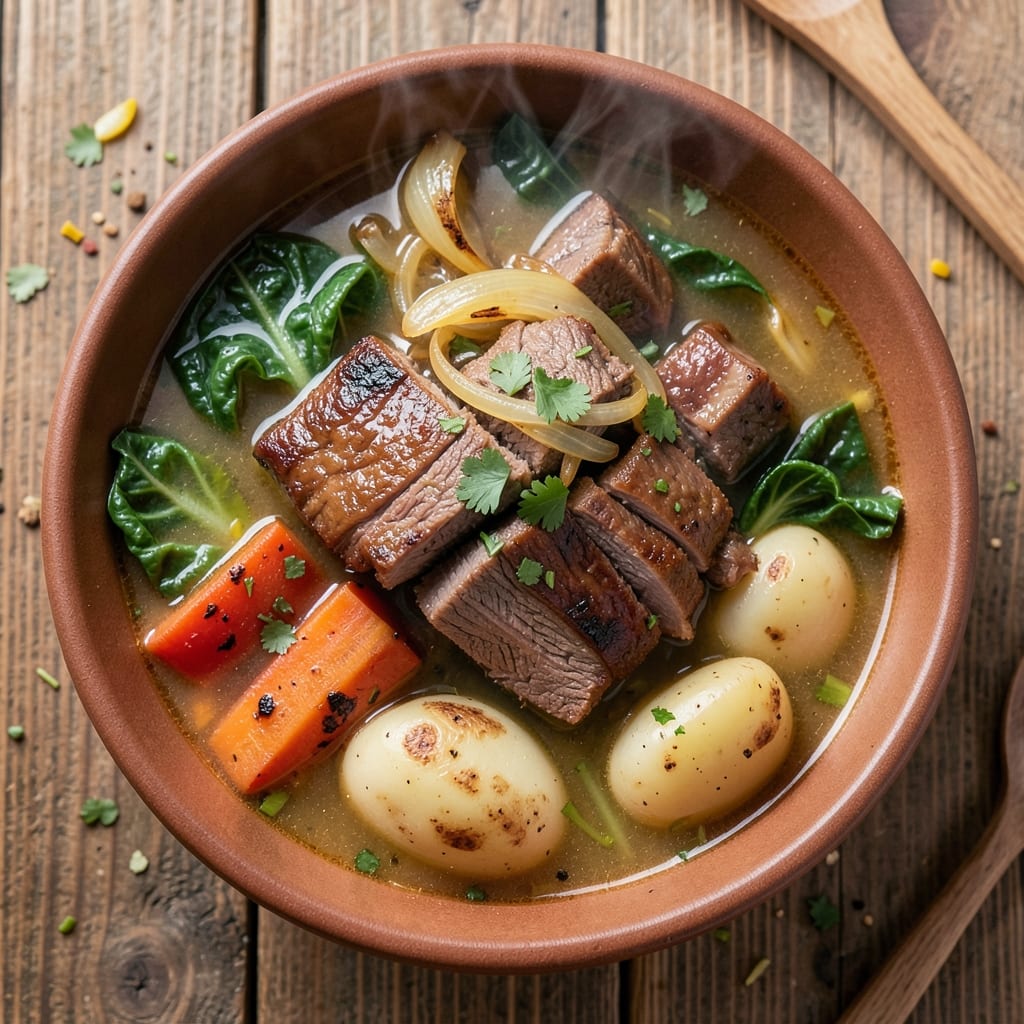
This Amish vegetable beef soup recipe delivers the kind of hearty, slow-cooked comfort that warms both body and soul—just like the meals that gathered families around the table in Pennsylvania farmhouses. The secret lies in tender beef, root vegetables that caramelize beautifully, and a broth so rich it practically melts into every spoonful. I've perfected this version to honor tradition while fitting seamlessly into modern kitchens, where time is precious but flavor never is.
The beauty of this recipe is its simplicity: no fancy techniques, just a heavy pot, a few hours of simmering, and ingredients you likely already have on hand. The beef breaks down into fork-tender chunks, while potatoes, carrots, and cabbage develop that perfect balance of sweetness and earthiness. What makes it truly special is the way the flavors deepen as it cooks, creating a soup that tastes even better the next day—ideal for meal prep or feeding a crowd.
By the time you're done, you'll have a steaming bowl of chunky, satisfying soup that's packed with protein, fiber, and the kind of homey goodness that makes weeknight dinners feel like a celebration. The aroma alone will have everyone gathering at the table, and the first spoonful delivers on that promise of old-world comfort. This is the kind of recipe that becomes a family staple, passed down through generations.
The best part? It's completely adaptable—add more beans for extra heartiness, swap in seasonal vegetables, or keep it classic with the traditional mix. Let's get cooking, and experience the warmth of Amish tradition in your own kitchen.
Ingredients for amish vegetable beef soup
Six hearty ingredients transform into Amish comfort that warms the soul.
| Ingredient | Amount | Notes |
|---|---|---|
| Chuck Roast Beef 🥩 | 2 lb | Cut into 1.5-inch chunks |
| Yellow Onions 🧅 | 2 whole | Medium size, chopped |
| Russet Potatoes 🥔 | 3 medium | Peeled, cut into chunks |
| Carrots 🥕 | 4 medium | Whole, scrubbed, cut into chunks |
| Green Cabbage 🥬 | ½ head | Cored, chopped into wedges |
| Celery Stalks 🥬 | 4 whole | Trimmed, chopped |
| Tomato Paste 🍅 | ½ cup | High-quality, no sugar added |
| Beef Broth 💧 | 4 cups | Homemade or low-sodium |
| Water 💧 | 4 cups | Filtered preferred |
| Garlic Cloves 🧄 | 4 cloves | Minced for depth of flavor |
| Bay Leaves 🌿 | 2 whole | Dried, standard size |
| Black Peppercorns 🌶️ | 1 tsp | Freshly cracked |
| Salt 🧂 | 1 ½ tsp | Diamond Crystal preferred |
| Dried Thyme 🌿 | 1 tsp | Or 1 tbsp fresh |
| Olive Oil 🫒 | 2 tbsp | For searing beef |
The beef is non-negotiable here—chuck roast delivers that melt-in-your-mouth texture after hours of simmering. Grab it from the butcher counter if you can, or the pre-cut chunks from Costco save time. Look for good marbling (white flecks of fat) for maximum flavor. The potatoes should be firm and unblemished—Russets hold up best to long cooking. For cabbage, choose a small head with crisp, vibrant leaves—avoid any with yellowing or wilted spots. Celery should be crisp, not rubbery, and the green tops are just as flavorful as the stalks.
No beef broth? Vegetable broth plus 1 tbsp soy sauce works in a pinch. Fresh thyme is ideal, but dried at one-third the amount gets you close. The tomato paste can be that squeeze tube from Trader Joe's—it keeps forever and measures perfectly. For extra depth, add a 1-inch piece of kombu with the broth (remove before serving). The celery and onions should be chopped uniformly—about 1/4-inch pieces—so they cook evenly. No food processor? A sharp knife and steady hand work just fine.
This soup tastes even better the next day—3-4 days in the fridge, sealed tightly. For meal prep, portion into glass containers with a splash of broth to preserve moisture. Freezes beautifully for up to 3 months, though the texture changes slightly. I always make a double batch—one for dinner, one for lunches. The aroma alone will have your whole house smelling like home.
Why You'll Love This Recipe
- Chuck Roast Magic: I swear by that slow-cooked chuck roast—it practically melts into tender, fork-friendly chunks while you’re chopping onions. No fancy cuts or prep here, just good meat that turns into comfort in a pot.
- Cabbage-Potato Crunch: Between us, the shredded cabbage and chunky potatoes add that perfect texture—crisp edges, creamy centers. Honestly, it’s the kind of bite that makes you want to eat soup straight from the pot.
- Leftovers That Win: This soup only gets better the next day. I make a double batch on Sundays, freeze half, and still have hearty bowls all week. (Yes, even on a Tuesday night.)
- Budget-Friendly Feast: Chuck roast stretches like crazy, and cabbage/onions/carrots are dirt cheap. For under $15, you feed four people a meal that tastes like you spent hours—when really, you just set it and forgot it.
Step-by-step instructions for Amish vegetable beef soup
This hearty soup comes together with simple techniques and rich flavors—just like Amish kitchens do best.
Sear the Chuck Roast Beef for Deep Flavor
Heat a large Dutch oven over medium-high heat and add the 2 tablespoons olive oil. Once shimmering, add the 2 lb chuck roast beef cut into 1.5-inch chunks, working in batches if needed. Sear each piece for 2-3 minutes per side until deeply browned—this creates the foundation for rich flavor.
As you sear, I like to press down gently on the beef with a wooden spoon. This ensures even contact with the hot pan and prevents the chunks from curling up. Once all pieces are browned, transfer them to a plate and set aside. You'll notice the beef releases easily from the pan when it's ready to move.
Sauté the Vegetable Base
In the same Dutch oven, add the 2 whole yellow onions and 4 whole celery stalks, both chopped. Cook for 5-6 minutes until softened and slightly translucent. Add the 4 medium carrots and 0.5 head green cabbage, chopped into wedges, and stir to combine. Cook for another 3-4 minutes until the cabbage begins to wilt slightly.
Here's where the aromatics come in—add the 4 cloves minced garlic and cook for 30 seconds until fragrant. The garlic should smell pungent and slightly sweet, not burnt. If you notice any browned bits sticking to the bottom, use a wooden spoon to scrape them up—these are packed with flavor that will infuse your soup.
Build the Soup Foundation
Stir in the 0.5 cup tomato paste and cook for 1-2 minutes, stirring constantly to prevent burning. This step develops the soup's depth of flavor and balances the richness of the beef. Next, add the 1.5 teaspoons salt, 1 teaspoon dried thyme, and 1 teaspoon cracked black peppercorns, stirring to distribute evenly.
Pour in the 4 cups beef broth and 4 cups water, then add the 2 whole bay leaves. Bring the mixture to a gentle boil, then reduce heat to low-medium and return the seared beef to the pot. The liquid should just barely simmer—you're looking for small bubbles at the edges, not a rolling boil that could toughen the beef.
Simmer Until Tender
Add the 3 medium russet potatoes, peeled and cut into chunks. Cover the pot and let the soup simmer gently for 1 hour and 15 minutes. The potatoes should be fork-tender, and the beef should pull apart easily with a fork. If the soup reduces too much before the beef is tender, add ½ cup water at a time as needed.
I know it's tempting to check the doneness early, but resist the urge to peek under the lid. Each time you lift it, you release steam and extend the cooking time. Trust the process—this slow simmering is what creates that melt-in-your-mouth texture we're after.
Adjust and Serve Warm
Once everything is tender, remove the 2 bay leaves and discard them. Taste the soup and adjust seasoning if needed—you might need a bit more salt or pepper to balance the flavors. The soup should be rich but not overly salty, with a perfect harmony of beef, vegetables, and herbs.
Ladle the soup into bowls and serve immediately. The aroma alone will make your kitchen feel like a warm Amish gathering. For extra comfort, serve with crusty bread to soak up every last bit of that hearty broth. The leftovers taste even better the next day, so make extra if you can!
Pro Tips For Making Amish Vegetable Beef Soup
- Sear the Beef First: Chuck roast needs that crust to stay tender—don’t skip browning it in batches. Use a heavy pot or Dutch oven on medium-high heat with 1 tablespoon of oil per side (yes, even if it’s thick). I learned this the hard way when I rushed it and ended up with mushy meat.
- Cut Cabbage Small: Big chunks of cabbage turn to mush faster than you’d think. Shred it into ½-inch pieces—no need to be perfect, just even. This keeps texture consistent and lets flavors meld without turning the soup into a watery green mess.
- Salt the Potatoes: Toss diced potatoes in ½ teaspoon of salt before adding them to the pot. It seasons them directly and prevents blandness, especially if your broth isn’t heavily salted. (Trust me, your future self will notice.)
- Simmer Low and Long: After the initial boil, drop heat to a bare simmer—just enough to see tiny bubbles. Chuck roast needs 2–3 hours to melt into tender shreds, not 1 hour of frantic boiling. I used to rush this, and the meat always came out chewy.
Wine and beer pairings for amish vegetable beef soup
Red Wine Classics
For this hearty beef soup, a bold red wine is your best friend. I always reach for a Cabernet Sauvignon from Napa Valley—its rich dark fruit flavors and subtle oak notes complement the beef beautifully. The tannins in the wine cut through the soup's richness, cleansing your palate between spoonfuls. A Merlot from Washington State is another excellent choice, offering softer tannins and plum undertones that harmonize perfectly with the cabbage and carrots. 🍷
Crisp White Alternatives
If you prefer white wine, a dry Riesling from Germany delivers surprising depth. Its bright acidity and hints of citrus balance the soup's earthiness while adding a refreshing contrast. I've also had great success with a Chardonnay from Burgundy, particularly one with minimal oak—its buttery notes pair beautifully with the potatoes and beef. Avoid heavy, oaked whites that might overpower the dish.
Local Craft Beer Pairings
For beer lovers, a dark amber ale with caramel and malt sweetness works wonderfully. I recommend trying a New Belgium Fat Tire—its roasted malt flavors echo the soup's depth while the slight bitterness complements the thyme and black pepper. A Belgian-style witbier adds a fun twist with its citrusy coriander notes, creating an interesting contrast to the hearty beef. Serve both chilled to enhance their refreshing qualities. 🍺
Non-Alcoholic Options
Don't overlook non-alcoholic pairings! A sparkling apple cider with a touch of ginger adds a festive touch and complements the soup's sweet vegetables. For something more substantial, try a ginger beer—its spicy kick cuts through the richness. I also love serving this soup with a chilled hibiscus tea, which adds a floral note that harmonizes beautifully with the thyme and bay leaves.
Seasonal Pairing Tips
Adjust your pairing based on the season. In winter, a Malbec from Argentina brings warmth and depth to match the soup's heartiness. During summer, opt for a crisp Sauvignon Blanc to refresh your palate. The key is balancing the soup's richness with something that either complements or contrasts its flavors—never overwhelms them. Always serve wine slightly cooler than room temperature for optimal enjoyment.
Nutrition facts
Frequently asked questions
Can I substitute ground beef for chuck roast in this recipe?
You can try it, but the texture will be different. Ground beef cooks much faster and won't develop the same tender, melt-in-your-mouth quality. If you must substitute, use 1 lb ground beef and cook it separately until browned before adding to the soup. The flavor will be good, but the traditional Amish style relies on the slow-cooked chunks.
How do I make this soup more vegetarian-friendly?
Swap the beef for 1 lb extra-firm tofu or 2 cups lentils for plant-based protein. Use vegetable broth instead of beef broth and add 1 tbsp soy sauce or 1 tsp smoked paprika for depth. The vegetables will still shine, though the texture will be lighter. For a heartier option, add 1 cup cooked chickpeas or 1 cup diced mushrooms.
Why does my soup taste too salty after cooking?
This usually happens when the broth reduces too much, concentrating the salt. Add ½ cup water or broth and let it simmer for 5-10 minutes to dilute the flavor. If it's still too salty, stir in 1-2 tablespoons milk or cream—the fat helps balance the saltiness. For future batches, reduce the salt slightly or add vegetables like potatoes and cabbage later in cooking to absorb excess salt.
Can I make this soup in an Instant Pot or pressure cooker?
Yes! Sauté the beef and vegetables as directed, then add the remaining ingredients and cook on high pressure for 25 minutes. Release the pressure naturally, then adjust seasoning. The beef will be tender but slightly different in texture. For extra flavor, add 1 cup water after pressure cooking and simmer on low heat for 10 minutes to let flavors meld.
What are some traditional Amish additions to this soup?
For an authentic touch, consider adding 1 cup dried beans (like navy or pinto) that have soaked overnight, or 1 cup sauerkraut for tangy depth. Some Amish families also include 1 small diced apple or 1 cup chopped kale. For extra richness, stir in 2 tablespoons butter or ½ cup sour cream before serving. The key is keeping it simple and hearty!