
Main Courses
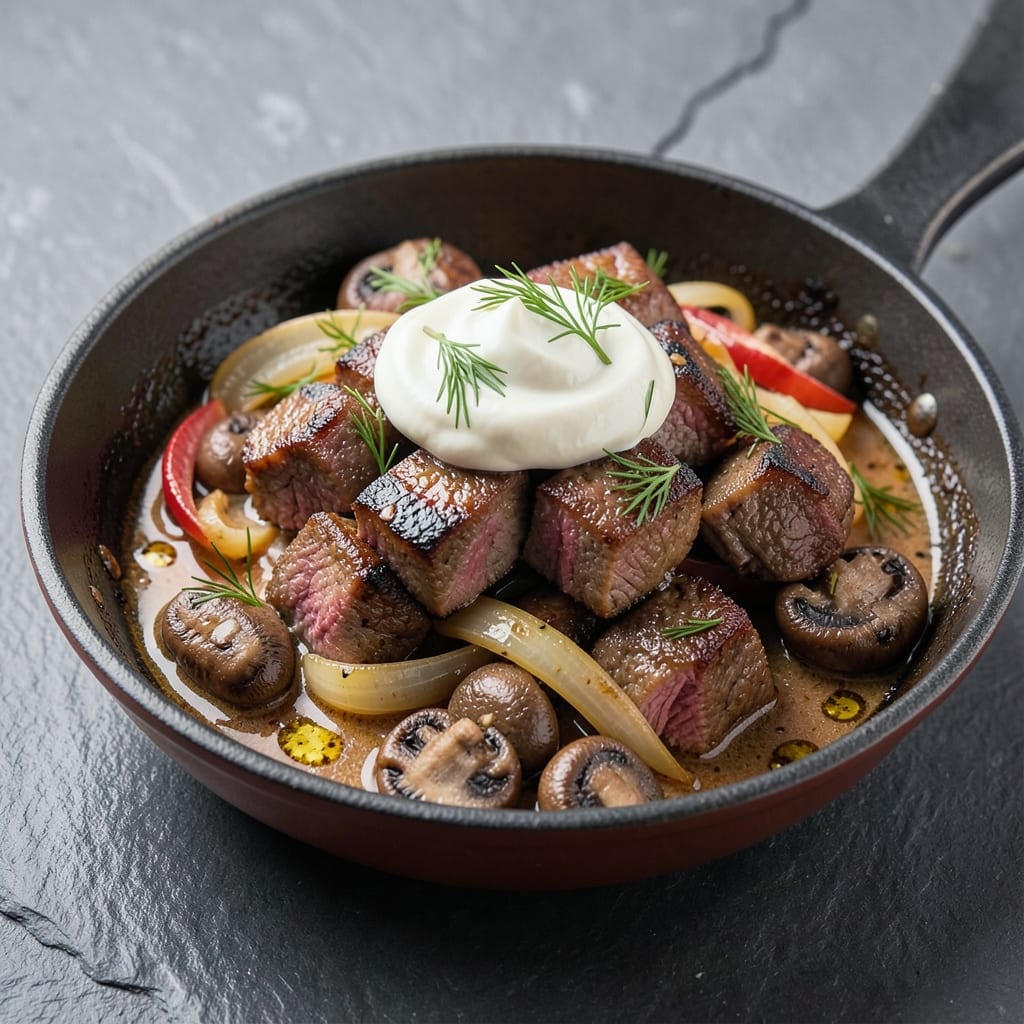
Ball canning beef stroganoff transforms a classic comfort dish into a year-round staple with just 15 minutes of prep and pressure canning. This method preserves the rich, creamy texture and savory depth of traditional stroganoff while ensuring safety and shelf stability. The secret lies in proper sauce reduction and canning techniques that lock in flavor without compromising quality.
What sets this recipe apart is the balance of tender beef, earthy mushrooms, and velvety sour cream sauce—all perfectly preserved for up to 12 months. The key steps involve browning the beef for deep flavor, simmering the sauce to thicken it properly, and using the correct canning process to maintain texture. This isn't just a meal; it's a comfort food investment that pays off during busy weeks or winter nights.
Once canned, your beef stroganoff will reheat beautifully, delivering that same restaurant-quality satisfaction you crave. The smooth sour cream sauce remains creamy (not grainy) when reheated, and the beef stays tender despite the preservation process. Serve it over egg noodles or rice for the full experience—just like your favorite home-cooked meal, but with the convenience of pantry-ready comfort.
Whether you're stocking your pantry for emergencies or simply love the idea of having a gourmet meal at your fingertips, this recipe delivers. The process is straightforward but requires attention to canning safety—critical details we'll cover step by step. Let's get started on preserving that cozy flavor for months to come.
Ingredients for ball canning beef stroganoff
The foundation of canned stroganoff comfort: tender beef, rich sauce, and pantry staples that transform into year-round meals.
| Ingredient | Amount | Notes |
|---|---|---|
| Chuck Roast 🥩 | 4 lb | Cut into 1-inch cubes, trimmed of fat |
| Yellow Onion 🧅 | 2 whole | Medium size, sliced into half-moons |
| Garlic Cloves 🧄 | 8 cloves | Freshly minced, not pre-minced jarred |
| Cremini Mushrooms 🍄 | 1 ½ lb | Sliced into quarter-moons, stems removed |
| All-Purpose Flour 🌾 | ½ cup | Diamond Crystal preferred for thickening |
| Sour Cream 🥛 | 1 ½ cups | Full-fat, not low-fat for best texture |
| Beef Broth 💧 | 4 cups | Homemade or high-quality store-bought |
| Dry White Wine 🍷 | ½ cup | Substitute with extra beef broth if needed |
| Tomato Paste 🍅 | ¼ cup | San Marzano preferred for sweetness |
| Worcestershire Sauce 🧂 | 1 tbsp | Vegetarian version if needed |
| Dried Thyme 🌿 | 1 tsp | Fresh thyme at 3x amount if available |
| Ground Black Pepper 🌶️ | 1 ½ tsp | Freshly cracked for best flavor |
| Salt 🧂 | 2 tsp | Kosher salt, adjust to taste |
| Lemon Juice 🍋 | 1 tbsp | Freshly squeezed for brightness |
The chuck roast is non-negotiable for this recipe—its marbling ensures tender, flavorful cubes that hold up during canning. Grab it from the butcher counter if possible, as pre-packaged cuts often have less fat. Look for good marbling (visible white streaks) and avoid anything with excessive connective tissue. For the mushrooms, cremini delivers the best earthy depth, but white mushrooms work in a pinch. The Diamond Crystal flour is my go-to for thickening sauces—it absorbs liquids better than other brands, which is critical for that velvety texture after canning. If you can't find it, Bob's Red Mill is a solid alternative. The San Marzano tomato paste adds natural sweetness that balances the acidity from the wine and lemon juice.
No white wine? Extra beef broth works perfectly—just reduce it by half to concentrate the flavor. The Worcestershire sauce adds that umami kick, so don't skip it unless you're vegetarian (use a vegan version). For the sour cream, full-fat is essential—it prevents the sauce from turning grainy after canning. If you're short on time, Trader Joe's or Costco sell pre-cubed chuck roast, which cuts prep time in half. The lemon juice brightens the sauce, but if you're canning for long-term storage, you'll add it fresh before serving. Fresh thyme is ideal, but dried at one-third the amount works if that's what you have. The kosher salt is crucial for seasoning—it dissolves more easily than table salt, so you won't over-salt your stroganoff.
This recipe yields 12 quart jars, perfect for stocking your pantry. The sauce should reduce to 2 cups per batch before canning to prevent jars from overflowing during processing. Ladle hot sauce into jars, leaving 1-inch headspace, then wipe the rims clean. Process in a pressure canner for 90 minutes at 10 pounds pressure (adjust for altitude). Once cooled, the sauce will thicken further—stir before serving to redistribute the sour cream. Reheats beautifully—simmer gently for 10-15 minutes on the stove or microwave in 2-minute bursts to avoid graininess. Keeps 12 months in a cool, dark pantry, making it the ultimate comfort food investment.
Why You'll Love This Recipe
- One-Pot Magic: I swear by this recipe because it’s actually one-pot after the slow cooker—just brown the chuck roast, dump everything in, and let it melt down. No messy sauces or extra pans to scrub.
- Mushroom-Meets-Meat Bliss: That earthy umami from the cremini mushrooms? It’s the secret weapon. The flour thickens the sauce just enough to coat every bite, so you get tender beef and that rich, velvety texture—like a hug in a jar.
- Leftovers That Don’t Suck: Honestly, this stuff tastes better the next day. I make a double batch, can half, and freeze the rest for lazy nights. Reheat it, add a splash of water, and boom—restaurant-quality stroganoff with zero effort.
- Budget-Friendly Feast: Chuck roast is cheap, but it transforms into something fancy. Between us, this recipe feeds four for under $15, and the mushrooms add depth without breaking the bank. My wallet and my family thank me every time.
Step-by-step instructions for Ball canning beef stroganoff
Here's how to transform rich beef stroganoff into a shelf-stable treasure you'll enjoy all year.
Brown the Chuck Roast and Prepare Aromatics
In a large, heavy pot, heat 1 tablespoon olive oil over medium-high heat. Add the 4 lb chuck roast cut into 1-inch cubes and brown on all sides, working in batches if needed. This step is crucial—it develops deep flavor through the Maillard reaction. You'll know it's ready when the meat releases easily from the pan and has a rich, caramelized crust.
Remove the browned meat and set aside. In the same pot, add another 1 tablespoon olive oil and sauté the 2 whole yellow onions sliced into half-moons for 5 minutes until softened but not browned. Add the 8 cloves freshly minced garlic and 1.5 lb cremini mushrooms sliced into quarter-moons, cooking for another 4-5 minutes until the mushrooms release their moisture and the garlic becomes fragrant. This aromatic base forms the flavor foundation for your canned stroganoff.
Build the Sauce Base with Flour and Liquids
Sprinkle the 0.5 cup all-purpose flour evenly over the mushroom mixture and stir vigorously for 1-2 minutes to cook out the raw flour taste. This creates a roux that will thicken your sauce beautifully. Gradually whisk in the 4 cups beef broth, 0.5 cup dry white wine, 0.25 cup tomato paste, 1 tbsp Worcestershire sauce, 1 tsp dried thyme, 1.5 tsp ground black pepper, and 2 tsp salt, stirring constantly to prevent lumps from forming.
Return the browned chuck roast to the pot and bring the mixture to a gentle boil. Reduce heat to medium-low and let it simmer uncovered for 1 hour, stirring occasionally. The sauce should thicken noticeably as it reduces. If it becomes too thick before the hour is up, add a splash of water or broth to maintain proper consistency. This simmering time allows all the flavors to meld together beautifully.
Finish with Sour Cream and Acid Balance
Remove the pot from heat and stir in the 1.5 cups sour cream and 1 tbsp lemon juice until completely smooth. The acidity from the lemon juice brightens the rich flavors while the sour cream adds that signature creamy texture. Taste and adjust seasoning if needed—you might want to add a pinch more salt or pepper to balance all the flavors.
Let the stroganoff cool completely before canning. This is important for both food safety and to prevent jars from cracking under the heat process. The sauce should thicken even more as it cools, creating that perfect canned texture. Once cooled, ladle the stroganoff into hot, sterilized pint jars, leaving 1-inch headspace at the top. Remove air bubbles with a bubble freer or non-metallic spatula, then wipe the jar rims clean.
Process Jars for Safe Preservation
Place the sealed jars in your pressure canner and process according to your altitude guidelines—75 minutes for pint jars at sea level. This high-pressure processing ensures your stroganoff will be safe to eat for up to 1 year when stored properly in a cool, dark place. The pressure canner's steam under pressure reaches temperatures high enough to kill botulism spores, making this a safe canning method for low-acid foods like stroganoff.
After processing, remove the jars and let them cool undisturbed for 12-24 hours. This slow cooling helps prevent the jars from cracking. Check that the lids have sealed properly by pressing down on the center of each lid—it should not pop up. Any jars that don't seal should be refrigerated and used within 1 week. Once properly sealed, your canned beef stroganoff will provide comforting meals whenever you need them, with all that rich, creamy goodness perfectly preserved.
Pro Tips For Making Ball Canning Beef Stroganoff
- Sear the Roast in Batches: Chuck roast loves a good crust, but one pan won’t cut it—especially when you’re ball-canning. Cut the meat into 1-inch chunks first, then sear in two rounds to avoid crowding. The first batch gets golden; the second gets flavor without steaming. (Yes, it’s extra work, but the texture makes it worth it.)
- Slice Mushrooms Thinly: Thick mushroom pieces turn to mush in the slow cookdown. Grab a sharp knife and slice them paper-thin—like you’re shaving them off the root. They’ll stay intact and soak up the sauce instead of releasing water like soggy pancakes.
- Deglaze with a Splash of Vinegar: After browning the onions and garlic, hit the pan with 2 tablespoons of white vinegar or lemon juice. It cuts through the cooked-on bits and brightens the flavor before adding the flour. (I used to skip this—big mistake. The sauce tastes flat without it.)
- Test Doneness with a Thermometer: Ball-canning means no second chances—overcooked beef turns tough and dry. Pull the meat when it hits 160°F internally, then let it rest in the sauce off-heat for 10 minutes. The residual heat finishes it perfectly without turning it to shoe leather. (I learned this after a batch of rubbery stroganoff.)
Essential equipment for great ball canning beef stroganoff
Pressure Canner Essentials
Your pressure canner is the most critical tool for safely preserving beef stroganoff. I recommend the All American 921 or Presto 23-Quart models—they're durable and provide consistent pressure control. For smaller batches, the Presto 16-Quart works well. Always use a weighted-gauge canner (not dial-gauge) for accuracy. Never substitute a stovetop pot—proper pressure is non-negotiable for safety. 🌡️
Jars and Lids
Use pint-sized Ball or Kerr jars with new lids and rings for each batch. The Ball Mason Jar brand is my go-to—they're tempered for high heat and come with reliable lids. Never reuse lids as they lose sealing ability. For extra security, I add a paraffin wax seal to the jar rims before processing. Store sealed jars in a cool, dark pantry (below 75°F) to maintain quality.
Measuring Tools
A quart measuring cup and 1/4-cup measure are essential for precise sauce reduction. I use the OXO Good Grips set—they're heat-resistant and accurate. A bubble freer (or clean chopstick) removes air pockets from jars, preventing spoilage. For temperature monitoring, a canning thermometer (like Thermoworks) ensures your sauce reaches the proper 212°F before canning. 🔥
Prep Station
Set up a prep station with a cutting board, sharp chef's knife, and large mixing bowl. I keep paper towels nearby for wiping jar rims and a ladle for filling jars. A jar lifter (like Ball's Silicone Jar Grip) protects your hands when moving hot jars. For sterilizing, a large stockpot or steam canner works—just boil jars and lids for 10 minutes before filling.
Safety Gear
Always wear heat-resistant gloves (like Oven Mitts USA) when handling hot jars and canners. A face shield protects against steam burns during processing. Keep a fire extinguisher nearby—though rare, grease fires can happen with high-heat canning. I also recommend a canning guidebook (like Ball Blue Book) for troubleshooting. Safety first—this isn't a meal you want to risk spoiling! ⚡
Nutrition facts
Frequently asked questions
Why does my canned beef stroganoff sauce turn grainy after reheating?
This usually happens when the sauce cools too quickly or when low-fat sour cream is used. Always use full-fat sour cream and let the stroganoff cool completely before canning. The slow cooling process helps the sauce maintain its creamy texture. If graininess occurs, stir the jar gently before reheating to redistribute the cream.
Can I substitute wine with another liquid in the canning process?
Yes! If you don't have white wine, use extra beef broth reduced by half to concentrate the flavor. For each 0.5 cup of wine called for, reduce 1 cup of broth until it's cut in half. This maintains the sauce's depth without alcohol. The key is achieving the same liquid volume after reduction.
How do I know when my pressure canner has reached the right pressure?
For weighted-gauge canners, the rocker should jiggle gently when the pressure reaches 10 pounds (at sea level). Listen for a steady stream of steam escaping from the vent pipe—this indicates proper pressure. Never open the canner until the pressure drops to 0 pounds to avoid contamination. A good rule is to wait 10 minutes after reaching pressure before starting your timer.
What should I do if my jars don't seal properly after canning?
Unsealed jars are safe to eat immediately but must be refrigerated and used within 1 week. Check the lid—if it pops up when pressed, the seal failed. You can reprocess these jars if you catch it within 24 hours of canning. For future batches, ensure your jars are clean, lids are new, and headspace is exactly 1 inch. Also verify your canner reached proper pressure.
How long can I store canned beef stroganoff before quality starts to decline?
Properly canned stroganoff maintains peak quality for 6-12 months when stored in a cool (75°F or below), dark pantry. After 12 months, the texture may become slightly softer and flavors may mellow, but it remains safe to eat. Always check for proper sealing and absence of mold or off odors before consuming. The sauce reheats beautifully—simmer gently on low heat for 10-15 minutes.