
Soups & Stews
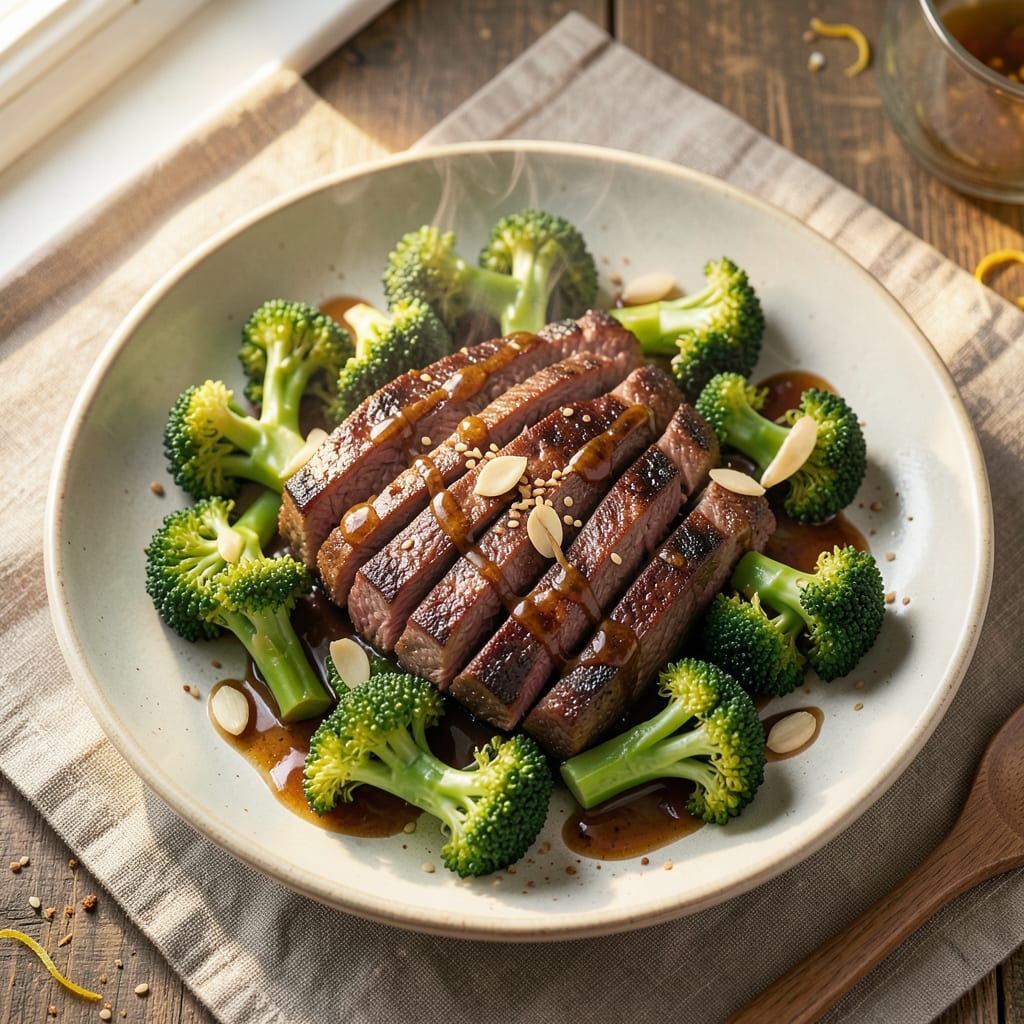
America's Test Kitchen beef and broccoli stir-fry delivers restaurant-quality results with a sauce that clings to every bite—no takeout required. The secret lies in high-heat stir-frying and a sauce reduced to velvety perfection, creating tender beef and crisp-tender broccoli bathed in caramelized flavor. This method transforms weeknight dinners into a wok-heated experience without the guesswork.
What sets this recipe apart is the balance of technique and simplicity: marinate the beef for maximum tenderness, pre-cut broccoli for even cooking, and master the "wok hei" (breath of the wok) for that signature smoky aroma. The sauce—sweet, tangy, and slightly umami—sticks to every piece, ensuring no bite goes unflavored. It’s the kind of dish that tastes like it took hours but comes together in under 30 minutes.
By the time you plate it, you’ll have perfectly seared beef strips with a caramelized crust, bright green broccoli florets that stay crisp-tender, and a sauce so rich it coats every ingredient. The aroma alone will have everyone at the table asking for seconds. This is stir-fry done right—bold, balanced, and impossible to resist.
Adapt it for meal prep by doubling the sauce and storing components separately, or serve it immediately for that fresh-off-the-wok experience. Here’s how to make it.
Ingredients for america's test kitchen beef and broccoli stir fry
High-heat wok technique meets velvety sauce—these ingredients transform simple beef and broccoli into restaurant-worthy perfection.
| Ingredient | Amount | Notes |
|---|---|---|
| Flank Steak 🥩 | 1 lb | Thinly sliced against grain |
| Broccoli Florets 🥦 | 4 cups | Pre-cut, stems trimmed |
| Cornstarch 🌾 | 1 tbsp | For tenderizing beef |
| Soy Sauce 🍶 | ½ cup | Low-sodium preferred |
| Honey 🍯 | 2 tbsp | For sauce sweetness |
| Rice Vinegar 🍶 | 1 tbsp | White or seasoned |
| Sesame Oil 🫒 | 1 tbsp | Toasted for aroma |
| Garlic Cloves 🧄 | 4 cloves | Minced for sauce |
| Ginger Root 🌿 | 1 tbsp | Freshly grated |
| Neutral Oil 🫒 | 2 tbsp | Peanut or vegetable |
| Green Onions 🧅 | 3 whole | Sliced for garnish |
| Sesame Seeds 🌾 | 1 tbsp | Toasted for garnish |
| Diamond Crystal Kosher Salt 🧂 | ½ tsp | For seasoning |
| Ground Black Pepper 🌶️ | ¼ tsp | Freshly cracked |
The flank steak is non-negotiable for this dish—its lean texture slices beautifully when cut against the grain. Look for USDA Choice or Prime at your local butcher or grocery store's meat counter. If you can't find flank, sirloin or ribeye work in a pinch, but they'll require slightly longer marinating. For the broccoli, pre-cut florets save time, but if buying whole heads, trim stems and cut into 1.5-inch pieces for even cooking. The sauce relies on high-quality soy sauce—Kikkoman or La Choy are reliable brands, but any low-sodium option will do. Honey should be pure, with no added corn syrup, for the best balance of sweetness.
No cornstarch? Arrowroot powder works at a 1:1 ratio, though the texture won't be quite as tender. Substituting brown sugar for honey (reduce by 1 tbsp) keeps the sauce's depth but adds molasses notes. Rice vinegar can be swapped for apple cider vinegar, though the flavor profile shifts slightly. For the aromatics, fresh ginger is ideal, but if you're using powdered, reduce to 0.5 tbsp—it's far more concentrated. The neutral oil is critical; peanut oil has a high smoke point, but avocado or vegetable oil work equally well. If you're avoiding sesame oil (common allergen), toasted walnut oil adds a similar nutty depth without overpowering.
The sauce reduces quickly—keep it simmering at a gentle boil to prevent burning. Store leftovers in airtight containers for up to 4 days in the fridge, though the beef and broccoli are best eaten fresh for optimal texture. For meal prep, double the sauce and freeze it in ice cube trays—thaw and reheat as needed. The sesame seeds and green onions can be toasted and stored separately for up to 1 week in the fridge, adding freshness whenever you serve. This dish reheats beautifully—stir-fry again over high heat for that fresh-off-the-wok experience.
Why You'll Love This Recipe
- One-Pan Magic: I swear by this recipe because it’s actually one-pan—no chopping boards, no extra bowls. Just slice the steak thin, toss the broccoli in, and let the wok do the work. The cornstarch slurry? That’s the secret to the sauce clinging like a dream, no stirring required.
- Sweet-Savory Balance: Here’s what sold me—the honey and soy sauce marriage. It’s not just salty or sweet; it’s both at once, with that little kick from the garlic. The steak stays tender but gets this perfect crust, and the broccoli? Still bright and crisp. It’s the kind of dish that makes you pause mid-bite.
- Meal Prep MVP: Between us, this is my go-to for lunches. Cook a big batch on Sunday, and you’ve got five days of easy reheats. The flavors even improve the next day—yes, really. Pack it in containers, and you’re golden. (My daughter picks out the broccoli first, but still asks for seconds.)
- Budget Steakhouse Hack: Flank steak on sale? This is how you stretch it. A pound feeds four, and the sauce makes it feel fancy. No dry rubs, no fancy marinades—just a quick sear and a splash of honey. It’s the kind of dish that tricks people into thinking you slaved over it. (Spoiler: You didn’t.)
Step-by-step instructions for america's test kitchen beef and broccoli stir-fry
Master this wok technique for a restaurant-quality stir-fry with tender beef and vibrant broccoli.
Marinate and Prep the Flank Steak
Slice the 1 lb flank steak thinly against the grain into ¼-inch strips. Transfer to a bowl and toss with 1 tbsp cornstarch, ½ tsp Diamond Crystal kosher salt, and ¼ tsp ground black pepper. Let sit for 15 minutes—this marinade creates a crisp-tender exterior while keeping the interior juicy. The cornstarch forms a light coating that will caramelize beautifully during stir-frying.
While the steak marinates, trim the stems from the 4 cups broccoli florets and cut any large pieces in half for even cooking. Keep them separate until ready to use—they'll cook faster than the beef and should be added later to maintain crisp texture. This prep ensures everything cooks perfectly together without overcrowding the pan.
Build the Sauce Base
In a small bowl, whisk together ½ cup soy sauce, 2 tbsp honey, 1 tbsp rice vinegar, 1 tbsp sesame oil, 4 minced garlic cloves, and 1 tbsp freshly grated ginger root. Let the mixture sit for 5 minutes—this allows the garlic and ginger to mellow slightly, preventing a harsh bite in the final dish. The honey and rice vinegar create a perfect balance of sweet and tangy flavors that complement the savory beef.
This sauce is the heart of your stir-fry. The soy sauce provides umami depth, while the honey adds natural sweetness that caramelizes during cooking. The sesame oil contributes nutty aroma, and the vinegar brightens the entire dish. Taste and adjust seasoning if needed—low-sodium soy sauce means you might want to add a pinch more salt.
Stir-Fry the Beef to Perfect Doneness
Heat a 14-inch wok or large skillet over high heat until a drop of water sizzles and evaporates instantly. Add 2 tbsp neutral oil and swirl to coat the pan. Working in batches if needed, add the marinated steak strips and stir-fry for 1-2 minutes until deep golden brown and just cooked through. The high heat is crucial here—it creates the signature wok hei (breath of the wok) flavor while preventing the beef from becoming tough.
Remove the beef and set aside. If the pan isn't hot enough, the beef will steam instead of sear. You want visible char marks on the edges—this indicates proper doneness. Don't overcrowd the pan, or the steak will release moisture and steam rather than develop that beautiful crust. The beef should be tender but still slightly firm to the touch.
Cook the Broccoli and Combine
Add the broccoli florets to the same pan and stir-fry for 2-3 minutes until bright green and just tender-crisp. The broccoli should retain some bite—it will continue cooking when combined with the beef. Immediately add the beef back to the pan along with the prepared sauce. Stir vigorously for 1-2 minutes until everything is evenly coated and heated through.
The key here is timing. Broccoli cooks faster than beef, so adding it last ensures it stays vibrant and crisp. The sauce should coat everything evenly, creating that signature wok-hot glaze. If the sauce appears too thick, add 1-2 tablespoons hot water to loosen it. The residual heat from the pan will help the sauce cling perfectly to every piece of beef and broccoli.
Finish and Serve Immediately
Transfer the stir-fry to serving plates and garnish with 3 sliced green onions and 1 tbsp toasted sesame seeds. The green onions add a fresh, bright contrast to the rich flavors, while the sesame seeds contribute texture and aroma. Serve immediately while everything is piping hot—the flavors meld best when enjoyed straight from the wok.
This dish delivers perfect texture contrast: tender beef with crisp broccoli, all coated in a glossy, flavorful sauce. The high heat technique ensures maximum wok hei, that elusive smoky aroma that makes restaurant-quality stir-fry truly special. Each bite should deliver a balance of sweet, savory, and umami with just the right amount of heat from the sesame oil.
Pro Tips For Making America'S Test Kitchen Beef And Broccoli Stir Fry
- Slice Thin, Then Rest: Flank steak is stubborn—cut it against the grain into ¼-inch slices, then let them sit uncovered for 10 minutes. This prevents a mushy center and gives the soy sauce something to cling to. (Yes, even if you’re impatient like me.)
- Dry Broccoli Like It’s 1998: Pat those florets thoroughly with a kitchen towel before tossing them in the wok. Wet broccoli steams instead of sears, and you’ll end up with sad, limp greens. I learned this the hard way—three batches of soggy broccoli will do that to you.
- Don’t Rush the Soy Glaze: The ATK recipe calls for a quick deglaze, but if you dump all the soy sauce and honey in at once, you’ll just make a thin, flavorless sauce. Instead, let the beef brown first, then add the sauce in two stages—half now, half later—so it thickens properly. (Your future self will notice the difference.)
- Use Cornstarch Like a Pro: Whisk that 1 tsp cornstarch with 1 tbsp water before adding it to the pan. Stirring it dry first just makes a grainy mess. A smooth slurry = a glossy, thick sauce. I skip this step sometimes, and the sauce always feels… off. Not worth the risk.
Wine and beer pairings for america's test kitchen beef and broccoli stir fry
Crisp White Wine
A dry Riesling from Germany or Alsace is my go-to pairing for this dish—its bright acidity cuts through the richness of the sauce while complementing the beef's savory notes. Look for a Keller or Dr. Loosen Riesling with 12-13% ABV—the crisp citrus and mineral flavors balance the umami perfectly. Serve slightly chilled (50-55°F) to enhance its refreshing qualities. 🍷
Light-Bodied Red
If you prefer red wine, a Pinot Noir from Oregon or Burgundy works beautifully. The Willamette Valley produces excellent examples with 12.5-13.5% ABV, offering red fruit notes that harmonize with the beef's caramelized crust. Opt for a 2018-2020 vintage—these wines have enough body to stand up to the dish without overpowering the delicate broccoli. Let it breathe for 10 minutes before serving to soften its tannins.
Asian-Inspired Beer
For beer lovers, a Japanese lager like Sapporo Premium or Asahi Super Dry provides the perfect crisp, clean finish. The 4.2% ABV ensures it won’t clash with the dish’s bold flavors. Alternatively, a Belgian witbier such as Hoegaarden adds a subtle citrus and spice note that mirrors the ginger and garlic in the sauce. Serve both at 40-45°F for optimal refreshment. 🍺
Sparkling Alternative
If you want to keep things light, a dry Prosecco or Cava adds effervescence that cleanses the palate between bites. The 11-12% ABV range ensures it won’t overpower the dish, while the apple and pear notes in quality Prosecco (like La Marca) complement the honey and vinegar in the sauce. Chill to 45-50°F for the best experience.
Non-Alcoholic Pairing
For a refreshing non-alcoholic option, try sparkling yuzu soda—the citrusy, slightly tart flavor enhances the dish’s umami without alcohol’s interference. Alternatively, unsweetened iced green tea with a squeeze of lemon provides a light, vegetal contrast that balances the richness. Serve both well-chilled (38-42°F) to highlight their crispness. ✨
Nutrition facts
Frequently asked questions
Why does the beef need to marinate for 15 minutes?
The 15-minute marinade with cornstarch and salt is crucial for two reasons: it tenderizes the beef while creating a crisp-tender crust when seared. The cornstarch forms a light coating that caramelizes beautifully at high heat, giving that signature restaurant-quality texture. Skipping this step can result in tougher beef with less flavorful crust.
Can I substitute flank steak with another cut?
Yes, but with adjustments: sirloin or ribeye work well if you marinate them for 20-30 minutes instead. These cuts are slightly more tender, so longer marinating prevents toughness. Avoid lean cuts like top round—they'll dry out during stir-frying. For extra tenderness, slice them ⅛-inch thick instead of ¼-inch.
How do I prevent the broccoli from turning mushy?
Broccoli cooks faster than beef, so add it last for 2-3 minutes of stir-frying only. Overcrowding the pan also causes steaming instead of searing. For extra crispness, blanch the florets in boiling water for 30 seconds before stir-frying, then drain thoroughly. The high heat and quick cooking time are key to maintaining that vibrant, crisp texture.
What if my sauce is too thick?
Simmer the sauce for 1-2 minutes longer to reduce it naturally, or thin with 1-2 tbsp hot water while stirring. The sauce should coat the back of a spoon but still be pourable. For extra richness, add ½ tsp toasted sesame oil at the end. Never use cold water—it can cause the sauce to seize and become grainy.
Can I make this ahead of time?
Store components separately: refrigerate cooked beef and broccoli (up to 2 days) and sauce (up to 4 days) in airtight containers. Reheat everything in the wok over high heat for 2-3 minutes with a splash of water to restore that fresh-off-the-wok flavor. For meal prep, double the sauce and freeze it in ice cube trays—thaw and reheat as needed.