
Main Courses
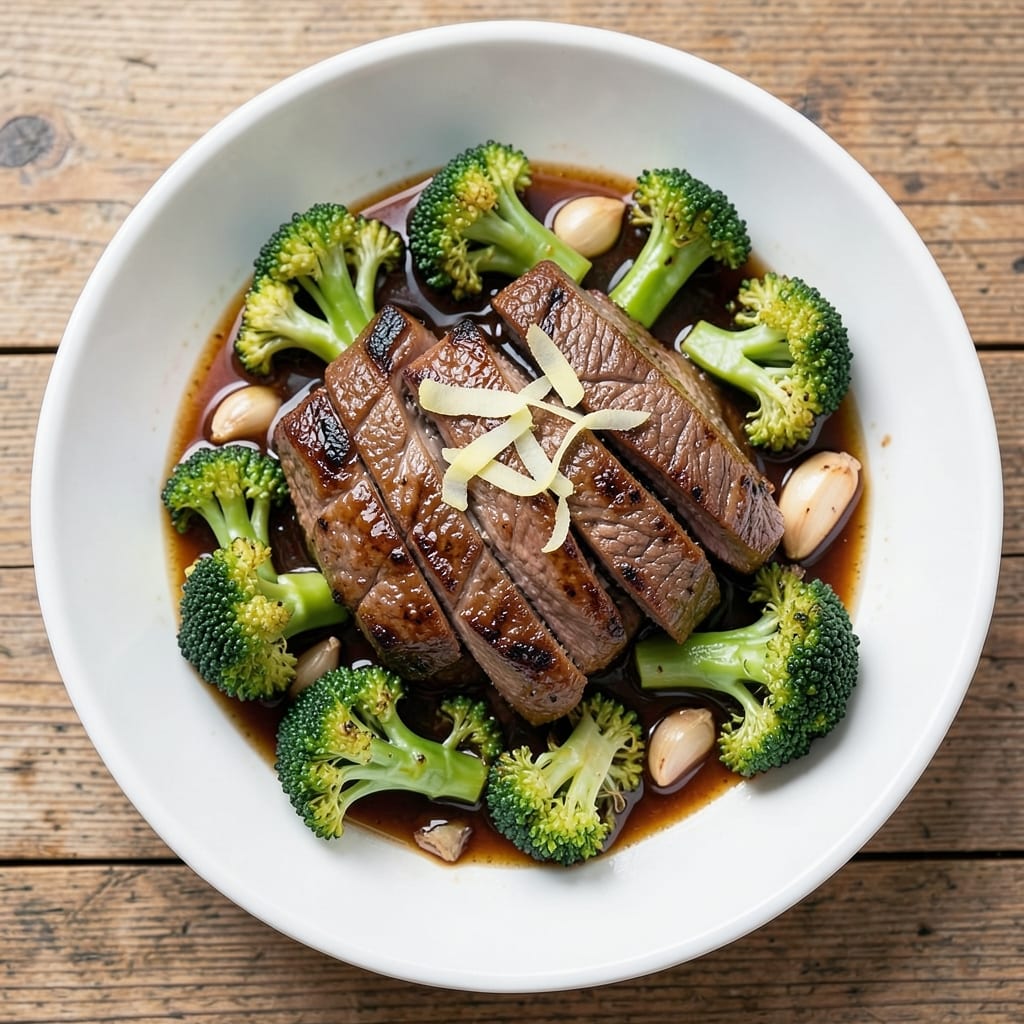
This Kikkoman beef and broccoli recipe delivers restaurant-quality results with tender beef and crisp-tender broccoli coated in a velvety soy-glazed sauce. The secret lies in proper protein preparation—thinly sliced beef seared just until tender, paired with broccoli that stays vibrant yet slightly crisp. I've refined this technique over years to ensure every bite achieves that perfect balance of texture and flavor.
The sauce is where the magic happens—a rich reduction of Kikkoman soy sauce, brown sugar, and aromatics that caramelizes beautifully while maintaining depth. Unlike many home versions, this recipe avoids overcooking the beef by using high-heat stir-frying techniques that preserve moisture and tenderness. The broccoli gets just enough time to soften while maintaining its natural crunch, creating that satisfying contrast in every bite.
By the time you plate this dish, you'll have perfectly seared beef strips with a caramelized sheen, bright green broccoli florets, and a glossy sauce that clings to everything. The combination of umami from the soy sauce, sweetness from the caramelized sugar, and freshness from the broccoli makes this dish both comforting and sophisticated—ideal for weeknight dinners or special occasions.
Whether you're using a wok for authentic wok hei or an air fryer for a quicker version, this recipe adapts beautifully while maintaining its core flavors. The key is timing—cooking the beef first, then adding the broccoli at the last moment to preserve its texture. Let's get started on creating this perfect balance of flavors and textures.
Ingredients for kikkoman beef and broccoli
Restaurant-quality beef and broccoli starts with these carefully selected ingredients designed for perfect texture and umami depth.
| Ingredient | Amount | Notes |
|---|---|---|
| Flank Steak 🥩 | 1 lb | Thinly sliced against grain |
| Fresh Broccoli 🥦 | 1 ½ lbs | Cut into even florets |
| Kikkoman Soy Sauce 🍶 | ½ cup | High-quality for authentic flavor |
| Brown Sugar 🍯 | ¼ cup | Packed, light variety |
| Garlic Cloves 🧄 | 6 cloves | Minced for aromatic base |
| Fresh Ginger 🌿 | 1 tbsp | Grated, for zesty depth |
| Sesame Oil 🫒 | 1 tbsp | Toasted for nutty aroma |
| Cornstarch 🌾 | 1 tbsp | For sauce thickening |
| Vegetable Oil 🫒 | 3 tbsp | High smoke point for searing |
| Green Onions 🧅 | 3 whole | Sliced, for garnish |
| Sesame Seeds 🌾 | 1 tbsp | Toasted for texture |
| Diamond Crystal Kosher Salt 🧂 | 1 tsp | For seasoning |
| Ground Black Pepper 🌶️ | ½ tsp | Freshly ground for heat |
The flank steak is non-negotiable for this dish—its lean yet tender texture becomes silky when sliced thinly against the grain. Look for USDA Choice grade with good marbling at your butcher or grocery store's meat counter. Costco or Whole Foods often carry high-quality cuts that work beautifully. Fresh broccoli should have vibrant green florets with tight buds—avoid any with yellowing stems or wilted leaves. For the soy sauce, Kikkoman's original delivers that authentic umami punch, though Lee Kum Kee is a close second if you prefer a slightly sweeter profile. The brown sugar should be light and packed—dark varieties can overpower the delicate balance of flavors.
No flank steak? Sirloin or ribeye sliced thinly will work, though they may yield slightly different textures. Substituting tofu for the beef creates a vegetarian version—ensure it's pressed and sliced uniformly for consistent cooking. For the garlic and ginger, fresh is essential—dried powders lack the complexity needed here. Running short on sesame oil? A splash of peanut oil can mimic its nutty aroma, though the flavor won't be identical. The cornstarch is crucial for that signature velvety sauce—arrowroot powder works in a pinch but may yield a slightly different mouthfeel. When selecting broccoli, baby crowns are ideal for even cooking, but standard florets work if cut to similar size.
Store the flank steak in the coldest part of your fridge, wrapped tightly, and use within 3 days for optimal tenderness. Broccoli keeps best in the crisper drawer for 5-7 days, though it's ideal to use within 3 days for peak crispness. The soy sauce, sesame oil, and brown sugar can be stored at room temperature in a dark pantry for months—just reseal containers tightly after each use. For meal prep, cook the beef and broccoli separately, then combine with the sauce just before serving to maintain texture. The dish reheats beautifully—2-3 minutes in a skillet over medium heat restores that crisp-tender profile, though it won't be identical to fresh.
Why You'll Love This Recipe
- No-Fuss Flank Steak: I swear by this cut—just slice it thin against the grain, and it practically melts in your mouth. No fancy marinating, no waiting hours; the soy and garlic work their magic in minutes while you chop broccoli (which, honestly, is the only prep you’ll do).
- Umami Bomb Combo: That Kikkoman soy sauce? It’s the MVP here. The deep, salty-sweet balance from the brown sugar and garlic turns this into something restaurant-worthy without a single fancy ingredient. The broccoli gets that perfect crisp-tender bite, and the beef? Caramelized edges with a juicy center.
- Lunchbox Hero: Between us, this is my go-to for meal prep. Toss the leftovers into bento boxes or rice bowls—it reheats like a dream and still tastes fresh. My kids grab it for school lunches, and my husband sneaks seconds when he thinks I’m not looking.
- Budget Powerhouse: Flank steak is affordable, and a single pan handles everything—no extra dishes. A pound of beef and a head of broccoli stretch across multiple meals, and the pantry staples (soy, sugar, garlic) won’t break the bank. Plus, it’s the kind of dish that makes you feel like you’re eating well without stressing.
Step-by-step instructions for Kikkoman beef and broccoli
Master this classic stir-fry with perfectly tender beef and crisp-tender broccoli in velvety sauce.
Prepare the Flank Steak for Maximum Tenderness
Slice the 1 lb flank steak thinly against the grain into ¼-inch thick strips. This is critical—thin slices ensure tender bites that won't be chewy. Pat the sliced steak dry with paper towels to remove any surface moisture, which helps create a better sear later.
In a small bowl, combine the 1 tbsp sesame oil, 1 tsp Diamond Crystal kosher salt, and 0.5 tsp freshly ground black pepper. Toss the steak strips in this marinade until evenly coated. Let them sit at room temperature for 15-20 minutes while you prepare the remaining ingredients. This brief marinade enhances flavor and ensures even cooking.
Create the Soy-Glazed Sauce Base
In a small mixing bowl, whisk together the 0.5 cup Kikkoman soy sauce, 0.25 cup packed brown sugar, minced 6 cloves garlic, and 1 tbsp freshly grated ginger until the sugar dissolves completely. This mixture forms the flavor foundation of your dish. Taste and adjust seasoning if needed—you want a balance of sweet, salty, and aromatic notes.
In a separate small bowl, combine the 1 tbsp cornstarch with 2 tablespoons of cold water to create a slurry. This will be your thickening agent for the sauce. Set both mixtures aside—they'll be added at precise moments during cooking to create that signature velvety texture.
Stir-Fry the Broccoli to Crisp-Tender Perfection
Heat 2 tablespoons of the 3 tbsp vegetable oil in a large skillet or wok over medium-high heat until shimmering. Add the 1.5 lbs fresh broccoli florets in a single layer, leaving space between pieces. Stir-fry for 3-4 minutes until the broccoli turns bright green and develops slight char marks on the edges—this is your signal for perfect texture.
Remove the broccoli to a plate and set aside. Don't overcrowd the pan—this steams rather than sears the vegetables. The residual heat will keep them warm while you cook the beef. If your pan gets too crowded, work in batches with the remaining 1 tablespoon vegetable oil.
Sear the Steak and Combine with Broccoli
Add the remaining 1 tablespoon vegetable oil to the same skillet over high heat. Working in batches if needed, add the marinated steak strips and sear for 1-2 minutes per side until they develop a deep golden-brown crust. The steak should be cooked to medium doneness—it will continue cooking slightly when combined with the sauce.
Return the broccoli to the skillet and pour in the soy sauce mixture. Stir well to combine, then bring to a gentle simmer. Cook for 1-2 minutes until the sauce begins to thicken slightly and coats the beef and broccoli. This is where the flavors meld together—don't walk away as the sauce can burn quickly.
Thicken and Finish the Sauce
Pour the cornstarch slurry into the skillet while stirring constantly. The sauce will immediately begin to thicken—keep stirring vigorously for 30-60 seconds until it reaches a glossy, velvety consistency that coats the back of a spoon. You want it thick enough to cling to the beef and broccoli but still smooth.
Remove from heat and stir in the 1 tbsp toasted sesame oil and sliced 3 whole green onions. Taste and adjust seasoning if needed—you might need a touch more soy sauce for saltiness or a pinch more sugar for sweetness. Garnish with 1 tbsp toasted sesame seeds and serve immediately over steamed rice.
Pro Tips For Making Kikkoman Beef And Broccoli
- Slice Thin, Cook Fast: Flank steak’s tough when overcooked, so slice it paper-thin against the grain—about ¼-inch thick. High heat for 2-3 minutes max, or you’ll end up with chewy strips instead of tender bites. (Yes, even if you’re impatient like me.)
- Salt Broccoli First: Toss broccoli florets in ½ teaspoon salt before cooking—it crisps the edges and draws out bitterness. Skip this, and your broccoli will turn soggy when the sauce hits. Trust me, it’s worth the extra 30 seconds.
- Deglaze With Soy Early: After searing the garlic, let those browned bits caramelize for 30 seconds, then immediately add ¼ cup soy sauce. This builds flavor before the sweetness hits, so the sauce doesn’t taste one-note. (I used to add all the sauce at once—don’t make my mistake.)
- Use Less Sugar, Balance Heat: Brown sugar burns fast. Start with 1 tablespoon, taste, then add another if needed. Too much? The sauce will cloy instead of glaze. A pinch of red pepper flakes later balances it—sounds weird, but it works.
Flavor customization for this recipe
Sweet-Savory Balance
Adjust the brown sugar to soy sauce ratio for your preferred sweetness level. I recommend starting with ½ cup soy sauce to ¼ cup brown sugar for classic balance, but reduce sugar to 2 tablespoons if you prefer a more traditional Chinese takeout flavor profile. For extra depth, add 1 teaspoon honey or 1 tablespoon maple syrup to the sauce mixture—this enhances caramelization without altering the dish's core umami character. 🍯
Spicy Kick Variations
Add heat by incorporating 1 teaspoon of chili crisp or ½ teaspoon of red pepper flakes into the sauce mixture. For a smoky dimension, stir in ½ teaspoon of smoked paprika or 1 teaspoon of gochujang (Korean chili paste) when combining the sauce with beef and broccoli. If you love Thai flavors, swap 1 tablespoon of fish sauce for half the soy sauce and add 1 teaspoon of sriracha for a tangy-spicy twist. 🌶️
Umami Boosters
Elevate the dish's depth by adding 1 tablespoon of oyster sauce or 1 teaspoon of mushroom powder to the sauce mixture. For a vegetarian-friendly boost, stir in 1 tablespoon of vegetarian oyster sauce or 2 tablespoons of miso paste (white or red) when creating the sauce base. I also love adding 1 teaspoon of fish sauce for an extra umami punch—just be mindful of sodium content if you're watching your intake. 🍶
Texture Enhancements
For added crunch, toss in 2 tablespoons of crushed peanuts or 1 tablespoon of fried shallots during the final minute of cooking. If you prefer a creamy texture, stir in 1 tablespoon of coconut aminos along with the cornstarch slurry for a subtle sweetness. For a nutty finish, sprinkle 1 teaspoon of toasted sesame seeds directly over the dish before serving. 🌾
Regional Twists
Create a Sichuan-style version by adding 1 teaspoon of Sichuan peppercorns (lightly toasted and ground) to the sauce. For a Japanese-inspired take, replace the brown sugar with 2 tablespoons of mirin and add 1 teaspoon of grated daikon to the sauce mixture. A Korean-inspired adaptation swaps soy sauce for 3 tablespoons of doenjang (fermented soybean paste) and adds 1 teaspoon of gochugaru (Korean chili flakes). 🗺️
Dietary Adaptations
For a lower-sodium version, reduce the soy sauce to ¼ cup and add 1 teaspoon of coconut aminos for a milder flavor. Make it gluten-free by substituting soy sauce with tamari or a gluten-free coconut aminos blend. For a vegetarian adaptation, replace the beef with extra-firm tofu (pressed and sliced) or shiitake mushrooms (sliced thinly). The broccoli and sauce remain the same, ensuring the dish stays flavorful and satisfying. 🌱
Nutrition facts
Frequently asked questions
Can I use a different cut of beef instead of flank steak?
Yes! Sirloin or ribeye work well—just slice them ¼-inch thick against the grain for tenderness. For extra-lean options, try top round, but marinate it 30-45 minutes longer to prevent dryness. Avoid tougher cuts like chuck, as they won't become tender enough in this quick-cooking method.
How do I prevent the broccoli from getting mushy?
Cook broccoli in one layer over medium-high heat for only 3-4 minutes—it should stay bright green with slight char. Overcrowding steams it instead of searing. For extra crispness, blanch broccoli in boiling water for 1 minute, then shock in ice water before stir-frying.
Can I make this recipe in a slow cooker?
Brown the beef first in a skillet, then transfer everything to the slow cooker with ¼ cup water. Cook on low for 4-5 hours, stirring occasionally. The sauce will thicken naturally—no cornstarch needed. For extra flavor, add 1 teaspoon of grated ginger and 2 cloves minced garlic directly to the slow cooker.
Why does my sauce turn out too thin?
Sauce thinning happens when cornstarch isn't fully dissolved or the heat isn't high enough. Always whisk cornstarch with cold water first, then stir constantly over medium-high heat until it thickens (30-60 seconds). For extra insurance, mix 1 teaspoon arrowroot powder with 1 tablespoon water instead.
What's the best way to reheat leftovers?
Reheat in a skillet over medium heat for 2-3 minutes with 1 teaspoon vegetable oil to restore crispness. Avoid microwaving—it makes broccoli soggy. For extra flavor, add 1 teaspoon soy sauce and ½ teaspoon sesame oil while reheating. Store leftovers in an airtight container for up to 3 days.