
Main Courses
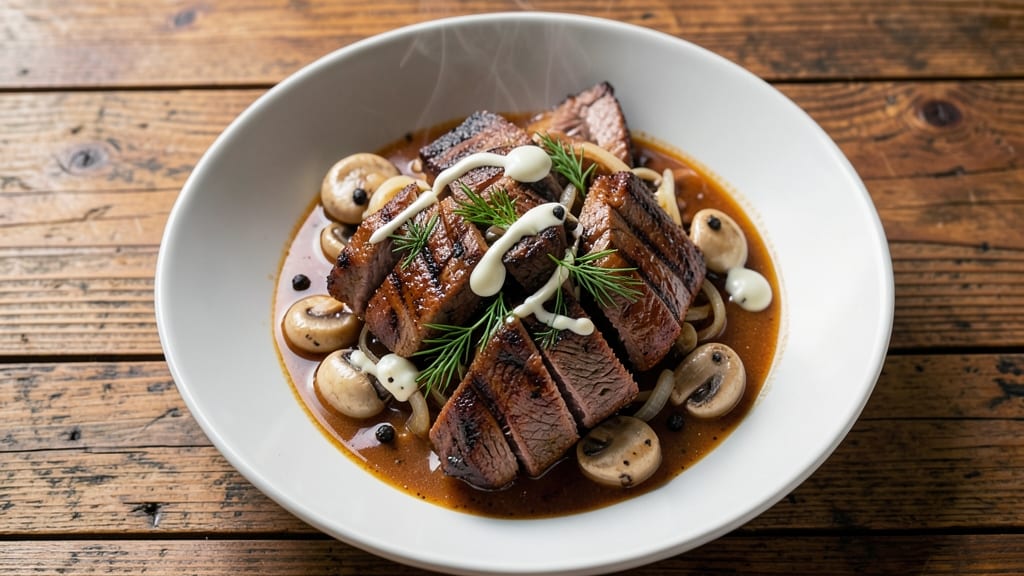
Alton Brown’s beef stroganoff delivers restaurant-quality tenderness with a velvety mushroom sauce that clings perfectly to each bite. This recipe transforms tough cuts into melt-in-your-mouth beef through precise searing and slow cooking, while the sour cream-mustard sauce adds depth without overpowering.
The secret lies in balancing acidity and richness—just like Brown’s signature techniques. Every component comes together for a dish that feels both elegant and approachable.
The foundation starts with properly seared beef strips, cooked to develop a deep flavor before deglazing the pan to capture every caramelized bit. Mushrooms sautéed until golden contribute earthy notes, while Dijon mustard and sour cream create that signature tangy creaminess.
The result is a sauce so smooth it coats each noodle without breaking, ensuring every forkful is tender and cohesive.
Pairing this stroganoff with buttery egg noodles or creamy mashed potatoes elevates the dish further, turning it into a hearty main course worthy of any dinner table. The presentation is simple yet refined—golden sauce pooling over perfectly cooked noodles and tender beef strips.
This recipe proves you can achieve professional results at home with the right technique and attention to detail.
Perfect for weeknight dinners or special occasions, this stroganoff scales effortlessly for families or gatherings. The balance of flavors and textures makes it universally appealing, while the method ensures consistent results. Let’s bring this classic to life with confidence.
Ingredients for alton brown beef stroganoff
Precision-cut beef, golden mushrooms, and velvety sour cream create Alton Brown's signature stroganoff experience.
| Ingredient | Amount | Notes |
|---|---|---|
| Beef Chuck Roast 🥩 | 1 ½ lb | Cut into 1/2-inch strips, trimmed of fat |
| All-Purpose Flour 🌾 | 2 tbsp | For dredging beef strips |
| Unsalted Butter 🧈 | 3 tbsp | Cold, for searing |
| White Onion 🧅 | 1 whole | Thinly sliced, about 1 cup |
| Garlic Cloves 🧄 | 4 cloves | Minced, for depth |
| Cream Mushrooms 🍄 | 8 oz | Sliced 1/4-inch thick |
| Dijon Mustard 🍯 | 1 tbsp | High-quality brand preferred |
| Beef Broth 💧 | 1 cup | Low-sodium preferred |
| Dry White Wine 🍷 | ½ cup | Sauvignon Blanc recommended |
| Sour Cream 🧀 | ½ cup | Full-fat for richness |
| Egg Noodles 🍝 | 8 oz | Fresh or dried, cooked al dente |
| Diamond Crystal Kosher Salt 🧂 | 1 tsp | For seasoning |
| Freshly Ground Black Pepper 🌶️ | ½ tsp | For finishing |
| Fresh Parsley 🌿 | ¼ cup | Chopped, for garnish |
The beef selection is critical—chuck roast delivers the ideal balance of tenderness and flavor when cut properly. Most butchers will trim and slice it for you, but if doing it yourself, look for well-marbled sections and cut against the grain into even strips. Whole Foods or high-end grocery stores often carry pre-sliced versions, saving time without sacrificing quality. The mushrooms should be firm and creamy, not slimy or discolored—Trader Joe's brand is consistently reliable. For the wine, opt for a dry Sauvignon Blanc with bright acidity to cut through the richness of the sour cream.
Substitutions work best when they maintain the dish's fundamental balance. No white wine? Substitute an extra 1/4 cup beef broth plus 1 tsp lemon juice—the acidity is key. Fresh mushrooms unavailable? Canned button mushrooms (drained well) work in a pinch, though they lack the earthy depth. For the Dijon mustard, whole-grain mustard adds texture but requires straining. The sour cream can be swapped for Greek yogurt (reduce to 1/3 cup) for tang without heaviness. Always use full-fat dairy—low-fat versions won't create the signature velvety texture. The egg noodles can be replaced with fettuccine or linguine, but they'll absorb more sauce.
This stroganoff reheats beautifully—cover with foil and warm gently on the stove for even results. Store leftovers in an airtight container for up to 4 days in the refrigerator, though the sauce may thicken slightly. For longer storage, freeze portions for up to 3 months. The beef strips can be prepped ahead and refrigerated for 24 hours before cooking, making this an excellent make-ahead dish. Garnish with fresh parsley just before serving to maintain vibrant color and freshness.
Why You'll Love This Recipe
- One-Pan Simplicity: I swear by this recipe because it’s the kind of dish that lets you walk away while it works its magic. Brown the chuck roast in butter, toss in onions and garlic, then deglaze with a splash of broth—no extra pots, no fuss. That flour coating? It turns tender as it cooks, and the sauce practically builds itself.
- Rich, Layered Depth: The butter-seared beef and caramelized onions create this insane base, but the real magic happens when the sour cream and mustard fold in. It’s creamy without being heavy, tangy without overpowering, and that garlic? It lingers just enough to make you crave another bite. Honestly, I’ve made stroganoff before, but this one sticks with you.
- Weeknight to Date Night: This recipe doesn’t care what’s on your schedule—it’s just as happy with a side of crusty bread as it is with mashed potatoes. Too busy for dinner? Double the batch and reheat it for lunch the next day. Taking someone out? It’s fancy enough to impress without requiring a white tablecloth.
- Budget-Friendly Luxury: Chuck roast is the unsung hero here—it’s affordable, forgiving, and packed with flavor. A single roast feeds four (or two very hungry people), and the leftovers? Even better reheated with a sprinkle of fresh parsley. Between us, this is the kind of dish that makes grocery day feel like a victory.
Step-by-step instructions for alton brown's beef stroganoff
This method delivers restaurant-quality tenderness with a velvety mushroom sauce every time.
Prepare the Beef for Perfect Tenderness
Cut the 1.5 lb beef chuck roast into ½-inch strips, trimming any visible fat. This cut size ensures even cooking and maximum tenderness. Place the strips in a bowl and dredge them lightly in 2 tbsp all-purpose flour, shaking off any excess. The flour creates a light crust that helps the beef brown beautifully during searing.
I like to work in batches if needed—don't overcrowd the pan later. The flour should coat the beef evenly but not clump. This step is crucial for developing that rich fond at the bottom of your pan, which forms the base of your sauce. Set the floured beef aside while you prepare the aromatics.
Develop the Flavor Base with Aromatics
Melt 2 tbsp of the unsalted butter in a large skillet over medium heat. Add the thinly sliced 1 whole white onion and cook for 5-6 minutes until softened and beginning to caramelize at the edges. This slow cooking draws out natural sweetness from the onion.
Add the 4 minced garlic cloves and cook for 30 seconds until fragrant. Here's the thing—garlic burns quickly, so keep an eye on it. Immediately add the remaining 1 tbsp unsalted butter to protect the garlic from browning too quickly. Remove the pan from heat and set aside temporarily.
Sear the Beef for Maximum Flavor
Return the skillet to medium-high heat and add the floured beef strips in a single layer. Let them sear undisturbed for 2-3 minutes until they develop a deep golden-brown crust. This crust is called the Maillard reaction, and it's what gives stroganoff its deep, savory flavor.
Transfer the seared beef to a plate and set aside. If the pan appears dry, add 1 tbsp dry white wine to deglaze, scraping up any browned bits from the bottom. These bits, called fond, are packed with flavor and will dissolve into your sauce. Return the pan to heat and add the 8 oz sliced cream mushrooms, cooking for 4-5 minutes until they release their moisture and begin to soften.
Build the Sauce with Precision
Stir in the 1 tbsp Dijon mustard and cook for 1 minute to toast the mustard's flavor. Pour in the ½ cup dry white wine and scrape up any remaining browned bits from the pan. Let the wine simmer for 2-3 minutes until reduced by half—this concentrates the flavors.
Add the 1 cup beef broth and bring to a gentle simmer. Return the seared beef to the pan and cook for 5-7 minutes until the beef is tender and the sauce has thickened slightly. The beef should be fork-tender but not falling apart. If the sauce is too thin at this point, reduce it further by simmering uncovered for an additional 2-3 minutes.
Finish with Cream and Serve
Remove the pan from heat and stir in the ½ cup sour cream. The heat from the pan will gently warm the sour cream, creating a silky texture without curdling. Season with 1 tsp diamond crystal kosher salt and ½ tsp freshly ground black pepper. Taste and adjust the seasoning—you might need a bit more salt to balance the richness.
Cook the 8 oz egg noodles according to package instructions until al dente, then drain and toss with the stroganoff sauce. Garnish with ¼ cup chopped fresh parsley and serve immediately. The combination of tender beef, creamy sauce, and egg noodles makes this stroganoff a hearty, comforting dish that delivers on every promise of tenderness.
Pro Tips For Making Alton Brown Beef Stroganoff
- SEAR THE BEEF HARD: Alton’s recipe calls for a quick sear, but don’t rush—get that pan screaming hot and let the chuck roast develop a deep brown crust. I used to worry about overcooking it, but a 3-4 minute sear on each side (until it’s dark, not just pink) locks in flavor that no slow cooking can replace.
- GRATE THAT ONION: Skip chopping the onion—grate it instead. Fine, wet grated onion cooks down faster and blends into the sauce without leaving chunks. (Yes, it’ll look like you’re making coleslaw for a second, but trust me.)
- DON’T SKIP THE REST: After searing, let the beef rest 5-10 minutes before slicing—even if you’re eager. Cutting into it too soon turns your tender roast into shredded leather. Cover it loosely with foil while you finish the sauce.
- BUTTER IN STAGES: The recipe says to melt butter with the onions, but I add a second batch later—after the beef returns to the pan. That extra butter at the end makes the sauce richer without burning. (And yes, use unsalted—you’re adding salt elsewhere.)
Common mistakes when making your alton brown beef stroganoff
Overcooking the Beef
One of the biggest mistakes is letting the beef strips overcook once they're back in the sauce. The goal is fork-tender beef, not mushy. I've seen many home cooks leave the beef in the simmering sauce for 10+ minutes, which turns it into rubber.
Once your beef reaches 160°F internal temperature (about 5-7 minutes in the sauce), remove it immediately and keep it warm separately while you finish the sauce. 🔥
Skipping the Deglaze
Many people skip deglazing the pan after searing the beef, missing out on layers of flavor. That browned fond at the bottom of your pan contains millions of flavor compounds from the caramelized beef and flour.
Always add 1-2 tbsp dry white wine (or beef broth if avoiding alcohol) and scrape vigorously with a wooden spoon to dissolve those bits. This step builds the sauce's depth and richness.
Adding Sour Cream Too Early
Adding sour cream to a hot simmering sauce is a recipe for curdling. I've ruined several batches this way when I got impatient. Always remove the pan from heat before stirring in the ½ cup sour cream.
The residual heat will gently warm it to create that signature velvety texture without breaking. If you're concerned about temperature, let the sauce cool slightly for 1-2 minutes before adding the cream.
Using Low-Quality Mushrooms
Not all mushrooms are created equal for stroganoff. Pre-sliced mushrooms from the grocery store often contain preservatives that make them watery. Opt for fresh cream mushrooms (or shiitake for extra umami) and slice them yourself just before cooking.
The moisture they release during cooking is essential for building the sauce's body. If using canned mushrooms, drain them thoroughly and pat dry with a paper towel first.
Overcrowding the Pan
Trying to cook all the beef strips at once leads to steaming instead of searing. The beef needs room to develop that crucial Maillard crust. Work in batches if needed—sear half the beef, remove it to a plate, then sear the remaining half.
This ensures each piece gets that perfect golden-brown crust. A 12-inch cast iron skillet is ideal for this recipe as it provides enough surface area without overcrowding.
Ignoring the Wine Reduction
Many cooks pour in the wine and immediately add the broth without letting it reduce. This dilutes the flavor significantly. Always let the wine simmer until it's reduced by about half (about 2-3 minutes) before adding the broth.
This concentration step intensifies the wine's flavors and creates a more complex sauce. If you're short on time, reduce it over medium-high heat instead of low.
Nutrition facts
Frequently asked questions
Can I substitute chicken or pork for the beef in this recipe?
While beef is traditional for stroganoff, you can swap it for chicken thighs (bone-in for better flavor) or pork tenderloin. Cut the meat into ½-inch strips and reduce cooking time by 2-3 minutes—poultry and pork cook faster than beef. For chicken, use 1 lb bone-in thighs instead of beef, and skip the flour dredge to avoid drying out the meat.
How do I make this stroganoff ahead of time?
Prepare the sauce up to the point of adding sour cream, then let it cool completely. Store in an airtight container in the fridge for up to 3 days. Reheat gently on the stove, then stir in the sour cream off heat. For the noodles, cook them fresh before serving—they absorb sauce better when hot. The beef can be prepped 24 hours ahead and refrigerated separately.
Why did my sauce turn out too thin?
Sauce thinning usually happens from one of three issues: not reducing the wine enough, adding too much broth, or not cooking the mushrooms long enough to release their moisture. Next time, reduce the wine by half before adding broth, and simmer the mushrooms for 5-6 minutes to thicken the sauce naturally. If needed, mix 1 tsp cornstarch with cold water and stir it in at the end.
What's the best way to serve this stroganoff?
Alton Brown's version pairs perfectly with buttery egg noodles or creamy mashed potatoes. For extra elegance, garnish with chopped fresh dill or crispy fried onions. Serve with a simple green salad dressed with lemon vinaigrette to cut through the richness. The dish reheats well, making it great for meal prep—just add a splash of beef broth if the sauce thickens.
Can I make this recipe without wine?
Replace the ½ cup dry white wine with ¼ cup beef broth plus 1 tsp lemon juice to maintain acidity. For the deglaze step, use an extra 2 tbsp beef broth instead of wine. The acidity helps balance the richness of the sour cream and beef. If you prefer a stronger flavor, add ½ tsp apple cider vinegar to the broth mixture.