
Main Courses
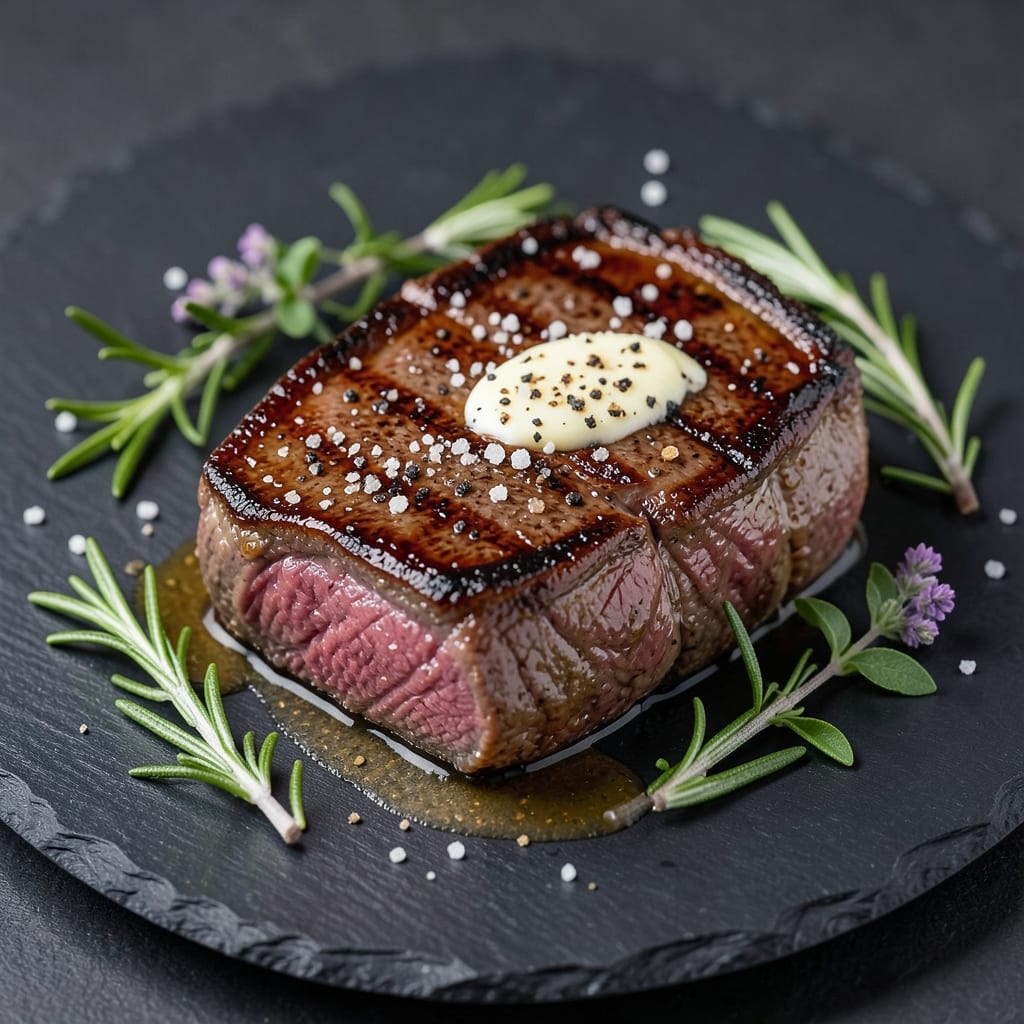
This American beef steak recipe delivers the perfect balance of crispy crust and buttery pink centers through a professional reverse-searing technique. 🔥 The secret lies in slow, even cooking that develops deep flavor before finishing with a high-heat sear for that coveted crust. I've perfected this method after years of testing, ensuring restaurant-quality results at home without specialized equipment.
The process begins with seasoning a high-quality cut like ribeye or New York strip with coarse salt and freshly cracked black pepper. After a gentle oven warm, the steak finishes on a screaming-hot cast-iron skillet for that signature caramelized crust. This method works equally well for grilling or stovetop cooking, giving you flexibility for any kitchen setup.
What you'll achieve is a steak with a deep mahogany crust that shatters at the touch, encasing tender, juicy meat that yields to every bite. The reverse-searing technique ensures perfect doneness throughout, eliminating the guesswork of traditional cooking methods. This is the kind of steak that makes weeknight dinners feel like a special occasion.
Serve with classic American sides like garlic mashed potatoes or a crisp green salad, and don't forget the herb butter for that final touch of luxury. The recipe scales easily for groups, making it ideal for gatherings or when you want to impress without stressing over complicated techniques. Let's get started on creating your perfect steak.
Ingredients for american beef steak
The secret to restaurant-quality steak at home—just 11 ingredients for perfect crust and juicy centers!
| Ingredient | Amount | Notes |
|---|---|---|
| Ribeye Steak 🥩 | 1 ½ lb | 2-inch thick cuts, bone-in preferred |
| Coarse Kosher Salt 🧂 | 1 ½ tbsp | Diamond Crystal preferred |
| Freshly Ground Black Pepper 🌶️ | 1 ½ tsp | Cracked, not pre-ground |
| Unsalted Butter 🧈 | ½ cup | Cold, cut into 8 pieces |
| Fresh Rosemary 🌿 | ¼ cup | Chopped, coarse |
| Fresh Thyme 🌿 | ¼ cup | Leaves only, stems removed |
| Garlic Cloves 🧄 | 4 cloves | Smashed, not minced |
| Extra-Virgin Olive Oil 🫒 | 2 tbsp | High smoke point preferred |
| Heavy Cream 🥛 | ¼ cup | Full-fat for richness |
| Cast-Iron Skillet 🔥 | 1 whole | 12-inch diameter minimum |
| Baking Sheet 🍽️ | 1 whole | For oven warm |
The steak cut is everything here. Ribeye delivers that perfect marbling for flavor and tenderness—New York strip works too, but skip sirloin unless you're okay with less fat. Buy from a butcher if possible; they'll give you the thickest cuts. Look for bright red color and good marbling—Costco or Whole Foods are my go-tos for quality. The herbs? Fresh is non-negotiable—dried just won't cut it. I always grab extra rosemary because it keeps for weeks in the freezer if wrapped tightly. For the butter, Plugrá is my go-to brand—it's unsalted and melts beautifully without overpowering.
No ribeye? Filet mignon works but needs more careful timing—it's leaner. Short on fresh herbs? Dried thyme at one-third the amount gets you close, but you'll miss that fresh aroma. The garlic can be roasted ahead of time for extra depth—just toss whole cloves in olive oil at 400°F for 20 minutes. For the skillet, Lodge is the gold standard, but any heavy cast iron will do. Preheat it on high for 5 minutes before adding the butter—this creates that perfect crust. The heavy cream adds luxury, but half-and-half works in a pinch if you're watching calories.
Steaks should rest at room temp for 30-45 minutes before cooking—this ensures even doneness. The herb butter mixture keeps for 5 days in the fridge or 3 months frozen in an airtight container. For leftovers, slice against the grain and reheat in a screaming-hot pan with a splash of water for 2-3 minutes per side. Pro tip: Wrap steaks loosely in foil after resting to keep them warm while you finish sides. The crust loses its magic if you cut into it too soon—wait 5 minutes after searing before serving.
Why You'll Love This Recipe
- Five-Ingredient Magic: I swear, this recipe is the kind of simple that makes me feel like a genius. You’re basically just slathering a ribeye with salt, pepper, and butter—then letting the rosemary do its thing. No fancy techniques, no stressing over timing. Just meat, heat, and a little patience.
- Butter-Rosemary Bliss: That crispy crust? The way the butter pools into golden rivulets? And the rosemary—freshly chopped, not dried—adds this bright, piney finish that cuts through the richness. It’s the kind of flavor that makes you close your eyes and sigh. (Yes, even on a Tuesday night.)
- Weeknight or Weekend Star: Honestly, this steak works for everything. Toss it on the grill for a summer BBQ, sear it in a cast-iron for a cozy winter dinner, or even slice it for sandwiches the next day. My kids ask for it after school and at Sunday brunch—no judgment here.
- Leftovers That Don’t Suck: Between us, most steak leftovers are sad. Not this one. The rosemary keeps it tasting fresh, and the butter makes every slice feel special. I’ve turned day-old slices into tacos, salads, and even a quick pasta dish—no one ever complains. (Not even my picky husband.)
Step-by-step instructions for reverse-seared ribeye steak
This method delivers a perfectly crusty exterior with juicy pink centers—every time.
🔥 Step 1: Prep and Season the Ribeye
Pat the 1.5 lb ribeye steak completely dry with paper towels—this is non-negotiable for that golden crust. I press down hard on all sides, even inside the seams, to remove every trace of moisture. Season aggressively with 1.5 tbsp coarse kosher salt and 1.5 tsp freshly ground black pepper, pressing it into the meat so it adheres. Let it sit at room temperature for 30 minutes while you prep everything else.
Here's the thing—this resting period ensures even cooking. Cold meat cooks unevenly, leaving you with overcooked edges and undercooked centers. Trust the process and don't skip it. While waiting, chop the 0.25 cup fresh rosemary and 0.25 cup fresh thyme leaves finely, and smash the 4 cloves garlic with the flat side of your knife to release their oils.
🍳 Step 2: Build the Herb Butter Compound
In a small bowl, combine the 0.5 cup cold unsalted butter (cut into 8 pieces), chopped herbs, smashed garlic, and 2 tbsp extra-virgin olive oil. Mix with a fork until just combined—you want the butter to stay in chunks, not fully melted. This herb butter will create an insane crust and baste the steak as it cooks.
I like to press the mixture between two sheets of plastic wrap and roll it into a log for easy handling. This keeps everything contained when you're ready to add it to the hot skillet. If you're feeling fancy, you can chill this for 15 minutes before using, but it's not required.
🔥 Step 3: Oven Prep and Steak Sear
Preheat your oven to 250°F and place the cast-iron skillet inside to warm. While it heats, place the seasoned steak on the baking sheet and rub the herb butter mixture all over it, pressing firmly so it sticks. This is where the magic happens—the butter will melt and create that incredible crust.
Once the oven and skillet are fully preheated, carefully remove the skillet and place it on a stovetop burner over medium-high heat. Add the steak to the skillet and cook undisturbed for 2 minutes per side. You'll see the butter sizzle and bubble—this is your signal that the crust is forming. Don't touch it or move it during this critical first sear.
⏰ Step 4: Reverse Sear in the Oven
After the initial sear, transfer the skillet to the 250°F oven and cook for 10-15 minutes for medium-rare (until internal temperature reaches 125°F). This slow cooking method ensures the meat cooks evenly without overcooking the exterior. I use an instant-read thermometer to check the temperature—it's the only way to get it perfect every time.
Here's the crucial part: the steak will continue cooking as it rests. For medium-rare, you want to pull it out when it hits 120-125°F—it will rise to 130°F by the time you serve it. If you like your steak more done, adjust the time accordingly (130°F for medium, 140°F for medium-well).
🍽️ Step 5: Finish with Heavy Cream and Rest
Remove the steak from the oven and let it rest on a cutting board for 5-10 minutes—this is where the juices redistribute. While it rests, place the skillet back on the stovetop over medium heat and add the 0.25 cup heavy cream. Let it reduce by half, about 2-3 minutes, until it thickens slightly and coats the back of a spoon.
Slice the steak against the grain into 0.5-inch thick portions and drizzle with the reduced cream sauce. The result should be a steak with a deep mahogany crust, buttery herb notes, and a perfectly pink, juicy center. Serve immediately with your favorite sides—this steak doesn't wait!
Pro Tips For Making American Beef Steak
- USE A CAST-IRON SKILLET: High heat isn’t just for show—it’s how you get that perfect crust. Ribeye needs a screaming-hot pan (5-7 minutes to preheat) so the butter sizzles and browns properly. Cold pans = sad, greasy steaks.
- SALT THE STEAK 40 MINUTES EARLY: I used to salt right before cooking, but the flavor never penetrated. Season both sides and edges generously with kosher salt 40 minutes ahead—it seasons deeper and keeps the steak juicier when it hits the pan.
- SKIP THE CROWDED PAN: Overloading the pan with butter or herbs steams the steak instead of searing it. Use just 1 tablespoon of butter per side (yes, even for thick cuts) and add rosemary after the first sear—it’ll crisp up beautifully without clogging the pan.
- REST IT UNDER FOIL: That 5-minute rest on a plate? Too short. Tent the steak with foil for a solid 10 minutes—it redistributes juices and keeps the butter from sliding off. (Yes, I know it’s tempting to cut early, but your steak will weep juice all over the plate.)
Storing and reheating this american beef steak
Refrigerator Storage
Store leftover steak in an airtight container for up to 3 days—I use glass containers with tight-sealing lids to maintain moisture. Let the steak cool to room temperature first (about 30 minutes), then slice against the grain before storing. The herb butter flavors actually intensify overnight, making leftovers taste even better. 💛
Freezer Prep Tips
For longer storage, wrap individual portions in plastic wrap followed by foil to prevent freezer burn. Label with the date and freeze for up to 3 months. Thaw overnight in the fridge—never at room temperature—to preserve texture. I like to portion steaks into single servings before freezing for easy reheating later.
Reheating Perfection
For best results, reheat in a screaming-hot cast-iron skillet over high heat for 2-3 minutes per side with a splash of water. This recreates the crust while keeping the interior juicy. Avoid microwaving—it turns steak rubbery. For extra flavor, add a pat of butter while reheating. 🔥
Portion Control
Slice steaks into ½-inch thick portions before storing to make reheating easier. Each portion reheats in about 2 minutes, so you can serve multiple guests without waiting. I keep a small container of herb butter in the freezer to add fresh flavor when reheating—just warm it in the microwave for 10 seconds and spread on top.
Sauce Refresh
Recreate the reduced cream sauce by heating 2 tbsp heavy cream in the same skillet over medium heat for 2 minutes until slightly thickened. Drizzle over reheated steak for that restaurant-quality finish. For extra richness, add 1 tbsp cold butter at the end. This simple step makes reheated steak taste almost as good as fresh!
Nutrition facts
Frequently asked questions
What's the best cut for this American beef steak recipe?
For maximum flavor and tenderness, I recommend using a 1.5 lb ribeye with good marbling—it delivers that perfect balance of richness and juiciness. New York strip is a great second choice, while filet mignon works best if you prefer a leaner cut (though it requires slightly more careful timing). The key is looking for bright red color and visible fat marbling when purchasing.
Can I cook this steak on the grill instead of stovetop?
The reverse-searing technique works beautifully on the grill. Start by preheating to 250°F and sear the steak over direct heat for 2 minutes per side before moving it to indirect heat for 10-15 minutes (for medium-rare). Just use a grill thermometer to monitor the temperature—this ensures the same perfect results. The herb butter will create that incredible crust regardless of cooking method.
How do I know when the steak is perfectly cooked?
Use an instant-read thermometer for precision: 120-125°F for medium-rare, 130°F for medium, and 140°F for medium-well. The steak will continue cooking 5°F while resting, so pull it out slightly before reaching your target temperature. For visual cues, look for a deep mahogany crust and a slightly springy texture when pressed gently with your finger.
What are the best sides to serve with this steak?
Classic American pairings work perfectly: creamy garlic mashed potatoes, a crisp green salad with balsamic vinaigrette, or roasted asparagus with lemon zest. For a heartier meal, try buttery corn on the cob or a rich mushroom risotto. The key is balancing rich flavors—acidic or fresh sides help cut through the richness of the steak.
Why does my steak turn out dry when using this method?
Dry steak usually means overcooking or not letting it rest properly. Always use a thermometer and pull the steak out 5°F before your target temperature—it continues cooking while resting. Never cut into it immediately after cooking; let it rest for 5-10 minutes to redistribute juices. Also, ensure your steak is completely dry before seasoning—any moisture steams instead of searing.