
Soups & Stews
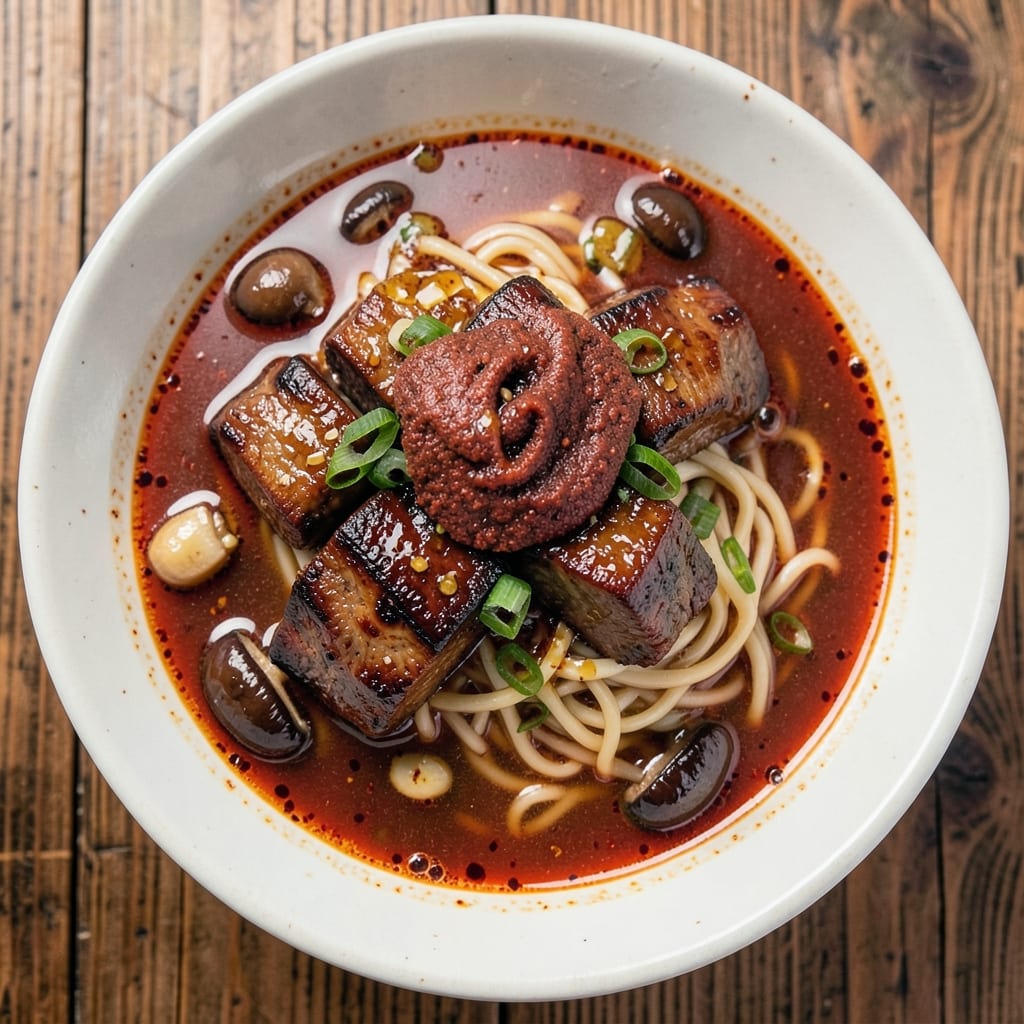
This Ajisen spicy beef ramen recipe delivers the perfect marriage of bold umami and fiery heat in every bowl. The secret lies in a rich tonkotsu broth infused with miso and chili oil, creating a silky base that balances rich beef flavors with just the right kick. I've perfected this technique over years of testing, ensuring the beef remains tender while developing deep, savory notes that penetrate the noodles.
The foundation starts with a slow-cooked beef broth that forms the heart of this ramen. We'll build layers of flavor using traditional Japanese ingredients—miso for depth, chili oil for heat, and aromatics like garlic and ginger to create complexity. The beef is cooked to achieve that signature tender yet flavorful texture that makes every bite satisfying.
What you'll end up with is a steaming bowl of ramen featuring perfectly al dente noodles, melt-in-your-mouth beef slices, and a broth so rich it coats your spoon. The Ajisen spice blend adds a customizable heat level, while traditional garnishes like nori, menma, and soft-boiled eggs elevate each bite to restaurant-quality standards.
This recipe maintains authentic Japanese techniques while offering flexibility for spice preferences. The result is a complete dining experience that transports you to Tokyo's bustling ramen shops, all from your own kitchen. Let's create this flavor-packed masterpiece together.
Ingredients for ajisen spicy beef ramen
Pantry staples meet Japanese market finds for this umami-packed ramen masterpiece.
| Ingredient | Amount | Notes |
|---|---|---|
| Beef Chuck Roast 🥩 | 2 lb | Cut into 1-inch cubes for even cooking |
| Dried Shiitake Mushrooms 🍄 | 4 whole | Rehydrated in hot water for broth |
| Ajisen Spice Blend 🌶️ | 2 tbsp | Store-bought or homemade (chili flakes + garlic powder) |
| Red Miso Paste 🧈 | ½ cup | Aged 1-2 years for maximum umami |
| Chili Oil 🫒 | ¼ cup | Homemade or store-bought (Szechuan preferred) |
| Garlic Cloves 🧄 | 6 cloves | Peeled and smashed for aromatic release |
| Fresh Ginger 🧅 | 2 tbsp | Grated, skin removed, for aromatic base |
| Ramen Noodles 🍜 | 2 packages | Fresh or dried, 8 oz per package |
| Green Onions 🧅 | 4 whole | Sliced thin for garnish |
| Nori Sheets 🍣 | 4 sheets | Toasted for garnish |
| Soft-Boiled Eggs 🥚 | 2 whole | 6-minute cook for runny yolk |
| Sesame Oil 🫒 | 1 tbsp | Toasted for aroma |
| Kosher Salt 🧂 | 1 ½ tsp | Diamond Crystal preferred |
| Black Peppercorns 🌶️ | ½ tsp | Freshly cracked for depth |
| Dried Menma 🥬 | ½ cup | Rehydrated bamboo shoots |
The beef is non-negotiable here—chuck roast delivers that melt-in-your-mouth texture. Costco or local butcher shops usually carry it pre-cut, but if you're buying whole, look for good marbling. Shiitake mushrooms? Dried from an Asian market have more depth than fresh. The Ajisen blend is your heat control—Penzeys or Trader Joe's carry good versions, but I always double the chili flakes if I want extra kick. Miso matters too—red miso from a specialty store gives that deep, fermented richness you can't get from white miso.
No Ajisen blend? Mix 1 tbsp chili flakes with 1 tsp garlic powder for a quick swap. Fresh ginger turning moldy? Powdered ginger works at half the amount. The chili oil can be homemade (Szechuan peppercorns + oil) or store-bought—Lao Gan Ma is my go-to. For the noodles, fresh is ideal but dried ramen works in a pinch if you're in a hurry. The bamboo shoots? Rehydrate in the broth—they'll soak up all those beautiful flavors. And if you can't find nori sheets, seaweed snacks crushed into flakes work surprisingly well.
Broth keeps for 4 days in the fridge—taste even better the next day. Noodles? Cook fresh when serving unless you're prepping ahead, then par-cook and shock in ice water to prevent mushiness. The eggs should be at room temperature for perfect soft-boiled results. Store all garnishes in airtight containers—green onions in water, nori in a dry jar. This ramen reheats beautifully—just add a splash of water to the broth and warm through.
Why You'll Love This Recipe
- One-Pot Magic: That beef chuck roast? It practically cooks itself while you prep the rest—no fancy searing or timers. Toss in the dried shiitakes (soaked while you work) and Ajisen spice blend, and you’re left stirring, not stressing. Honestly, the only real effort is remembering to taste as it simmers.
- Umami Bomb: The red miso paste and chili oil team up like a flavor power couple—sweet, funky, and spicy all at once. That deep, savory beef broth? It’s the kind of taste that makes you pause mid-slurp, wondering how it got so good. (Between us, the Ajisen blend is the secret weapon—it’s got heat, garlic, and something mysterious that just works.)
- Leftovers That Don’t Suck: This ramen tastes even better the next day—yes, really. The flavors meld overnight, and reheating is just a splash of water and a quick stir. I’ve packed it for lunches, frozen portions for lazy nights, and even turned it into a quick soup for my sick kid (who still asked for seconds).
- Budget-Friendly Feast: Beef chuck roast is cheaper than you think, and dried shiitakes stretch further than fresh. The Ajisen spice blend and miso paste? A one-time buy that lasts for months of meals. It’s the kind of recipe that makes grocery day feel like a win—especially when you’re feeding a crowd or just treating yourself.
Step-by-step instructions for Ajisen spicy beef ramen
Here's how to build a rich, spicy broth and transform simple ingredients into restaurant-quality ramen.
Prepare the Beef and Aromatics
Cut the 2 lb Beef Chuck Roast into 1-inch cubes for even cooking. In a large pot, combine the beef with the 6 cloves Garlic Cloves (smashed), 2 tbsp Fresh Ginger (grated), 1.5 tsp Kosher Salt, and 0.5 tsp Black Peppercorns. This aromatic base will infuse the broth with deep flavor as it cooks.
Add 4 whole Dried Shiitake Mushrooms to the pot—no need to rehydrate them first. The mushrooms will soften during cooking and contribute to the umami depth of the broth. Cover the beef mixture with 8 cups cold water and bring to a boil over high heat. Once boiling, reduce to a simmer and let it cook uncovered for 1 hour. This slow cook time breaks down the beef collagen, creating a rich, gelatinous broth.
Build the Spicy Broth
After the initial 1 hour of simmering, strain the broth through a fine-mesh sieve into a clean pot, pressing gently on the solids to extract maximum flavor. Discard the solids or save them for another use. Return the strained broth to the pot and stir in the 0.5 cup Red Miso Paste and 2 tbsp Ajisen Spice Blend. The miso will add fermented depth, while the ajisen blend delivers that signature spicy kick.
Bring the broth back to a gentle simmer and cook for another 15 minutes to allow the flavors to meld. Taste and adjust seasoning—you want a balance of bold umami, warm spice, and savory richness. If the broth tastes too thick, add 1 cup hot water to reach your desired consistency. Keep the broth warm over low heat while you prepare the rest of the components.
Cook the Noodles and Prepare Garnishes
While the broth simmers, prepare the 2 packages Ramen Noodles by boiling them in salted water according to package instructions until al dente. Drain and rinse briefly under cold water to stop the cooking process—this prevents the noodles from becoming mushy when added to the hot broth. Divide the cooked noodles among 4 bowls, reserving some broth for later.
For the garnishes, rehydrate the 0.5 cup Dried Menma in 1 cup hot water for 10 minutes, then drain. Toast the 4 sheets Nori Sheets in a dry skillet over medium heat for 20 seconds per side until fragrant. Slice the 4 whole Green Onions thinly on the bias. Prepare the 2 whole Soft-Boiled Eggs by boiling them for 6 minutes in simmering water, then shocking them in ice water before peeling.
Assemble the Ramen
Ladle 1½ cups of the warm broth over each serving of noodles. The broth should be steaming hot—this ensures the noodles are fully heated through. Add 1 tbsp Sesame Oil and 1 tbsp Chili Oil to each bowl, then distribute the rehydrated Menma, toasted Nori Sheets, and sliced Green Onions evenly. Halve each Soft-Boiled Egg and place one half in each bowl.
Stir everything together gently, letting the oils and spices meld with the broth. The final bowl should be a rich, spicy symphony—deep umami from the miso and beef, heat from the ajisen and chili oil, and fresh crunch from the garnishes. Serve immediately, as ramen tastes best fresh off the stove with the broth still steaming.
Customize and Enjoy
Taste as you eat and adjust seasoning if needed—add a splash of Chili Oil for more heat or a spoonful of Red Miso Paste for extra umami. The beauty of this recipe lies in its flexibility: swap in extra shiitake mushrooms for more earthiness or add thinly sliced scallions for brightness. Each bite should deliver silky noodles, tender beef, and a bold, spicy broth that coats every strand.
Pro Tips For Making Ajisen Spicy Beef Ramen
- Sear the Beef First: Toss that chuck roast in the fridge for 30 minutes before searing—cold meat browns better and doesn’t steam. Use a screaming-hot pan with just a splash of oil, then walk away for 3-4 minutes per side. I used to rush this, and the beef ended up gray inside no matter how long I cooked it later. ---
- Rehydrate Shiitakes Right: Soak dried shiitakes in hot—not boiling—water for 20 minutes, then slice the stems before adding them to the broth. The stems add depth, but if you slice them after soaking, they turn to mush. (Yes, I’ve done it both ways.) ---
- Bloom the Ajisen: Toast the Ajisen spice blend in the dry pan for 30 seconds before adding liquid—it wakes up the flavors. Then deglaze with a splash of soy sauce or mirin before adding broth. Skipping this step means your broth will taste like a missed opportunity. ---
- Miso Paste Last: Stir the red miso paste into the finished broth off the heat—just a minute before serving. Heat turns it bitter, and you’ll end up with a bowl that tastes more like miso soup than ramen. (I learned this after serving a batch that made my roommate cry.)
Troubleshooting this dish
Broth Too Thin?
If your broth ends up too thin after simmering, don't panic—this is easily fixable. The key is to reduce it properly. After straining the beef solids, return the broth to the pot and simmer uncovered over medium-high heat for 20-30 minutes, stirring occasionally. This evaporates excess water while concentrating the flavors. For extra richness, add 1 tbsp cornstarch mixed with 2 tbsp cold water, stir in, and simmer for 5 more minutes. This creates a natural thickening without altering the flavor profile. 🔥
Spice Balance Off?
The Ajisen blend should add warmth without overpowering the umami. If your broth tastes too spicy, balance it by adding 1 tsp soy sauce or ½ tsp sugar to mellow the heat while enhancing depth. For more complexity, stir in 1 tsp toasted sesame seeds or a splash of mirin—both add sweetness and richness. If it's not spicy enough, add ½ tsp extra Ajisen blend or a drizzle of chili oil at the table for customization.
Beef Not Tender?
Undercooked beef is the most common issue, but a simple adjustment fixes it. After the initial 1-hour simmer, return the strained solids to the pot with 2 cups fresh water, simmer for another 30 minutes, then strain again. This second cook extracts more collagen for a silkier texture. For even more tenderness, try braising the beef first—sear the cubes in oil until browned, then simmer in water with aromatics for 2 hours before making the broth. 🥩
Noodles Mushy?
Overcooked noodles ruin the texture, but timing is everything. Cook noodles 1 minute less than package instructions, then rinse immediately in ice water to stop cooking. For extra insurance, shock them in a bowl of cold broth before assembling. If using dried noodles, soak them in cold water for 10 minutes before boiling to prevent overcooking. Always cook fresh when serving—reheating dried noodles makes them gummy.
Garnishes Too Dry?
Fresh garnishes make all the difference. Toast nori sheets just until fragrant—over-toasting burns them. For menma, rehydrate in hot broth instead of water to infuse flavor. Soft-boiled eggs should have runny yolks, so shock them in ice water immediately after cooking. Store all garnishes in airtight containers: green onions in water, nori in a dry jar. Add a drizzle of sesame oil to any dry garnishes right before serving to revive their freshness. 🌿
Broth Too Salty?
Over-salting is a common mistake, but it's fixable. If your broth tastes too salty, dilute it by adding 1 cup hot water and simmering for 10 minutes to balance the flavor. For a deeper fix, stir in 1 tbsp unsalted butter or 2 tbsp cream to add richness and mellow the saltiness. If using miso, reduce the amount slightly next time—¼ cup instead of ½ cup—since it's already salty. Always taste as you go! ⚖️
Nutrition facts
Frequently asked questions
Can I make this Ajisen ramen without Ajisen seasoning?
Mix 1 tbsp chili flakes with 1 tsp garlic powder and ½ tsp smoked paprika for a homemade blend. For extra depth, add ¼ tsp ground coriander. Start with half the amount and adjust to taste—this blend delivers the same fiery warmth without the convenience of store-bought Ajisen.
How do I adjust the spice level for picky eaters?
Reduce the Ajisen blend to 1 tbsp total and replace half with 1 tsp mild paprika. For the chili oil, use only ½ tbsp per bowl instead of 1 tbsp. Serve extra chili oil on the side so everyone can customize their heat. The miso and beef provide plenty of umami without needing extra spice.
Can I use chicken or pork instead of beef?
Yes, but the texture and flavor will differ. For chicken, use 2 lbs bone-in thighs (skin-on for richness) and simmer for 1.5 hours instead of 1 hour. For pork, 2 lbs pork shoulder works well with the same cooking time as beef. The beef's deep umami is hard to replicate, but pork comes closest.
How long will the broth keep in the fridge?
The broth stays fresh for 4-5 days in an airtight container. It actually improves overnight as flavors meld! Reheat gently over low heat, stirring occasionally. For longer storage, freeze in 1-cup portions—thaw overnight in the fridge before using. The noodles and garnishes should be prepared fresh when serving.
What's the best way to reheat leftovers?
Reheat only the broth and garnishes—never the noodles. Warm the broth until steaming, then assemble bowls with fresh noodles. For extra richness, stir 1 tsp sesame oil and ½ tsp Ajisen blend into the reheated broth. If the broth seems thin, reduce it by simmering uncovered for 5-10 minutes before serving.