
Side Dishes
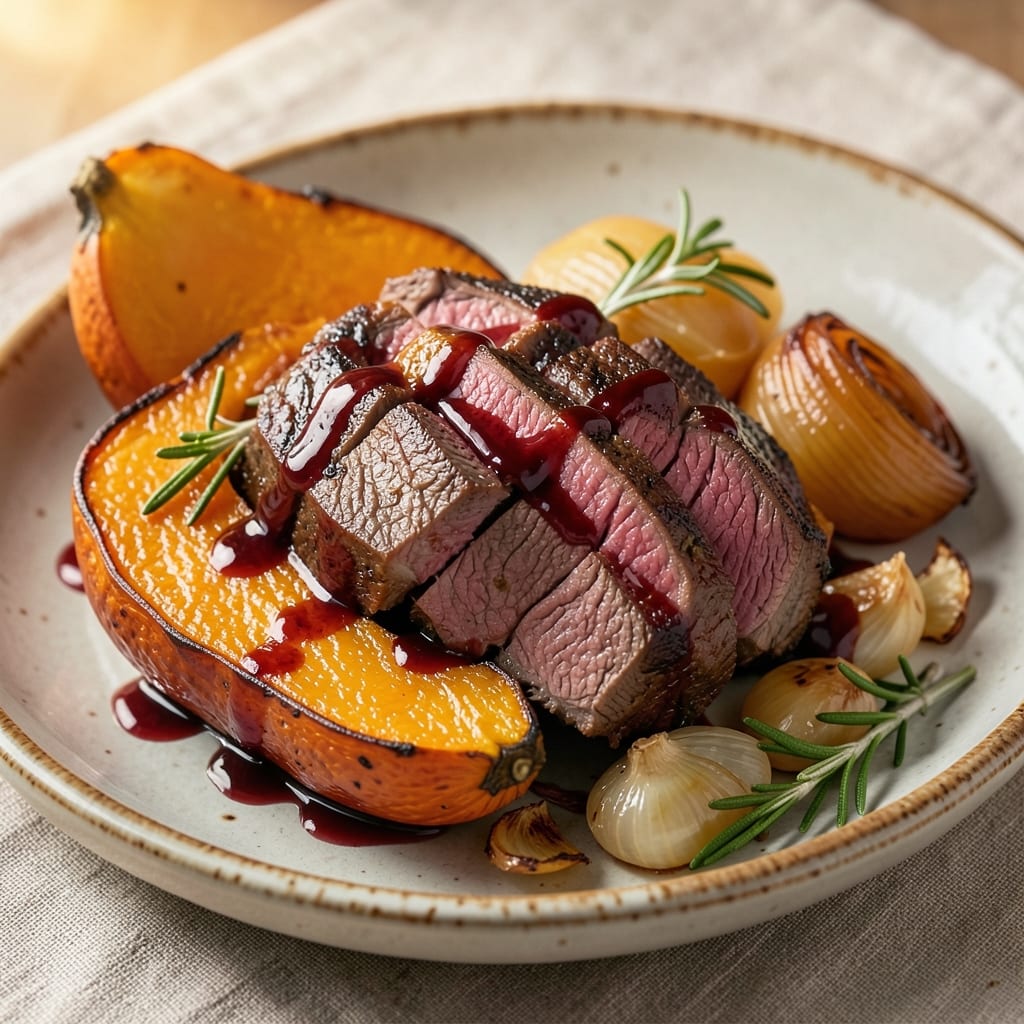
This acorn squash beef recipe transforms humble ingredients into a hearty, restaurant-worthy meal where caramelized squash meets tender beef in perfect harmony. The secret lies in roasting the squash until its natural sweetness intensifies while a slow-braised beef shoulder develops deep, savory richness—both components coming together in a single dish that feels both elegant and comforting. What makes this recipe stand out is how it balances textures: crispy squash edges paired with melt-in-your-mouth beef, all while keeping prep straightforward for weeknight dinners.
The process begins with halving and roasting the acorn squash, its flesh softening into a velvety consistency that soaks up the braising liquid from the beef. Meanwhile, the beef—whether chuck roast or short ribs—simmers in a rich blend of aromatics until it practically falls apart at the touch of a fork. The beauty of this recipe is its versatility: serve it as a standalone main course or pair it with a simple side of quinoa or wilted greens to round out the plate. Every bite delivers a perfect marriage of sweet and savory, making it ideal for both cozy family dinners and special occasions.
What you’ll achieve is a dish that’s as impressive as it is delicious—a golden-brown squash half cradling tender, flavorful beef, all bathed in a glossy, aromatic sauce. The contrast of temperatures (warm squash, cool beef) and flavors (sweet squash, rich beef) creates a sensory experience that’s hard to resist. This recipe isn’t just about combining two ingredients; it’s about transforming them into something greater than the sum of their parts. Ready to bring this fall-inspired masterpiece to your table?
For those short on time, the beef can be prepped ahead and reheated gently, while the squash roasts in just 45 minutes—no fancy techniques required. The result is a meal that feels like a labor of love, even when executed with minimal effort. Whether you’re feeding a crowd or treating yourself to a special night in, this acorn squash beef recipe delivers on both flavor and convenience. Let’s get cooking!
Ingredients for acorn squash beef
Roasted acorn squash and tender beef transform into a restaurant-worthy meal with these 14 ingredients.
| Ingredient | Amount | Notes |
|---|---|---|
| Acorn Squash 🍠 | 2 whole | Medium-sized, halved lengthwise |
| Chuck Roast 🥩 | 2 lb | Well-marbled for tenderness |
| Yellow Onion 🧅 | 1 whole | Large, chopped into wedges |
| Garlic Cloves 🧄 | 6 cloves | Peeled, smashed for depth |
| Red Wine 🍷 | 1 cup | Bold, dry variety like Cabernet |
| Beef Broth 💧 | 2 cups | Low-sodium preferred |
| Olive Oil 🫒 | ¼ cup | Extra-virgin for roasting |
| Brown Sugar 🍯 | 2 tbsp | Lightly packed for balance |
| Thyme 🌿 | 1 tbsp | Fresh, stems removed |
| Rosemary 🌿 | 1 tbsp | Fresh, chopped finely |
| Salt 🧂 | 1 ½ tsp | Kosher or sea salt |
| Black Pepper 🌶️ | 1 tsp | Freshly cracked |
| Balsamic Vinegar 🍶 | 1 tbsp | For finishing touch |
| Fresh Sage Leaves 🌿 | 4 whole | For garnish |
The squash is your star here—look for firm, heavy specimens with no soft spots. Local farmers markets often carry the best quality, but the grocery store works too if you find one with vibrant color. For the beef, chuck roast is ideal—it's budget-friendly and delivers that melt-in-your-mouth texture when braised. If you can't find chuck, short ribs work beautifully too. The aromatics (thyme, rosemary, sage) should be fresh whenever possible—they make all the difference in this dish. For the wine, any bold red like Cabernet or Merlot will work, but avoid sweet varieties. If you're short on time, pre-cut squash halves are available at many grocery stores, though they won't caramelize as beautifully.
No red wine? Substitute with beef broth plus 1 tbsp balsamic vinegar—it keeps the depth of flavor. Fresh herbs unavailable? Dried thyme and rosemary at one-third the amount will get you close, though the flavor won't be as bright. For the squash, if you can't find acorn, butternut or delicata work as substitutes. The brown sugar helps balance the savory beef, but if you're watching carbs, reduce to 1 tbsp or use a sugar-free alternative. For extra richness, add 1 tbsp of tomato paste to the braising liquid. The balsamic vinegar at the end adds a nice tang—don't skip it if you have it on hand.
This dish reheats beautifully—the flavors actually deepen overnight as everything melds together. Store the squash and beef separately in the fridge for up to 4 days, then reheat gently in the sauce. The braising liquid freezes well for 3 months, so make extra if you're planning to use it in other recipes. For meal prep, assemble everything ahead of time and refrigerate until ready to cook. The squash can be roasted up to 2 days in advance and kept at room temperature, though it's best served fresh from the oven. Garnish with fresh sage just before serving to keep it vibrant.
Why You'll Love This Recipe
- One-Pan Magic: I swear by this recipe for lazy nights—just roast the squash and sear the beef in the same pan. The onions caramelize right alongside, so you’re basically making two things at once without extra dishes.
- Rich & Deep Flavor: That red wine reduction clinging to the beef? It’s like a little bite of steakhouse in your home. The acorn squash soaks it all up, turning sweet and tender—no one will guess it’s just a chuck roast.
- Meal Prep Hero: Between us, this is my go-to for busy weeks. The beef stays juicy for days, and the squash reheats beautifully. Pack it for lunch or freeze portions—it’s the ultimate “make once, eat twice” dish.
- Budget-Friendly Feast: Chuck roast is my secret for stretching meals without skimping on flavor. A single cut feeds four, and the squash adds that fancy touch for half the cost. Honestly, it’s the kind of dish that makes grocery day feel like a win.
Step-by-step instructions for acorn squash beef braise
Transform humble ingredients into a rich, comforting dish with this precise method.
Roast the Acorn Squash Until Caramelized
Preheat your oven to 400°F. Cut the 2 whole acorn squash lengthwise and scoop out seeds, leaving a ½-inch thick shell. Brush the cut sides generously with the 0.25 cup olive oil and sprinkle with 1 tbsp brown sugar, 1 tsp salt, and ½ tsp black pepper. Arrange cut-side down on a baking sheet.
Roast for 30-35 minutes until the edges are deeply caramelized and the flesh yields slightly to pressure. You'll smell that sweet, nutty aroma—this is your cue that the squash is perfectly tender. Remove from oven and let cool slightly before scooping out the flesh into a bowl. The squash should be soft enough to mash easily with a fork.
Sear the Chuck Roast with Aromatics
While the squash roasts, heat 1 tbsp olive oil in a Dutch oven over medium-high heat. Pat the 2 lb chuck roast dry with paper towels and season generously with remaining ½ tsp salt, ½ tsp black pepper, 1 tbsp chopped rosemary, and 1 tbsp chopped thyme. Sear the roast for 4-5 minutes per side until deeply browned.
Remove the roast and set aside. In the same pot, add the chopped 1 whole yellow onion and smashed 6 cloves garlic. Cook for 3-4 minutes until the onions soften and garlic becomes fragrant. This step builds the foundation for your braising liquid—don't skip it. The onions should be golden and slightly caramelized by the end.
Braise the Beef with Wine and Broth
Deglaze the Dutch oven with the 1 cup red wine, scraping up all the browned bits from the bottom. Let it simmer for 2-3 minutes until reduced by half. Return the roast to the pot, add the 2 cups beef broth, and bring to a gentle simmer. Cover and transfer to a 325°F oven.
Braise for 2.5-3 hours until the beef is fork-tender. You'll know it's done when the meat easily pulls apart with two forks. The braising liquid should be rich and slightly thickened. If it's too thin, uncover and simmer for 10-15 minutes to reduce further. This slow cooking transforms tough chuck into melt-in-your-mouth beef.
Finish with Balsamic and Fresh Herbs
Remove the beef from the pot and let it rest for 10 minutes. Skim any excess fat from the braising liquid and stir in the 1 tbsp balsamic vinegar and the roasted acorn squash. Simmer for 3-4 minutes to let the flavors meld. The balsamic adds a touch of tang that cuts through the richness of the beef.
Slice the beef against the grain into ¼-inch thick slices and arrange over the acorn squash. Spoon the braising liquid generously over everything. Garnish with the 4 whole fresh sage leaves, torn slightly between your fingers. Serve immediately while the squash is still warm and the beef is juicy.
Pro Tips For Making Acorn Squash Beef
- SEAR THE ROAST FIRST: Don’t skip browning that chuck roast—it’s the only way to get real flavor in this dish. Hit it with high heat in a Dutch oven until deep brown on all sides, then deglaze with red wine immediately. I learned this the hard way: skipping the sear means bland beef, no matter how long you slow-cook.
- CUT SQUASH IN HALVES: Whole acorn squash halves roast more evenly and hold their shape better than cubes or rings. Score the skin first (just deep enough to let steam escape), then roast cut-side down for a caramelized crust. Yes, it’s less "restaurant-plated," but it’s actually easier to serve and tastes better.
- SALT THE SQUASH INSIDE: Don’t just salt the outside—sprinkle a pinch of flaky salt (or kosher) into the cavity before roasting. The squash flesh stays tender, and the salt infuses while it cooks. I was skeptical until I tried it: the flavor is noticeably richer, especially near the center.
- DEGLAZE WITH WINE, THEN REDUCE: After searing the beef, pour in the red wine and let it bubble hard for 2-3 minutes to cook off the alcohol. Then reduce it by half before adding broth or tomatoes—this concentrates the flavor without turning the sauce into soup. My grandmother swore by this, and she was right: the sauce sticks to the beef like glue.
Regional styles of this dish
Southern Comfort Style
In the South, this dish becomes a true comfort food by adding smoked paprika and hot sauce to the braising liquid—about 1 tsp smoked paprika and ½ tsp Crystal Hot Sauce to the wine and broth. The heat balances the sweet squash beautifully. Serve with cornbread on the side for a classic Southern spread. 🔥
French-Inspired Bistro
For a French bistro twist, swap the red wine for ½ cup dry white wine and add 1 sprig fresh thyme tied with kitchen twine to the braising liquid. Deglaze with ½ cup beef broth instead of red wine. Garnish with chopped parsley instead of sage and serve with buttery mashed potatoes for an elegant touch.
Italian Rustic Twist
Transform this into an Italian-inspired dish by adding ½ cup crushed tomatoes to the braising liquid and finishing with fresh basil instead of sage. Use San Marzano tomatoes for the best flavor. Serve with creamy polenta or garlic bread to soak up the rich sauce. 🍷
Modern Fusion Approach
For a contemporary take, add 1 tsp ground cumin and ½ tsp cinnamon to the squash roasting seasoning, then finish the beef with 1 tbsp harissa paste mixed into the braising liquid. Garnish with toasted pine nuts and pomegranate seeds for a vibrant, unexpected contrast that keeps the dish fresh and exciting.
Tex-Mex Adaptation
Give it a Tex-Mex flair by adding 1 tsp ground cumin, ½ tsp chili powder, and ½ cup chicken broth to the braising liquid. Top the beef with crumbled feta cheese and pickled red onions for a bright, tangy finish. Serve with cilantro-lime rice to complete the fusion experience.
Vegetarian-Friendly Option
For a vegetarian version, replace the beef with 2 cups cooked lentils or portobello mushrooms seared and braised in the same liquid. The squash remains the star, and the dish still delivers that satisfying sweet-and-savory balance. Garnish with toasted walnuts and fresh thyme for texture and aroma.
Nutrition facts
Frequently asked questions
Can I use a different cut of beef instead of chuck roast?
Short ribs or beef chuck shoulder work beautifully—just adjust cooking time. Short ribs take about 2 hours to braise, while beef chuck shoulder requires 3-4 hours. For faster results, try beef tenderloin (cook for 1.5 hours), but it's more expensive. The key is choosing a well-marbled cut for tenderness.
How do I prevent the acorn squash from getting mushy?
Roast at 400°F for exactly 30-35 minutes—no longer! Overcooking turns squash mushy. Leave a ½-inch thick shell intact to protect the flesh. For extra crispiness, broil for 2-3 minutes at the end. The squash is done when it yields slightly to pressure but still holds its shape.
Can I make this recipe ahead of time?
Yes! The beef braise actually tastes better the next day as flavors meld. Refrigerate components separately for up to 4 days. Reheat gently in the oven at 350°F for 20 minutes, covered. For meal prep, roast the squash ahead (up to 2 days) and store at room temperature—just reheat in the microwave for 1-2 minutes before serving.
What's the best way to serve this dish?
This hearty combination works as a complete meal or with simple sides. Try quinoa or wild rice to soak up the rich sauce, or add roasted Brussels sprouts for freshness. For a complete spread, include crusty bread and a simple green salad with lemon vinaigrette. The contrast of warm squash and cool sides makes each bite more satisfying.
Why does my beef turn out tough?
Tough beef usually means it wasn't braised long enough or the oven temperature was too high. Always cook at 325°F for the full 2.5-3 hours—don't rush it! Also, check your meat's doneness with a thermometer: it should reach 203°F for fall-apart tenderness. Pat the beef dry before searing to get that perfect crust.