
Soups & Stews
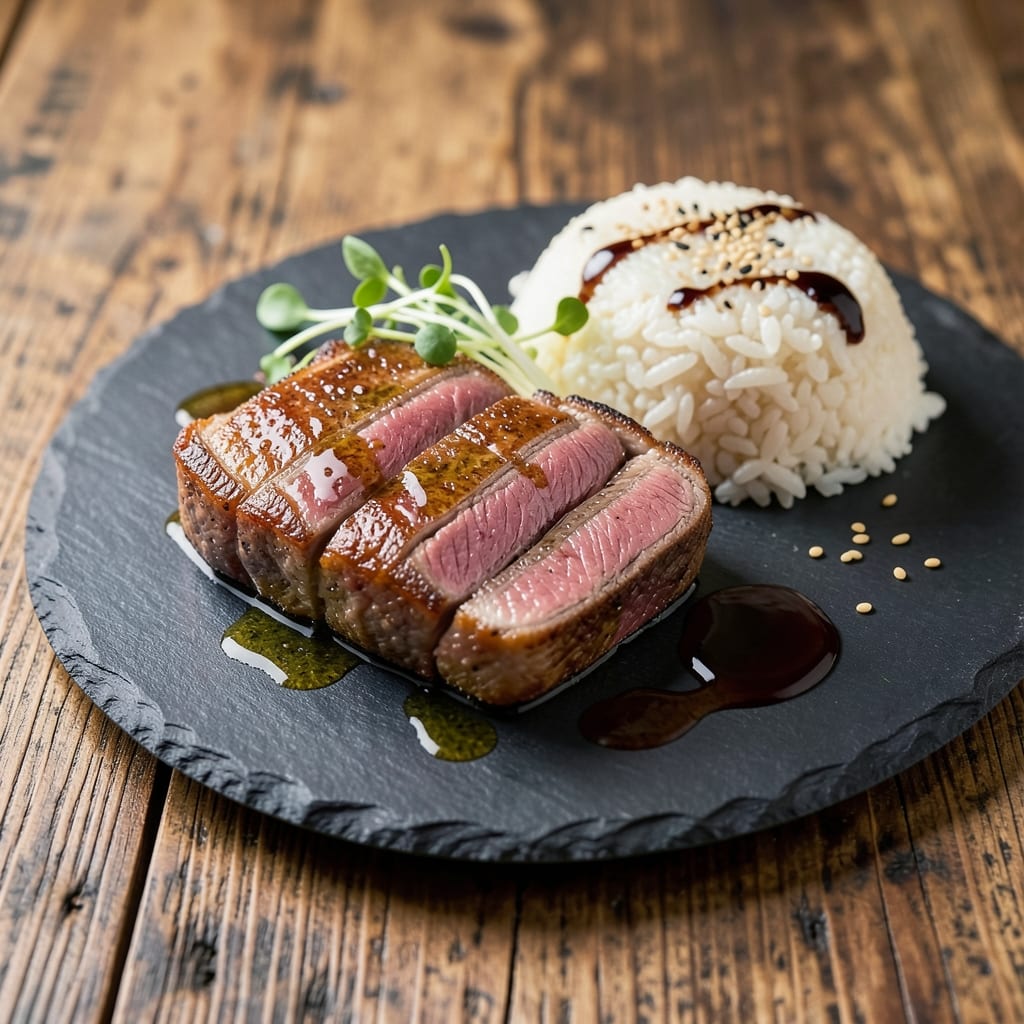
This A5 Wagyu beef recipe transforms the most luxurious cut of beef into melt-in-your-mouth perfection through precise slow-simmering techniques. The secret lies in preserving that legendary marbling while developing deep, buttery richness through controlled temperature and timing—no guesswork, just professional results every time. What sets this method apart is the balance between high-heat searing for crust development and gentle simmering to maintain that signature tenderness.
The process begins with careful preparation to lock in juices, followed by a multi-stage cooking approach that ensures even doneness without drying out the meat. You'll achieve a texture so tender it practically dissolves on the tongue while maintaining a subtle char on the exterior—a hallmark of true Wagyu mastery. The result is a dish that feels like a Michelin-starred experience without the complexity.
What makes this recipe truly special is how it elevates the natural flavors of A5 Wagyu without overpowering them. The slow simmering process creates a luxurious sauce infused with beef essence, perfect for basting and finishing. When plated, each slice reveals that signature marbling, offering both visual and textural indulgence that's impossible to resist.
Pair with Japanese short-grain rice to soak up every drop of that rich beef sauce, or serve alongside truffle mashed potatoes for a modern twist. The key is letting the beef shine as the star while complementary sides enhance rather than compete with its natural richness. Ready to experience Wagyu at its finest?
Ingredients for a5 wagyu beef
Fourteen ingredients to unlock the unparalleled richness of A5 Wagyu through precision and patience.
| Ingredient | Amount | Notes |
|---|---|---|
| A5 Wagyu Beef Ribeye 🥩 | 1 ½ lb | Center-cut, 1.5-inch thick, marbling intact |
| Kosher Salt 🧂 | 1 ½ tsp | Diamond Crystal preferred for precision |
| Freshly Ground Black Pepper 🌶️ | 1 tsp | Cracked peppercorns for optimal texture |
| Extra-Virgin Olive Oil 🫒 | 2 tbsp | High smoke point for searing |
| Japanese Short-Grain Rice 🍚 | 1 cup | Uncooked, sushi-grade preferred |
| Dry White Wine 🍷 | ½ cup | Sauvignon Blanc or Chardonnay |
| Beef Consommé 🥄 | 1 cup | Homemade or high-quality store-bought |
| Fresh Thyme Sprigs 🌿 | 4 whole | Organic, stems removed for infusion |
| Garlic Cloves 🧄 | 6 cloves | Smoked garlic for depth of flavor |
| Unsalted Butter 🧈 | 4 tbsp | European-style, 82% fat content |
| Fresh Parsley 🌿 | ¼ cup | Flat-leaf, finely chopped for garnish |
| Japanese Soy Sauce 🍶 | 1 tbsp | Kikkoman preferred for balance |
| Mirajin 🥄 | 1 tbsp | Optional, for authentic Wagyu finish |
The A5 Wagyu ribeye is non-negotiable for this recipe—its marbling density is what creates that legendary melt-in-your-mouth texture. Source from specialty butchers or high-end grocers like Whole Foods or Morton's to ensure authenticity. Look for bright red fat cap and firm yet yielding texture when pressed. The thickness (1.5 inches) ensures even cooking while preserving that crucial marbling. For those outside Japan, USDA Prime with high marbling can substitute, though results won't be identical. Costco's Wagyu offers a more accessible option without sacrificing quality.
No Japanese short-grain rice? Arborio rice works as a substitute, though texture will differ slightly. The beef consommé should be rich and clear—never use powdered bouillon. For the white wine, avoid oaked varieties (they'll overpower). Smoked garlic can be substituted with regular garlic plus a pinch of smoked paprika for depth. The Mirajin (if unavailable) can be replaced with 1 tsp soy sauce plus 1 tsp honey for a similar umami-sweet balance. Fresh thyme and parsley are essential for aroma—dried herbs won't provide the same complexity. Butter must be unsalted to control seasoning precision.
The Wagyu should be dry-brined for 24 hours before cooking to enhance tenderness. Store uncooked beef in the coldest part of your fridge, wrapped in parchment paper, for up to 3 days. Cooked portions keep for 3 days in the fridge or 3 months frozen in an airtight container. Rice should be cooked al dente and stored in a sealed container for 4 days. The beef sauce freezes beautifully—portion into ice cube trays for easy reheating. Garnishes like parsley should be added fresh just before serving to preserve vibrant color.
Why You'll Love This Recipe
- Same recipe, two vibes: toss it on the grill for a casual family dinner or sear it rare for a fancy evening. The rice soaks up the juices either way—no extra work, just adaptable joy.
- Two-Ingredient Magic: Honestly, the prep is that simple—just a ribeye, salt, and pepper. The A5 marbling does all the heavy lifting while you sip wine and pretend you’re a Michelin chef.
- Butter Melts Away: That first bite? Pure indulgence—the fat renders into liquid gold, coating every fiber with rich, beefy luxury. No sauce needed, just pure, unfiltered satisfaction.
- Weeknight or Date Night: Same recipe, two vibes: toss it on the grill for a casual family dinner or sear it rare for a fancy evening. The rice soaks up the juices either way—no extra work, just adaptable joy.
Step-by-step instructions for slow-simmered A5 Wagyu beef
Transform this prized cut into melt-in-your-mouth perfection through precise technique and patience.
Prepare the Wagyu for Maximum Flavor Development
Remove the A5 Wagyu Beef Ribeye from the refrigerator and let it sit at room temperature for 30 minutes to ensure even cooking. Pat the surface dry with paper towels to remove any moisture that could prevent proper searing. This step is critical—moisture on the surface will create steam instead of that coveted crust.
In a small bowl, combine the 1.5 teaspoons kosher salt and 1 teaspoon freshly ground black pepper. Using your fingertips, gently press the seasoning mixture into the meat, working it into the natural crevices and marbling. The salt will penetrate the surface while the pepper adds a subtle, aromatic depth. Let the seasoned beef rest uncovered for an additional 15 minutes at room temperature before cooking.
Sear the Wagyu for Irresistible Crust
Heat a heavy skillet or cast-iron pan over high heat until it's preheated for 5 minutes. Add the 2 tablespoons extra-virgin olive oil and let it shimmer for 1 minute—this ensures the oil is hot enough to create a proper sear without absorbing into the meat. Place the beef in the pan and sear for 2 minutes per side, pressing down gently with a metal spatula during the first minute to prevent curling.
You'll know the sear is successful when the surface develops a deep golden-brown crust with visible grill marks. The internal temperature should reach approximately 120°F at this point. Remove the beef from the pan and set it aside on a wire rack, allowing any rendered juices to drip away. This resting period is crucial for developing flavor concentration.
Create the Japanese-Inspired Simmering Broth
In the same skillet (no need to clean it—the fond is flavor gold), add the 6 cloves garlic cloves and 4 whole fresh thyme sprigs over medium heat. Cook for 1 minute until the garlic becomes fragrant but doesn't brown. Pour in the 0.5 cup dry white wine and scrape up any browned bits from the bottom of the pan, allowing the wine to reduce by half (2-3 minutes).
Add the 1 cup beef consommé and bring to a gentle simmer. Reduce heat to low and let the broth infuse with the aromatics for 5 minutes. The liquid should remain just below a full simmer—this gentle heat prevents the consommé from becoming cloudy. Remove the thyme sprigs and garlic cloves, leaving their essence in the broth.
Slow-Simmer the Wagyu to Luxe Tenderness
Return the seared beef to the skillet and pour enough of the simmering broth to come halfway up the sides of the meat. Cover the pan tightly with a lid and transfer to a preheated 275°F oven. Simmer for 2.5-3 hours, basting the beef with the broth every 45 minutes. The goal is to achieve a final internal temperature of 130-135°F—this range preserves the Wagyu's natural marbling while rendering it fork-tender.
Here's where patience pays off: the beef should be so tender it nearly falls apart when pierced with a fork, yet still retain its structural integrity. The slow cooking process transforms the collagen in the connective tissue into gelatin, creating a velvety texture that's unmatched in beef preparations. If the broth reduces too much, add a splash of water to maintain moisture.
Finish with Authentic Japanese Touches
Remove the beef from the oven and transfer it to a cutting board. Let it rest for 10 minutes before slicing against the grain into ¼-inch thick portions. In the same skillet, melt the 4 tablespoons unsalted butter over low heat until it foams. Add the 1 tablespoon Japanese soy sauce and 1 tablespoon Mirajin, stirring until the butter emulsifies into a glossy sauce.
Pour the sauce over the sliced beef and garnish with the 0.25 cup fresh parsley. Serve immediately with the 1 cup cooked Japanese short-grain rice on the side. The combination of the rich, marbled beef with its velvety texture and the umami-packed sauce creates a dining experience that showcases the Wagyu's natural qualities without overpowering them.
Pro Tips For Making A5 Wagyu Beef
- Sear in Stages: Start your wagyu ribeye over direct flame or screaming-hot cast iron—you want that crust in 30 seconds flat. As soon as it’s golden, pull it to a cooler spot on the pan (or even the counter) to render fat without turning the inside to shoe leather. I learned this the hard way after a well-intentioned charred disaster. ---
- Salt Like It’s 1999: Generously coat the ribeye with kosher salt at least 40 minutes before cooking—yes, even if you’re impatient like me. The salt needs time to penetrate that marbleized fat and season deeply. Skip this, and you’ll end up with a dry, flavorless center. ---
- Don’t Crowd the Pan: Wagyu fat is liquid gold, but it’ll pool and steam-cook your meat if you overcrowd the pan. Cook one steak at a time, no matter how tempting it is to feed the whole table. A busy pan = sad, greasy results. ---
- Rest Under Foil: After searing, transfer the steak to a warm plate and tent it loosely with foil for 5 minutes. This traps heat without trapping moisture—unlike resting it uncovered, which dries out the surface. (Your future self will thank you.)
Troubleshooting perfect results
Overcooked Exterior
If your A5 Wagyu develops a tough, overcooked exterior while the inside remains cold, you've likely seared it too aggressively or used too high oven heat. The key is a gentle sear—only 2 minutes per side over high heat—followed by immediate transfer to a 275°F oven. For extra insurance, use a meat thermometer to confirm the internal temp never exceeds 135°F during cooking. 🌡️
Dry or Stringy Texture
Wagyu should be fork-tender, not dry. If your slices feel stringy or tough, you likely cooked it beyond 135°F internal temp or didn't baste frequently enough. The slow simmer at 275°F should render collagen into gelatin—if the beef feels leathery, it was exposed to too much direct heat. For best results, baste every 45 minutes with the pan juices and cover tightly to trap moisture.
Broth Too Thin or Cloudy
A thin or cloudy broth ruins the sauce's richness. To fix this, reduce heat to low when simmering the consommé and never boil—just a gentle simmer maintains clarity. If it reduces too much, add 1-2 tablespoons water incrementally. For extra depth, deglaze the pan aggressively with wine after searing to capture all the fond (browned bits) for umami.
Uneven Cooking or Cold Center
Uneven cooking usually means the beef wasn't room temperature before searing or the oven wasn't preheated. Let the beef sit 30 minutes uncovered before cooking, and preheat your oven to 275°F for at least 15 minutes. For thick cuts, insert a thermometer into the thickest part to monitor progress—130-135°F is ideal. If the center stays cold, extend simmering time by 30-minute increments.
Sauce Separates or Looks Greasy
A broken sauce happens when butter emulsifies improperly. To fix this, melt butter over low heat until foamy, then whisk in soy sauce and Mirajin gradually while stirring constantly. For extra stability, add 1 teaspoon xanthan gum (optional) to thicken. Always finish with fresh parsley—its acidity helps balance the richness. 💡
Marbling Disappears or Bleeds Excessively
If the fat renders away completely or the beef bleeds too much juice, you likely cooked it too long or at too high a temp. A5 Wagyu should be cooked to 130-135°F max—any hotter, and the marbling will break down. For visual appeal, slice against the grain and serve immediately. To minimize bleeding, pat the meat dry before searing and rest it 10 minutes before slicing.
Nutrition facts
Frequently asked questions
What makes A5 Wagyu different from regular beef?
A5 Wagyu comes from Japanese cattle with exceptional marbling (intramuscular fat) that creates its signature melt-in-your-mouth texture. The "A5" rating is Japan's highest grade, indicating 25+ marbling points and 10+ beef fat color score. This fat melts at lower temperatures than regular beef, keeping it juicy even when cooked to 130-135°F—far below traditional doneness temps.
Can I substitute A5 Wagyu with another cut?
While nothing compares to authentic A5, you can use USDA Prime ribeye with high marbling or Kobe-style Wagyu (imported from Japan). For budget options, grass-fed ribeye or dry-aged ribeye work best—just expect less marbling. The key is choosing a thick-cut, well-marbled beef (at least 1.5 inches thick) to mimic the texture. Costco's Wagyu blend is a great mid-range alternative!
How do I know when A5 Wagyu is perfectly cooked?
Use a meat thermometer for precision—130-135°F internal temp is ideal for A5. At this range, the marbling melts gently while preserving texture. The beef should be fork-tender (easily pierced) but still hold shape when sliced. For visual cues, look for a deep golden-brown crust and visible fat cap that's slightly softened but not melted away.
What sides pair best with this Wagyu recipe?
Classic Japanese pairings include steamed short-grain rice and miso soup, but modern options shine too! Try truffle mashed potatoes, roasted seasonal vegetables, or crispy shiso leaves for contrast. For a lighter touch, cucumber salad with rice vinegar cuts through the richness. The sauce works beautifully with fresh udon noodles or warm crusty bread for dipping.
Can I make this recipe ahead of time?
Yes! Cook the beef 1 day ahead and refrigerate in an airtight container with the sauce. Reheat gently in a 275°F oven for 30 minutes (covered) until warmed through. The rice can be prepped 2 days ahead and reheated with a splash of water. For the sauce, make it fresh day-of—it emulsifies best when hot. Pro tip: Freeze portions of the sauce in ice cube trays for quick reheating later.