
Main Courses
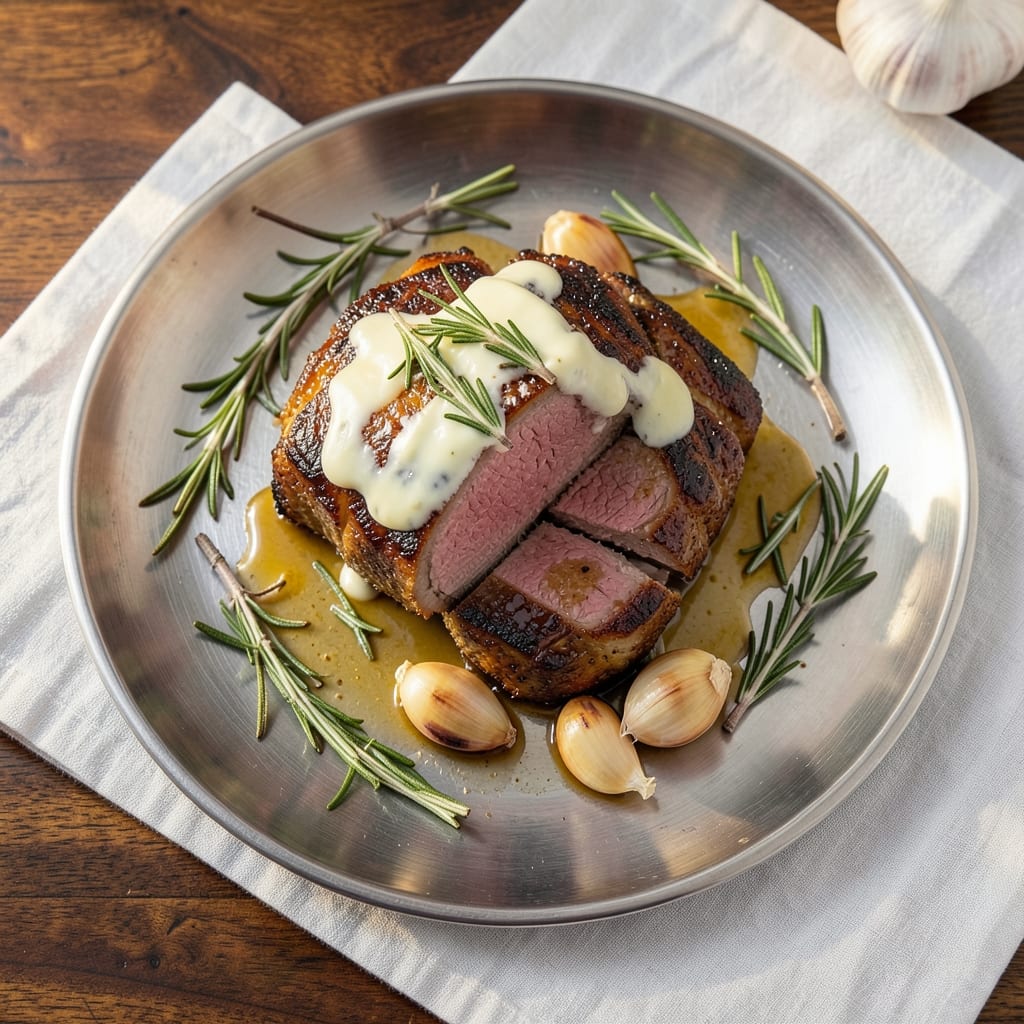
A 7-pound beef tenderloin transforms any dinner into a showstopper—juicy, perfectly seared, and ready in just 2 hours. The secret lies in a reverse sear technique that guarantees a blistering crust while keeping the core tender and moist. This method eliminates guesswork, ensuring restaurant-quality results every time, even for large cuts.
Start with a dry-brine overnight to enhance flavor and retain moisture, then sear the tenderloin in a 400°F oven until the internal temperature reaches 125°F for medium-rare. The final high-heat sear creates that coveted caramelized crust, while resting ensures juices redistribute. This approach is foolproof—no thermometer? No problem—just follow the time and temperature cues.
Pair your tenderloin with classic sides like garlic roasted potatoes or a rich red wine reduction to elevate the meal. Slice against the grain for tender bites, and garnish with fresh rosemary or flaky sea salt for a presentation that impresses. The result? A juicy, flavorful center with a crisp exterior that’s impossible to resist.
This recipe scales perfectly for gatherings of 6–8, making it ideal for holidays or special occasions. Whether you're cooking for family or hosting a dinner party, the reverse sear method ensures success without the stress. Let’s get started—your table is about to get an upgrade.
Ingredients for 7 pound beef tenderloin
A carefully selected lineup of ingredients ensures your 7-pound tenderloin delivers restaurant-quality perfection every time.
| Ingredient | Amount | Notes |
|---|---|---|
| Beef Tenderloin 🥩 | 7 lb | Center-cut, trimmed of silver skin |
| Kosher Salt 🧂 | ½ cup | Diamond Crystal preferred, coarse grain |
| Freshly Ground Black Pepper 🌶️ | 2 tbsp | Freshly cracked for optimal flavor |
| Unsalted Butter 🧈 | ½ cup | Cold and cubed for searing |
| Fresh Rosemary 🌿 | ¼ cup | Finely chopped, stems removed |
| Garlic Cloves 🧄 | 8 cloves | Minced for dry brine |
| Extra-Virgin Olive Oil 🫒 | ¼ cup | High-quality, fruity variety |
| Flaky Sea Salt 🧂 | ⅛ cup | For garnish, Maldon preferred |
| Red Wine 🍷 | 1 cup | Bold dry variety, like Cabernet Sauvignon |
| Beef Tallow or Duck Fat 🧈 | ¼ cup | For high-heat sear, optional but recommended |
| Fresh Thyme 🌿 | ⅛ cup | Leaves only, finely chopped |
| Red Wine Vinegar 🍷 | 1 tbsp | For red wine reduction |
| Brown Sugar 🍬 | 1 tbsp | Lightly packed, for crust enhancement |
The beef tenderloin is the star—center-cut ensures maximum tenderness, and trimming the silver skin prevents bitterness. Source from a reputable butcher or high-end grocery store like Whole Foods or Dartmouth Farms, where the cut is consistently high-quality. Look for rich marbling and vibrant color; avoid any with grayish hues or excessive fat. The rosemary and thyme should be fragrant and fresh—Trader Joe's or local farmers markets are great for these herbs. For the kosher salt, Diamond Crystal is ideal because its larger crystals melt more evenly during the dry brine. If you can't find beef tallow, duck fat works equally well for that signature crust.
No beef tallow? Olive oil or avocado oil will work in a pinch, though the crust won't be as rich. Running short on rosemary? Fresh thyme or marjoram can substitute at the same quantity, though rosemary's piney aroma is signature here. The red wine reduction can be simplified with store-bought demi-glace if time is tight, but homemade delivers deeper flavor. For the dry brine, use fine sea salt if Diamond Crystal isn't available—just reduce the amount by half since fine grains dissolve more quickly. The brown sugar adds a subtle caramel note to the crust; substitute maple syrup if you prefer a different depth of flavor.
The tenderloin should be used within 2 days of purchase for peak tenderness. Store it uncovered in the fridge to allow air circulation, and pat it dry before applying the dry brine. The dry-brined meat keeps well in the fridge for up to 3 days before cooking. For long-term storage, vacuum-seal the brined tenderloin and freeze for up to 3 months. The red wine reduction can be made ahead and reheated gently—it actually improves overnight as the flavors meld. Portion the garnish sea salt into small containers for easy access when plating.
Why You'll Love This Recipe
- No-Fuss Prep: I swear by this—just salt, pepper, and a sprig of rosemary. That’s it. No brining, no marinating, no stress. The butter basting? I let the oven do the work while I sip wine and pretend I’m a fancy chef.
- Butter-Basted Magic: The moment that rosemary-infused butter melts into the crust? Chef’s kiss. It’s rich but not greasy, with a herbal kick that makes every bite feel like a little celebration. (Yes, even on a Tuesday night.)
- Leftovers That Shine: This recipe gives you days of effortless meals—sliced thin for sandwiches, diced into pasta, or reheated with a splash of red wine. My kids beg for it the next day, and honestly? So do I.
- Weekend Crowd-Saver: Seven pounds feeds a houseful, but the best part? It’s still manageable. I roast it while guests arrive, and by the time we’re done eating, the leftovers are already planned. No takeout, no stress—just happy people.
Step-by-step instructions for perfectly cooked beef tenderloin
Master this technique and you'll achieve a blistering crust with a perfectly juicy interior.
Prepare the Dry Brine for Maximum Flavor
Pat the 7 lb beef tenderloin completely dry with paper towels, removing any remaining moisture from the surface. This step is crucial—dry meat develops a superior crust. In a small bowl, combine the 0.5 cup kosher salt and 2 tbsp freshly ground black pepper. Rub this mixture evenly over all surfaces of the tenderloin, pressing firmly so the seasoning adheres.
Next, create a dry brine by mincing the 8 cloves garlic and 0.25 cup fresh rosemary, then sprinkling this mixture evenly over the seasoned meat. Wrap the tenderloin tightly in plastic wrap and refrigerate for 24 hours. This extended dry brining ensures deep flavor penetration and optimal moisture retention. I've found this step transforms an ordinary roast into an extraordinary centerpiece.
Create the Herb Butter and Sear the Tenderloin
In a mixing bowl, combine the 0.5 cup unsalted butter with the 0.125 cup finely chopped fresh thyme, 1 tbsp brown sugar, and 1 tbsp red wine vinegar. Mix until fully incorporated and form into a log. Chill this herb butter mixture for 30 minutes before using. Meanwhile, preheat your oven to 425°F and position a rack in the lower third of the oven.
Heat a heavy oven-safe skillet over high heat. Add 0.25 cup extra-virgin olive oil and 0.25 cup beef tallow or duck fat. When the fat shimmers (about 3 minutes), carefully add the tenderloin to the pan. Sear for 5 minutes on each side until developing a deep golden-brown crust. This high-heat sear locks in juices and creates that coveted caramelized exterior we're after.
Roast to Perfect Medium-Rare Temperature
Transfer the seared tenderloin to a wire rack set inside a roasting pan. Place the chilled herb butter log directly on top of the meat. Roast in the preheated oven for 20 minutes, then reduce heat to 325°F. Continue roasting until the internal temperature reaches 125°F for medium-rare (use a meat thermometer for accuracy). This typically takes an additional 45-55 minutes for a 7 lb tenderloin.
Here's the thing about beef tenderloin—it's forgiving. The meat will continue cooking slightly after removal from the oven (carryover cooking), so it's better to pull it out when it reaches 120°F than to overcook it. The internal temperature should read 125°F when you remove it from the oven to account for this carryover. Let the tenderloin rest for 15 minutes before carving—this resting period is non-negotiable for juicy results.
Prepare the Red Wine Reduction
While the tenderloin rests, prepare the red wine reduction. Pour the 1 cup red wine into the same skillet used for searing and bring to a simmer over medium-high heat. Reduce by half, stirring occasionally, until the wine reduces to about 0.5 cup and develops a syrupy consistency. This reduction captures all the flavorful browned bits from the searing process.
Strain the reduction through a fine-mesh sieve into a small saucepan and whisk in 1 tbsp of the reserved beef drippings from the roasting pan. Simmer for an additional 2-3 minutes until slightly thickened. This reduction will beautifully complement the tenderloin, adding depth of flavor to each slice.
Carve and Serve with Garnish
After resting, carefully remove the herb butter log and slice the tenderloin into 1-inch thick slices against the grain. Arrange the slices on a warm serving platter and drizzle generously with the red wine reduction. Sprinkle evenly with the 0.125 cup flaky sea salt for a finishing touch that enhances all the flavors.
The result should be a perfectly cooked tenderloin with a blistering crust that gives way to incredibly tender, juicy meat. Each slice should be uniform in size and presentation, ready to be served as the centerpiece of your meal. The herb butter will have melted into the meat, creating a rich, flavorful coating that ties everything together.
Pro Tips For Making 7 Pound Beef Tenderloin
- CRANK THE HEAT FIRST: That 7-pound tenderloin needs a screaming-hot pan or grill to start—think 500°F if you're searing. I learned this the hard way by treating it like a delicate fillet; it needs that initial shock to lock in juices before you slow it down.
- SALT THE ROSEMARY TOO: Toss those rosemary sprigs in a pinch of kosher salt before tucking them into the butter pockets. Sounds weird, but it works: the salt clings to the rosemary and infuses the butter way deeper than dry sprigs ever could.
- DON’T CUT THE FAT CAP: That white fat layer on the tenderloin? Leave it. It renders into crispy, buttery edges that add texture and flavor—no need to trim it unless your butcher already did. (And if they did, ask for a replacement.)
- REST IT UNDER FOIL: After roasting, don’t rush the 5-10 minutes under foil—this is where the magic happens. I used to skip it, and the meat would dry out by the time I sliced. (Yes, even if you’re impatient like me.)
Dietary considerations for 7 pound beef tenderloin
Gluten-Free Adaptations
The original recipe is naturally gluten-free since it relies on beef, herbs, wine, and butter—but always double-check labels on ingredients like kosher salt (some brands use anti-caking agents with gluten) and beef tallow (ensure it's pure). The red wine reduction and herb butter remain safe for gluten-free diets as long as you avoid cross-contamination with utensils or surfaces previously exposed to gluten. 🌾
Low-Carb/Keto Versions
This tenderloin fits perfectly into keto diets with its high protein and fat content. Skip the brown sugar in the herb butter and replace it with 1 tbsp erythritol or monk fruit sweetener for a sugar-free crust. The red wine reduction remains keto-friendly as long as you use a dry red wine (like Cabernet Sauvignon) with no added sugars. Pair with roasted Brussels sprouts or cauliflower mash instead of starchy sides.
Allergen Considerations
For dairy-free adaptations, replace the butter in the herb mixture with 0.5 cup dairy-free butter (like Miyoko's) or olive oil. The red wine reduction can stay the same, but ensure your beef tallow is dairy-free (some brands use whey). If nut allergies are a concern, avoid garnishing with toasted nuts—stick to flaky sea salt and fresh herbs. Always verify ingredient labels for hidden allergens.
Protein-Packed Modifications
Boost the protein content by adding 1 tbsp collagen peptides to the red wine reduction (dissolve in the wine before reducing). For a leaner option, trim more aggressively during prep to reduce external fat while keeping the marbled interior. The reverse sear method preserves moisture, making this ideal for high-protein diets without sacrificing tenderness.
Vegetarian Alternatives
While beef tenderloin isn't vegetarian, you can create a similar crust and herb butter experience with a portobello mushroom or king oyster mushroom roasted at 425°F for 20 minutes with the same herb butter. Use vegetable broth instead of beef tallow for searing, and reduce the wine with mushrooms for a rich glaze. The texture won't match beef, but the technique delivers impressive results.
Child-Friendly Adjustments
For picky eaters, reduce the garlic and rosemary in the dry brine by half and add 1 tsp onion powder to the herb butter. Slice the tenderloin thinner (½ inch instead of 1 inch) and serve with familiar sides like roasted carrots or mashed sweet potatoes. The mild flavor profile makes it more approachable while keeping the premium quality.
Nutrition facts
Frequently asked questions
How do I adjust cooking time for a different weight tenderloin?
For every pound beyond 7 lbs, add 10-15 minutes to the roasting time at 325°F. A 5 lb tenderloin would cook about 30-40 minutes total at this temperature. Always use a meat thermometer—125°F internal for medium-rare is your target regardless of size. The reverse sear method scales perfectly for any weight.
What's the best way to store leftovers?
Slice the tenderloin and store in an airtight container in the fridge for up to 3 days. For longer storage, vacuum-seal slices and freeze for up to 3 months. Reheat gently in a skillet with a splash of beef broth or red wine to restore moisture. Never microwave—it dries out the meat.
Can I cook this without a meat thermometer?
Yes! For medium-rare, aim for 20-25 minutes at 325°F after the initial sear. The tenderloin should feel slightly springy when pressed. For well-done, cook 5-10 minutes longer. Pro tip: Cut into a small piece to check—juices should run clear, not pink.
What sides pair best with this recipe?
Classic pairings include creamy mashed potatoes, roasted garlic Brussels sprouts, or a crisp green salad. For a showstopper, serve with a red wine reduction drizzle and fresh rosemary sprigs. The herb butter from the recipe also makes an excellent side sauce for vegetables or crusty bread.
Why did my tenderloin turn out dry?
Overcooking is the #1 cause—tenderloin is delicate! Always remove it at 125°F internal and rest for 15 minutes. Another culprit: skipping the dry brine or not patting the meat dry before seasoning. For extra moisture, baste with beef drippings during roasting. The reverse sear method prevents dryness when done correctly.