
Sauces & Condiments
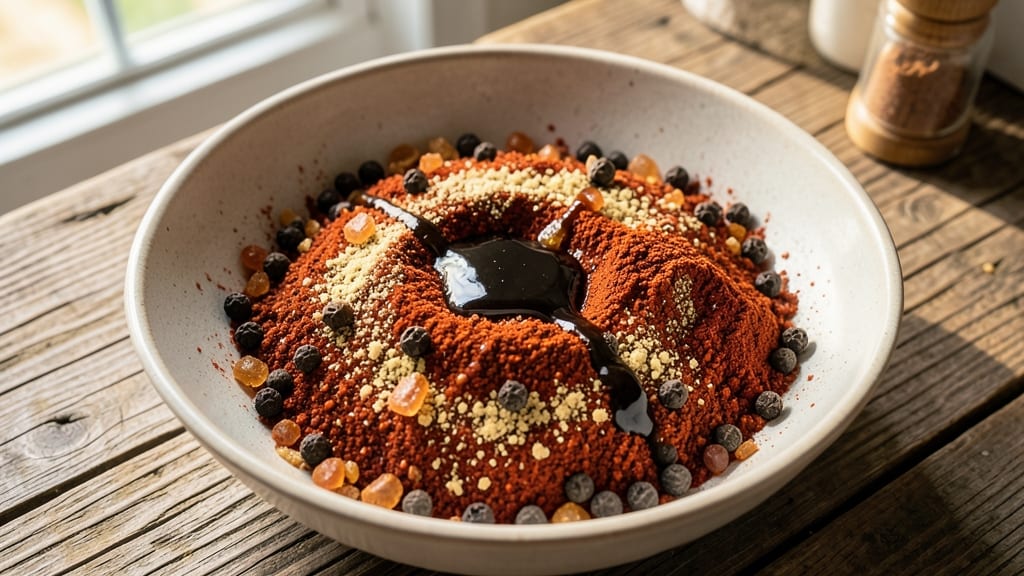
Creating the perfect smoked beef rib rub starts with a bold blend that delivers deep bark and tender meat every time. This dry spice mix transforms tough ribs into restaurant-quality centerpieces with just a few tablespoons of precision-crafted seasoning.
The secret lies in balancing sweet, smoky, and savory notes—each ingredient plays a critical role in developing that signature crust while keeping the meat juicy inside.
This rub features smoked paprika for its signature depth, brown sugar to caramelize into a dark bark, and garlic powder for a subtle punch that penetrates the meat. Black pepper adds a sharp contrast, while a touch of cayenne brings just enough heat to keep things interesting.
What sets this blend apart is its ability to create a thick, flavorful crust without overpowering the natural beef taste—ideal for both competition-style and everyday smokers.
The result is ribs with a rich, aromatic bark that cracks beautifully when sliced, revealing tender meat underneath. This rub works equally well on baby back, St. Louis-style, or spare ribs, making it a versatile addition to any smoking session.
Whether you're a seasoned pitmaster or just starting out, this blend delivers professional results with minimal effort.
Make a large batch and store it in an airtight container for up to six months, so you're always ready when the craving for smoked ribs strikes. The precise measurements ensure consistent flavor every time—no guesswork, just guaranteed success. Let's get seasoning!
Ingredients for smoked beef rib rub
Nine spices create this bold rub for ribs that crack with flavor.
| Ingredient | Amount | Notes |
|---|---|---|
| Smoked Paprika 🌶️ | 3 tbsp | Spanish variety for best smokiness |
| Brown Sugar 🍚 | 2 tbsp | Light or dark, packed |
| Garlic Powder 🧄 | 2 tbsp | Not garlic salt, freshly ground |
| Coarse Black Pepper 🌶️ | 1 ½ tbsp | Freshly cracked preferred |
| Cayenne Pepper 🔥 | 1 tsp | Adjust heat preference here |
| Onion Powder 🧅 | 1 tbsp | For sweet depth |
| Chili Powder 🌶️ | 1 tbsp | Smoked or regular |
| Dried Thyme 🌿 | 1 tsp | Earthy aroma booster |
| Sea Salt 🧂 | 1 tsp | Fine grain preferred |
| Ground Cumin 🌿 | ½ tbsp | Toasted for depth |
The smoked paprika is your secret weapon—Spanish varieties like La Cumbre give that authentic wood-smoked vibe. Buy it in bulk from Penzeys or World Market for the best quality, or make your own by smoking regular paprika. Brown sugar isn't just for sweetness; it caramelizes into that dark, crackly bark you crave. For the garlic powder, McCormick's seasoning grade is reliable, but toast your own cumin seeds first if you want that extra depth—just 30 seconds in a dry pan. The coarse black pepper needs to be freshly cracked to avoid that bitter aftertaste.
No smoked paprika? Regular paprika plus 1/2 tsp liquid smoke gets you close. Want more heat? Swap cayenne for crushed red pepper flakes at double the amount. Short on chili powder? Combine 1 tsp each of cumin and smoked paprika as a stand-in. The dried thyme is non-negotiable—it's what makes the bark sing. If you're using pre-ground spices, check the expiration dates—stale spices taste like dust. And for the cumin, toast it in a dry skillet until fragrant before grinding—worth the extra minute.
Store this rub in an airtight glass jar away from light—it'll keep for 6-12 months if sealed properly. I portion mine into small bags for easy access. The brown sugar can clump over time, so stir it up before using. This rub works best on ribs that are dry-brined overnight—just pat them dry before applying. The flavor develops as you smoke, so don't rush it. And if you're making a big batch, label it clearly—this stuff disappears fast.
Why You'll Love This Recipe
- No-Fuss Seasoning: This rub comes together in minutes—just toss those dry ingredients in a bowl, stir, and you’re done. Honestly, I keep a jar of it in my fridge for any beef, no prep needed.
- Smoky-Sweet Kick: The smoked paprika and brown sugar caramelize beautifully on the ribs, while the cayenne adds just enough heat to make it irresistible. That crispy exterior? Chef’s kiss.
- One Rub, Many Uses: Slather it on ribs for Sunday dinner, or use it on steaks, burgers, or even roasted potatoes. My kids beg for "the spicy rub" on their fries—it’s that versatile.
- Budget’s Friend: Five ingredients, zero waste. A little goes a long way, and you’ll have enough left to season future meals. My secret weapon for feeding a crowd without breaking the bank.
Step-by-step instructions for smoked beef rib rub
Here's how to blend this powerhouse rub that creates deep bark and melt-in-your-mouth tenderness.
Combine Dry Ingredients in a Mixing Bowl
Start by placing all your dry ingredients in a medium-sized mixing bowl. This includes the 3 tablespoons smoked paprika, 2 tablespoons brown sugar, 2 tablespoons garlic powder, 1.5 tablespoons coarse black pepper, 1 teaspoon cayenne pepper, 1 tablespoon onion powder, 1 tablespoon chili powder, 1 teaspoon dried thyme, 1 teaspoon sea salt, and 0.5 tablespoon ground cumin. Using a whisk or fork, gently fold everything together until uniformly distributed.
The reason we combine everything dry first is to ensure even distribution of the heat components like cayenne and chili powder. I like to give it a quick stir with a fork before switching to the whisk - this breaks up any clumps in the brown sugar and coarse black pepper that might form during storage. You want a homogenous texture where you can't pick out individual spices.
Toast the Spices for Enhanced Flavor
Transfer the dry mixture to a small skillet set over medium-low heat. Stir constantly for 3-4 minutes until you can smell the spices warming and see them begin to lightly sizzle. This toasting step develops deeper, more complex flavors by gently activating the essential oils in each spice.
Watch carefully - you're not looking for color changes here, just a subtle aroma release. The brown sugar will begin to caramelize slightly, which adds a subtle sweetness that balances the heat. If you notice any darkening or burning, immediately remove from heat as this can make the rub bitter. The mixture should smell rich, earthy, and slightly smoky from the paprika.
Cool and Store for Maximum Potency
Remove the skillet from heat and let the spice mixture cool completely on a wire rack or clean countertop. This cooling process is crucial - it allows the flavors to fully meld together and prevents condensation when you store it. Transfer the cooled rub to an airtight container with a tight-sealing lid.
For best results, store in a cool, dark place for up to 3 months or refrigerate for up to 6 months. The flavors will continue to develop and intensify during storage. When ready to use, simply shake the container vigorously to redistribute any settled spices before applying to your beef ribs. This rub works particularly well when applied 12-24 hours before smoking to allow maximum penetration.
Apply Generously for Deep Flavor Infusion
When you're ready to smoke your beef ribs, remove them from the refrigerator and let them come to room temperature. Generously coat all surfaces of the ribs with the rub, pressing it firmly into the meat so it adheres well. For best results, apply a second layer after the initial 1-2 hours of smoking to build that signature deep bark.
The key to tender meat lies in this application technique. I recommend using about 1-2 tablespoons of rub per pound of beef, working it into all crevices including the fat cap. The combination of smoked paprika and brown sugar creates that prized dark bark while the garlic powder and onion powder ensure tender, flavorful meat throughout. Let the ribs sit at room temperature for 30-60 minutes after applying the rub to allow the spices to penetrate slightly before smoking.
Pro Tips For Making Smoked Beef Rib Rub
- Toast the Spices: I learned this the hard way—skipping this step makes your rub taste like dust. Dry-toast the smoked paprika and cayenne in a skillet over medium heat for 30 seconds until fragrant. The aroma alone tells you it’s ready; let it cool before mixing with the rest.
- Mix in Stages: Combine the brown sugar and spices first, then fold in the garlic powder and black pepper last. This keeps the sugar from clumping into a paste—no one wants a gloppy rub. Use a fork to break up any lumps before applying.
- Don’t Rush the Rest: After applying the rub, let the ribs sit uncovered in the fridge for at least 4 hours—or overnight if you’re patient. The sugar needs time to caramelize slightly, giving you that sticky, flavorful crust. Yes, even if you’re impatient like me.
- Use Coarse Salt: Skip the fine salt in your spice blend—it dissolves too fast and makes the rub taste flat. Swap in coarse kosher salt (about 1 tsp per cup of rub) to keep the texture gritty and the flavor sharp. It also clings better to the ribs.
Make-ahead tips for this smoked beef rib rub
Prep Ahead for Smoking
Make your rub up to 3 days in advance and store it in an airtight container. I always prepare mine the night before smoking—it gives me peace of mind knowing everything's ready.
The spices meld together beautifully during storage, creating deeper, more complex flavors. Just shake the container vigorously before using to redistribute any settled spices. 💡
Season Ribs Early
Apply the rub to your ribs 12-24 hours before smoking for maximum flavor penetration. I like to do this the night before and let them sit uncovered in the fridge. This dry-brining process helps the spices cling to the meat and develop a better bark.
The ribs will be at room temperature when you're ready to smoke, which ensures even cooking. 🌡️
Freeze for Future Use
Portion the rub into small, resealable bags or airtight containers and freeze for up to 6 months. This is perfect for those spontaneous smoking sessions. When ready to use, simply thaw in the fridge overnight.
I keep a separate bag in my freezer just for quick access—it's a lifesaver on busy weekends. 🧊
Pre-Smoke Prep
Take your rubbed ribs out of the fridge 1 hour before smoking to let them come to room temperature. This helps prevent temperature shock when they hit the smoker.
I also like to pat them dry with paper towels to remove any excess moisture, which helps the rub adhere better and creates a better bark. 🔥
Double Rub for Extra Flavor
For competition-style ribs, apply the rub twice: once 24 hours before smoking and again 1-2 hours into the cook. This builds layers of flavor and creates that prized dark, crackly bark.
I've found this technique works especially well for tougher cuts like spare ribs. Just be sure to let the ribs rest at room temperature for 30 minutes after the second application. ✨
Store Leftover Rub
After using your rub, store any leftovers back in the airtight container. It'll keep for another 3-6 months in a cool, dark place. I always label my containers with the date to keep track of freshness.
The rub can absorb moisture over time, so check for clumps before your next use and stir well to break them up. 📅
Nutrition facts
Frequently asked questions
Can I adjust the heat level in this smoked beef rib rub?
For milder ribs, reduce the cayenne to ½ teaspoon or swap it for ½ teaspoon crushed red pepper flakes. Want more heat? Increase cayenne to 1.5 teaspoons or add ½ teaspoon chipotle powder. The key is balancing the sweet brown sugar with the heat—adjust in ¼ teaspoon increments to avoid overpowering the natural beef flavor.
How do I prevent the rub from clumping when storing?
Store your rub in an airtight glass jar with a paper towel inside to absorb moisture. Stir well before each use to break up any clumps. For long-term storage, freeze portions in ice cube trays—each cube equals about 1 tablespoon of rub. The brown sugar is the main culprit for clumping, so keep the container sealed tightly to prevent humidity exposure.
What’s the best way to apply the rub for maximum flavor?
Pat your ribs dry with paper towels first to help the rub stick. Apply a thick, even layer (about 1-2 tablespoons per pound) and press it into every crevice, including the bone side. For extra bark, apply a second layer after 1-2 hours of smoking. Let the ribs sit at room temperature for 30-60 minutes after rubbing to help the spices penetrate.
Can I use this rub on other meats besides beef ribs?
Yes! This rub works beautifully on pork ribs, chicken thighs, or even brisket. For poultry, reduce the cayenne to ½ teaspoon to avoid overpowering the meat. For brisket, apply the rub 24 hours before smoking and use a thicker layer (up to 3 tablespoons per pound) to build that signature bark. The spices are versatile but may need slight adjustments for different proteins.
Why does my bark turn out too light or too dark?
Light bark usually means insufficient brown sugar or moisture loss during smoking. Try increasing the sugar to 3 tablespoons and wrapping ribs in butcher paper during the cook. Dark bark often results from too much sugar or high heat. Reduce sugar to 1.5 tablespoons and maintain a consistent 225°F smoker temperature. Monitor closely—bark develops in the last 2-3 hours of cooking.