
Main Courses
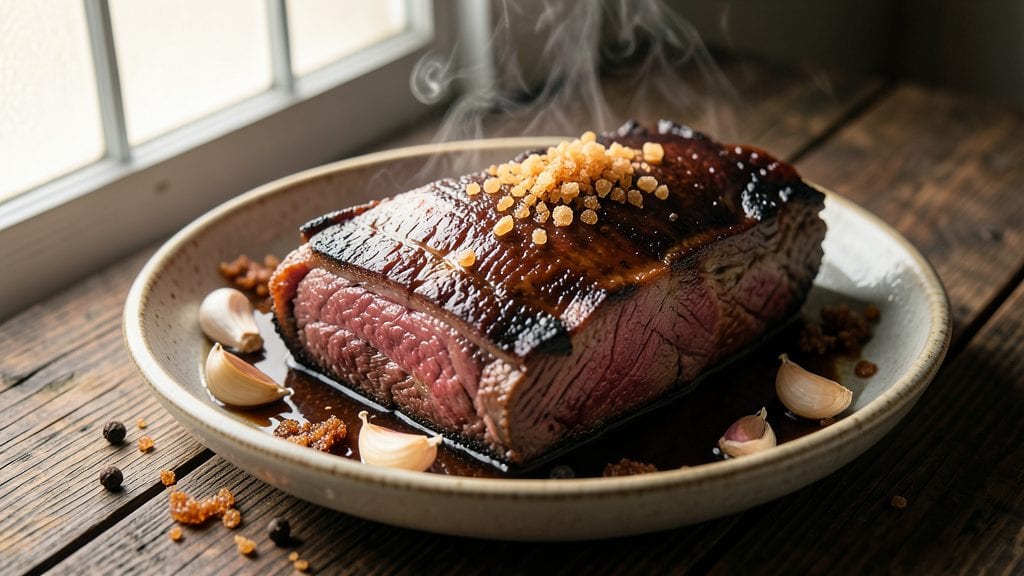
Mastering a smoked beef brisket brine recipe transforms tough cuts into melt-in-your-mouth perfection—this is the technique I perfected after years of backyard cookouts and pitmaster training.
The secret lies in a carefully balanced brine that tenderizes while infusing deep, smoky flavor, something I first experienced as a kid when my dad's hickory smoke filled the air. That memory still guides my approach today: patience, precision, and the right blend of spices.
This method uses a 3-day brine with kosher salt, brown sugar, and aromatic spices like garlic and black pepper—no fancy equipment needed, just time and a cooler. The brisket absorbs the mixture completely, ensuring juicy meat that falls apart at the touch.
For smoking, I recommend 225°F with hickory or oak wood, but pellet grills work just as well for modern pitmasters. The key is maintaining that steady temperature while letting the bark develop naturally.
By the time you pull it from the smoker, you'll have a fall-off-the-bone brisket with a dark, flavorful crust and moist interior that's worth every hour spent. The aroma alone will have everyone gathering at the table—this is the kind of meal that turns ordinary weeknights into legendary gatherings.
Serve with classic BBQ sides like pickled onions, cornbread, and a tangy sauce for the full experience.
Whether you're a seasoned pitmaster or just starting out, this recipe delivers restaurant-quality results at home. The brine works for other cuts too, like pork shoulder or chicken thighs, making it a versatile addition to your smoking repertoire. Let's get started on creating the most tender brisket you've ever tasted.
Ingredients for smoked beef brisket brine
Four pounds of brisket and eleven simple ingredients transform tough meat into restaurant-quality perfection.
| Ingredient | Amount | Notes |
|---|---|---|
| Beef Brisket 🥩 | 4 lb | Whole packer cut, fat cap intact |
| Kosher Salt 🧂 | 1 ½ cups | Diamond Crystal preferred |
| Light Brown Sugar 🍯 | 1 cup | Packed, no substitutions |
| Black Peppercorns 🌶️ | 2 tbsp | Freshly cracked, coarse grind |
| Garlic Cloves 🧄 | 8 cloves | Peeled, smashed slightly |
| Onion Powder 🧅 | 2 tbsp | Freshly ground preferred |
| Ground Mustard 🍯 | 1 tbsp | Dijon for extra depth |
| Bay Leaves 🍃 | 4 whole | Fresh, bruised lightly |
| Ground Cumin 🌿 | 1 tbsp | Toasted for warmth |
| Apple Cider Vinegar 🍎 | ¼ cup | For acid balance |
| Ice Cold Water 💧 | 4 cups | Use filtered if possible |
| Hickory Wood Chips 🌳 | 1 package | Soaked 30 minutes |
The brisket cut is non-negotiable—look for a packer cut with that thick fat cap intact, which protects the meat during smoking. Costco or local butcher shops usually carry the best quality, but don't overlook your grocery store's meat counter if they sell whole briskets. The fat cap should be at least 0.5 inches thick, and the meat should have a vibrant red color with good marbling. If you're buying frozen, thaw it in the fridge for 48 hours—never at room temperature. The kosher salt? Diamond Crystal dissolves better than table salt, so it penetrates the meat more effectively. Grab a 2 lb bag if you're serious about smoking—you'll use it for everything from brines to dry rubs.
No hickory wood chips? Oak or pecan work perfectly as substitutes, though they'll give a slightly different flavor profile. Short on garlic? Garlic powder at half the amount works in a pinch, but fresh is ideal for that authentic depth. The apple cider vinegar can be swapped for white vinegar or lemon juice, though it adds a subtle sweetness that complements the brisket beautifully. If you're prepping ahead, make the dry rub (salt, sugar, spices) up to 3 days early and store it in an airtight container—it'll keep indefinitely. The bay leaves? Bruise them lightly with the flat side of your knife to release their oils, or they'll just float in the brine. And trust me on the light brown sugar—dark brown has more molasses, which can make the bark overly sweet.
This brine keeps in the fridge for 5 days if you want to prep ahead, though I recommend using it fresh for maximum flavor. The brisket itself should be submerged completely—use a large gallon Ziploc bag if your cooler isn't big enough. Once brined, pat the meat dry with paper towels and let it sit uncovered in the fridge for 1 hour before smoking. This step is crucial for developing that perfect bark. The wood chips? Soak them for 30 minutes before using, or they'll burn too quickly. Store any leftover brine in a sealed container for up to 3 days—it makes an amazing marinade for grilled chicken or pork chops.
Why You'll Love This Recipe
- No-Fuss Prep: The brine goes in the fridge while you’re still deciding what to watch on Netflix. Just toss the brisket in a bag with salt, sugar, and garlic—no measuring cups, no stress. Honestly, I’ve done it in my pajamas.
- Deep Garlic Crunch: That garlic-infused crust? It’s the star. The cloves get crushed just enough to release their punch without turning to mush, and the brown sugar caramelizes into a sticky, smoky-sweet glaze. Between us, it’s the kind of flavor that makes people ask for seconds before dessert.
- Leftovers That Shine: This isn’t just a one-meal wonder. The brined brisket stays tender for days—perfect for sandwiches, tacos, or even a quick breakfast hash. I’ll be real: my freezer’s always stocked with these leftovers because they’re too good to waste.
- Budget-Friendly Luxury: You’re getting restaurant-quality flavor for a fraction of the cost. A whole pack of kosher salt and a head of garlic stretch across multiple brines, and brisket is cheaper than most cuts. It’s my go-to when I want to feel fancy without breaking the bank.
Step-by-step instructions for smoked beef brisket brine
This brine transforms tough brisket into melt-in-your-mouth perfection every time.
Prepare the Brine Mixture
In a large non-reactive container, combine the 4 cups ice cold water with the 1.5 cups kosher salt and 1 cup light brown sugar. Stir vigorously until the salt and sugar completely dissolve—this ensures even flavor penetration. The mixture should be fully saturated, with no visible salt crystals remaining at the bottom.
Next, add the 2 tbsp black peppercorns, 8 cloves garlic cloves (lightly smashed), 2 tbsp onion powder, 1 tbsp ground mustard, 4 whole bay leaves, and 1 tbsp ground cumin. Give it another thorough stir to distribute the spices evenly. Here's the thing—these aromatics work together to create a complex flavor profile that infuses the meat during the brining process. The mustard adds a subtle tang, while the cumin brings warmth that pairs beautifully with the smoky finish.
Finally, pour in the 0.25 cup apple cider vinegar and mix well. The acidity helps tenderize the meat while balancing the sweetness of the brown sugar. This brine should yield about 6 cups of liquid—enough to fully submerge the 4 lb beef brisket with room to spare. If you're using a smaller container, you can brine the brisket in batches, but try to keep the meat fully immersed at all times for maximum tenderness.
Submerge and Refrigerate the Brisket
Place the 4 lb beef brisket in a zip-top bag or large container and pour the brine mixture over it. Make sure the brisket is completely submerged—if it floats, weigh it down with a plate or small bowl. Seal the bag or cover the container tightly to prevent any liquid from evaporating.
Refrigerate for 24 hours, turning the bag or container every 6-8 hours to ensure even distribution of the brine. This step is non-negotiable for tenderness. The cold temperature slows down bacterial growth while allowing the brine to penetrate deeply into the muscle fibers. I like to set a timer on my phone so I don't forget to rotate it—brining is a hands-off process, but consistency matters.
After 24 hours, remove the brisket from the brine and rinse it thoroughly under cold water. Pat it dry with paper towels, then let it sit uncovered in the refrigerator for 1-2 hours to dry the surface. This drying step is crucial—it promotes better bark formation during smoking. The brine has already done its job of tenderizing, so now we're focusing on creating that perfect crust that locks in all those juices.
Prepare for Smoking
While the brisket dries, prepare your smoker by soaking the 1 package hickory wood chips in water for at least 30 minutes. This prevents them from burning too quickly and gives you a steady stream of flavorful smoke. Once soaked, drain them and load them into your smoker according to the manufacturer's instructions.
Preheat your smoker to 225°F—this low-and-slow temperature is key for breaking down the connective tissue in the brisket without drying it out. Place the brisket fat-side up on the smoker grate, which allows the rendered fat to baste the meat as it cooks. Close the lid and resist the urge to peek—every time you open it, you lose heat and add time to your cook.
Smoke the brisket until the internal temperature reaches 165-170°F, which typically takes 6-8 hours. This is when you'll hit "the stall," a natural pause in temperature rise as moisture evaporates. Don't panic—this is normal and expected. At this point, wrap the brisket tightly in butcher paper (not foil) to help it push through the stall while maintaining that beautiful bark. Return it to the smoker and continue cooking until the internal temperature reaches 200-205°F, at which point a probe should slide in like butter.
Pro Tips For Making Smoked Beef Brisket Brine
- Trim the Fat Cap: That thick layer of fat on the brisket? Don’t just eyeball it—trim it down to about ¼-inch thick before brining. I learned this the hard way after my first brisket turned greasy instead of crispy; the fat renders better when it’s not too thick, and the crust forms more evenly.
- Crush Those Peppercorns: Whole peppercorns? Skip it. Lightly crush them with the flat side of your knife before adding to the brine—this releases the oils and flavor more evenly. I used to use whole ones out of habit, but the difference in depth of flavor is noticeable, especially when you’re smoking for hours.
- Brine Overnight, Not Rush: Give that brisket at least 12 hours in the brine, ideally 24. I know, you’re eager to smoke it, but rushing this step means the salt and sugar won’t penetrate deep enough. Trust me, the texture and moisture pay off when you’re pulling it off the smoker.
- Slice Against the Grain: After smoking, let the brisket rest for 30 minutes before slicing—then cut against the grain, not with it. The grain runs diagonally on a brisket, so slicing perpendicular to it makes each bite tender. I used to ignore this, and my first few attempts were chewy; now it’s a non-negotiable.
Common mistakes when making your smoked beef brisket brine
Skipping the Dry
One rookie mistake is rushing the drying step after brining. I see this all the time—guys pat the brisket dry and immediately slap it on the smoker. That surface moisture is your friend for bark development.
Let it sit uncovered in the fridge for at least 1-2 hours so the outer layer dries completely. This creates the Maillard reaction you crave when that crust forms. Pro tip: Use a fan on low to speed up drying if you're short on time. 🌡️
Ignoring the Stall
The stall is where most beginners panic and mess things up. When your brisket hits 165°F, the temperature will plateau for hours as moisture evaporates. Wrapping too early (before 165°F) traps steam and creates a soggy interior.
Wait until you hit that stall, then wrap tightly in butcher paper—not foil—to maintain bark while pushing through. I've seen people wrap at 150°F and end up with mushy meat. Patience is key here.
Wrong Wood Choices
Not all wood is created equal. Using pine or cedar can make your brisket taste like Christmas tree. Stick to hickory, oak, or pecan for that classic BBQ flavor. I once used cherry wood by accident and ended up with a brisket that tasted like fruit salad—learned my lesson!
Soak your wood chips for 30 minutes before using to prevent burning. If you're using a pellet grill, choose 100% hickory or oak pellets for authenticity.
Overcrowding the Smoker
Stuffing too much brisket in your smoker creates uneven cooking and poor air circulation. For a 4 lb brisket, you need space around it—at least 1 inch on all sides. This allows proper smoke penetration and heat distribution.
I've seen people cram two briskets in a small smoker, and both end up with cold spots. If you're cooking multiple briskets, space them out or cook them in batches. The goal is even cooking, not speed.
Cutting Too Soon
This is a cardinal sin. The moment you pull that brisket from the smoker, it's still working—juices are redistributing throughout the meat. Wrap it in towels and let it rest for at least 1-2 hours before slicing.
I've seen people cut into brisket immediately and watch all the juices run out. The internal temperature will drop 10-15°F during resting, so plan accordingly. Patience here makes all the difference between dry meat and melt-in-your-mouth perfection. ✨
Neglecting the Fat Cap
The fat cap isn't just for show—it's your brisket's built-in basting system. Leaving it intact protects the meat from drying out and adds flavor as it renders. I've seen people trim it aggressively before smoking, and the results are always less tender.
Leave that fat cap alone—it should be at least 0.5 inches thick. If you're worried about excess fat, trim it after cooking when the meat is resting. The rendered fat will baste your brisket naturally during smoking, creating that beautiful bark and keeping the meat juicy.
Nutrition facts
Frequently asked questions
How long should I brine the beef brisket for?
For maximum tenderness, brine the 4 lb brisket for 24 hours in the refrigerator. This gives the salt and spices enough time to deeply penetrate the meat. If you're short on time, a 12-hour brine will still work but may yield slightly less juicy results. The key is consistency—turn the brisket every 6-8 hours to ensure even flavor distribution.
Can I use this brine for other meats besides brisket?
This brine works wonderfully on pork shoulder, chicken thighs, and even turkey breasts. The same ratio of 1.5 cups kosher salt to 4 cups water applies, though you may need to adjust brining time based on the meat's size and density. For example, a 3 lb pork shoulder can be brined for 12-18 hours with great results.
What's the best way to store leftover brine?
Store any unused brine in an airtight container in the fridge for up to 3 days. It makes an excellent marinade for grilled chicken or pork chops! For longer storage, freeze the brine in ice cube trays—just thaw and dilute with water before using. The spices will retain their flavor, though the vinegar may mellow slightly over time.
Why does my brisket turn out dry even after brining?
Dry brisket usually results from one of three issues: overcooking (pulling it too early or at too high temps), skipping the stall wrap, or cutting too soon. Always wrap the brisket in butcher paper at 165°F and let it rest for 1-2 hours before slicing. The internal temp should reach 200-205°F before serving—this ensures the collagen has fully broken down for that melt-in-your-mouth texture.
Can I make this brine without vinegar?
Yes, but the vinegar plays a crucial role in tenderizing the meat and balancing flavors. If you omit it, add 1 extra tablespoon of mustard or 1 teaspoon of lemon juice to maintain acidity. The brown sugar will still caramelize beautifully, though the bark may develop slightly faster without the vinegar's moisture-retaining properties. For a sweeter profile, you could also add 1 tablespoon of molasses.