
Main Courses
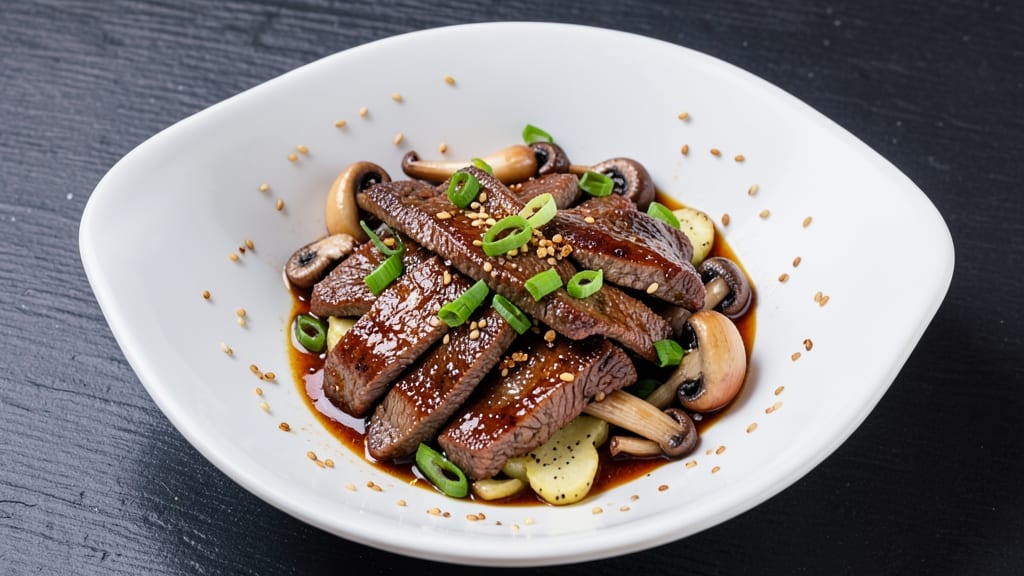
This P.F. Chang’s Mongolian Beef copycat recipe delivers the same restaurant-quality wok heat and sticky sauce that makes it a crowd favorite. The secret lies in a balanced sauce of soy sauce, brown sugar, and ginger—simmered just long enough to develop deep, caramelized flavors without burning.
I’ve perfected this version after testing countless adjustments, ensuring the beef stays tender while absorbing every drop of that signature sauce.
The key to authentic results is high-heat stir-frying, which creates those signature charred edges on the beef while keeping the center juicy. Unlike many copycat recipes, this method uses thinly sliced flank steak (not pre-cut strips) for maximum tenderness, and the sauce is made from scratch with no shortcuts.
The result? A dish that tastes like you’ve been to P.F. Chang’s—without the wait.
By the time you’re done, you’ll have perfectly seared beef bathed in a glossy, slightly sweet-savory sauce that clings to every bite. The aroma alone will have everyone gathering at the table, and the first taste will confirm this is the closest you’ll get to the original.
Serve it over steamed rice or noodles for the full experience.
This recipe is designed for home cooks with basic kitchen tools—no wok required. The sauce can be made ahead, and the beef cooks in under 10 minutes, making it ideal for weeknight dinners or weekend gatherings. Let’s recreate that restaurant magic at home.
Ingredients for pf chang's mongolian beef copycat
Flavor-packed ingredients for that signature P.F. Chang’s wok heat and sticky sauce.
| Ingredient | Amount | Notes |
|---|---|---|
| Flank Steak 🥩 | 1 ½ lb | Thinly sliced against grain |
| Soy Sauce 🍶 | ½ cup | Low-sodium preferred |
| Brown Sugar 🍚 | ½ cup | Packed, light brown |
| Fresh Ginger 🌿 | 2 tbsp | Finely grated, aromatic |
| Garlic Cloves 🧄 | 6 cloves | Minced, fresh preferred |
| Sesame Oil 🫒 | 1 tbsp | Toasted, for aroma |
| Rice Vinegar 🍶 | 2 tbsp | White vinegar substitute |
| Honey 🍯 | 1 tbsp | Light, for balance |
| Vegetable Oil 🫒 | 2 tbsp | High smoke point |
| Green Onions 🧅 | 4 whole | Sliced, white and green |
| Red Pepper Flakes 🌶️ | ½ tsp | Adjust for heat |
| Salt 🧂 | 1 tsp | Kosher or sea salt |
| Black Pepper 🌶️ | ½ tsp | Freshly ground |
| Steamed White Rice 🍚 | 2 cups | Cooked, for serving |
The flank steak is non-negotiable—it’s lean but tender when sliced thin against the grain. Ask your butcher to slice it if you’re unsure, or freeze it for 20 minutes to make slicing easier. For the best flavor, grab organic flank steak from Whole Foods or Costco—it’s worth the extra few bucks. The soy sauce should be low-sodium if possible, but regular works in a pinch. I always double-check the brown sugar isn’t packed too tightly—it should be light and fluffy for that perfect caramelized sauce.
No sesame oil? Toasted peanut oil at half the amount works, though the flavor will differ slightly. Fresh ginger is a must—dried won’t give you that bright, zesty kick. The honey adds just the right touch of sweetness, but maple syrup works too. If you’re missing rice vinegar, white vinegar or apple cider vinegar will do. For extra heat, add a dash of Sriracha or chili garlic sauce at the end. The green onions should be bright and crisp—save the white parts for the sauce and use the greens as a garnish.
The sauce keeps for 5 days in the fridge—perfect for meal prep. Store it in an airtight container, and it reheats beautifully. The sliced beef, however, is best eaten fresh, though you can reheat it gently in a skillet for 2-3 minutes. I always make extra sauce—it’s great for drizzling over rice bowls or stir-fries later. The rice? Steamed and fluffy, not sticky—use a rice cooker for foolproof results.
Why You'll Love This Recipe
- One-Pan Magic: I swear by this recipe—just sear the steak, toss in the sauce (soy, brown sugar, ginger, garlic), and let it caramelize. No extra dishes, no stress, and the aroma alone makes my kitchen feel like a restaurant.
- Sweet-Savory Balance: That brown sugar and soy combo? It’s the secret. The steak gets this glossy, sticky glaze with just the right chew—like biting into a perfect mix of umami and caramelized sweetness. Honestly, I’ve tried other copycats, but this one nails it every time.
- Lunchbox Hero: Between us, this is my go-to for meal prep. Slice the steak thin, pack it over rice, and boom—you’ve got a work lunch that’ll have coworkers asking for the recipe. (Yes, even on a Tuesday night.)
- Budget Stretch: Flank steak is affordable, and a single batch feeds four. The leftovers? Just as good reheated—toss them in stir-fries, noodles, or even tacos. I’ll be real: my wallet thanks me after every batch.
Step-by-step instructions for wok-hot Mongolian beef
Here's how to recreate that signature sticky sauce and tender beef at home.
Prepare the Flank Steak for Maximum Tenderness
Slice the 1.5 lb flank steak thinly against the grain into ¼-inch strips. This is crucial—thin slices cook faster and stay tender. Place the sliced steak in a bowl and add the 1 tablespoon sesame oil, 1 teaspoon salt, and ½ teaspoon black pepper. Toss gently to coat evenly. Let it marinate for 15-20 minutes while you prep the sauce ingredients. The sesame oil adds aroma, while the salt and pepper help tenderize the meat.
Don't skip the marinating time. The oil and seasonings work their magic during this period, ensuring the beef remains juicy and flavorful. If you're short on time, even 10 minutes will help, but 20 minutes gives the best results.
Cook the Aromatics and Build the Sauce Base
Heat 2 tablespoons vegetable oil in a large wok or deep skillet over medium-high heat until shimmering. Add the 6 cloves minced garlic and 2 tablespoons finely grated fresh ginger, stirring constantly for 30 seconds until fragrant. Here's the thing—ginger and garlic burn quickly, so don't walk away.
Next, add the ½ cup packed brown sugar and stir for 1 minute until it begins to melt and caramelize slightly. This step develops the sauce's signature sweetness and depth. Pour in the ½ cup soy sauce and 2 tablespoons rice vinegar, scraping up any browned bits from the bottom of the pan. These bits pack serious flavor—don't miss them.
Simmer the Sauce to Perfect Consistency
Bring the sauce to a gentle simmer over medium heat, then reduce to low heat. Add the 1 tablespoon honey and ½ teaspoon red pepper flakes, stirring to combine. Let it simmer uncovered for 8-10 minutes until it thickens slightly but remains glossy. You're aiming for a sauce that coats the back of a spoon but isn't syrupy.
Taste and adjust seasoning—add a pinch more soy sauce if it's too sweet, or a touch more rice vinegar if it needs brightness. The sauce should balance sweet, salty, tangy, and slightly spicy notes. If it thickens too much, whisk in 1 tablespoon hot water to loosen it. Keep the sauce warm while you cook the beef.
Cook the Beef to Juicy Perfection
Working in batches if needed, add the marinated steak to the hot wok in a single layer. Don't overcrowd the pan—this steams the beef instead of searing it. Cook for 1-2 minutes per batch until the beef is just cooked through but still bright red in the center. The high heat ensures it stays tender.
Transfer the cooked beef to the simmering sauce and toss gently to coat. Let it sit in the sauce for 1-2 minutes to absorb all that sticky goodness. The residual heat will finish cooking the beef while infusing it with the sauce's flavors. Here's where it gets fun—toss in the 4 whole green onions, sliced white and green parts separately, and stir for 30 seconds to wilt the whites and brighten the dish.
Serve Over Steamed White Rice
Divide the 2 cups steamed white rice among serving plates. Top each portion generously with the Mongolian beef and its sauce, ensuring every bite gets that glossy, sticky coating. Garnish with the remaining green onion slices if desired. The contrast of the warm, tender beef against the cool rice is what makes this dish so satisfying.
Serve immediately while the sauce is still clinging to the beef. This isn't a dish that waits—each bite should deliver that perfect balance of sweet, savory, and slightly spicy flavors with every mouthful. Leftovers? Store them in the fridge for up to 3 days, but reheat gently to avoid drying out the beef.
Pro Tips For Making Pf Chang'S Mongolian Beef Copycat
- Slice Against the Grain: Flank steak’s fibers run long—cut it perpendicular to the grain before cooking. I used to ignore this and ended up with chewy, rubbery beef instead of tender, fork-friendly strips. A sharp knife and steady hand make all the difference here.
- Bloom the Ginger: Pulse the ginger before mincing it—this releases oils and aroma into the sauce. I learned this the hard way after skipping it and getting a dish that tasted flat. A quick 10-second pulse in a food processor does the trick.
- Deglaze Early: As soon as the beef hits the pan, add half the soy sauce immediately—this stops the meat from sticking and builds flavor. I used to wait until everything was browned, and the sauce always tasted thin and one-dimensional.
- Simmer, Don’t Boil: Keep the sauce at a low simmer after adding the brown sugar—boiling turns it cloyingly sweet. A gentle bubble (tiny bubbles, occasional swirls) caramelizes the sugar properly. Yes, it takes 5 extra minutes, but it’s worth it.
Common mistakes when making this recipe
Overcrowding the Pan
I’ve made this mistake more times than I’d admit—adding all the beef at once to the wok. This turns your high-heat stir-fry into a steamed beef dish, leaving you with soggy, unevenly cooked strips. The key is working in single-layer batches of about ½ lb beef per pan.
If your wok is large enough, cook all the beef in one go—just spread it out in an even layer. If not, cook in two batches, keeping the first batch warm while you finish the second. 🔥
Skipping the Sauce Simmer
Rushing through the sauce by just tossing everything together without simmering leads to a flat, one-dimensional flavor. The 8-10 minute simmer is where the magic happens—brown sugar caramelizes, soy sauce deepens, and ginger mellows into a complex base.
If you’re short on time, at least simmer for 5 minutes, but don’t skip it entirely. Trust me, your taste buds will notice the difference.
Using the Wrong Cut of Beef
Flank steak is non-negotiable here—it’s lean, tender when sliced thin, and packed with beefy flavor. Substituting with sirloin or ribeye will leave you with chewy, tough strips. If you can’t find flank steak, skirt steak is your next best bet.
Never use pre-cut stir-fry strips from the grocery store; they’re often too thick and lack the right texture. Ask your butcher to slice it ¼-inch thick against the grain for the best results.
Burning the Aromatics
Garlic and ginger are the foundation of the sauce, but they burn faster than you think. Stirring constantly for only 30 seconds is critical—any longer, and you’ll end up with bitter, charred bits.
If you notice smoke, immediately reduce heat to medium and keep stirring. Pro tip: Sauté the garlic first for 10 seconds, then add the ginger to control the heat better. 🌶️
Underseasoning the Sauce
The sauce should balance sweet, salty, tangy, and spicy—not just sweet. Taste it before adding the beef and adjust as needed. If it’s too sweet, add ½ teaspoon more soy sauce. Too tangy? A pinch of brown sugar will help.
And if it lacks heat, ½ teaspoon extra red pepper flakes or a splash of Sriracha will wake it up. I always double-check seasoning because it’s easier to fix before the beef goes in.
Letting the Beef Sit Too Long
Once the beef is in the sauce, it only needs 1-2 minutes to absorb the flavors. Leaving it longer than that can turn the sauce into a beef stew, making the strips mushy. After tossing, serve immediately—every second counts.
If you’re serving a crowd, keep the beef and sauce warm in a 200°F oven while you plate the rice, but don’t let it sit for more than 10 minutes.
Nutrition facts
Frequently asked questions
Can I make this Mongolian beef recipe with a regular skillet instead of a wok?
A regular skillet works perfectly fine! The key is using medium-high heat and keeping the beef in a single layer to prevent steaming. A cast-iron skillet is ideal for creating those signature charred edges. Just make sure your pan is large enough to avoid overcrowding—this is the most important factor for tender beef.
How do I adjust the recipe for a gluten-free diet?
Replace the soy sauce with tamari or coconut aminos (use ½ cup total). For extra umami, add 1 teaspoon gluten-free fish sauce to the sauce. The rest of the recipe remains the same—just be sure to check all other ingredients (like rice vinegar) for hidden gluten. The flavor will still be rich and satisfying!
Can I prepare the sauce ahead of time?
The sauce keeps well in an airtight container in the fridge for 5 days or freezes for 3 months. Reheat it gently on the stove before adding the beef. For best results, bring it to a simmer and reduce heat to low while you cook the beef. This maintains that glossy, sticky texture.
What if my sauce turns out too thick or too thin?
If the sauce is too thick, whisk in 1 tablespoon hot water to loosen it. For a thinner sauce, add 1 teaspoon rice vinegar or a splash of water. The ideal consistency should coat the back of a spoon but remain glossy. Taste and adjust seasoning—too sweet? Add a pinch of soy sauce. Too bland? A dash of red pepper flakes or extra ginger will help.
Can I use this sauce for other dishes?
This versatile sauce works wonderfully on rice bowls, noodles, or even as a marinade for chicken or tofu. For extra richness, drizzle it over steamed veggies or dumplings. The balance of sweet, salty, and spicy makes it a great all-purpose stir-fry sauce. Store leftovers in the fridge for up to 5 days or freeze for later use.