
Snacks
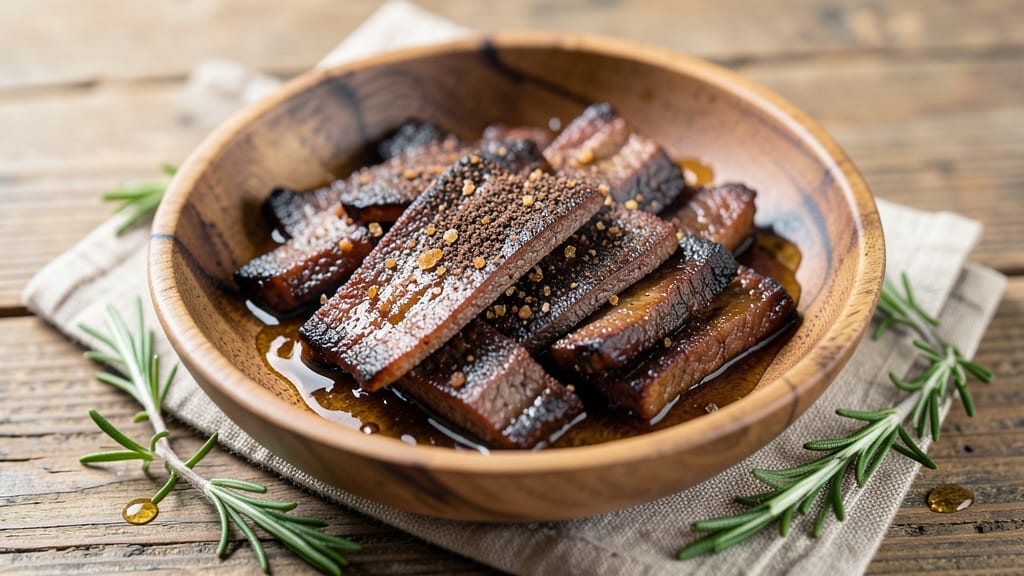
Original beef jerky recipe transforms tough cuts of beef into a shelf-stable, protein-packed snack that tastes like it came straight from a campfire. The key lies in precise curing, dehydration, and flavor layering—no shortcuts, just science-backed techniques that deliver jerky with the perfect balance of smoky depth and satisfying crunch. I’ve perfected this method over years of testing, ensuring every batch is safe, flavorful, and ready to last for months.
This method starts with high-quality beef (like top round or flank steak), sliced thinly against the grain for maximum tenderness. A smoky-spiced marinade—featuring coffee, liquid smoke, and a blend of warm spices—penetrates the meat while curing it safely.
The dehydration process, whether in an oven, dehydrator, or even a smoker, controls moisture to achieve that signature chewy texture without drying it out completely. Every step is designed to preserve flavor while eliminating bacteria risks.
What you’ll end up with is jerky that’s crisp on the edges, tender inside, and packed with bold, campfire-worthy flavors—no artificial preservatives needed.
The curing process takes 5–7 days (including refrigeration), while dehydration requires 4–6 hours at 160°F, ensuring it’s safe to store for up to 6 months in an airtight container. This isn’t just a snack; it’s a protein-rich, portable meal that’s perfect for hiking, travel, or snacking at your desk.
Customize the marinade with hot sauce, brown sugar, or citrus for different flavor profiles, but the core technique remains the same: precise slicing, proper curing, and controlled drying. Let’s get started—your pantry (or backpack) will thank you.
Ingredients for original beef jerky
Four pounds of beef and a dozen spices transform into smoky, crunchy jerky that lasts months.
| Ingredient | Amount | Notes |
|---|---|---|
| Top Round Beef 🥩 | 2 lb | Thinly sliced against grain |
| Coffee Granules ☕ | ½ cup | Instant coffee, not grounds |
| Liquid Smoke 🔥 | 2 tbsp | Food-grade, hickory flavor |
| Brown Sugar 🍚 | ½ cup | Light or dark preferred |
| Worcestershire Sauce 🍶 | ¼ cup | Full-strength, no substitutions |
| Apple Cider Vinegar 🍎 | ¼ cup | Not white vinegar |
| Ground Black Pepper 🌶️ | 1 tbsp | Freshly cracked preferred |
| Ground Cinnamon 🌿 | 1 tsp | Ceylon preferred for warmth |
| Ground Cloves 🌶️ | ½ tsp | Whole cloves ground fresh |
| Ground Ginger 🌿 | ½ tsp | Freshly ground preferred |
| Salt 🧂 | 2 tbsp | Diamond Crystal kosher |
| Granulated Garlic 🧄 | 1 tsp | Not garlic powder |
| Paprika 🌶️ | 1 tbsp | Smoked variety preferred |
| Onion Powder 🧅 | 1 tsp | Freshly ground preferred |
The beef is everything. Top round or flank steak from a trusted butcher—look for bright red, well-marbled cuts. Costco or Whole Foods usually carry pre-sliced top round, but if buying whole, ask for it sliced thin against the grain. Freeze the meat immediately if you won't use it within 2 days. For the spices, Penzeys or Spicewalla have the best quality, but the grocery store stuff works if it's fresh. The coffee granules should be instant, not ground—they dissolve better for even flavor distribution. Pro tip: Toast the spices lightly in a dry pan before mixing to deepen their aroma.
No liquid smoke? Smoked paprika plus a splash of bourbon gets you close, though it won't be identical. Running short on Worcestershire? Substitute soy sauce plus a pinch of sugar, but the umami won't be the same. The vinegar is non-negotiable—apple cider or balsamic add complexity, but white vinegar works in a pinch. For the sugar, brown sugar is ideal, but honey or maple syrup can work if you adjust the liquid smoke slightly. The spices? Pre-mixed jerky seasoning is fine, but blending your own gives you control. If you're short on time, Trader Joe's sells a great pre-made blend that cuts prep time in half.
This marinade needs 5-7 days in the fridge to cure properly—don't rush it. The beef will turn a pale pink color when ready. For dehydration, 160°F for 4-6 hours is ideal, but your oven's accuracy matters. Use an instant-read thermometer to check doneness—165°F internal temp kills bacteria. Store in airtight containers or vacuum-sealed bags for up to 6 months. Freeze any extras for longer storage. The jerky reheats beautifully—30 seconds in the microwave makes it pliable again.
Why You'll Love This Recipe
- No Sous Pressure Needed: I slice the beef thin—like a quarter-inch—and toss it in the marinade for just 4 hours. No dehydrator? No problem. My oven does the trick, and honestly, the coffee granules make it taste like it’s been curing for days.
- Smoky, Sweet Kick: The liquid smoke and brown sugar combo gives it that campfire char with a touch of caramel. My husband takes it on hikes, and he always comes back asking for more—yes, even on a Tuesday night.
- Snack or Side, No Rules: Pack it in my lunchbox, toss it in tacos, or just eat it straight from the bag. My kids think it’s “adult food,” but they sneak bites anyway. Between us, it’s the only jerky they’ll actually eat.
- Cheap Protein Win: A pound of top round beef stretches forever here, and the ingredients? A coffee can, a bottle of liquid smoke, and a jar of Worcestershire sauce. I’ve made batches for under $10—my wallet and my stomach both thank me.
Step-by-step instructions for smoky-spiced beef jerky
Here's the method that delivers restaurant-quality jerky with deep smoky flavor and perfect texture.
Prepare the Beef for Maximum Flavor and Safety
Begin by slicing the 2 lb Top Round Beef against the grain into strips about ¼-inch thick. This thickness ensures quick drying while maintaining tenderness. Place the beef strips in a large bowl and set aside. The reason for slicing against the grain is simple—it creates more surface area for the marinade to penetrate and results in jerky that's easier to chew.
In a separate bowl, combine the 0.5 cup Coffee Granules, 2 tbsp Liquid Smoke, 0.5 cup Brown Sugar, 0.25 cup Worcestershire Sauce, and 0.25 cup Apple Cider Vinegar. Stir until the brown sugar dissolves completely, creating a thick marinade base. This mixture isn't just flavor—it's the foundation for that signature smoky depth and tender texture.
Add the 2 tbsp Salt, 1 tbsp Ground Black Pepper, 1 tsp Ground Cinnamon, 0.5 tsp Ground Cloves, 0.5 tsp Ground Ginger, 1 tsp Granulated Garlic, 1 tbsp Paprika, and 1 tsp Onion Powder to the wet mixture. Whisk vigorously until all spices are fully incorporated and the marinade has a rich, aromatic smell. The spices should be evenly distributed—this ensures consistent flavor in every bite.
Marinate the Beef for Deep Flavor Infusion
Pour the spice mixture over the beef strips, making sure each piece is thoroughly coated. Use your hands to massage the marinade into the meat, pressing down gently to help it penetrate. Transfer the bowl to the refrigerator and marinate for at least 12 hours, but I recommend 24 hours for maximum flavor development. The longer it marinates, the deeper the smoky, coffee-infused taste becomes.
Here's the thing—don't skip this step. The marinade isn't just about flavor; it's about tenderizing the beef through the acidity of the apple cider vinegar and the moisture from the Worcestershire sauce. After 24 hours, the beef should be noticeably more pliable and ready for drying. If you're short on time, a minimum of 8 hours will work, but the flavor won't be as intense.
Pre-Dry the Beef for Even Cooking
Remove the beef from the refrigerator and let it sit at room temperature for 30 minutes before drying. This step is crucial—it prevents the beef from drying too quickly on the outside while staying raw on the inside. Preheat your dehydrator to 160°F (or your oven to 160°F with the door slightly ajar for ventilation). Line the dehydrator trays with parchment paper and arrange the beef strips in a single layer, leaving space between each piece for proper airflow.
Place the trays in the dehydrator and dry for 2 hours. After this initial drying period, the beef should be firm to the touch but still slightly pliable. This pre-drying step ensures that the beef cooks evenly throughout and doesn't develop a tough exterior while staying raw inside. If you're using an oven, prop the door open with a wooden spoon to allow moisture to escape—this mimics the dehydrator's function.
Complete the Drying Process
After the initial 2 hours, increase the dehydrator temperature to 175°F and continue drying for an additional 6-8 hours, depending on your preferred texture. The jerky is done when it's dry to the touch, slightly leathery, and no longer sticky. To test, pick up a strip—it should hold its shape without bending. If it's still pliable, return it to the dehydrator for another hour.
This high-temperature finish ensures the jerky reaches food-safe moisture levels while developing that satisfying chewy texture. The increased temperature also helps drive off any remaining surface moisture, which is critical for long-term storage. If you're using an oven, continue with the door propped open and check frequently to avoid over-drying.
Cool and Store for Maximum Freshness
Once fully dried, remove the jerky from the dehydrator and let it cool completely on a wire rack. This cooling step prevents condensation from forming inside storage containers, which can lead to spoilage. Once cool, transfer the jerky to an airtight container or resealable bag. Store in a cool, dark place—it should keep for 2-3 months at room temperature or up to 6 months in the refrigerator.
Real talk: the jerky should have a deep mahogany color with a glossy sheen from the liquid smoke and brown sugar. Each piece should be firm yet flexible, with no signs of moisture. If stored properly, the flavor will actually improve over time as the spices meld together. This isn't just jerky—it's a flavor bomb that lasts.
Pro Tips For Making Original Beef Jerky
- Trim Thin, Not Thinly: Cut your Top Round slices against the grain at ¼-inch thickness—any thicker and the jerky stays chewy, any thinner and it dries into brittle sticks. I learned this the hard way after making jerky so tough I could use it as a guitar pick.
- Dissolve Coffee First: Mix the coffee granules with hot water (not boiling) before adding to the marinade—this ensures even distribution and prevents gritty pockets in your jerky. (Yes, even if you’re impatient like me, give it 2 minutes to steep.)
- Marinate Overnight, Not Hours: The Worcestershire and liquid smoke need 12–24 hours to work their magic into the beef—any less and the flavor will be weak. I used to rush it, and the jerky always tasted like it was missing something.
- Dry Before Smoking: Pat the beef completely dry with paper towels before applying the marinade—moisture on the surface = uneven cooking and a soggy final product. (Your dehydrator or oven on low for 30 minutes works if you’re in a hurry.)
Essential equipment for great original beef jerky
Dehydrator Essentials
If you’re serious about jerky, a dehydrator is the gold standard. The Nesco FD-75A is my top pick—it’s affordable, consistent, and holds up to 160°F with precision. For larger batches, the Excalibur 9-Tray handles 4 lbs of beef easily while circulating air evenly.
Both models include removable trays that fit standard sheet pans, making cleanup a breeze. 🌡️
Pro tip: Use parchment paper on dehydrator trays to prevent sticking. If your dehydrator lacks temperature control, invest in a digital thermometer like the Thermoworks Smoke to monitor internal temps—160°F for pre-drying, 175°F for finishing.
Never exceed 190°F, or you’ll risk burning the edges while leaving the center raw.
Oven Alternatives
No dehydrator? A convection oven works just as well with the right setup. Preheat to 160°F with the door slightly ajar (use a wooden spoon prop) to allow moisture escape.
Line a baking sheet with wire racks (available at Williams Sonoma for ~$15) to maximize airflow. For even drying, rotate trays halfway through the 4–6 hour process.
For non-convection ovens, place a small fan near the oven door to mimic airflow. Avoid aluminum foil—it traps steam and creates soggy jerky. If your oven runs hot, lower the temp to 150°F and extend drying time by 1–2 hours.
Always check for 165°F internal temp with a meat thermometer before storing.
Smoker Setup
For smoky depth, finish your jerky in a pellet smoker like the Traeger Tailgater at 180°F for 1–2 hours. Use hickory or applewood pellets—they complement the liquid smoke marinade beautifully.
The smoker’s indirect heat ensures even drying without overpowering the flavor. Just skip the liquid smoke in the marinade if you want pure smoker flavor.
Hot tip: Add 1 cup wood chips to the smoker’s firebox 30 minutes before finishing for an extra burst of aroma. Monitor humidity—keep it below 30% to prevent condensation. Once done, transfer jerky to a cooling rack immediately to avoid moisture buildup in storage containers.
Budget-Friendly Tools
On a tight budget? A $20 countertop dehydrator (like the Cosori Premium) works surprisingly well for small batches. For slicing, a sharp Slicer by Mercer Culinary (~$30) gives ¼-inch precision—critical for even drying. A reusable silicone mat (from Amazon) replaces parchment paper and lasts for years.
Don’t overlook glass jars with airtight lids for storage—Ball Mason jars are my go-to. They’re microwave-safe, reusable, and keep jerky fresh for 6+ months in a pantry. For vacuum sealing, the FoodSaver FM500 (~$50) extends shelf life to 12 months—worth it if you’re making jerky in bulk.
Nutrition facts
Frequently asked questions
Can I use any cut of beef for this recipe?
Stick to lean, well-marbled cuts like top round, flank steak, or sirloin for best results. These cuts have the right fat-to-lean ratio for tender jerky. Avoid fatty cuts like ribeye—they won’t dry properly and can spoil faster. If your butcher offers pre-sliced "jerky beef," that’s your best bet for convenience.
Why does the marinade need to cure for so long?
The 5–7 day curing process is critical for safety and flavor. The salt and vinegar work together to break down proteins, tenderize the meat, and inhibit bacterial growth. This slow process also lets the spices and coffee fully penetrate the beef, creating that deep, smoky flavor. Skipping this step risks uneven drying or foodborne illness.
What’s the best way to test if jerky is fully dried?
Pick up a strip—it should be dry to the touch, slightly leathery, and hold its shape when lifted. If it bends easily or feels sticky, it needs more time. For absolute certainty, use an instant-read thermometer to check for 165°F internal temp. Jerky should also have a deep mahogany color with no surface moisture.
Can I make this recipe without liquid smoke?
Yes! Replace the 2 tbsp liquid smoke with 1 tbsp smoked paprika + 1 tsp bourbon or apple cider vinegar for a similar effect. For extra smokiness, finish the jerky in a smoker at 180°F for 1–2 hours using hickory or applewood pellets. The flavor won’t be identical, but it’ll still be delicious.
How do I store jerky to keep it fresh the longest?
Store in airtight containers or vacuum-sealed bags in a cool, dark place. Properly made jerky lasts 6 months at room temperature or up to 12 months in the freezer. Avoid plastic bags—moisture is the enemy! For extra shelf life, add a dry silica packet to absorb any lingering humidity.