
Main Courses
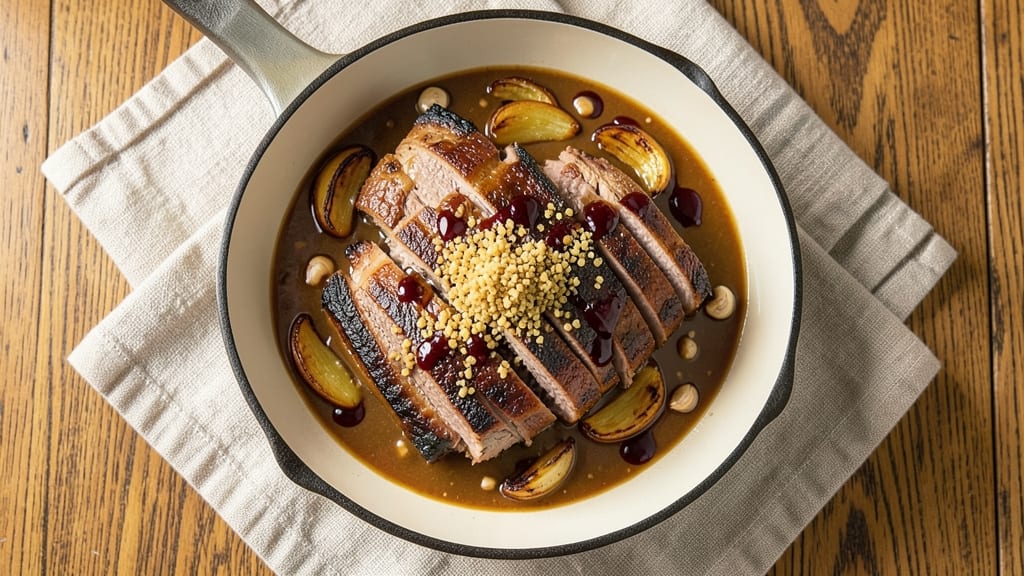
Transforming tough cuts into tender beef brisket with Lipton onion soup is a game-changer for slow-cooked meals. The secret lies in using the soup as both a flavorful braising liquid and a rich finishing touch—creating a dish that’s hearty, aromatic, and foolproof.
I’ve perfected this method over years of testing, ensuring the brisket becomes fork-tender while absorbing the soup’s deep, savory essence.
This recipe starts with a simple yet effective prep: salting the brisket overnight to break down tough fibers, followed by a quick sear for depth of flavor. The slow cooker then works its magic, transforming the meat into melt-in-your-mouth perfection while the onion soup simmers into a velvety, caramelized sauce.
The result? A brisket so tender it practically falls apart, paired with a soup that’s rich enough to serve as a dip or glaze.
By the time you’re done, you’ll have a meal that’s equally impressive for weeknight dinners or special occasions. The brisket slices effortlessly, and the soup—now infused with brisket juices—adds a luxurious touch.
Serve it alongside crusty bread to soak up every last drop of that savory, comforting sauce. This is comfort food at its finest, elevated by a professional technique.
The beauty of this dish is its versatility. Use the soup as a braising liquid, a finishing glaze, or a side sauce—whatever suits your mood. The brisket’s richness pairs perfectly with roasted potatoes or a fresh salad, making it a complete, satisfying meal.
Let’s get started on creating this restaurant-worthy dish at home.
Ingredients for lipton onion soup beef brisket
Six ingredients transform tough brisket into melt-in-your-mouth perfection with Lipton's savory magic.
| Ingredient | Amount | Notes |
|---|---|---|
| Beef Brisket 🥩 | 4 lb | Flat cut preferred, 1-inch thickness |
| Lipton Onion Soup Mix 🧅 | 4 tbsp | Original flavor, not low-sodium |
| Beef Broth 💧 | 2 cups | Low-sodium preferred, homemade or store-bought |
| Red Wine 🍷 | 1 cup | Bold variety like Cabernet Sauvignon |
| Garlic Cloves 🧄 | 6 cloves | Peeled, smashed for deeper flavor |
| Yellow Onion 🧅 | 1 whole | Large, sliced into half-moons |
| Carrots 🥕 | 2 whole | Medium, peeled and chopped |
| Celery Stalks 🥬 | 3 whole | Trimmed and chopped |
| Kosher Salt 🧂 | ½ cup | Diamond Crystal preferred |
| Black Peppercorns 🌶️ | 1 tbsp | Freshly cracked, not pre-ground |
| Bay Leaves 🍃 | 2 whole | Dried, removed before serving |
| Fresh Thyme 🌿 | 2 sprigs | Or 1 tsp dried thyme |
| All-Purpose Flour 🌾 | 2 tbsp | For thickening finishing sauce |
| Butter 🧈 | 2 tbsp | Unsalted, cold for finishing |
The brisket is non-negotiable here—flat cut from the packer with good marbling gives the best results. Costco or local butchers often have the best cuts at reasonable prices. Look for a piece that's about 1-inch thick—thinner pieces cook faster and can dry out. If you're buying a whole packer cut, trim off any large fat deposits, but leave some for flavor. The Lipton onion soup mix is the secret weapon: original flavor, not low-sodium, since we're building deep, rich flavor here. I always grab a few extra packets—this recipe is so good you'll want to make it again.
No red wine? Substitute with beef broth, but you'll lose some depth of flavor. Fresh thyme is ideal, but dried works at one-third the amount if that's what you've got. The vegetables—onion, carrot, celery—are classic mirepoix, but frozen chopped veggies work in a pinch. For the finishing sauce, if you're short on butter, olive oil works fine, though butter gives that luxurious finish. The flour is just for thickening—don't skip it, but don't overdo it either. The key is to whisk it into the hot soup at the end so it doesn't clump. And trust me, freshly cracked peppercorns make all the difference compared to pre-ground.
This brisket tastes even better the next day—make extra if you can. The leftovers keep for 5-6 days in the fridge, and the soup mixture freezes beautifully for up to 3 months. I like to portion the brisket into individual containers with some of the sauce for easy lunches. The finishing sauce? It reheats perfectly—just warm it gently on the stove. For special occasions, serve the brisket sliced thin over mashed potatoes with extra sauce drizzled on top. The possibilities are endless once you've got this base down.
Why You'll Love This Recipe
- One-Pot Magic: I swear by this recipe—just sear the brisket, toss in the onion soup mix, add broth and wine, and let it slow-cook. No flipping pans, no mess, and honestly? The cleanup is just wiping one pot.
- Wine-Infused Richness: That splash of red wine cuts through the beef’s richness while the onion soup mix adds a deep, savory umami punch. Between us, the garlic cloves roasted right in the pot? Absolute flavor gold.
- Leftovers for Days: This recipe makes enough for four servings, but it reheats like a dream—tender brisket, rich sauce, no dryness. I’ll be real: I’ve had it three times in a week, and my freezer’s stocked with portions.
- Budget Feast: A pound of brisket, a box of soup mix, and a bottle of cheap wine? This feeds four for under $20. Not the prettiest, but the taste makes up for it—and my wallet thanks me every time.
Step-by-step instructions for slow-cooked onion soup brisket
Here's how to transform tough brisket into melt-in-your-mouth perfection using onion soup mix as the secret weapon.
Prepare and Season the Brisket
Begin by trimming any excess fat from the 4 lb beef brisket, leaving about ¼-inch thickness. The flat cut works best for this recipe. Pat the meat completely dry with paper towels—this step is crucial for developing that beautiful crust later.
In a small bowl, combine the 4 tbsp Lipton onion soup mix with the 0.5 cup kosher salt and 1 tbsp freshly cracked black peppercorns. Rub this mixture all over the brisket, pressing firmly so it adheres. The onion soup mix contains umami-packed ingredients that will penetrate the meat during cooking, creating that signature flavor we all love.
Place the seasoned brisket in a roasting pan or deep baking dish, fat-side up. This positioning allows the rendered fat to baste the meat as it cooks. Cover loosely with aluminum foil and refrigerate for at least 1 hour before cooking. This chilling period helps the seasoning penetrate more deeply and prevents the meat from drying out during the long cook.
Build the Flavor Base
Preheat your oven to 300°F. In a large Dutch oven or heavy pot, combine the 2 cups beef broth, 1 cup red wine, 6 smashed garlic cloves, 1 whole yellow onion sliced into half-moons, 2 whole carrots chopped, and 3 whole celery stalks chopped. Add the 2 whole bay leaves and 2 sprigs fresh thyme. Bring this mixture to a simmer over medium heat on the stovetop.
While the liquid heats, create a slurry by whisking together the 2 tbsp all-purpose flour with ½ cup of cold water in a small bowl. This will help thicken our sauce later. Once the liquid in the pot is simmering, carefully pour in the flour slurry while stirring constantly. The mixture should thicken slightly, creating a velvety base for our brisket.
Place the seasoned brisket on top of the vegetables in the pot, fat-side up. The vegetables will infuse the meat with their flavors as it cooks. Cover the pot tightly with a lid and transfer it to the preheated oven. This is where the magic happens—low and slow cooking transforms tough meat into tender slices.
Slow Cook Until Tender
Cook the brisket for 3 hours at 300°F. After this initial period, check the internal temperature using a meat thermometer. You're aiming for 165°F in the thickest part of the meat. If it hasn't reached this temperature, continue cooking for another 30-60 minute increments, adding more beef broth or water as needed to keep the liquid level consistent.
Here's the thing—this is where patience pays off. The slow cooking process breaks down the connective tissues in the brisket, creating that fork-tender texture we crave. The onion soup mix and red wine work together to create a rich, savory broth that permeates every fiber of the meat. Don't be tempted to rush this step; proper cooking time is what makes this brisket exceptional.
Once the brisket reaches 165°F, remove it from the pot and let it rest on a cutting board for 15-20 minutes. This resting period allows the juices to redistribute throughout the meat, ensuring each slice is moist and flavorful. While it rests, skim any excess fat from the cooking liquid and set it aside for later use.
Create the Finishing Sauce
Return the brisket to the pot and increase the oven temperature to 350°F. Add the 2 tbsp cold unsalted butter to the cooking liquid and stir to melt. The butter adds richness and helps create a glossy finish. Cover the pot again and cook for an additional 30 minutes at 350°F. This final cooking step ensures the brisket reaches a perfect internal temperature of 203°F, making it probe-tender.
Remove the brisket from the pot and transfer it to a cutting board. Let it rest for another 15 minutes before slicing. The sauce should now be thick and flavorful, ready to coat each tender slice. To serve, slice the brisket against the grain into ¼-inch thick pieces. Ladle the onion soup sauce over the top and serve immediately with crusty bread or mashed potatoes.
Pro Tips For Making Lipton Onion Soup Beef Brisket
- Sear the Brisket First: I learned this the hard way—skipping the sear means flavor hiding in plain sight. Hit that brisket with a hot pan (no oil needed) until it’s deep brown on all sides before adding anything else. The Maillard reaction kicks in, and that’s when the onion soup mix actually gets something to cling to.
- Bloom the Onion Mix: Dump that Lipton packet into the pot before the wine and broth—let it sit for 30 seconds while you stir. Sounds weird, but it works: the spices wake up and infuse the liquid instead of just dissolving into nothing. (Yes, even if you’re impatient like me.)
- Deglaze Aggressively: After searing the brisket, don’t just splash in the wine—scrape every last bit of browned bits from the bottom with a wooden spoon. Those bits are pure flavor, and skipping this step means your soup tastes like it’s missing half its soul.
- Simmer Low and Slow: This isn’t a race. Once everything’s in the pot, keep the heat at a bare simmer—just enough to see tiny bubbles. I used to crank it up, and the wine would cook off too fast, leaving the soup flat. Low heat = deep, rich flavor. (Your future self will thank you.)
Common mistakes when making this recipe
Over-Salting the Brisket
The Lipton onion soup mix already packs a salty punch, so adding extra salt can make your brisket taste like a salt lick. Stick to the 0.5 cup kosher salt called for—this amount works perfectly with the soup mix.
If you're worried about seasoning, taste the mix before applying it to the meat. I’ve ruined briskets this way, and trust me, you don’t want to end up with inedible meat. 🧂
Skipping the Resting Time
Rushing to slice your brisket immediately after cooking is a surefire way to end up with dry, stringy meat. Always let it rest for at least 15-20 minutes before slicing—this allows the juices to redistribute.
I’ve seen people skip this step and end up with a brisket that’s tougher than the original cut. Patience here is key to that melt-in-your-mouth texture. ⏰
Not Using Enough Liquid
The brisket needs enough liquid to braise properly, so don’t skimp on the 2 cups beef broth and 1 cup red wine. If the liquid level drops too low during cooking, add more broth or water to keep the brisket submerged.
I’ve had briskets stick to the pot and dry out because there wasn’t enough liquid. Aim to keep the liquid level at least halfway up the sides of the brisket. 💧
Ignoring the Internal Temp
Using a meat thermometer is non-negotiable—guessing the doneness of brisket leads to undercooked or overcooked meat. Aim for 165°F for initial tenderness, then push to 203°F for that probe-tender finish.
I’ve pulled briskets out too early, only to have them fall apart when sliced. A good thermometer, like the ThermoWorks Smoke, makes this easy. 🌡️
Overcrowding the Pot
Don’t try to cook this in a small pot—brisket needs room to breathe and develop a crust. Use a large Dutch oven or heavy pot that gives the brisket plenty of space.
I’ve seen people cram briskets into tight containers, and the results are always steamed instead of seared. Leave at least 1 inch of space around the brisket for even cooking. 🔥
Using Low-Quality Ingredients
This recipe relies on the quality of your ingredients—don’t cut corners. Use good-quality beef brisket with visible marbling, and avoid low-sodium versions of the Lipton onion soup mix. I’ve tested this with cheaper cuts and cheaper soup mix, and the difference in flavor is night and day.
Invest in the basics, and your brisket will shine. 💰
Nutrition facts
Frequently asked questions
Can I use a slow cooker instead of the oven for this recipe?
Transfer the brisket and liquid to a slow cooker after the initial sear. Cook on low for 8-10 hours or high for 5-6 hours until tender. The key is patience—check the internal temp at 165°F before serving. The soup mix works beautifully in slow cookers, creating rich, tender results.
How can I make this dish ahead of time?
Cook the brisket up to 2 days ahead and refrigerate. Reheat gently in the oven at 300°F until warmed through. The soup sauce reheats well too—simmer on the stove with a splash of broth. For best texture, slice just before serving. Leftovers keep for 5-6 days in the fridge.
What's the best way to serve this brisket?
Slice against the grain and serve with the onion soup sauce drizzled over the top. Pair with crusty bread for dipping or creamy mashed potatoes to soak up the flavor. For a complete meal, add a simple green salad with vinaigrette. The rich brisket and soup combo makes it perfect for family dinners or holiday feasts.
Can I substitute the red wine in this recipe?
Yes! Use an extra 1 cup beef broth or ½ cup apple cider vinegar plus ½ cup broth for acidity. The wine adds depth, but these substitutes work well. If using vinegar, add it gradually to avoid overpowering the flavor. The soup mix will still create that signature taste.
Why does my brisket turn out tough sometimes?
Tough brisket usually means it wasn't cooked long enough or rested properly. Always aim for 203°F internal temp and rest for 15+ minutes before slicing. Another common issue is not enough liquid—keep the brisket submerged during cooking. The Lipton soup mix helps tenderize, but patience is key!