
Main Courses
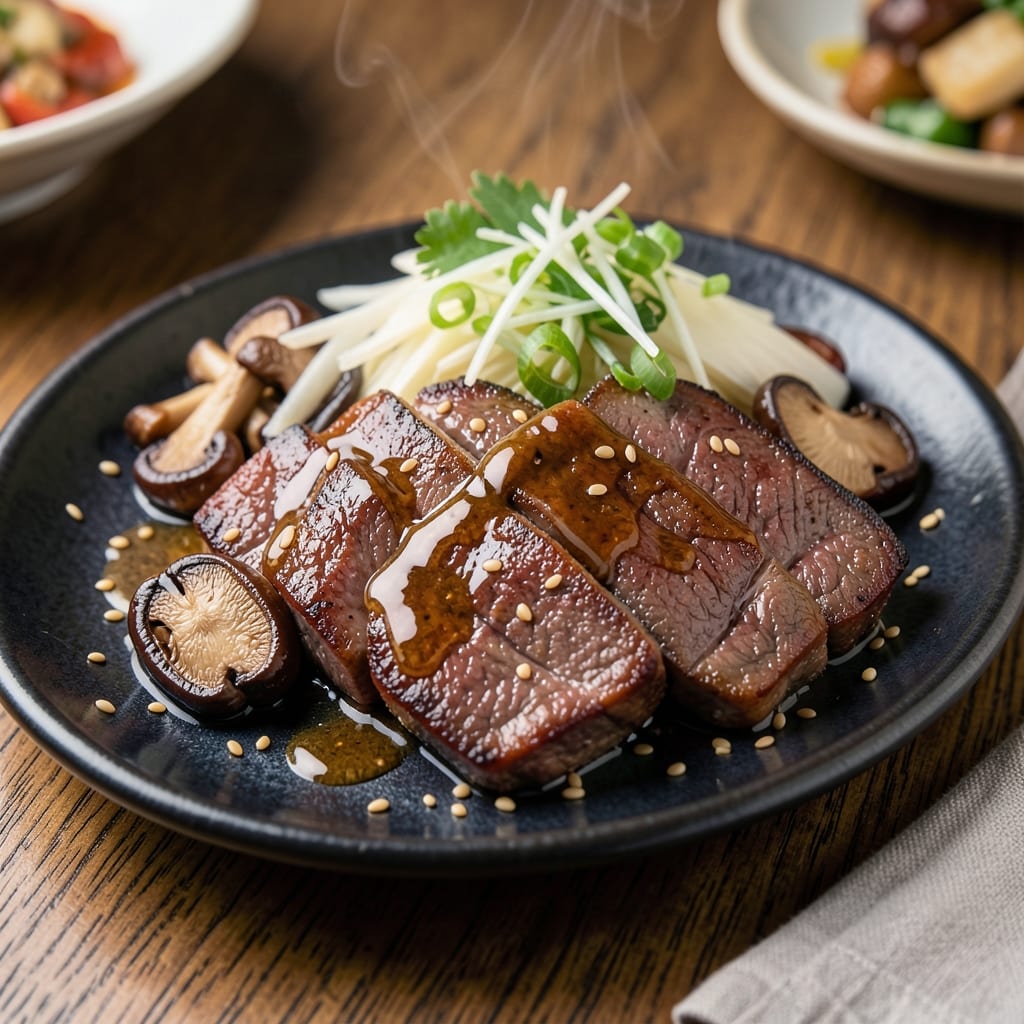
This Japanese beef liver recipe transforms a humble ingredient into a luxurious dish with a silky miso-butter glaze that balances umami and richness. After years of perfecting this technique—inspired by my grandmother's Sunday roast tradition—I've developed a method that ensures tender, melt-in-your-mouth texture every time. The key lies in precise timing and a harmonious blend of fermented miso and sweet butter.
What sets this recipe apart is the miso-butter glaze, which caramelizes beautifully while keeping the liver's natural tenderness intact. We'll start with thinly sliced beef liver, seared quickly to lock in juices, then finished with a luscious sauce that adds depth without overpowering. This dish is perfect for weeknight dinners when you want something special without the fuss.
The result is a restaurant-quality meal that's surprisingly simple to prepare—just 20 minutes of active time, plus a few minutes of resting. The silky texture and rich, savory-sweet glaze make it a standout dish that pairs beautifully with steamed rice and pickled vegetables. It's the kind of recipe that turns a simple ingredient into something extraordinary.
Whether you're serving this for a special occasion or treating yourself to a gourmet meal at home, the miso-butter glaze elevates the liver to new heights. The balance of flavors and textures makes it unforgettable, proving that even the most humble ingredients can shine with the right technique. Let's get cooking!
Ingredients for japanese beef liver
Precision-crafted ingredients for a luxurious Japanese beef liver dish with melt-in-your-mouth texture.
| Ingredient | Amount | Notes |
|---|---|---|
| Beef Liver 🥩 | 1 lb | Thinly sliced, 1/4-inch thick |
| Unsalted Butter 🧈 | 4 tbsp | European-style preferred |
| White Miso Paste 🍶 | 2 tbsp | Fermented, high-quality |
| Mirin 🍶 | 1 tbsp | Sweet rice wine |
| Sake 🍶 | 1 tbsp | Dry variety preferred |
| Soy Sauce 🥢 | 1 tbsp | Japanese-style preferred |
| Sesame Oil 🫒 | 1 tsp | Toasted, for finishing |
| Fresh Ginger 🧅 | 1 tbsp | Finely grated, fresh |
| Garlic Cloves 🧄 | 2 cloves | Minced, fresh |
| Neutral Oil 🫒 | 2 tbsp | Avocado or vegetable oil |
| Diamond Crystal Kosher Salt 🧂 | ½ tsp | Fine grain preferred |
| Black Pepper 🌶️ | ¼ tsp | Freshly ground |
| Steamed White Rice 🍚 | 1 ½ cups | Cooked, for serving |
| Pickled Vegetables 🥒 | 1 cup | For serving, optional |
The beef liver is the foundation—freshness and thickness matter most. Source from a trusted butcher or high-quality grocery store like Whole Foods or Trader Joe's, where the cuts are typically pre-sliced for consistency. Look for vibrant, deep-red liver with no yellowing or bruising, as these indicate freshness. If buying whole, slice it yourself to 1/4-inch thickness for even cooking. The miso paste should be white miso (shiro miso) for its sweet, mild profile, available at Asian markets or specialty stores like H Mart or Nijiya Market. For butter, European-style (like Plugrá or Kerrygold) melts more smoothly, creating that signature silky glaze.
No white miso? Red miso at half the amount works in a pinch, though the flavor will be bolder. Substitute mirin with 1 tsp sugar plus 1 tbsp water if unavailable, but the dish loses some depth. For a quicker prep, pre-minced garlic and ginger from jars (like Trader Joe's brand) save time without sacrificing flavor. The sesame oil is non-negotiable for finishing—toasted adds nutty aroma, while regular sesame oil lacks the same depth. If you're short on time, pre-grated ginger (from the same jarred garlic/ginger) works, but fresh is always superior. The neutral oil should have a high smoke point—avocado oil is ideal, but vegetable oil suffices.
Store prepped liver in an airtight container with a paper towel to absorb moisture for up to 2 days in the fridge. The miso-butter glaze can be made ahead and reheated gently—30 seconds in the microwave restores its silky texture. Leftover rice keeps for 4-5 days in the fridge, while pickled vegetables last up to 2 weeks. For a restaurant-quality dish, serve immediately after searing, as the glaze caramelizes best fresh. Portion the glaze into small containers for up to 3 months of freezer storage, thawing gently before reheating.
Why You'll Love This Recipe
- No-Fuss Pan Time: I swear by this recipe because it’s literally a one-pan miracle. Slice the liver thin, toss it in butter, miso, and sake, then let the broiler do the rest—no flipping, no stress, just golden edges and tender centers in under 20 minutes.
- Umami Bomb: That white miso paste? It’s the secret weapon—deep, salty-sweet richness that turns liver from "meh" to "oh hell yes." The mirin and sake add a bright, almost caramelized glow to the sauce, balancing the richness like a pro.
- Weeknight or Date Night: Honestly, this is my go-to when I’m too tired to fuss but still want something impressive. Serve it with steamed rice and quick pickles for a full meal, or drizzle it over noodles when I’m lazy. (Yes, even on a Tuesday night.)
- Budget Powerhouse: Beef liver is one of the most affordable protein sources out there, and this recipe stretches it further with the miso-butter sauce. Leftovers? Reheat them in a flash—the sauce clings to the liver like glue, so every bite tastes like the first.
Step-by-step instructions for Japanese beef liver with miso-butter glaze
This technique transforms delicate beef liver into a restaurant-worthy dish with a velvety miso-butter glaze.
Prepare the Liver for Even Cooking
Pat the 1 lb beef liver completely dry with paper towels—this ensures maximum surface contact for that perfect sear. Using a sharp chef's knife, slice the liver into ¼-inch thick pieces against the grain for uniform cooking. Arrange the slices on a plate and season immediately with 0.5 tsp Diamond Crystal kosher salt and 0.25 tsp black pepper, pressing gently to adhere.
Let the liver sit at room temperature for 15 minutes before cooking. This step prevents cold spots in the center and allows the seasoning to penetrate. Keep the slices separate so they cook evenly rather than sticking together.
Create the Miso-Butter Glaze Base
In a small saucepan, melt 2 tbsp white miso paste with 1 tbsp mirin, 1 tbsp sake, and 1 tbsp soy sauce over low heat. Stir constantly for 3-4 minutes until the mixture thickens slightly and becomes fragrant—you'll notice the aroma deepen as the miso develops its umami complexity. Remove from heat and set aside.
In a separate bowl, combine 4 tbsp unsalted butter with 1 tbsp finely grated fresh ginger and 2 cloves minced garlic cloves. This butter mixture will carry the glaze and add aromatic depth to each bite. Keep both mixtures at room temperature for smooth incorporation later.
Sear the Liver to Perfect Doneness
Heat 2 tbsp neutral oil in a large skillet over medium-high heat until shimmering. Add the liver slices in a single layer—don't overcrowd the pan—and cook for 1-2 minutes per side until they develop a deep golden-brown crust. The liver should be bright red inside when sliced—overcooking turns it gray and tough.
As the liver sears, add the butter-ginger-garlic mixture to the pan, tilting to coat the bottom. The butter will foam and sizzle—this is normal and indicates proper heat. After 30 seconds, remove the liver to a warm plate and reduce heat to medium-low. Pour in the miso glaze mixture and stir constantly for 1 minute until it thickens slightly.
Finish with Sesame Oil and Serve Immediately
Return the liver to the skillet and spoon the glaze over each piece, letting it coat evenly. Drizzle with 1 tsp toasted sesame oil and toss gently to incorporate. The liver should be silky on the inside with a glossy glaze on the outside—this indicates perfect doneness. Work quickly as the liver continues cooking from residual heat.
Serve immediately over 1.5 cups steamed white rice, garnished with 1 cup pickled vegetables for acidity. The contrast between the rich, umami glaze and the bright pickles creates a balanced bite. Each slice should be tender yet firm, with a glossy sheen from the miso-butter finish.
Pro Tips For Making Japanese Beef Liver
- Sear the Liver Fast: Beef liver turns rubbery if you linger on high heat—get it a deep golden crust in 60 seconds max, then pull it off. I learned this the hard way after a batch turned out tough; the butter’s smoke point drops fast, so keep the pan screaming hot and move the pieces around like you’re flipping pancakes.
- Soak Liver in Milk First: Skip the bitter edge by soaking slices in cold milk for 15 minutes before cooking. The acidity in liver reacts with the milk’s fat, mellowing the flavor—trust me, your taste buds will notice. (Yes, even if you’re impatient like me, don’t rush this.)
- Deglaze with Mirin-Sake Mix: After searing, splash in the mirin and sake all at once, then let it bubble for 30 seconds before adding miso. The alcohol burns off faster this way, and the sauce reduces to a glossy, umami-rich glaze instead of a thin, watery mess.
- Use Cold Butter for Finishing: Toss the cooked liver in cold unsalted butter at the end—it coats the slices evenly and keeps them from steaming. I was skeptical until I tried it; the butter melts just enough to seal in flavor without turning the liver greasy. (Your future self will thank you.)
Best sauces and condiments for this japanese beef liver
Miso-Butter Glaze
The star of this dish is the miso-butter glaze, where white miso paste provides deep umami flavor while European-style butter creates that signature silky texture. I always use Plugrá butter because its higher fat content melts more smoothly. The glaze begins with a simple reduction of mirin, sake, and soy sauce—these ingredients balance the richness of the butter with brightness and acidity. 🍶
For best results, make the glaze fresh but keep all components at room temperature before combining. The miso should be white miso (shiro miso) for its mild sweetness—red miso would overpower the delicate liver. If you can't find white miso, reduce the amount by half and use red miso instead. The glaze should coat the back of a spoon when finished, creating that glossy finish you see in high-end Japanese restaurants.
Sesame Oil Finish
No dish is complete without that final touch of toasted sesame oil. I use Kadoya toasted sesame oil because it has a richer, more complex flavor than regular sesame oil. Add it just before serving—this is when the magic happens. The nutty aroma and slight heat contrast beautifully with the sweet-savory glaze. Use 1 tsp per serving—any more can make the dish taste bitter.
For an extra layer of flavor, I sometimes add a pinch of flaky sea salt right after drizzling the sesame oil. This enhances the umami and creates a perfect balance of textures. The salt should be Diamond Crystal kosher salt—it dissolves smoothly without overpowering the dish.
Pickled Vegetables
Japanese cuisine relies on acidity to cut through richness, and pickled vegetables are perfect for this. I love using quick-pickled cucumbers and carrots with rice vinegar, sugar, and a pinch of salt. The bright acidity cleanses your palate between each rich bite of liver. For a more traditional touch, tsukemono-style pickles (like takuan or umeboshi) work beautifully too.
When serving, arrange the pickles on the side or sprinkle them directly on the rice. The contrast between the vibrant pickles and the rich, glossy liver creates a visually stunning dish that's as beautiful as it is delicious. If you're short on time, store-bought pickles from H Mart or Trader Joe's work just fine.
Ginger-Garlic Butter
The ginger-garlic butter is what elevates this dish from good to extraordinary. I always use freshly grated ginger and minced garlic because jarred versions lack the same depth of flavor. The butter should be unsalted—this allows you to control the seasoning perfectly. When the butter melts in the pan, it creates a fragrant aroma that infuses the liver with warmth and complexity.
For an extra touch, I sometimes add a pinch of red pepper flakes to the butter mixture—just ¼ tsp adds a subtle heat that pairs perfectly with the richness. If you're serving this to guests who don't like spice, skip it entirely or use white pepper for a milder kick. The butter should be room temperature when added to the pan to ensure even melting and distribution.
Nutrition facts
Frequently asked questions
Can I substitute chicken or pork liver for beef liver?
While chicken or pork liver will work, beef liver has a richer, more robust flavor that pairs perfectly with the miso-butter glaze. Chicken liver is leaner and cooks faster (1 minute per side), while pork liver has a slightly sweeter taste. Adjust cooking time accordingly—chicken liver is done at 145°F internal temp, while beef liver should remain bright red inside.
What if I don't have white miso paste?
Use red miso paste at half the amount (1 tbsp instead of 2 tbsp) for a bolder flavor. Alternatively, mix 1 tbsp white miso with 1 tsp soy sauce to mimic the umami depth. For a quick substitute, blend 1 tbsp tahini with ½ tsp sugar and ½ tsp rice vinegar—though it won't be as authentic.
How do I fix liver that's overcooked and gray?
Overcooked liver loses its tender texture and develops a metallic taste. If this happens, slice it thinly and serve immediately with extra pickled vegetables to cut the bitterness. For next time, use a meat thermometer—beef liver is perfect at 135°F internal temp (bright red) or 140°F (medium). Never exceed 145°F, as it turns gray and tough.
Can I make this recipe ahead of time?
The liver must be cooked fresh for best texture, but you can prep components ahead: Make the miso glaze (1 day ahead) and store it in the fridge, reheating gently. Slice the liver and season it up to 4 hours ahead, but keep it uncovered in the fridge to prevent sogginess. The ginger-garlic butter can be mixed 1 day ahead and stored in the fridge. Assemble everything just before serving.
What's the best way to store leftovers?
Store cooked liver in an airtight container with a paper towel to absorb moisture for up to 2 days in the fridge. Reheat gently in a skillet with 1 tsp butter over low heat for 1-2 minutes—never microwave, as it makes the glaze greasy. The glaze can be frozen separately for 3 months and reheated with a splash of water to restore its silky texture.