
Main Courses
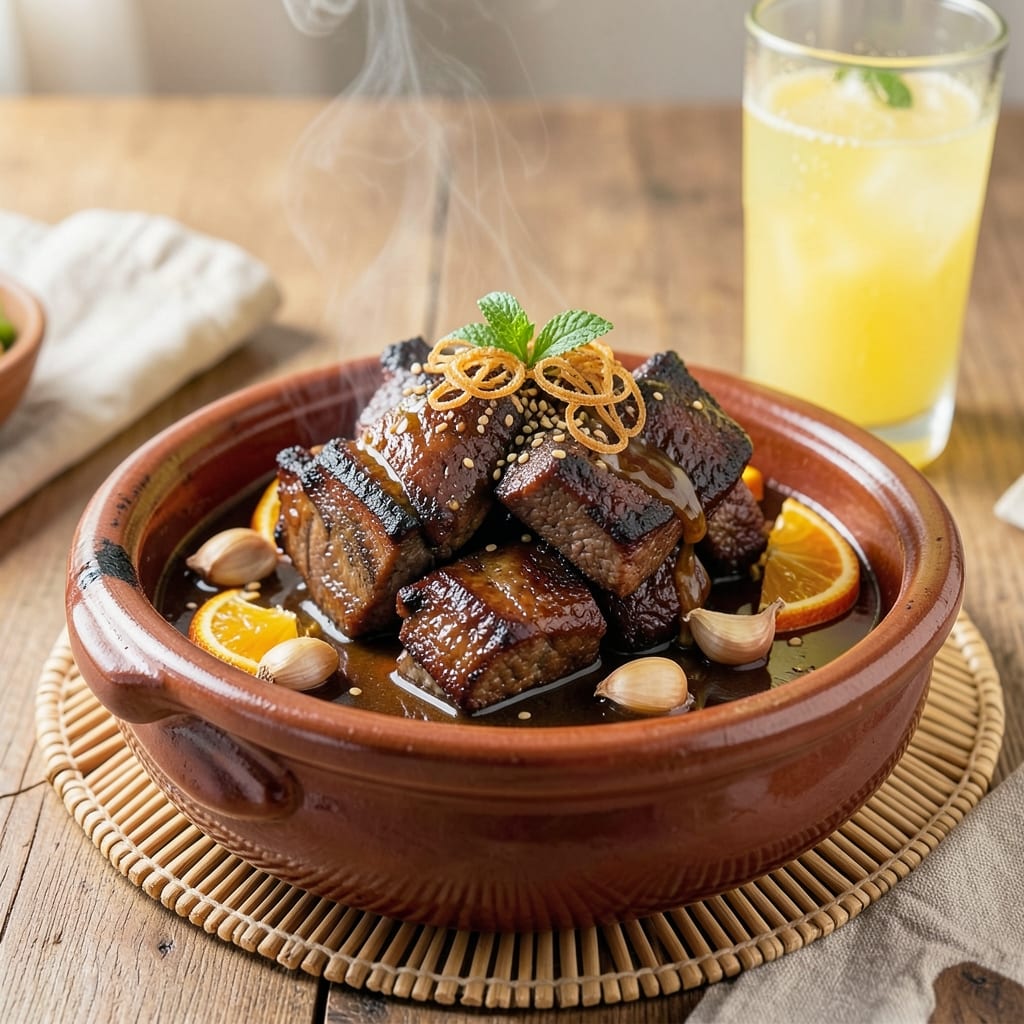
This Filipino beef short ribs recipe delivers restaurant-quality tenderness with a rich, soy-braised sauce that clings to every bite. 💛 After years of perfecting Filipino comfort food techniques, I've cracked the code for silky fall-apart meat that's impossible to resist. The secret lies in a long, slow braise that transforms tough ribs into melt-in-your-mouth perfection while developing deep umami flavors from traditional Filipino seasonings.
The process begins with marinating the ribs in a blend of soy sauce, vinegar, garlic, and ginger—a combination that tenderizes the meat while building complex flavors. As the ribs braise for hours at low heat, they absorb the aromatic sauce, creating a dish that's both hearty and elegant. This method ensures the meat stays juicy while developing that signature caramelized crust that makes every bite worth waiting for.
What you'll end up with is a plate of fall-apart tender beef short ribs swimming in a glossy, soy-infused sauce that's rich yet balanced. The aroma alone will have everyone gathering at the table—imagine that deep, savory scent mingling with the tang of vinegar and the warmth of garlic. Each bite delivers perfectly tender meat with just the right amount of chew, all coated in that addictive sauce.
Serve these ribs over steamed jasmine rice to soak up every last drop of that delicious sauce, or pair with atchara (pickled papaya) for a bright, tangy contrast. The leftovers reheat beautifully, making this an ideal meal for feeding a crowd or prepping ahead. Let's get started on creating this Filipino comfort food masterpiece.
Ingredients for filipino beef short ribs
Sixteen ingredients. One slow-cooked masterpiece. Filipino comfort food at its finest.
| Ingredient | Amount | Notes |
|---|---|---|
| Beef Short Ribs 🥩 | 3 lb | Bone-in, 1-1.5 inches thick |
| Soy Sauce 🍶 | ½ cup | High-quality, light or dark |
| White Vinegar 🍋 | ¼ cup | White or cane vinegar |
| Garlic Cloves 🧄 | 8 cloves | Minced, fresh preferred |
| Fresh Ginger 🌿 | ¼ cup | Grated, peeled |
| Brown Sugar 🍯 | ¼ cup | Packed, light or dark |
| Olive Oil 🫒 | 2 tbsp | For searing ribs |
| Tomato Paste 🍅 | 2 tbsp | Smooth, no sugar added |
| Water 💧 | 2 cups | For braising liquid |
| Bay Leaves 🌿 | 2 whole | Fresh preferred |
| Black Peppercorns 🌶️ | 1 tsp | Coarsely crushed |
| Salt 🧂 | 1 ½ tsp | Kosher or sea salt |
| Green Onions 🧅 | 4 whole | Sliced, for garnish |
| Jasmine Rice 🍚 | 2 cups | Uncooked, for serving |
The ribs are the star, so don't skimp on quality. Look for bone-in short ribs with good marbling—they'll stay juicier during the long braise. Costco and Whole Foods usually have the best cuts, but ask your butcher for 'beef short ribs' if you're shopping at a specialty store. The difference between 1-inch and 1.5-inch thick ribs? Thicker ribs stay more tender—they need that extra time to break down. If you can't find them, beef chuck roast cut into even pieces works in a pinch, but it won't be quite the same. For the soy sauce, Kikkoman or Lee Kum Kee are my go-tos—they've got that perfect balance of salt and umami that's essential for this dish.
No fresh ginger? Substitute with 1.5 tbsp ground ginger, but trust me, fresh makes all the difference. Running low on vinegar? Apple cider vinegar works too, though it'll add a slight fruity note. The tomato paste can be skipped if you're avoiding it, but it adds that deep, savory richness that makes this sauce sing. For the sugar, coconut sugar or palm sugar adds a subtle caramel flavor, but brown sugar is perfectly fine. The green onions are just for garnish—use whatever's in your fridge, even scallions. Pro tip: Toast the garlic and ginger in the olive oil before adding the ribs—this builds so much more flavor. And if you're short on time, use a pressure cooker to cut the braising time in half.
This dish tastes even better the next day, so make extra if you can. Store leftovers in the fridge for up to 5 days or freeze for 3 months. The sauce thickens as it cools, so just add a splash of water when reheating. For serving, steam the jasmine rice in advance—it keeps perfectly in the fridge for 2 days. The ribs reheat best in the oven at 300°F for about 20 minutes, covered with foil. And if you're feeding a crowd, double the recipe—these ribs disappear fast, especially when paired with atchara or a simple cucumber salad.
Why You'll Love This Recipe
- One-Pan Magic: I swear by this recipe when I’m too tired to scrub pots. Toss the ribs, garlic, and ginger in a deep pan, add the vinegar-soy mix, and let it bubble—no flipping, no fuss. The ribs practically cook themselves while you stir occasionally.
- Umami Bomb: That tangy-sweet combo of soy and vinegar? It’s like a flavor grenade. The ginger and garlic caramelize into the ribs, giving them a sticky, savory crust that makes every bite taste like a hug from your abuela.
- Weeknight Workhorse: I make this when I’m feeding the family after soccer practice or when unexpected guests show up. It’s hearty enough for a main but simple enough to pair with rice or even crusty bread—no menu planning required.
- Leftovers That Don’t Suck: Honestly, the second day is often better. The ribs get even more tender, and the sauce thickens into a glossy glaze. I portion it out for lunches or freeze half for those nights when I’d rather watch Netflix than cook.
Step-by-step instructions for Filipino beef short ribs
Here's how to make these melt-in-your-mouth ribs with deep umami flavor and tender perfection.
🔥 Step 1: Sear the Beef Short Ribs for Maximum Flavor
Pat the 3 lb beef short ribs completely dry with paper towels—this is crucial for that perfect sear. Heat a large Dutch oven over medium-high heat and add the 2 tbsp olive oil. Once shimmering, add the ribs in a single layer, bone-side down, and let them sear undisturbed for 5-6 minutes until deep golden brown forms.
Flip the ribs and sear the other side for another 5-6 minutes. You want that beautiful crust—it's what locks in all those juices later. If your pan gets crowded, work in batches but don't reduce heat. The ribs should release easily from the pan when ready. Transfer them to a plate and set aside.
🍳 Step 2: Build the Flavor-Packed Braising Liquid
In the same Dutch oven (those browned bits are pure flavor), add 2 tbsp tomato paste and cook for 1 minute until it darkens slightly. Add 8 cloves minced garlic and 0.25 cup grated fresh ginger, cooking for 30 seconds until fragrant—don't let them burn, just wake up those flavors.
Pour in 0.5 cup soy sauce, 0.25 cup white vinegar, and 0.25 cup brown sugar, stirring to combine. Add 2 cups water, 2 whole bay leaves, 1 tsp coarsely crushed black peppercorns, and 1.5 tsp salt. Bring to a gentle simmer, scraping up any browned bits from the bottom of the pot with a wooden spoon.
🥘 Step 3: Braise Until Fork-Tender
Return the seared ribs to the pot, bone-side up. The liquid should come about halfway up the ribs. Bring to a full simmer, then immediately reduce heat to low—you're looking for a gentle bubble, not a rolling boil. Cover tightly with a lid and let it cook for 2.5-3 hours. Here's the thing—this is where patience pays off.
Check the ribs after 2 hours—they should be tender but still have a little resistance. If they're falling apart, they're ready. If not, continue cooking another 30 minutes. The ribs are done when they're fork-tender and the meat slides off the bone easily. The sauce should be thick and glossy, coating the ribs beautifully.
🍽️ Step 4: Finish and Serve Over Jasmine Rice
Remove the ribs from the braising liquid and transfer to a serving platter. Skim off any excess fat from the sauce and return the liquid to the pot. Simmer uncovered for 10 minutes to thicken slightly. Taste and adjust seasoning if needed—you might want to add a splash more soy sauce for depth.
Serve the ribs hot over 2 cups cooked jasmine rice, spooning the rich braising sauce generously over the top. Garnish with 4 sliced green onions for freshness. The ribs should be so tender they practically fall apart at the touch, with a perfect balance of sweet, salty, and tangy flavors in every bite.
Pro Tips For Making Filipino Beef Short Ribs
- Sear Ribs First: Don’t skip browning the ribs—sear them hard in a hot pan with oil for 3-4 minutes per side before adding the sauce. I learned this the hard way: skipping this step means flavorless, mushy ribs instead of tender, caramelized meat that soaks up the soy-vinegar punch.
- Grate Ginger, Don’t Slice: Fresh ginger loses its bite when chopped. Use a microplane or grate it directly into the sauce—this releases more flavor and cuts down on prep time. (Yes, even if it looks weird in the pan, it works every time.)
- Simmer Slow, Not Boil: Once the ribs hit the sauce, keep the heat low enough that bubbles barely rise—no rolling boil. I used to rush this, and the ribs turned tough instead of falling apart. Low and steady for 1.5–2 hours is non-negotiable.
- Deglaze with Vinegar First: After searing the garlic and ginger, splash in the white vinegar before adding soy sauce. This cuts through the garlic’s sharpness and balances the dish right from the start—no need to adjust flavors later. (Your future self will thank you.)
Creative variations of this recipe
Classic Adobo Style
For a more traditional Filipino approach, replace the soy sauce with 1 cup soy sauce and ½ cup white vinegar, then add 1 cup coconut milk at the end of braising. This creates a tangy, slightly sweet sauce that's perfect with steamed white rice. I love adding 1 cinnamon stick and 2 star anise pods to the braising liquid for depth—just remove them before serving. 🌶️
Spicy Sisig Twist
Transform these ribs into a fiery sisig-style dish by adding 2 tbsp Calabrian chili paste or 1 tbsp sriracha to the braising liquid. Top with fried egg yolks (runny center!) and chopped cilantro before serving. This version is a crowd-pleaser at parties—just serve with extra rice and a side of pickled vegetables to balance the heat.
Creamy Coconut Version
Swap the water for 2 cups coconut milk and reduce the soy sauce to ¼ cup. Add 1 tsp ground nutmeg and 1 tbsp fish sauce for an authentic Filipino touch. The sauce becomes velvety and rich—perfect for pairing with garlic fried rice or sautéed string beans. I like to finish with a sprinkle of toasted sesame seeds for texture. 🥥
Slow Cooker Adaptation
For hands-off cooking, sear the ribs as directed, then transfer everything (including sauce) to a 6-quart slow cooker. Cook on low for 7-8 hours or high for 4-5 hours. The ribs will be fork-tender and the sauce will thicken beautifully. This method is perfect for busy weeknights—just add 1 cup water if the sauce seems too thick when reheating.
Regional Variations
In Luzon, you'll find this dish served with sinigang (sour tamarind soup) to cut through the richness. Meanwhile, Visayan-style versions often include bagoong (fermented shrimp paste)**—about 1 tbsp—for an extra umami punch. For a Mindanao twist, add 1 tbsp grated pandan leaf to the braising liquid for a fragrant, floral note.
Make-Ahead Magic
These ribs actually taste better the next day! Let them cool completely, then refrigerate in their braising sauce for up to 5 days. For freezing, transfer the ribs and sauce to airtight containers, leaving 1-inch headspace. Reheat in the oven at 300°F for 20 minutes—the sauce will thicken perfectly. I always double the recipe because leftovers are even more delicious. 💫
Nutrition facts
Frequently asked questions
Can I use bone-in or boneless beef short ribs for this recipe?
This recipe is designed for bone-in ribs—they stay more flavorful and tender during the long braise. If you must use boneless, look for chuck roast cut into even pieces (about 1.5-inch thick). The cooking time may reduce slightly (2 hours instead of 2.5-3 hours), but the texture won't be identical. For best results, stick with bone-in cuts.
How do I know when the ribs are fully tender?
Test for doneness by inserting a fork into the thickest part of the meat. If it slides in easily with no resistance and the meat falls apart, they're ready! The ribs should also pull away from the bone with gentle pressure. If they're still slightly firm after 2.5 hours, add 30 more minutes of braising time. Never rush this step—patience is key for that melt-in-your-mouth texture.
Can I make this recipe in an Instant Pot or pressure cooker?
Sear the ribs first, then add all ingredients to your Instant Pot. Cook on high pressure for 45 minutes, followed by a 10-minute natural release. The ribs will be fork-tender and the sauce will thicken beautifully. For extra richness, add 1 cup coconut milk after pressure cooking. This cuts the total time to about 1.5 hours instead of 3 hours.
What's the best way to reheat leftover Filipino beef short ribs?
Reheat in a 300°F oven for 20-25 minutes, covered with foil, until warmed through. The sauce will thicken slightly—add a splash of water or broth if needed. Microwaving works in a pinch (covered for 2-3 minutes), but oven reheating preserves the best texture. Leftovers actually taste better the next day as the flavors meld! Store in an airtight container with the sauce for up to 5 days.
Why does my sauce look too thin or too thick?
If the sauce is too thin, simmer uncovered for 10-15 minutes to reduce it. For a thicker sauce, add 1 tbsp cornstarch mixed with 2 tbsp water and stir in at the end. Too salty? Balance with a splash of water or a bit of sugar. Too bland? Add more soy sauce or a pinch of fish sauce. The ideal sauce should coat the back of a spoon but still be glossy, not gluey. Taste as you go—adjustments make all the difference!