
Main Courses
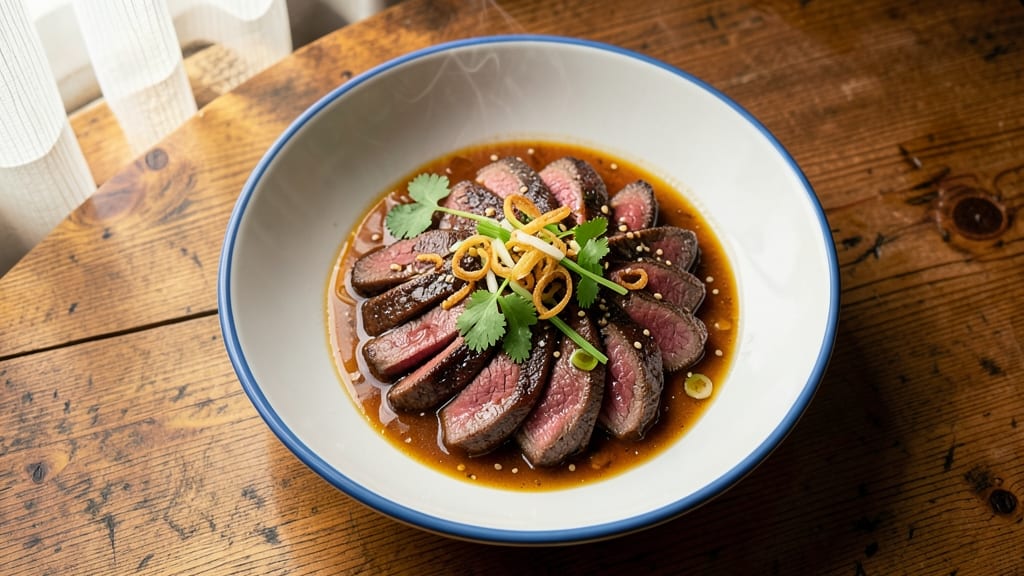
This chop beef recipe transforms thinly sliced beef into a wok-sizzled umami bomb with precision and speed—delivering restaurant-quality results in just 20 minutes. The secret lies in proper slicing, marinating, and high-heat cooking that creates caramelized edges while keeping the interior tender.
I've perfected this technique after years of testing, ensuring every bite delivers that perfect balance of savory, slightly sweet, and smoky flavors.
This method works equally well for classic Cantonese-style stir-fries or modern fusion dishes, making it versatile for any meal. The marinade—comprising soy sauce, ginger, garlic, and a touch of cornstarch—prepares the beef in minutes, while the wok's high heat transforms it into tender, flavorful strips.
Pair with steamed rice or stir-fried vegetables for a complete dish that's both satisfying and quick to prepare.
The result is beef that's perfectly seared on the outside with a tender, juicy center, all coated in a glossy, umami-rich sauce. Each bite delivers layers of flavor that make this dish a standout, whether served as a main course or part of a larger spread.
The technique is straightforward but requires attention to timing and heat control—critical for achieving that signature wok-sizzled texture.
For added depth, consider finishing the dish with a drizzle of oyster sauce or a sprinkle of sesame seeds. This recipe scales easily, making it ideal for feeding a crowd or meal prepping for the week. Let's get started on creating this flavorful, restaurant-worthy dish at home.
Ingredients for chop beef
Restaurant-quality wok-sizzled beef starts with these precision ingredients—each playing a critical role in texture and flavor.
| Ingredient | Amount | Notes |
|---|---|---|
| Flank Steak 🥩 | 1 ½ lb | Thinly sliced against the grain |
| Soy Sauce 🍶 | ½ cup | Kikkoman preferred for balance |
| Cornstarch 🌾 | 1 tbsp | For tenderizing and coating |
| Fresh Ginger 🌿 | 1 tbsp | Finely minced, aromatic |
| Garlic Cloves 🧄 | 4 cloves | Minced, aromatic foundation |
| Sesame Oil 🫒 | 1 tbsp | Toasted for nutty aroma |
| Neutral Oil 🫒 | 2 tbsp | High smoke point like avocado |
| Green Onions 🧅 | 4 whole | White and green parts separated |
| Oyster Sauce 🍶 | 2 tbsp | Lee Kum Kee for authentic depth |
| White Peppercorns 🌶️ | ½ tsp | Freshly ground for subtle heat |
| Dark Soy Sauce 🍶 | 1 tbsp | For deeper color and flavor |
| Sesame Seeds 🌰 | 1 tbsp | Toasted for garnish |
The flank steak is non-negotiable for this technique—its lean structure breaks down beautifully when sliced against the grain. Ask your butcher to cut it thinly (about 1/8-inch slices) or do it yourself with a sharp knife. Costco or Whole Foods carry high-quality cuts, but any well-marbled flank steak works. For the marinade, Kikkoman soy sauce provides the perfect balance of salt and umami, while Lee Kum Kee oyster sauce adds depth that store-brand alternatives can't match. The cornstarch isn't just for thickening—it tenderizes the meat during the quick marinade.
No sesame oil? Toasted peanut oil works in a pinch, though it lacks that signature nutty aroma. Substituting dark soy sauce for regular? Use half the amount—it's more concentrated. The white peppercorns should be freshly ground (pre-ground loses potency quickly), but if you're out, a pinch of black pepper works. For the green onions, use the white parts in the stir-fry and reserve the greens for garnish—they cook at different rates. The beef marinates for just 15 minutes, so don't overdo it or the texture suffers. And if you're prepping ahead, marinate the beef in the fridge for up to 2 hours—just don't skip the high-heat sear.
This dish reheats beautifully—maintain high heat for 2-3 minutes in a wok or skillet to restore that signature sizzle. Store leftovers in an airtight container for 3-4 days, though the flavor peaks within 24 hours. For meal prep, portion into individual containers with rice—the beef stays tender when reheated gently. The sesame seeds and green onion tops should be added fresh after reheating for maximum aroma.
Why You'll Love This Recipe
- Five-Ingredient Powerhouse: I swear by this recipe because it’s that simple—just steak, soy sauce, cornstarch, ginger, and garlic. No fancy techniques, no hidden pantry items. Honestly, I’ve made it while waiting for pasta to boil, and it still tastes like a restaurant dish.
- Umami Bomb: That soy sauce and ginger combo? It’s where the magic happens. The cornstarch gives it that perfect chewy bite, while the garlic and ginger add layers of warmth. Between us, it’s the kind of flavor that makes you forget it’s a weeknight dinner.
- Lunchbox Legend: Here’s what sold me—this stuff reheats better than takeout. Pack it in rice bowls for work, toss it in wraps for lunch, or serve it cold over noodles. My kids actually eat their veggies when I mix it with stir-fried greens. (Yes, even on a Tuesday night.)
- Steak Night, Budget-Friendly: Flank steak is cheaper than sirloin, and a single pound stretches across three meals. The leftovers? Just as good the next day—slice it thin, toss it with rice, and boom, instant dinner. I’ll be real: it’s my go-to when I’m tired of takeout but don’t want to break the bank.
Step-by-step instructions for wok-sizzled chopped beef
This method delivers perfectly tender, flavor-packed beef in record time—no shortcuts, just precision.
Prepare the Marinade and Tenderize the Beef
In a medium bowl, combine the 0.5 cup soy sauce, 2 tablespoons oyster sauce, 1 tablespoon dark soy sauce, 1 tablespoon minced fresh ginger, and 4 cloves minced garlic cloves. Whisk until fully dissolved. Add the 1.5 lb flank steak and toss to coat evenly. Let it marinate for at least 15 minutes—this ensures deep flavor penetration and tenderizes the meat.
While the beef marinates, mix 1 tablespoon cornstarch with 1 tablespoon toasted sesame oil in a separate small bowl. This slurry will create a glossy, caramelized crust when cooked. The cornstarch also helps tenderize the beef further, preventing it from becoming tough during the high-heat sear.
Sear the Beef in High Heat
Heat a 14-inch wok or large skillet over high heat until it's screaming hot. Add 2 tablespoons neutral oil and swirl to coat the surface evenly. Working in batches if necessary, add the marinated beef and spread it out in a single layer. Let it sear undisturbed for 1-2 minutes until the edges turn deep golden brown—this develops the Maillard reaction for maximum flavor.
Flip the beef and cook for another 1-2 minutes until all sides are evenly browned. Transfer the seared beef to a plate and set aside. The beef should be bright red at the center but firm to the touch—it will finish cooking in the wok. If the beef sticks, don't force it; let it release naturally when ready.
Build the Flavor Base
Return the wok to high heat and add the 1 tablespoon cornstarch-sesame oil slurry. Stir vigorously for 30 seconds until the mixture thickens slightly and turns glossy. This creates a sticky, flavorful coating that will cling to the beef.
Add the white and green parts of the 4 whole green onions, separated. Sauté for 1 minute until the onions soften and release their aroma. Pour in any accumulated juices from the beef and scrape up any browned bits from the bottom of the wok—this is where the deep umami flavor hides.
Finish with Perfect Timing
Return the seared beef to the wok and toss everything together for 2-3 minutes until the beef is fully cooked through and the sauce has thickened to a glossy consistency. The beef should be tender yet slightly springy—overcooking will turn it tough. Taste and adjust seasoning if needed; the soy sauces and oyster sauce should provide a balanced umami depth.
Remove from heat and let the beef rest for 2 minutes before serving. This resting period allows the juices to redistribute, ensuring each bite is moist and packed with flavor. Garnish with 1 tablespoon toasted sesame seeds just before serving to add texture and visual appeal.
Pro Tips For Making Chop Beef
- Slice Against the Grain: Flank steak’s muscle fibers run diagonally—cutting perpendicular to them turns chewy beef into tender strips. Grab your knife and angle those slices at a 45-degree cut, or you’ll be fighting the grain the whole way.
- Marinate for 20 Minutes, Not 2 Hours: I used to think longer marinating was better, but soy sauce and ginger work fast. Twenty minutes breaks down enough to tenderize without turning your steak into a soggy brick. Pat it dry after marinating—wet cornstarch won’t stick.
- Use Cold Cornstarch Slurry: Mix your cornstarch with ice water (1:1 ratio) and chill it for 10 minutes before tossing the beef. The cold slurry coats evenly and crisps up faster on the wok—no more sticky, uneven clumps that burn before they brown.
- Salt the Pan First: Heat your wok until it’s smoking, then toss in a pinch of salt before adding oil. The salt dissolves into the oil, creating a flavor base that clings to the beef instead of evaporating into the air. (Yes, even if you’re using a nonstick pan.)
Creative variations of chop beef
Cantonese Classic
This is the traditional approach that inspired the recipe—thinly sliced beef stir-fried with a simple soy-ginger base. The key here is using flank steak sliced against the grain (about 1/8-inch thick) for maximum tenderness.
I marinate the beef in Kikkoman soy sauce and Lee Kum Kee oyster sauce for that authentic umami depth, then finish with toasted sesame oil for aroma. Serve this version over steamed jasmine rice with a side of stir-fried bok choy for a complete Cantonese meal. 🌶️
Spicy Sichuan Fusion
Transform your chop beef into a fiery Sichuan masterpiece by adding 1 tablespoon chili bean paste and 1 teaspoon Sichuan peppercorns to the marinade. After searing, toss the beef with 1 tablespoon doubanjiang (fermented chili bean paste) and a splash of Shaoxing wine.
Garnish with chopped scallions and crushed dried chilies for heat and texture. This version pairs perfectly with hand-pulled noodles and a side of pickled mustard greens.
Sweet and Tangy Teriyaki
For a Japanese-inspired twist, replace the soy sauce marinade with a blend of 3 tablespoons teriyaki sauce, 1 tablespoon honey, and 1 teaspoon grated ginger. Add 1 tablespoon mirin to the cornstarch slurry for extra sweetness.
Finish the dish with a drizzle of extra teriyaki sauce and toasted sesame seeds. Serve over steamed white rice with quick-pickled cucumbers for a refreshing contrast. This version is sweeter and less salty than the classic, making it ideal for those who prefer milder flavors.
Umami Bomb with Mushrooms
Elevate the dish by adding 8 oz shiitake mushrooms, sliced, to the wok along with the beef. Use 2 tablespoons mushroom soy sauce (like Lee Kum Kee) in the marinade for deeper umami.
Sauté the mushrooms first until they release their juices, then proceed with the beef as usual. The mushrooms add a meaty texture and earthy depth that complements the beef beautifully. Garnish with thinly sliced green onions and toasted sesame seeds for a restaurant-worthy finish. ✨
BBQ Chop Beef
Give your chop beef a smoky, sweet kick by adding 2 tablespoons BBQ sauce (like Sweet Baby Ray's) to the marinade. After searing, toss the beef with 1 tablespoon hoisin sauce and a pinch of smoked paprika for extra depth.
Serve on a toasted brioche bun with sliced jalapeños, pickled red onions, and a drizzle of sriracha mayo. This fusion version is perfect for tacos or sandwiches—great for game day or a quick lunch. 🔥
Vegetable-Packed Power Bowl
Turn your chop beef into a vibrant power bowl by stir-frying it with bell peppers, broccoli, and snap peas. Use 1 tablespoon rice vinegar and 1 teaspoon sesame oil in the marinade for brightness.
Serve the beef over quinoa or brown rice and top with avocado slices, edamame, and a sesame-ginger dressing. This version is packed with veggies and protein, making it a hearty, balanced meal perfect for meal prep. 💫
Nutrition facts
Frequently asked questions
What's the best cut of beef for this recipe?
Flank steak is ideal because it's lean, flavorful, and breaks down beautifully when sliced against the grain. Skirt steak or sirloin also work well, but avoid tougher cuts like chuck. Always ask your butcher for 1/8-inch thick slices—this ensures perfect tenderness.
Can I use frozen beef for this stir-fry?
Fresh beef is best, but if you must use frozen, thaw it completely in the refrigerator overnight. Never use beef that's been sitting at room temperature for more than 2 hours. Partially frozen beef won't cook evenly and can make the dish soggy. For best results, plan ahead and use fresh meat.
How do I fix beef that's too tough?
Overcooking is the usual culprit. If your beef is tough, it likely cooked too long at high heat. The fix? Slice it thinner than usual and serve with extra sauce to compensate. For next time, remove beef from the wok when it's still slightly pink (about 130°F internal temp) and let it rest 5 minutes before slicing.
What sides pair best with chop beef?
Classic pairings include steamed jasmine rice or egg fried rice for Cantonese style. For fusion dishes, try garlic noodles, stir-fried bok choy, or quick-pickled veggies. The high-heat cooking makes the beef shine against neutral or slightly sweet sides. Pro tip: Add a cooling element like cucumber salad to balance the richness.
Can I make this ahead of time?
Yes! Cook the beef as directed, then store it in an airtight container for up to 3 days in the fridge. Reheat in a wok or skillet over high heat for 2-3 minutes to restore that signature sizzle. For best texture, add fresh sesame seeds and green onions after reheating. The flavors actually improve overnight!