
Sauces & Condiments
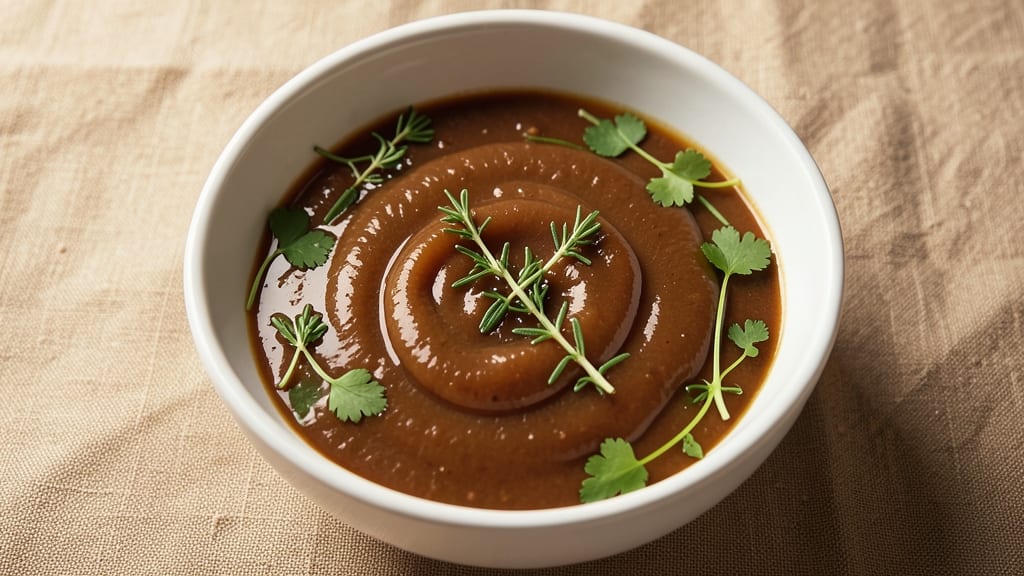
Transforming a simple can of Campbell’s beef broth into a rich, velvety gravy takes just 10 minutes and elevates any meal from ordinary to extraordinary. The secret lies in a smooth cornstarch slurry that thickens the broth without altering its deep, savory flavor—no roux required.
I’ve perfected this method over countless weeknight dinners, and it’s become my go-to for turning pan drippings into something restaurant-worthy.
This gravy starts with a foolproof thickening technique that guarantees a glossy, cling-coat finish without lumps. A splash of Worcestershire sauce adds umami depth, while fresh herbs like thyme or parsley brighten the richness.
The beauty of this recipe is its versatility—it works equally well drizzled over mashed potatoes, poured over roasted meats, or even as a dipping sauce for crusty bread.
What you’ll end up with is a silky-smooth gravy that’s effortlessly elegant, with just the right balance of saltiness and savory warmth.
The cornstarch slurry binds the broth into a luxurious consistency that clings to every bite, while the optional variations—like sautéed mushrooms or cracked black pepper—let you customize it to your taste. This is comfort food at its finest, and it’s ready in the time it takes to boil water.
Best of all, this gravy keeps well in the fridge for up to 5 days, making it perfect for meal prep. Double the batch and store it for quick weeknight dinners—your family will never guess it’s this simple to make. Let’s get cooking!
Ingredients for campbell's beef broth gravy
Nine simple ingredients transform basic beef broth into restaurant-worthy gravy in minutes.
| Ingredient | Amount | Notes |
|---|---|---|
| Campbell's Beef Broth 🍲 | 4 cups | Low-sodium preferred for control |
| Cornstarch 🌾 | 2 tbsp | For smooth, lump-free thickening |
| Cold Water 💧 | ½ cup | Essential for slurry activation |
| Worcestershire Sauce 🍶 | 1 tbsp | For umami depth |
| Fresh Thyme Leaves 🌿 | 1 tsp | Or 0.25 tsp dried thyme |
| Fresh Parsley Chiffonade 🌿 | 1 tbsp | For vibrant freshness |
| Unsalted Butter 🧈 | 2 tbsp | Optional for richness |
| Diamond Crystal Kosher Salt 🧂 | ½ tsp | Adjust to taste |
| Freshly Cracked Black Pepper 🌶️ | ¼ tsp | For subtle heat |
| Pan Drippings 🍖 | ½ cup | From roasted meat or veggies |
Start with Campbell's low-sodium beef broth—it gives you more control over seasoning. The cornstarch slurry is non-negotiable for that silky texture; mix it with cold water first, then whisk into the hot broth to prevent lumps. For the fresh herbs, Whole Foods or local markets have the best quality, but even the grocery store stuff works if it's vibrant. I always grab extra thyme because it dries out faster than parsley. The pan drippings? Don't toss them—those are flavor gold, especially after roasting chicken or beef.
No Worcestershire? Soy sauce or fish sauce at half the amount works in a pinch. Short on fresh herbs? Dried thyme and parsley at one-third the quantity still add depth. Want extra richness? Add 1 tbsp of beef tallow or olive oil instead of butter. The butter's optional but worth it for that velvety finish—trust me, your gravy will thank you. For a deeper flavor, deglaze the pan with a splash of red wine before adding drippings to the broth.
This gravy reheats beautifully—just warm on the stove with a splash of water or broth. Keeps for 5 days in the fridge, or 3 months frozen in ice cube trays for single servings. Double the batch and freeze half; you'll be glad you did when you're scrambling for last-minute dinner fixes. The slurry trick works for any broth, so keep this method in your back pocket for chicken, vegetable, or even seafood gravies.
Why You'll Love This Recipe
- Here’s what sold me: I can make a double batch, let it cool, and it keeps for weeks in the fridge. Thin it with a splash of water or milk later, and it’s still rich and velvety. I’ve reheated this gravy after freezing it for two months—yes, really—and it didn’t curdle or taste sad. That’s reliability.
- Pantry Magic: I swear by this—no fresh herbs? No problem. The Campbell’s broth and Worcestershire already pack enough umami depth, but tossing in those thyme leaves (even if they’re wilted from the fridge) takes it from "good" to "I’d eat this with a spoon." The cornstarch slurry? Two minutes of stirring, and boom—silky texture without the fuss of roux burns.
- Weeknight Hero: Between us, this is the gravy I make when I’m staring at a half-empty fridge at 6:47 PM. Dump the broth, whisk the slurry, simmer—done. It turns sad mashed potatoes into a meal, or drizzled over steak strips for my kids’ "fancy dinner" night. Honestly, I’ve used it to revive cold roast beef leftovers, and no one’s ever questioned me.
- Budget Staple: I buy Campbell’s broth in the big can for $1.50, and that one can stretches across three meals—gravy, soup base, even a quick pan sauce. The Worcestershire adds that restaurant-worthy punch without breaking the bank, and thyme? A single bunch lasts me months. This is the kind of recipe that makes me feel like I’m feeding a crowd without emptying my wallet.
Step-by-step instructions for Campbell's beef broth gravy
This velvety gravy comes together faster than you can say "pan drippings."
Create the Cornstarch Slurry
In a small bowl, whisk together the 2 tablespoons cornstarch and ½ cup cold water until completely smooth. This slurry is your thickening secret weapon—it dissolves instantly in hot liquids to create a glossy, lump-free finish. The cold water prevents the cornstarch from activating prematurely, giving you full control over the thickening process.
Let the mixture sit for 1 minute while you prepare the pan. This brief pause ensures the slurry reaches room temperature, which helps it blend seamlessly into the hot broth without creating sudden temperature shocks that could cause lumps. Stir once more before adding to confirm it's perfectly smooth.
Deglaze the Pan with Pan Drippings
Place your skillet containing the ½ cup pan drippings over medium-high heat. Using a wooden spoon, scrape up all the browned bits from the bottom—these contain concentrated flavor that transforms ordinary broth into something extraordinary. Let the drippings heat for 30 seconds until they begin to bubble gently.
The reason we work with the drippings first is simple: they carry the essence of whatever you roasted. If you're using beef drippings, you'll notice that rich, meaty aroma intensifying as they warm. Add the 4 cups Campbell's beef broth and 1 tablespoon Worcestershire sauce immediately after scraping, then bring to a gentle simmer.
Thicken the Gravy Perfectly
Slowly pour the cornstarch slurry into the simmering broth while whisking constantly. The mixture will begin to thicken almost instantly—this is where your whisking becomes critical. Continue whisking for 2-3 minutes until the gravy reaches your desired consistency, which should be smooth and coat the back of a spoon.
Here's the thing about thickening gravy: it's easy to overdo it. If the gravy becomes too thick, simply whisk in 1 tablespoon hot broth at a time until you reach that perfect, silky texture. The gravy should be rich enough to cling beautifully to roasted vegetables or mashed potatoes, but still flow smoothly when poured.
Season and Finish
Reduce the heat to low and stir in the 2 tablespoons unsalted butter, ½ teaspoon Diamond Crystal kosher salt, ¼ teaspoon freshly cracked black pepper, 1 teaspoon fresh thyme leaves, and 1 tablespoon fresh parsley chiffonade. The butter adds a luxurious finish while mellowing any sharpness in the seasoning.
Let the gravy simmer for 1 additional minute to allow the flavors to meld completely. Taste and adjust the seasoning if needed—this is your chance to perfect the balance. The thyme should add an earthy depth, while the parsley brightens the finish. Serve immediately over your favorite roasted meats or vegetables while still warm.
Pro Tips For Making Campbell'S Beef Broth Gravy
- Whisk Like You Mean It: The cornstarch slurry needs aggression—no lazy drizzles. Use a fork first to break up lumps in the cold water, then switch to a whisk and stir vigorously for 30 seconds before adding it to the broth. I used to pour it in too gently, and the gravy would clump like glue. High heat helps, but brute-force mixing makes the difference.
- Toast the Thyme First: Hit fresh thyme leaves with a dry pan over medium heat for 10 seconds until fragrant—this unlocks their flavor way better than tossing them in raw. Crush them lightly with the back of a spoon afterward; the oils release instantly. (Yes, even if you’re impatient like me.)
- Simmer, Don’t Boil: Once the gravy thickens, reduce to the lowest simmer possible—just tiny bubbles at the edges. Boiling burns the Worcestershire and turns the cornstarch into a gluey mess. I learned this the hard way after my first batch looked like wallpaper paste. A lid helps if you’re nervous.
- Salt the Broth Early: Taste the Campbell’s beef broth before adding Worcestershire—it’s often saltier than you think. Adjust with a pinch of salt now, not later, because the Worcestershire adds depth but won’t fix an oversalted base. Trust me, your gravy will thank you.
Regional styles of these flavors
Southern Comfort Gravy
In the South, gravy isn't just a side—it's a centerpiece. This version swaps Worcestershire for 1 tablespoon hot sauce (like Crystal or Tabasco) and adds ½ teaspoon smoked paprika for that signature Southern depth.
The key is using chicken drippings instead of beef, which gives it a lighter, more approachable richness. Serve it over creamy mac and cheese or fried chicken for the ultimate Southern experience. 🍗
Midwest Heartland Style
The Midwest takes gravy seriously, often using beef drippings from pot roast and thickening with 1 extra tablespoon of cornstarch for that extra-hearty consistency. Add ½ teaspoon ground mustard for a tangy kick and 1 tablespoon apple cider vinegar to brighten the flavor.
This version pairs perfectly with mashed potatoes or roast beef sandwiches—it’s the kind of gravy that makes you want seconds. 🥔
New England Brown Gravy
Up north, they prefer a deeper, almost caramelized flavor. After deglazing the pan, reduce the drippings by half before adding the broth to concentrate the richness. Stir in 1 teaspoon molasses and ½ teaspoon ground cloves for warmth, then finish with 1 tablespoon chopped chives instead of parsley.
This gravy is a must with roasted turkey or cornbread. 🦃
Western BBQ-Inspired Twist
For a smoky, bold take, replace Worcestershire with 1 tablespoon chipotle powder and add ½ teaspoon liquid smoke. Use beef drippings from smoked brisket for that deep, charred flavor.
Top with crumbled blue cheese and a sprinkle of crushed red pepper flakes for a gravy that’s as exciting as it is savory. Perfect over grilled steaks or smoked ribs. 🔥
Italian-Inspired Gravy
Swap the beef broth for 4 cups chicken broth and add 1 tablespoon tomato paste to the pan drippings before deglazing. Finish with 1 teaspoon dried oregano and ½ teaspoon red pepper flakes for a touch of heat.
This lighter, tomato-infused gravy pairs beautifully with pasta dishes or grilled chicken. 🍝
French-Inspired Pan Sauce
For a more refined touch, use ½ cup dry white wine instead of Worcestershire and reduce it by half before adding the broth. Finish with 1 tablespoon chopped tarragon and a pinch of nutmeg for an elegant, almost bistro-style gravy.
Serve over roasted duck or seared scallops for a restaurant-worthy finish. 🥂
Nutrition facts
Frequently asked questions
Can I use this gravy recipe with other Campbell's broths?
This same thickening method works perfectly with Campbell's chicken broth or vegetable broth. For chicken gravy, add 1 teaspoon poultry seasoning and ½ teaspoon garlic powder to complement the flavor. For vegetable gravy, swap Worcestershire for 1 tablespoon soy sauce and add ½ teaspoon onion powder for depth. The cornstarch slurry technique remains identical.
Why did my gravy turn out too thin?
Thin gravy usually means the cornstarch slurry didn't get enough heat to activate fully. Always whisk the slurry into simmering (not just hot) broth, and cook for 2-3 minutes after adding it. If it's still too thin, mix 1 teaspoon cornstarch with 1 tablespoon cold water, stir into the gravy, and cook for 1 more minute. For extra insurance, use 2.5 tablespoons cornstarch initially if you prefer thicker gravy.
How can I make this gravy ahead of time?
This gravy reheats beautifully! Store in an airtight container in the fridge for up to 5 days. To reheat, warm over low heat on the stove, stirring constantly, and add 1-2 tablespoons water or broth to restore smoothness. For freezing, portion into ice cube trays (thaw as needed) or airtight containers (up to 3 months). The texture may thicken slightly after refrigeration—just whisk in a splash of liquid when reheating.
What's the best way to use up leftover gravy?
Leftover gravy is incredibly versatile! Use it as a dipping sauce for bread or fries, drizzle over grilled cheeses, or mix into mashed potatoes for extra richness. For a quick meal, pour over eggs Benedict or poached eggs with toast. You can also freeze portions to use later—just thaw and reheat gently. The flavor actually improves slightly after the first day as the ingredients meld together.