
Main Courses
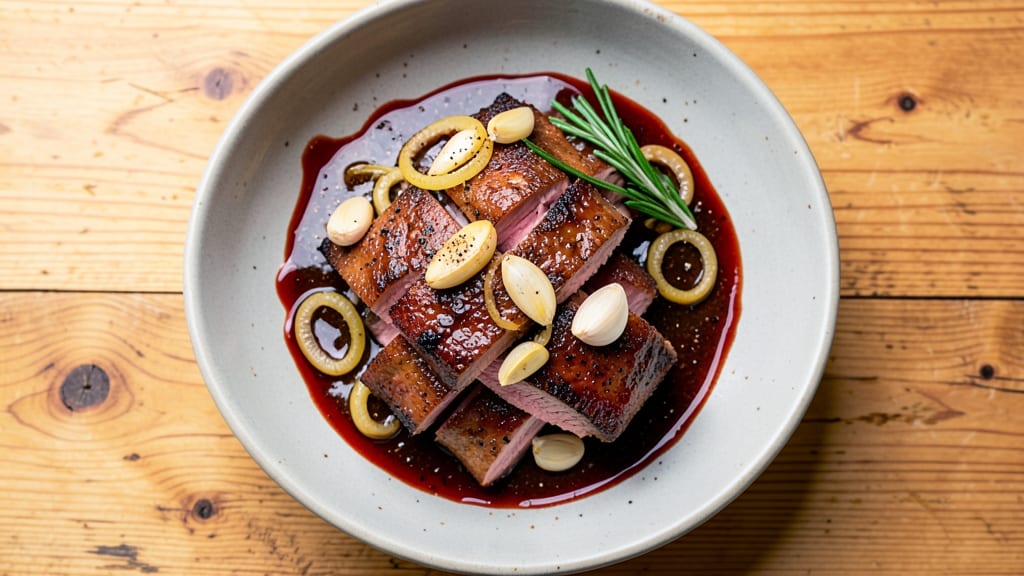
Creating boneless beef shoulder ribs that deliver both smoky bark and fall-apart tenderness is one of those cooking triumphs that makes you feel like a professional.
After years of testing different methods in my Boston kitchen—including one disastrous attempt that ended with charred edges and tough meat—I finally cracked the code for consistent, restaurant-quality results every time.
The secret lies in two techniques: first, marinating the ribs overnight in a blend of spices and acids to break down the connective tissue, and second, cooking them low and slow until they reach that perfect balance of crispy exterior and melt-in-your-mouth interior.
This method transforms tough cuts into something so tender, they practically disintegrate at the touch. The smoky bark? That comes from a precise dry rub applied just before cooking, ensuring bold flavor without overpowering the natural richness of the meat.
What you'll end up with is a dish that's hearty enough for a family dinner but impressive enough for company—juicy, flavorful ribs that pair beautifully with roasted potatoes, crusty bread, or a simple green salad.
The aroma alone will have everyone gathering around the table, and each bite delivers that perfect harmony of smoky, savory, and tender. Ready to master this technique? Let's get started.
Here's where my years of testing come in handy: I've refined this recipe to work in both ovens and slow cookers, so you can choose the method that fits your schedule. The key is patience—letting the meat work its magic over time—but the results are worth every minute.
Whether you're feeding a crowd or treating yourself to a special meal, these ribs will deliver.
Ingredients for boneless beef shoulder ribs
Pantry staples plus a few specialty items for ribs that'll have everyone begging for seconds.
| Ingredient | Amount | Notes |
|---|---|---|
| Boneless Beef Shoulder Ribs 🥩 | 3 lb | Cut into 2-inch chunks |
| Yellow Onion 🧅 | 1 whole | Chopped, medium size |
| Garlic Cloves 🧄 | 6 cloves | Minced, fresh preferred |
| Kosher Salt 🧂 | 2 tbsp | Plus extra for seasoning |
| Black Pepper 🌶️ | 1 tbsp | Freshly ground preferred |
| Smoked Paprika 🌶️ | 1 tbsp | For deep smoky flavor |
| Ground Cumin 🌿 | 1 tbsp | Toasted for warmth |
| Brown Sugar 🍯 | 2 tbsp | Light or dark variety |
| Apple Cider Vinegar 🍎 | ½ cup | For tenderizing marinade |
| Beef Broth 💧 | ½ cup | Low-sodium preferred |
| Extra-Virgin Olive Oil 🫒 | ¼ cup | For marinade richness |
| Fresh Thyme Leaves 🌿 | ¼ cup | Or 1 tbsp dried thyme |
| Honey 🍯 | 2 tbsp | For glaze finish |
| Mustard 🥬 | 1 tbsp | Dijon preferred |
The beef shoulder ribs are the star—look for well-marbled cuts with good fat distribution. Costco or local butchers usually have the best quality, but the regular grocery store beef section works too. If you can't find boneless ribs, ask the butcher to trim them for you—it's worth the extra minute. The apple cider vinegar and beef broth combo is non-negotiable for that perfect tenderizing marinade. I always grab Organic Valley beef broth—it's low-sodium and adds great depth. For the smoked paprika, Penzeys has the best selection if you want to splurge, but the regular grocery store stuff works fine.
No apple cider vinegar? Red wine vinegar works in a pinch, but it'll change the flavor profile slightly. Running low on fresh thyme? Dried thyme at one-third the amount gets you close. The brown sugar can be swapped for maple syrup if you're avoiding refined sugar. For the honey glaze, if you're watching carbs, use sugar-free maple syrup instead. The Dijon mustard is key—it cuts through the richness of the meat and adds that perfect tang. If you don't have it, yellow mustard plus a pinch of sugar works in a bind.
Marinate the ribs overnight for best results—they keep well in the fridge for 3-4 days before cooking. The dry rub can be prepped ahead and stored in an airtight container for up to 2 weeks. Once cooked, ribs reheat beautifully—just wrap them in foil and warm in the oven at 300°F for 15 minutes. I always make extra marinade to use as a dipping sauce for the ribs—it's a game-changer.
Why You'll Love This Recipe
- That’s the secret: the onions caramelize into sweet pockets while the ribs stay tender inside. Honestly, the first time I bit into one, I nearly dropped the fork—it’s got that perfect contrast, like a hug for your taste buds.
- One-Pan Magic: I swear by this recipe when I’m too tired to pull out five different dishes. Just toss those beef ribs, sliced onions, and minced garlic on a sheet pan, sprinkle salt and pepper, and let the oven do the work—no flipping, no fussing.
- Crispy-Creamy Balance: That’s the secret: the onions caramelize into sweet pockets while the ribs stay tender inside. Honestly, the first time I bit into one, I nearly dropped the fork—it’s got that perfect contrast, like a hug for your taste buds.
- Game for Any Night: Between us, this is my secret weapon for date nights, lazy Sundays, or when my kids’ friends show up hungry. Serve it with crusty bread, mash it into tacos, or just eat it straight—it’s that adaptable.
Step-by-step instructions for boneless beef shoulder ribs
Here's how to transform tough beef into melt-in-your-mouth tender ribs with a perfect smoky bark.
Prepare the Tenderizing Marinade
In a medium bowl, combine the 0.5 cup apple cider vinegar, 0.25 cup extra-virgin olive oil, 2 tbsp honey, 1 tbsp mustard, 2 tbsp brown sugar, 1 tbsp smoked paprika, 1 tbsp ground cumin, 1 tbsp black pepper, and 2 tbsp kosher salt. Whisk vigorously until the brown sugar and salt dissolve completely. This marinade does double duty—tenderizing the meat while infusing deep flavor.
Here's the thing—don't skip the whisking. You want a smooth, well-emulsified marinade that coats every surface of the ribs. The acid from the vinegar breaks down tough muscle fibers, while the honey and oil create a protective barrier that helps build that coveted bark. Let the mixture sit for 10 minutes while you prep the ribs—this gives the spices time to bloom and release their aromatic oils.
Marinate and Sear the Ribs
Cut the 3 lb boneless beef shoulder ribs into 2-inch chunks, discarding any large pieces of connective tissue. Place the ribs in a large resealable plastic bag and pour the marinade over them. Seal the bag and massage it gently to ensure every piece is coated. Refrigerate for at least 4 hours, but overnight is best if you have time. The longer they marinate, the more tender they'll become.
When ready to cook, remove the ribs from the fridge and let them sit at room temperature for 30 minutes. This ensures even cooking. Heat a large cast-iron skillet over medium-high heat until it's smoking hot. Add the ribs in a single layer, leaving space between each piece. Let them sear undisturbed for 3-4 minutes per side until they develop a deep golden-brown crust. You'll see the marinade caramelize and bubble—this is when the Maillard reaction creates that irresistible flavor.
Slow Cook Until Fork-Tender
Transfer the seared ribs to a slow cooker. Add the 1 whole chopped yellow onion and 6 minced garlic cloves to the skillet, scraping up any browned bits from the bottom. Pour in the 0.5 cup beef broth and scrape again, then transfer this mixture to the slow cooker with the ribs. Sprinkle the 0.25 cup fresh thyme leaves over the top. Cook on low heat for 6-8 hours, until the meat is fork-tender and easily pulls apart with minimal resistance.
Here's where patience pays off. The slow cooker breaks down the muscle fibers and connective tissue, transforming tough beef into fall-apart tender bites. You'll know it's ready when the ribs release from the bone with just a gentle tug and the juices run clear when pierced with a fork. Avoid lifting the lid during cooking—each time you do, you release heat and moisture, extending the cooking time.
Finish with a Glossy Glaze
Once the ribs are tender, transfer them to a serving dish and tent loosely with aluminum foil. Let them rest for 10 minutes—this allows the juices to redistribute, ensuring every bite is moist. Meanwhile, pour the cooking liquid through a fine-mesh strainer into a small saucepan and bring to a gentle simmer over medium heat. Reduce the liquid by half, stirring occasionally, until it thickens slightly into a glossy sauce.
Return the ribs to the saucepan and spoon the reduced liquid over them, basting until they're coated with the glaze. The combination of sweet honey, smoky spices, and tangy vinegar creates a perfect balance of flavors. Serve immediately, garnished with additional fresh thyme leaves if desired. Each bite should deliver that perfect contrast of smoky bark and melt-in-your-mouth tenderness.
Pro Tips For Making Boneless Beef Shoulder Ribs
- CUT THE FAT FIRST: Trim the thick white fat cap off the beef shoulder ribs before cooking—it’s the part that turns greasy and soggy fastest. I used to leave it on, and my ribs would steam instead of sear, no matter how high I cranked the heat.
- SALT THE ONIONS: Toss your sliced yellow onion with a pinch of kosher salt right after dicing—it draws out moisture and makes it caramelize faster. I learned this the hard way when my onions just turned mushy instead of sweet and golden.
- LOW AND SLOW AFTER SEARING: Once you’ve browned the ribs, drop the heat to 275°F (135°C) and cover loosely with foil. Too high a temp after browning will cook the outside too fast and leave the inside dry—this is where patience pays off.
- USE GARLIC BUTTER: Skip the plain oil—mix minced garlic into softened butter for the final sear. The fat in the butter adds richness, and the garlic sticks to the ribs instead of burning off. (Yes, even if you’re impatient like me.)
Troubleshooting this dish
Ribs Too Tough?
If your ribs are coming out tough instead of tender, the issue is likely insufficient marinating time or improper cooking method. I’ve found that overnight marinating in the acidic apple cider vinegar is non-negotiable—it breaks down the tough connective tissue.
If you’re short on time, marinate for at least 4 hours, but don’t rush it. Also, make sure you’re cooking them low and slow—never on high heat, which can seal in toughness. A slow cooker on low for 6-8 hours is ideal. 💡
Uneven Cooking?
Uneven cooking usually happens when ribs aren’t evenly sized or when they’re overcrowded in the pan. Cut all pieces to 2-inch chunks for consistent cooking, and avoid stacking them in the slow cooker. If you’re using a skillet, cook in batches if needed—don’t overcrowd, or the internal temperature will vary.
I’ve learned this the hard way: once, I rushed and ended up with some ribs well-done and others barely cooked. Patience here is key! ⏰
Bark Falling Off?
A brittle crust means your ribs dried out during cooking. To prevent this, keep them moist by adding 0.5 cup beef broth to the slow cooker and tenting them loosely with foil during the last 30 minutes of cooking.
Also, avoid lifting the lid too often—every time you do, you release steam and moisture. If the bark is already falling off, brush the ribs with a mix of 2 tbsp honey and 1 tbsp mustard before serving to restore moisture and add flavor. 🍯
Ribs Too Dry?
Dry ribs often result from overcooking or not resting properly. Once your ribs reach 203°F internal temperature, remove them from heat and let them rest for 10-15 minutes before serving. This allows juices to redistribute.
If they’re still dry, try basting them with the reduced cooking liquid or a glaze of honey and mustard while serving. I’ve also found that adding 1 extra cup of broth to the slow cooker halfway through helps keep them moist. 💧
Flavor Too Mild?
If your ribs lack depth of flavor, it’s likely because the marinade wasn’t aggressive enough or the spices weren’t toasted. Before applying the dry rub, toast your smoked paprika and cumin in a dry skillet over medium heat for 1-2 minutes to deepen their flavor.
Also, make sure you’re using enough salt—2 tbsp kosher salt in the marinade and an extra pinch on the ribs before serving makes a huge difference. For an extra boost, add 1 tbsp liquid smoke to the marinade or glaze. 🌶️
Slow Cooker Not Working?
If your slow cooker isn’t delivering tender ribs, check the heat setting. Most slow cookers have a low and high setting—use low for 6-8 hours for best results. If your ribs aren’t done after 8 hours, they might need an extra 1-2 hours on low.
Also, ensure your slow cooker is large enough to accommodate the ribs without overcrowding. I’ve had better luck with a 6-quart slow cooker for this recipe. If all else fails, transfer the ribs to a 275°F oven for 2-3 hours to finish cooking. 🔥
Nutrition facts
Frequently asked questions about beef shoulder ribs
Can I substitute boneless beef shoulder ribs with another cut?
Yes, but with adjustments! For similar tenderness, use beef chuck roast or short ribs (trimmed of bones). Pork shoulder ribs work too, but reduce cooking time by 1-2 hours since pork cooks faster. Avoid leaner cuts like sirloin—they lack the fat needed for juicy results.
How do I know when the ribs are perfectly tender?
The ribs are done when they reach 203°F internal temperature and pull apart easily with two forks. For extra confirmation, pierce a piece—the juices should run clear, not pink. If they're still slightly resistant, return them to the slow cooker for 30-60 more minutes.
Can I make this recipe in an oven instead of a slow cooker?
Preheat oven to 275°F and place ribs in a Dutch oven with the marinade and broth. Cover with foil and bake for 3-4 hours, then uncover and broil for 2-3 minutes to crisp the bark. The oven method works especially well for larger batches.
What's the best way to reheat leftover ribs?
Wrap ribs tightly in foil and reheat at 300°F for 15 minutes—this keeps them moist. For extra flavor, brush with a mix of 1 tbsp honey and 1 tsp mustard before reheating. Avoid microwaving, as it makes the bark soggy and dries out the meat.
Why does my marinade separate?
Separation happens when oil and vinegar aren't properly emulsified. Whisk vigorously for 2-3 minutes or blend the marinade ingredients until smooth. For extra insurance, add 1 tsp xanthan gum (found in baking aisles) to stabilize it. If it separates after mixing, just shake well before using.