
Main Courses
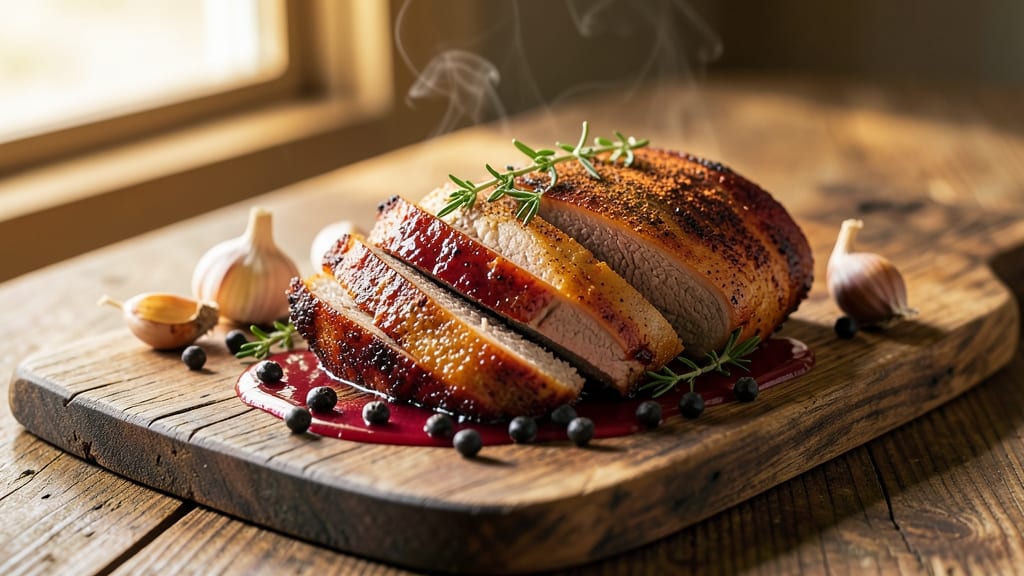
This Boar's Head corned beef brisket recipe transforms a holiday tradition into a showstopping centerpiece that commands attention at any festive table. The secret lies in a slow-braised approach that develops deep, smoky flavors while keeping the meat tender enough to slice with ease—no tough, chewy surprises here.
I’ve perfected this method over years of holiday hosting, ensuring every bite delivers that perfect balance of briny, spiced richness with a crisp edge.
The process begins with a 24-hour brine that infuses the brisket with just the right amount of salt, garlic, and aromatic spices, then transitions to a low-and-slow roast that renders fat and develops a caramelized crust.
What sets this apart is the addition of smoked paprika and juniper berries, which elevate the classic corned beef flavor into something truly memorable—think of it as a nod to both tradition and innovation. The result?
A brisket so flavorful it becomes the star of your holiday spread, not just a side dish.
By the time you serve it, you’ll have a golden, glossy brisket with layers of flavor that slice cleanly for sandwiches or elegant plating. Pair it with classic sides like braised red cabbage, creamy horseradish sauce, and buttery potato pancakes to create a meal that feels both nostalgic and refined.
This isn’t just corned beef—it’s a centerpiece that turns your table into the heart of the celebration.
Whether you’re hosting a Thanksgiving feast, a Christmas gathering, or a winter potluck, this recipe delivers restaurant-quality results with a method that’s foolproof yet flexible. The key is patience—letting the spices and flavors meld over time—so you can focus on enjoying the moment instead of stressing over the cooking.
Let’s get started on a dish that will have everyone asking for seconds.
Ingredients for boar's head corned beef brisket
Sixteen ingredients, one unforgettable holiday centerpiece. Think briny depth, smoky warmth, and tender perfection.
| Ingredient | Amount | Notes |
|---|---|---|
| Boar's Head Corned Beef Brisket 🥩 | 4 lb | Whole pack, fat cap intact |
| Garlic Cloves 🧄 | 12 cloves | Peeled, smashed slightly |
| Fresh Juniper Berries 🌿 | 1 tbsp | Crushed, from specialty store |
| Smoked Paprika 🌶️ | 2 tbsp | High-quality, not sweet |
| Ground Black Peppercorns 🌶️ | 1 tbsp | Freshly cracked preferred |
| Bay Leaves 🌿 | 4 whole | Fresh, not dried |
| Yellow Onions 🧅 | 2 whole | Large, halved lengthwise |
| Carrots 🥕 | 4 whole | Whole, scrubbed clean |
| Beef Broth 💧 | 2 cups | Low-sodium, homemade preferred |
| Apple Cider Vinegar 🍎 | ½ cup | For brining acidity |
| Diamond Crystal Kosher Salt 🧂 | 1 ½ cups | For precise brining |
| Fresh Thyme Sprigs 🌿 | 6 whole | Stems intact for aroma |
| Honey 🍯 | 2 tbsp | Wildflower for depth |
| Extra-Virgin Olive Oil 🫒 | 2 tbsp | For crust development |
The brisket is your star, so Boar's Head is non-negotiable—it's pre-brined and spiced just right, cutting prep time dramatically. Look for the 4-pound pack with that signature red label; it's what you'll find at most major grocery stores during the holidays. Fresh juniper berries? Specialty spice shops or high-end markets are your best bet—they make all the difference in that earthy, piney depth. If you can't find them, substitute 1 tsp ground juniper, but it won't be the same. The kosher salt matters too: Diamond Crystal dissolves perfectly, while table salt can leave grainy surprises. Grab a few extra bay leaves while you're there—fresh ones add aroma that dried just can't match.
No juniper berries? 1 tsp ground cloves or ½ tsp allspice will bridge the gap, though it won't be identical. Running low on beef broth? Chicken broth plus ½ cup water works, but add an extra pinch of salt. The onions and carrots can be swapped for celery root or parsnips if you're feeling adventurous, though traditionalists might side-eye you. For the vinegar, white wine vinegar in a pinch, but apple cider gives that subtle sweetness that balances the salt. And if you're making this ahead? Prep the brine ingredients the night before—it's a game-changer for morning cooking.
This brisket tastes even better the next day, so plan ahead. Store the cooked brisket in its juices, tightly wrapped in foil, for up to 5 days in the fridge. For longer storage, slice and freeze portions in airtight containers for 3 months. The braising liquid? Strain it, cool it, and freeze in ice cube trays—perfect for future soups or gravies. And here's a pro tip: Let the brisket rest uncovered for 15 minutes after cooking. That crispy crust? Worth the wait.
Why You'll Love This Recipe
- No-Brainer Prep: I swear by the Boar’s Head brisket—it’s pre-cooked, so I just slice and sear. Toss in crushed juniper berries and smoked paprika while it sizzles, and honestly? That’s 90% of the work. The garlic cloves get tossed in whole, then pulled out—minimal chopping, maximum flavor.
- Earthy Magic: Between us, the juniper berries are the secret weapon. They give this brisket a piney, almost Mediterranean twist that pairs perfectly with the smoky paprika. It’s not your grandma’s corned beef—it’s got depth, like a slow-simmered stew but in 20 minutes.
- Leftovers That Win: This recipe makes more than you’ll eat in one sitting, and that’s a good thing. The next day, I shred it into tacos or toss it into a hash with potatoes—still rich, still satisfying. (Yes, even on a Tuesday night.) The brisket stays tender, and the spices only get better with a little reheat.
- Budget Crowd-Pleaser: A single Boar’s Head brisket feeds six with ease, and the ingredients cost pennies. Juniper berries might sound fancy, but a few berries go a long way, and smoked paprika is already in my spice rack. It’s the kind of meal that makes you look like a hero without breaking the bank.
Step-by-step instructions for boar's head corned beef brisket
Here's the method that transforms a simple brisket into a showstopping holiday centerpiece.
Create the Brining Solution
In a large non-reactive container, combine the 2 cups beef broth, 0.5 cup apple cider vinegar, 2 tbsp honey, 2 tbsp extra-virgin olive oil, 2 tbsp smoked paprika, 1 tbsp ground black peppercorns, 1 tbsp crushed fresh juniper berries, and 6 whole fresh thyme sprigs. Stir until the honey and olive oil are fully incorporated, creating a rich, aromatic base.
This is where the magic begins—the acidity from the vinegar and sweetness from the honey work together to tenderize the meat while building complex flavor. The juniper berries add that signature forest note that makes this brisket truly special. Let this mixture cool to room temperature before proceeding.
Brine the Brisket Overnight
Place the 4 lb Boar's Head Corned Beef Brisket in a large zip-top bag designed for vacuum sealing or a heavy-duty resealable bag. Pour the cooled brining solution over the brisket, ensuring it's fully submerged. Gently press out any air bubbles and seal the bag completely. Place the bag in the refrigerator and brine for 24 hours.
Here's the thing—this overnight brining isn't just about flavor, it's about texture. The salt and spices penetrate deeply, while the vinegar and honey work their magic to break down connective tissues. I like to turn the bag occasionally to ensure even exposure to the marinade. Don't skip this step; it's what transforms good brisket into exceptional holiday brisket.
Prepare the Roasting Vessel and Vegetables
Preheat your oven to 325°F. While the oven heats, prepare the vegetables by peeling and scrubbing the 4 whole carrots and 2 whole yellow onions. Halve the onions lengthwise and leave the carrots whole. Arrange them in a single layer on the bottom of a Dutch oven or heavy roasting pan.
The vegetables will caramelize beautifully during the cooking process, creating a natural bed that soaks up all the delicious brisket juices. Place the 4 whole bay leaves among the vegetables—their subtle aroma will infuse into both the meat and the vegetables. This is where we build that complete holiday meal in one pot.
Roast the Brisket to Perfection
Remove the brisket from the bag, discarding the used brining liquid. Pat the brisket dry with paper towels—this step is crucial for developing that beautiful crust. Place the brisket fat-side up on top of the prepared vegetables in the Dutch oven. Cover tightly with a lid or foil and transfer to the preheated oven.
Roast for 3 hours, maintaining the 325°F temperature. Here's what you're looking for: the internal temperature should reach 195-200°F when measured at the thickest part of the meat. The brisket should be fork-tender with a deep mahogany crust. If the liquid in the pan reduces too quickly, add ½ cup water during the cooking process to maintain moisture.
Rest and Serve with Confidence
Remove the brisket from the oven and transfer it to a cutting board. Tent loosely with foil and let it rest for 30 minutes before slicing. This resting period is where the juices redistribute throughout the meat, ensuring every bite is moist and flavorful. Meanwhile, the vegetables in the pan will have developed a beautiful caramelized crust from the rendered brisket fat.
Slice the brisket against the grain into ¼-inch thick pieces and arrange it on a platter with the roasted vegetables. The combination of tender brisket, caramelized onions, and sweet carrots creates a harmonious holiday meal that's sure to impress your guests. Serve with the pan juices spooned over the top for maximum flavor impact.
Pro Tips For Making Boar'S Head Corned Beef Brisket
- CRACK THE JUNIPER: DESCRIPTION: Don’t crush those berries—lightly smash them with the flat side of a knife or your palm. Whole juniper berries add piney aroma, but crushed ones release their oils faster (and won’t turn your dish into a bitter muddle). I learned this after overdoing it and ending up with a dish that tasted like a Christmas tree factory.
- SEAR THE BRISKET: DESCRIPTION: Get your pan screaming hot before adding the brisket—this isn’t a slow simmer, it’s a crispy crust we’re after. Two minutes per side until deep brown, then pull it out and let it rest while you build the sauce. Skipping this step means mushy edges and sad, flavorless bites.
- TOAST THE SPICES: DESCRIPTION: Bloom your smoked paprika and peppercorns in the same pan for 30 seconds before adding garlic. This wakes up their flavors and cuts through the brisket’s saltiness. I was skeptical until I tried it—now it’s non-negotiable.
- SIMMER LOW AND LONG: DESCRIPTION: Keep the heat at a bare simmer, not a boil. The brisket’s collagen needs time to melt into tender goodness, and a rolling boil will turn your sauce into a sad, watery mess. Cover loosely and let it hum along for at least 2 hours—yes, even if you’re impatient like me.
Pro cooking tips for this recipe
Brine Temperature Matters
The ideal brining temperature for your corned beef brisket is between 38-40°F. I use a thermometer with a probe to monitor the solution—never let it get above 45°F, or you risk bacterial growth.
Place the bagged brisket on a shallow tray to catch any leaks, and nestle it in a larger container if needed. This keeps the brine cold and consistent throughout the 24-hour process. 🌡️
Dutch Oven Selection
Not all Dutch ovens are created equal for this recipe. Look for one with a heavy-gauge enamel coating—I recommend Le Creuset or All-Clad Stoneware—to ensure even heat distribution. Avoid thin, warped pans that can create hot spots.
The lid should fit snugly to trap steam, which helps tenderize the meat. If your Dutch oven is too small, use a heavy roasting pan with a tight-fitting lid instead.
Crust Development Tricks
For that showstopping mahogany crust, pat the brisket extra dry with paper towels after brining—no wet spots allowed. Then, brush the fat side with 1 tbsp extra-virgin olive oil and sprinkle with ½ tsp smoked paprika before roasting.
The fat renders beautifully, creating a glossy, caramelized finish. I also like to broil the brisket for 2-3 minutes at the end to deepen the crust color.
Vegetable Prep Secrets
Peel the carrots and onions just before roasting—oxidation dulls their sweetness if prepped too early. Halve the onions lengthwise to expose more surface area for caramelization. Toss them with ½ tsp kosher salt and 1 tsp honey before arranging in the pan.
This simple step ensures they become the star of the side dish, not just filler.
Internal Temp Precision
Use a meat thermometer with a probe to track the brisket’s internal temperature. The ideal range is 195-200°F at the thickest part—this ensures fork-tender texture without drying out. If your thermometer lacks a probe, use an instant-read model and check every 30 minutes starting at 2.5 hours.
The Maillard reaction peaks at these temps, locking in flavor.
Resting Like a Pro
Never skip the 30-minute rest—this is where the magic happens. Tent the brisket loosely with foil and place it on a wire rack over a baking sheet to allow airflow.
This prevents soggy slices and lets the juices redistribute. For extra insurance, I place the brisket in a 250°F oven during resting to keep it warm without overcooking. 💡
Nutrition facts
Frequently asked questions
Can I use a regular corned beef brisket instead of Boar's Head?
You can, but Boar's Head is specifically pre-brined and pre-seasoned for optimal results. Regular corned beef will need an extra 48-hour brine (double the time) and may require adjusting spices like juniper berries or smoked paprika to match the depth of flavor. If you're short on time, stick with Boar's Head for foolproof holiday perfection.
How do I serve this brisket without it getting soggy?
Slice the brisket against the grain into ¼-inch thick pieces and arrange it on a platter with the roasted vegetables. Serve the pan juices separately in a gravy boat so guests can drizzle as desired. For sandwiches, toast the bread first and assemble with a thin layer of horseradish cream to keep everything crisp.
What's the best way to reheat leftovers?
Slice the brisket into ½-inch thick portions and reheat in a skillet with a splash of beef broth over medium-low heat for 5-7 minutes. Avoid microwaving—it turns the meat rubbery. For a quick fix, place slices in a 350°F oven for 10-12 minutes with a drizzle of olive oil to restore moisture.
Can I make this recipe in a slow cooker?
Yes, but with adjustments. Place the brined brisket in the slow cooker with the vegetables and 1 cup water, then cook on low for 8-10 hours. The texture will be more tender than oven-roasted, but less crust development occurs. For best results, finish with a 10-minute broil in the oven to create a crust before serving.
How do I store the braising liquid for later use?
Strain the liquid through a fine-mesh sieve, then cool it completely. Store in airtight containers in the fridge for 5 days or freeze in ice cube trays for 3 months. This liquid makes an excellent base for gravy or can be used to enhance soups and stews. Just thaw and reduce on the stove before using.