
Main Courses
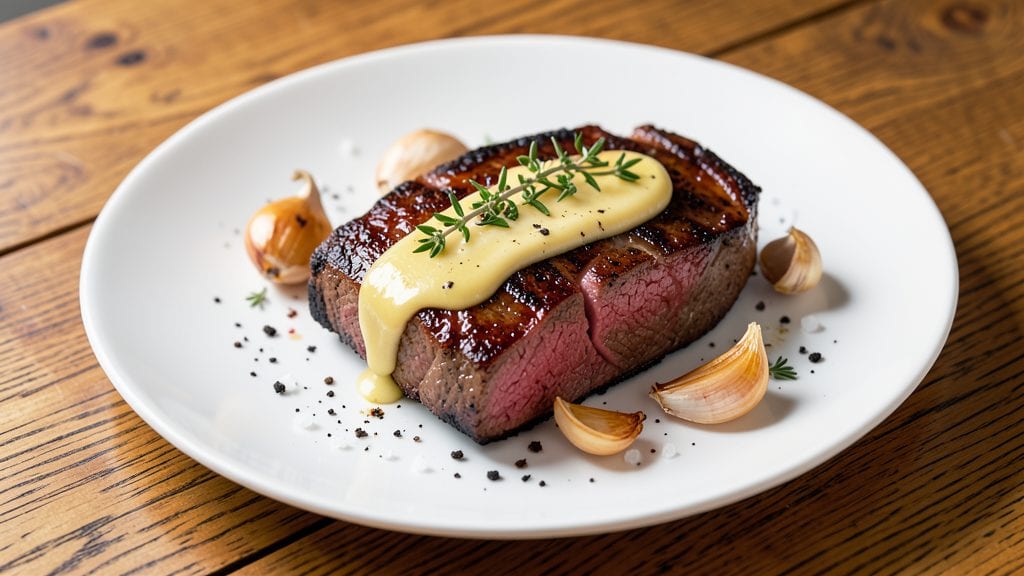
Mastering a beef top loin steak recipe means achieving that perfect medium-rare center with a rich, buttery crust—something every steak lover craves. The top loin delivers tender, flavorful meat that responds beautifully to precise pan-searing techniques, and I’ve refined this method to ensure consistent results every time.
What sets this recipe apart is the focus on technique over shortcuts, guaranteeing a restaurant-quality steak at home.
This method begins with proper preparation: trimming excess fat, seasoning generously, and letting the steak rest before cooking to ensure even doneness. The pan-searing process creates that coveted crust while maintaining a juicy interior, and I’ll walk you through the exact temperature targets for rare, medium-rare, or well-done preferences.
Resting the steak after cooking is just as critical—it redistributes juices for maximum tenderness.
By the end, you’ll have a steak that’s perfectly seared on the outside with a medium-rare center, paired with optional sides like roasted potatoes or garlic butter. The buttery finish elevates the flavor, making this a dish that feels special without requiring hours in the kitchen.
Whether you’re cooking for a date night or a weekend gathering, this recipe delivers professional results with minimal fuss.
For those who want to take it further, I’ll include tips on how to adapt this technique for grilling or reverse-searing, ensuring you’re equipped to handle any cooking scenario.
The goal is to give you confidence in the kitchen—no overcooked steaks or dry meat here. Let’s get started on creating the perfect cut of beef.
Ingredients for beef top loin steak
Four key ingredients transform a simple steak into restaurant-quality perfection—focus on quality cuts and technique.
| Ingredient | Amount | Notes |
|---|---|---|
| Beef Top Loin Steak 🥩 | 1 ½ lb | Center-cut, 1-1.5 inches thick |
| Unsalted Butter 🧈 | 4 tbsp | Cold, cut into 4 pieces |
| Kosher Salt 🧂 | 1 ½ tsp | Diamond Crystal preferred |
| Freshly Ground Black Pepper 🌶️ | 1 tsp | Coarse grind for texture |
| Garlic Cloves 🧄 | 4 cloves | Minced, for butter baste |
| Fresh Thyme Leaves 🌿 | ¼ cup | Chopped, for butter baste |
| Extra-Virgin Olive Oil 🫒 | 2 tbsp | High smoke point preferred |
| Heavy Cream 🥛 | ¼ cup | For pan deglazing (optional) |
| Fresh Parsley 🌿 | ⅛ cup | Chopped, for garnish |
The beef top loin is your secret weapon—look for center-cut pieces with visible marbling at Whole Foods or your local butcher shop. Costco has excellent vacuum-sealed options, but if buying whole, ask for a 1-1.5 inch thick cut. Thinner steaks cook faster and risk overcooking. The butter matters too: use European-style unsalted (like Plugrá) for higher fat content—it's worth the splurge for that buttery crust. Fresh thyme and parsley from the grocery store's refrigerated section add bright notes, but dried works in a pinch if you're in a hurry.
No fresh thyme? Dried thyme at one-third the amount gets you close, but fresh is ideal for that aromatic punch. Running low on heavy cream? Whole milk works too—just add a splash of butter to mimic richness. The olive oil should be light and fruity, not peppery—California Avocado or Bertolli are solid choices. For the garlic, peel and roughly chop—no need to mince finely. If you're prepping ahead, trim excess fat from the steak and season it up to 4 hours before cooking (the salt will penetrate better).
Steaks reheat poorly, so plan to serve immediately. If you must store, wrap tightly in parchment paper and refrigerate for up to 2 days. The butter baste keeps for 3 days in the fridge if stored in an airtight jar. For leftovers, slice against the grain and serve on toasted baguette slices with a drizzle of the pan juices. Freezing isn't recommended—steaks lose moisture and texture when thawed.
Why You'll Love This Recipe
- No-Fuss Pan Masterpiece: That butter baste? Just one quick flip. I season the steak, sear it, then let the butter melt over it while I chop garlic—no fancy tools, no stress. The steak cooks itself while I handle the rest.
- Garlic Butter Magic: The garlic cloves, smashed and browned in butter, turn ordinary steak into something next-level. That crispy, caramelized butter? It clings to the meat like a flavor hug—no sauce needed.
- Weeknight Hero: I pull this out when I’m exhausted but still want dinner to feel like a win. It’s the kind of meal that says, “I took care of you,” without requiring a Pinterest-worthy setup.
- Leftovers? Yes, Please: The steak holds up perfectly for lunches the next day—just reheat with a splash of broth or serve cold in wraps. My wallet thanks me for not overbuying, and my stomach thanks me for the leftovers.
Step-by-step instructions for beef top loin steak
Here's the method for achieving that perfect buttery crust and medium-rare center every time.
Prep and Season the Steak for Maximum Flavor
Take the 1.5 lb beef top loin steak out of the refrigerator and let it sit at room temperature for 30-45 minutes. This ensures even cooking throughout. Pat it dry completely with paper towels—moisture is the enemy of a good sear. The steak should be bone-dry when you handle it.
Generously season both sides with 1.5 tsp kosher salt and 1 tsp freshly ground black pepper. Press the seasoning into the meat so it adheres well. I like to use my fingertips for this—it helps the salt penetrate slightly. Let the seasoned steak rest for another 10 minutes before cooking. This step is crucial for developing that perfect crust.
Create the Perfect Searing Pan
Heat a heavy skillet—cast iron works best—over medium-high heat until it's screaming hot. Add 2 tbsp extra-virgin olive oil and let it get shimmering hot. You want the oil to be hot enough to sizzle when the steak touches it, but not so hot it smokes excessively.
While the pan heats, cut the 4 tbsp unsalted butter into four equal pieces. Keep them cold until you're ready to add them to the pan. The butter will baste the steak as it cooks, creating that incredible buttery crust we're after. Here's the thing—don't rush this step. The pan needs to be properly heated to create that beautiful Maillard reaction.
Sear the Steak to Golden Perfection
Place the steak in the hot pan and press down gently with a spatula during the first minute. This prevents it from curling and ensures even contact with the pan. You'll hear a satisfying sizzle that fills your kitchen—this is the sound of a perfect sear beginning.
Cook the steak for 3-4 minutes per side for medium-rare, until it develops a deep golden-brown crust. About 30 seconds before you flip it, add one piece of the cold butter to each side of the steak. As it melts, it will baste the meat, adding incredible flavor and moisture. Remove the steak from the pan and let it rest on a wire rack for 5 minutes—this is non-negotiable for juicy results.
Create the Thyme-Garlic Butter Sauce
While the steak rests, reduce the heat to medium and add the remaining 3 pieces of cold butter to the pan. Let them melt completely, then add the 4 minced garlic cloves and 0.25 cup chopped fresh thyme leaves. Cook for 30-45 seconds until the garlic is fragrant but not browned.
Here's where it gets fun—pour in the 0.25 cup heavy cream and let it simmer gently for 1-2 minutes until slightly reduced. This creates a luxurious sauce that will complement the steak perfectly. If you prefer a richer sauce, you can reduce it further, but I like it just thick enough to coat the back of a spoon. Keep the sauce warm while you finish the steak.
Finish and Serve with Herbed Garnish
After the steak has rested, slice it against the grain into ½-inch thick slices. The grain direction is visible—you'll see lines running through the meat. This cutting technique ensures each bite is tender and flavorful.
Plate the steak immediately and spoon the thyme-garlic butter sauce over the top. Garnish with 0.125 cup chopped fresh parsley for a pop of color and freshness. The steak should have a beautiful medium-rare center with a deep pink color and that perfect buttery crust you worked so hard to create. Serve with your favorite sides and watch your guests rave about this incredible steak.
Pro Tips For Making Beef Top Loin Steak
- Use a Meat Thermometer: DESCRIPTION: Top loin can go from perfect to overdone fast—this cut’s small size means it cooks unevenly. Stick a thermometer in the thickest part: pull it at 125°F for rare (130°F for medium-rare), then let it rest. I learned this the hard way after slicing into a steak that was gray on one side and well-done on the other.
- Salt the Steak First: DESCRIPTION: Don’t skip salting the steak before cooking—it seasons the surface and helps form that golden crust. Use about 1 teaspoon of kosher salt per pound and let it sit uncovered on a plate for 30 minutes (yes, even if you’re impatient like me). The salt draws out moisture, which evaporates and crisps up beautifully when you sear it.
- High Heat, Then Butter Bath: DESCRIPTION: Sear the steak in a screaming-hot pan for 2 minutes per side—no crowding, and resist the urge to move it. Once browned, add 2 tablespoons of cold butter, smashed garlic cloves, and a pinch of salt. The butter should foam and turn golden; this is the flavor upgrade that makes all the difference.
- Rest Under Foil: DESCRIPTION: After cooking, transfer the steak to a plate, loosely tent it with foil, and let it rest for 5-10 minutes. This keeps it juicy—skipping it means sliced steak that’s dry on the outside and raw in the middle. I was skeptical until I tried it, and now I never skip it.
Best sauces and condiments for this recipe
Classic Garlic-Herb Butter
This is the sauce I use most often with beef top loin steak because it's simple yet luxurious. After searing the steak, melt 2 tbsp unsalted butter in the same pan, then add 3 minced garlic cloves and 1 tbsp chopped fresh thyme.
Cook for 30 seconds until fragrant, then pour in 2 tbsp heavy cream and reduce by half. The result is a silky sauce that clings beautifully to the steak's crust. 🌿
Red Wine Reduction
For a more sophisticated touch, deglaze the pan with ¼ cup dry red wine (like Cabernet Sauvignon) after removing the steak. Reduce by half, then whisk in 1 tbsp cold butter for richness.
This pairs exceptionally well with the beef's natural flavors, adding depth without overpowering. I often finish with a pinch of flaky sea salt for contrast.
Chimichurri Sauce
This vibrant South American sauce cuts through the richness perfectly. Blend ½ cup parsley, ¼ cup cilantro, 3 garlic cloves, 2 tbsp red wine vinegar, ½ cup olive oil, and 1 tsp red pepper flakes.
Let it sit for 30 minutes before serving. The bright, herby flavors complement the steak's caramelized crust beautifully. 🌶️
Béarnaise Variations
For a classic French touch, make a quick béarnaise by whisking 2 tbsp melted butter into 2 tbsp reduced white wine vinegar and 1 tbsp Dijon mustard. Add a pinch of cayenne and fresh tarragon.
For a shortcut, I sometimes use Hellmann's mayonnaise as a base—mix 2 tbsp mayo with 1 tbsp lemon juice and 1 tsp minced shallots. Both versions add a tangy, buttery contrast.
Smoky Chipotle Cream
When you want to add smoky heat, blend ½ cup sour cream with 1 tbsp adobo sauce (from canned chipotles), 1 tsp lime juice, and ½ tsp smoked paprika. This sauce works wonders for those who enjoy a little kick.
I like to serve it alongside the steak for dipping or drizzling. The smoky notes pair surprisingly well with the steak's natural richness.
Simple Compound Butter
For a no-fuss option, mix ½ cup softened butter with 1 tbsp minced garlic, 1 tbsp chopped rosemary, and ½ tsp salt. Shape into a log, chill, and slice onto the steak tableside.
The butter melts instantly, creating a flavorful crust. This is my go-to for quick weeknight dinners when I don't want to fuss with sauces. 🧈
Nutrition facts
Frequently asked questions
What's the best thickness for a beef top loin steak?
For perfect results, aim for a 1-1.5 inch thick cut. This thickness ensures even cooking and a juicy center while still developing that beautiful crust. Thinner cuts (½ inch) cook too quickly and risk overcooking, while thicker cuts (>2 inches) may not sear properly on the outside before the inside is done.
How do I know when my steak is done?
Use a meat thermometer for accuracy! For medium-rare, pull the steak at 130°F internal temperature. Medium should reach 140°F, and well-done 160°F. The 5-minute rest after cooking will raise the temperature by about 5°F, so don't overcook to compensate.
Can I cook this steak on the grill instead of pan-searing?
For grilling, preheat to medium-high heat (about 400°F) and oil the grates well. Cook for 4-5 minutes per side for medium-rare, using the same 130°F target. The butter basting technique works great on the grill too—just melt butter cubes in a small container and brush them on during the last 30 seconds of cooking.
Why does my steak turn out dry?
Dry steaks usually happen from overcooking or skipping the rest. Always remove the steak from heat 5°F below your target temperature and let it rest for 5-10 minutes on a wire rack. This allows juices to redistribute. Also, avoid cutting into the steak immediately—this traps juices inside and makes it dry when you finally eat it.
What's the best way to store leftover steak?
Wrap leftovers tightly in parchment paper or aluminum foil and refrigerate for up to 2 days. For longer storage, vacuum-seal or use a freezer bag (remove as much air as possible) and freeze for up to 3 months. When reheating, warm gently in a skillet over low heat for 2-3 minutes per side—never microwave, as it makes the meat tough.