
Sauces & Condiments
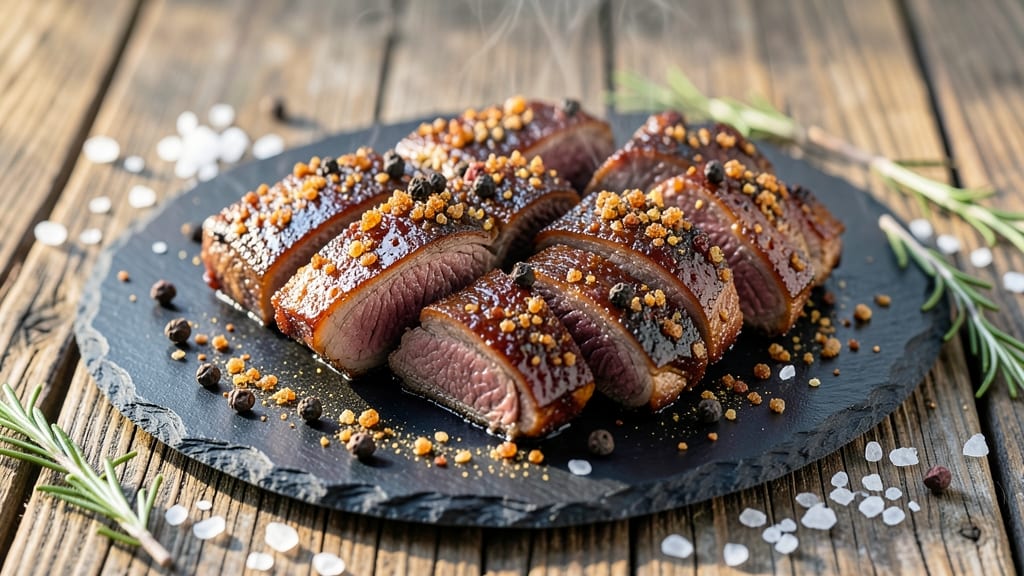
This beef short rib dry rub recipe transforms tough cuts into melt-in-your-mouth masterpieces by creating a smoky, caramelized bark that locks in flavor during braising. 💛 As someone who spent years perfecting slow-cooked beef at my local butcher's counter in Portland, I know the secret lies in balancing sweet, smoky, and savory spices to create that irresistible crust.
The magic happens in the blend itself—coarse kosher salt, dark brown sugar, smoked paprika, and a touch of black pepper work together to form a flavorful crust while tenderizing the meat. This isn't just any rub; it's a foolproof method that elevates even the simplest braising technique into something restaurant-worthy.
What you'll get is beef short ribs with a deeply aromatic bark that's sweet, smoky, and slightly spicy—perfect for long braising sessions. The rub clings to the meat, creating layers of flavor that penetrate deeply as the ribs cook, ensuring every bite is packed with complexity.
Make a big batch and store it in an airtight container for up to 6 months—this is the kind of seasoning mix that deserves a permanent spot in your pantry. Whether you're slow-cooking for a crowd or prepping for meal prep, this rub is your secret weapon for next-level braising.
Ingredients for beef short rib rub
Nine spices that turn tough beef into smoky, caramelized perfection every time.
| Ingredient | Amount | Notes |
|---|---|---|
| Coarse Kosher Salt 🧂 | ½ cup | Diamond Crystal preferred for texture |
| Dark Brown Sugar 🍚 | ¼ cup | Packed for consistency |
| Smoked Paprika 🌶️ | 2 tbsp | High-quality Spanish smoked |
| Black Peppercorns 🌶️ | 1 ½ tbsp | Freshly cracked for intensity |
| Garlic Powder 🧄 | 1 tbsp | Freshly ground preferred |
| Onion Powder 🧅 | 1 tbsp | Finely ground for even distribution |
| Ground Cumin 🌿 | 1 tsp | Toasted for deeper aroma |
| Ground Coriander 🌿 | 1 tsp | Freshly ground for brightness |
| Mustard Powder 🌶️ | ½ tsp | Adds subtle tanginess |
| Cayenne Pepper 🔥 | ¼ tsp | Adjust for heat preference |
The kosher salt is non-negotiable—Diamond Crystal flakes create that perfect crust without dissolving into mush. Penzeys or bulk bins at natural markets are your best bets for quality spices. Dark brown sugar adds caramel depth, so grab the muscovado or turbinado if you're feeling fancy, but regular works fine. Smoked paprika? Spanish smoked is the gold standard—it's what my Portland butcher always swears by. The peppercorns need to be freshly cracked; pre-ground loses punch fast. Toast your cumin and coriander seeds in a dry pan for 30 seconds before grinding—trust me on this—it makes all the difference.
No smoked paprika? Regular paprika plus a pinch of liquid smoke works in a pinch. Short on cayenne? Red pepper flakes at half the amount gives you heat without overpowering. Mustard powder missing? Dijon mustard powder is a solid swap. For a deeper garlic flavor, add an extra 1/2 tsp garlic powder and a pinch of onion powder. This blend is designed to be bold—don't skimp on the salt or sugar. The rub should look like coarse sandpaper when mixed; if it feels too fine, pulse it briefly in a food processor. Store it in an airtight container away from light until ready to use.
This rub keeps its magic for up to 6 months in a cool, dark place—glass jar with a tight seal is ideal. I like to portion mine into small bags for single-use applications. Once mixed, it's ready to transform your braising game immediately. The spices intensify over time, so older batches often taste better than fresh ones. For extra shelf life, freeze portions in ice cube trays—just break off what you need. This isn't just a rub; it's your new braising secret weapon.
Why You'll Love This Recipe
- Five-Ingredient Magic: I swear by this rub—just salt, sugar, smoked paprika, peppercorns, and garlic powder. No fancy prep, no measuring cups (I eyeball it), and it transforms tough short ribs into something unforgettable. Honestly, the pantry version is my go-to when I’m too tired to shop.
- Smoky-Sweet Crust: That dark brown sugar and smoked paprika combo? It caramelizes into a sticky, crackly crust that clings to every bite. Between us, the contrast of the crispy exterior and tender meat inside is the kind of flavor that makes people pause mid-chew.
- Game for Any Meal: Slap this on ribs for a Sunday roast, or use it on steaks for a weeknight dinner. I’ve even tossed it on chicken thighs when I’m feeling lazy—works every time. (Yes, even on a Tuesday night when takeout feels like work.)
- Budget-Friendly Luxury: A single batch of this rub costs pennies but makes short ribs feel like a splurge. The leftovers? I freeze them in ice cube trays, then pull out one cube whenever I crave that deep, smoky flavor. Practical? Absolutely. Delicious? Ridiculously.
Step-by-step instructions for beef short rib dry rub
Here's how to blend this smoky, caramelized masterpiece—every grain matters.
👨🍳 Step 1: Prep Your Workspace and Tools
Start by gathering a medium mixing bowl and a fine-mesh strainer. I like to use a silicone spatula for this step—it won't scratch your bowl and helps distribute the rub evenly. If you're using whole black peppercorns, you'll need to crack them first. I use a small mortar and pestle for this task because it preserves the essential oils that give pepper its depth.
The reason we crack peppercorns instead of using pre-ground is simple: freshly cracked peppercorns release more aroma and flavor. You'll know they're ready when you see tiny, even fragments—no large chunks should remain. This prep work ensures your rub has maximum impact from the very first layer on the meat.
🥘 Step 2: Combine the Dry Ingredients
In your mixing bowl, add all the ingredients exactly as measured: the 0.5 cup coarse kosher salt, 0.25 cup dark brown sugar, 2 tbsp smoked paprika, 1 tbsp garlic powder, 1 tbsp onion powder, 1 tsp ground cumin, 1 tsp ground coriander, 0.5 tsp mustard powder, and 0.25 tsp cayenne pepper. Here's the thing—don't substitute any of these ingredients. Each plays a crucial role: the smoked paprika adds depth, the brown sugar creates that coveted caramelized bark, and the mustard powder brings a subtle tang that cuts through the richness.
Use your silicone spatula to gently fold the ingredients together, breaking up any clumps in the dark brown sugar. You're not trying to make a paste here—just an even distribution of all components. The mixture should look like coarse, wet sand with visible flecks of all the spices. If it seems too dry, that's normal; we're not adding any liquids in this step. The texture should be free-flowing enough to stick to your fingers when you press it between them.
🔪 Step 3: Grind and Blend for Uniformity
Transfer the mixture to a high-powered spice grinder or food processor. Pulse in 3-second bursts until everything is finely ground but not powdered. You want visible specks of color from each spice—this creates texture and prevents the rub from dissolving into a paste when applied to meat. I've found that grinding for too long turns the rub into a fine powder, which can clump when moistened by meat juices during cooking.
Here's where it gets fun—give the mixture a taste test. It should be intensely aromatic with a balance of smoky, sweet, and slightly spicy notes. If you find it needs more heat, add a pinch more cayenne pepper. If it's too mild, you might want to increase the smoked paprika slightly for depth. Remember, you can always adjust the final application on the meat, but getting the base right here makes all the difference.
⏰ Step 4: Rest and Test the Rub
Let the finished rub sit in an airtight container for at least 30 minutes before using. This resting period allows the flavors to meld together, creating a more cohesive profile. I like to give it up to 2 hours if I have the time—this is especially helpful if you're making a large batch. The rub will develop a deeper, more complex aroma as it rests, which translates directly to better flavor on your short ribs.
To test your rub, apply a thin layer to a small piece of raw beef short rib and let it sit for 5 minutes. You should see the salt start to draw out moisture from the meat, creating a slightly tacky surface. This is your signal that the rub is working—it's adhering to the meat and beginning the process of flavor infusion. The rub should leave a visible coating without being overly wet or clumpy. If it's too dry, you may need to add a tiny amount of water to bind it slightly for easier application.
Pro Tips For Making Beef Short Rib Rub
- CRUSH THE PEPPERCORNS: Freshly grind your black peppercorns right before mixing—those tiny specks of flavor disappear when pre-ground. I used to just grab the jarred stuff, but the difference in heat and aroma is like night and day. Yes, even if you're impatient like me.
- SALT THE MEAT FIRST: Pat the short ribs dry, then hit them with a generous coating of kosher salt at least 30 minutes before applying the rub. This kickstarts the seasoning deep into the meat—no one notices the dry rub if the base isn’t already salted properly.
- DON’T SKIP THE BROWN SUGAR TOAST: Lightly toast the dark brown sugar in a dry pan for 2-3 minutes until it smells caramel-like. This deepens its flavor and prevents clumping in the rub—trust me, your ribs will taste sweeter without extra effort.
- USE A MORTAR FOR SMOKED PAPRIKA: Smoked paprika loses its punch when blended with other dry ingredients. Crush it separately in a mortar (or ziplock bag with a rolling pin) right before mixing—this keeps the smoky aroma intact and ensures even distribution. I was skeptical until I tried it.
Storing and reheating this dish
Refrigerator Storage
Store your freshly mixed rub in an airtight glass container (I love the Le Parfait 16-ounce jars from New Seasons Market) in a cool, dark pantry spot. The spices will keep their potency for up to 6 months—longer than most pantry staples!
The key is keeping moisture out, so make sure the lid seals tightly. I like to portion mine into smaller containers for single-use applications, like when I'm prepping ribs for a weekend braise. 🧂
Freezer Preservation
For extended storage, divide the rub into 1-tablespoon portions and freeze them in small silicone molds or ice cube trays. Once frozen solid, transfer the portions to a freezer-safe bag with all the air squeezed out.
These frozen rub portions stay fresh for up to 1 year—perfect for when you're prepping for holiday meals or slow-cooker projects. Just pop out what you need and let it thaw at room temperature before using. ❄️
Reviving Stale Rub
If your rub has been sitting for a while and seems less aromatic, don't toss it! Simply toast the spices in a dry skillet over medium heat for 2-3 minutes, stirring constantly. This reactivates the flavors by releasing essential oils.
I do this with my rub whenever I notice it's lost some punch—it's like giving it a second life. The toasted rub will have an even more intense flavor profile when applied to your short ribs. 💡
Application Prep
Before applying the rub to your short ribs, let it sit at room temperature for 10-15 minutes if it's been refrigerated. Cold rub clings less effectively to meat. I like to gently warm the container in my hands for a few minutes to help it flow better.
For extra adhesion, lightly pat the ribs dry with paper towels before applying—this helps the rub create that perfect crust. The texture should be slightly tacky but not wet when you press it onto the meat. 🍖
Reusing Leftovers
After using the rub on your short ribs, any leftover mixture can be stored back in the airtight container. The remaining rub will still be potent, though slightly less so after exposure to meat juices.
I find it works beautifully for seasoning roasted vegetables or even as a finishing salt for grilled meats. Just give it a quick taste test before using—if it needs a boost, add a pinch of smoked paprika or cayenne. 🌿
Meat Prep Tips
For best results, apply the rub 1-2 hours before cooking or overnight in the fridge if you're prepping ahead. This gives the spices time to penetrate the meat's surface.
I often rub my short ribs the night before and let them sit uncovered in the fridge—this helps the rub form a better crust during cooking. If you're short on time, just apply the rub 30 minutes before cooking and pat it on firmly.
The key is patience—rushing this step means missing out on maximum flavor development. ⏳
Nutrition facts
Frequently asked questions
How do I ensure my dry rub sticks well to beef short ribs?
Pat the ribs dry with paper towels first—this removes moisture and helps the rub cling better. Let the rub sit at room temperature for 10-15 minutes before applying, and press it on firmly. For extra adhesion, apply the rub 1-2 hours before cooking or even overnight in the fridge. This creates a perfect crust without dissolving into mush.
Can I make adjustments to the spice levels in the rub?
For less heat, reduce the 0.25 tsp cayenne pepper to 0.1 tsp. Want more kick? Add an extra 0.25 tsp. The smoked paprika can also be increased by 1 tbsp for deeper smokiness. Taste-test the rub before applying—it’s your chance to tailor the flavor to your preference!
Why does the recipe call for freshly cracked peppercorns?
Freshly cracked peppercorns release more aroma and flavor than pre-ground pepper. The essential oils in whole peppercorns stay intact until you crack them, which means your rub gets a punchier, more complex flavor. A mortar and pestle or spice grinder works best—just crack them until they’re evenly fragmented.
What’s the best way to store leftover rub for future use?
Store the rub in an airtight glass container in a cool, dark pantry for up to 6 months. For longer storage, freeze 1-tablespoon portions in silicone molds or ice cube trays—just thaw at room temperature before using. Toasting stale rub in a dry pan for 2-3 minutes revives its flavors if it loses potency over time.
Can I use this rub on other meats besides short ribs?
Yes! This rub works beautifully on pork ribs, beef brisket, or even chicken thighs. The sweet, smoky blend caramelizes into a delicious crust on almost any meat. For poultry, reduce the salt slightly to avoid overpowering the gentler flavor. It’s a versatile seasoning that elevates any braised or slow-cooked dish.