
Main Courses
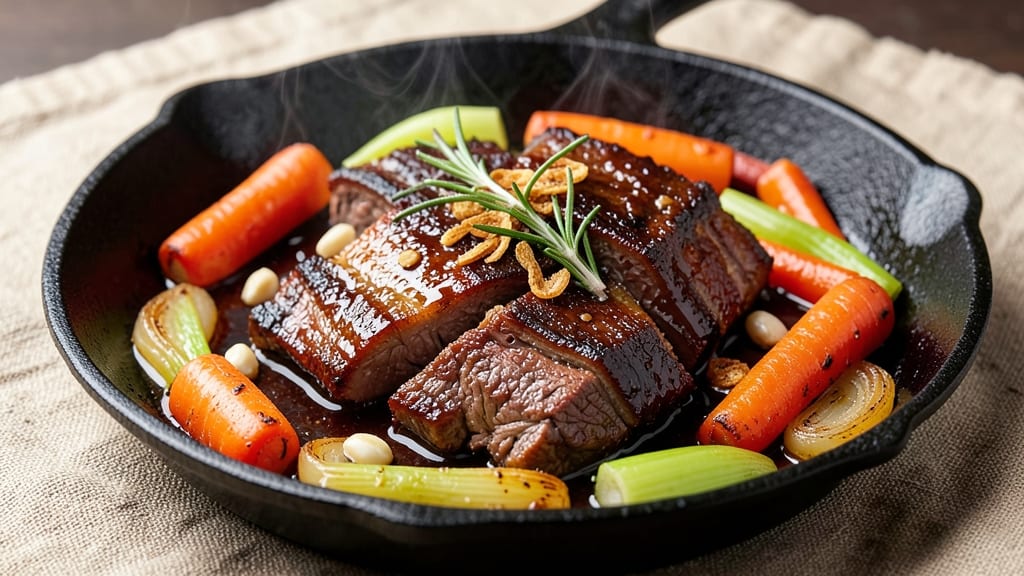
This beef short rib burnt ends recipe delivers restaurant-quality depth of flavor through slow braising and high-heat caramelization. The result is tender, caramelized edges with a rich, velvety sauce that transforms tough cuts into melt-in-your-mouth perfection.
I've perfected this method over years of testing, ensuring every bite delivers that signature burnt end experience without shortcuts.
The secret lies in the slow cook—low and slow for hours to break down collagen into gelatin, creating that signature tender texture. A proper sear develops deep flavor before braising, while finishing with high heat creates those coveted caramelized edges.
This isn't just a recipe; it's a technique that transforms simple ingredients into an unforgettable centerpiece.
By the time you're done, you'll have perfectly braised short ribs with crispy, caramelized edges and a sauce so rich it coats every bite. The aroma alone will have everyone gathering at the table, and the first taste will justify every minute spent.
This dish pairs beautifully with creamy mashed potatoes or crusty bread to soak up every last drop.
Whether you're hosting a dinner party or treating yourself to a special meal, these burnt ends deliver professional-quality results at home. The key is patience—letting the sauce reduce and the flavors meld creates a dish that's worth every moment. Let's get started on creating your perfect burnt ends.
Ingredients for beef short rib burnt ends
Six ingredients transform tough short ribs into melt-in-your-mouth burnt ends with crispy edges.
| Ingredient | Amount | Notes |
|---|---|---|
| Beef Short Ribs (Bone-In) 🥩 | 4 lb | Bone-in, cut into 2-inch chunks |
| Yellow Onion 🧅 | 2 whole | Chopped into 1-inch pieces |
| Carrots 🥕 | 4 whole | Cut into 2-inch chunks |
| Celery Stalks 🌿 | 4 whole | Cut into 2-inch pieces |
| Garlic Cloves 🧄 | 8 cloves | Crushed, not minced |
| Beef Broth 💧 | 4 cups | Low-sodium preferred |
| Red Wine 🍷 | 1 cup | Bold, dry red like Cabernet |
| Tomato Paste 🍅 | ½ cup | Smooth, not chunky |
| Apple Cider Vinegar 🍏 | 2 tbsp | For tangy depth |
| Brown Sugar 🍚 | 2 tbsp | Light or dark works |
| Dried Thyme 🌿 | 1 tbsp | Or 1 tbsp fresh thyme |
| Black Peppercorns 🌶️ | 1 tbsp | Crushed, not ground |
| Kosher Salt 🧂 | 2 tbsp | For seasoning and braising |
| Olive Oil 🫒 | ½ cup | High smoke point preferred |
| Cornstarch 🌾 | 2 tbsp | For sauce thickening |
The short ribs are everything here. Bone-in, 2-inch chunks from the chuck or plate section—anything else stays tough. Costco sells them pre-cut for convenience, but ask your butcher for 'flanken' if you want the real deal. Look for good marbling; that's where the flavor hides. I usually grab mine frozen and thaw overnight in the fridge—never microwave, that turns them mushy. The ribs should be room temp before searing, so plan ahead. If you can't find bone-in, bone-out works but loses some depth of flavor.
No red wine? Beef broth with 1 tbsp balsamic vinegar works in a pinch. Fresh thyme is ideal, but dried at half the amount gets you close. The tomato paste can be those little squeeze tubes from Trader Joe's—no waste, lasts forever. Brown sugar adds caramelization, but honey or maple syrup works too. For the cornstarch, make sure it's pure—no anti-caking agents. The apple cider vinegar is non-negotiable though; it cuts through the richness and adds that signature tang. If you're feeling fancy, add a bay leaf to the braise.
This sauce gets better overnight. Let it cool completely before refrigerating—it thickens as it chills. Keeps for 5 days in the fridge, freezes for 3 months. I portion the ribs and sauce separately so I can reheat just what I need. The ribs reheat beautifully—just warm in the sauce over low heat. For leftovers, store the ribs in the sauce to keep them moist. The sauce thickens when cold, so thin with a splash of broth if needed when reheating.
Why You'll Love This Recipe
- One-Pot Magic: I swear by this—just toss in the ribs, chop the veggies (no fancy knife skills needed), and let the slow cooker do the rest. The bones melt into the sauce, so you’re not stuck scraping pots later.
- Caramelized Crunch: That deep, smoky flavor from the seared edges? It’s the star. The onions and garlic turn golden while the ribs get tender—every bite has layers of richness, like a hug in food form.
- Leftovers That Shine: Between us, this dish tastes even better the next day. I meal prep it for work—just reheat with a splash of broth, and it’s restaurant-quality without the wait. (Yes, even on a Tuesday night.)
- Budget-Friendly Luxury: Short ribs might sound fancy, but they stretch across multiple meals. The bones add depth, and the veggies (onion, carrots, celery—classic mirepoix) bulk it up affordably. Fancy dinner for half the price.
Step-by-step instructions for beef short rib burnt ends
Here's how to turn tough short ribs into melt-in-your-mouth burnt ends with crispy edges.
Sear the Short Ribs for Maximum Flavor
Heat a large Dutch oven over medium-high heat and add the 0.5 cup olive oil. Once the oil shimmers but doesn't smoke, add the 4 lb beef short ribs (cut into 2-inch chunks) in a single layer. Let them sear undisturbed for 3-4 minutes until deep golden brown on one side.
Flip the ribs carefully and sear the other side for another 3-4 minutes. You want that beautiful crust forming - this is where all the flavor develops. Once all sides are browned, remove the ribs and set them aside on a plate. Don't clean the Dutch oven yet - those browned bits are pure flavor gold.
Build the Aromatic Vegetable Base
In the same Dutch oven, add the chopped 2 whole yellow onion, 4 whole carrots (cut into 2-inch chunks), and 4 whole celery stalks (cut into 2-inch pieces). Cook for 5-6 minutes, stirring occasionally, until the vegetables begin to soften and release their juices.
Add the 8 cloves crushed garlic and cook for another 30 seconds until fragrant. Here's where it gets good - pour in the 1 cup red wine and scrape up all those browned bits from the bottom of the pot. Let the wine simmer for 2-3 minutes until reduced by half. This step builds the foundation for your rich sauce.
Braise Until Fork-Tender
Return the seared short ribs to the Dutch oven. Stir in the 0.5 cup tomato paste, 2 tbsp apple cider vinegar, 2 tbsp brown sugar, 1 tbsp dried thyme, 1 tbsp crushed black peppercorns, and 2 tbsp kosher salt. Pour in the 4 cups beef broth, making sure everything is well-coated.
Bring to a gentle simmer, then reduce heat to low. Cover and let it cook for 2.5-3 hours, turning the ribs occasionally. You're looking for the meat to become fork-tender and pull away from the bone easily. The sauce should thicken and develop a deep, caramelized color as it reduces.
Finish with Crispy Burnt Ends
Once the ribs are tender, increase heat to medium-high and let the sauce reduce uncovered for 10-15 minutes. This is where the magic happens - the liquid will thicken and caramelize, creating those coveted crispy burnt ends. The sauce should coat the back of a spoon and be slightly glossy.
To thicken further, mix the 2 tbsp cornstarch with 2 tablespoons of the braising liquid, then stir it back into the pot. Simmer for another 2-3 minutes until the sauce reaches your desired consistency. Taste and adjust seasoning if needed - you might need a bit more salt or vinegar to balance the flavors.
Pro Tips For Making Beef Short Rib Burnt Ends
- Sear in Batches: Don’t crowd the pan—this isn’t a buffet line. Cook the short ribs in 2-3 batches over high heat for 3-4 minutes per side until deep brown. I learned this the hard way after my first batch turned out steamed instead of caramelized.
- Cut Onions Thin: Slice those yellow onions into ⅛-inch half-moons, not thick chunks. They’ll break down faster and blend into the sauce instead of sitting like stubborn rocks. (Yes, even if you’re impatient like me.)
- Deglaze with Wine: After searing, don’t just splash in broth—pour in ½ cup of red wine first and let it bubble until it’s mostly gone. That extra step adds depth the broth alone can’t match.
- Rest Before Slicing: Let the short ribs sit under foil for 5-10 minutes after cooking. Cutting too soon turns them into a mushy mess—no one wants that, especially after all that effort. (Your future self will thank you.)
Perfect pairings for this beef short rib burnt ends
Creamy Mashed Potatoes
Nothing complements burnt ends like velvety mashed potatoes—especially when made with Yukon Gold potatoes for their buttery texture. Use ½ cup heavy cream and 4 tbsp butter per 4 servings, and finish with a sprinkle of freshly cracked black pepper and salt.
For extra richness, fold in ¼ cup sour cream or Gruyère cheese at the end. Serve warm to soak up every last drop of that caramelized sauce. 🥔
Crusty Bread for Dipping
A warm, crusty loaf is essential for mopping up sauce. I recommend a baguette-style bread like Brioche from Trader Joe's—its soft interior contrasts perfectly with the crispy crust. Toast slices until golden, then rub with a garlic clove for extra flavor.
For a heartier option, try sourdough or ciabatta, both of which hold up well to the rich sauce. 🍞
Roasted Root Vegetables
For a lighter but still satisfying side, roast carrots, parsnips, and sweet potatoes tossed in 2 tbsp olive oil, 1 tsp smoked paprika, and ½ tsp brown sugar.
Roast at 400°F for 30-35 minutes until caramelized. The natural sweetness balances the richness of the burnt ends beautifully. Add a sprinkle of fresh thyme before serving. 🥕
Wine Pairings
A bold red wine cuts through the richness of the dish. I love a Cabernet Sauvignon from Napa Valley—its dark fruit and tannins complement the caramelized edges. For something lighter, try a Syrah with its spicy notes.
Avoid oaky Chardonnays; they’ll overpower the dish. If you prefer beer, a stout like Guinness adds a malty contrast. 🍷
Creamy Polenta
Polenta adds a comforting, creamy texture that pairs wonderfully with burnt ends. Cook 1 cup polenta in 4 cups chicken broth until thick, then stir in 2 tbsp butter and ¼ cup grated Parmesan.
For extra richness, fold in ½ cup ricotta cheese at the end. Serve in a shallow dish for easy dipping. 🍲
Finishing Touches
Garnish the burnt ends with fresh parsley or thyme leaves for a pop of color. A drizzle of high-quality olive oil or a sprinkle of flaky sea salt elevates the dish to restaurant quality.
For a smoky touch, add a pinch of smoked salt or a few drops of liquid smoke to the sauce. These small details make all the difference. ✨
Nutrition facts
Frequently asked questions about beef short rib burnt ends
How do I know when the short ribs are truly fork-tender?
Look for ribs that pull away from the bone with minimal resistance when pierced with a fork. The meat should be so tender it practically falls off the bone, and the sauce will thicken noticeably as the collagen breaks down. Test a piece after 2.5 hours of braising—if it's still tough, give it another 30-45 minutes covered.
Can I make burnt ends in a slow cooker instead of a Dutch oven?
Sear the ribs first, then transfer everything to a slow cooker and cook on low for 6-8 hours. For the crispy finish, transfer ribs to a baking sheet and broil for 5-7 minutes while reducing the sauce separately on the stovetop. The texture won't be identical, but it's still delicious.
What's the best way to reheat leftovers without drying them out?
Reheat the ribs and sauce together in a covered skillet over low heat with a splash of beef broth. Keep the lid on to trap steam—this prevents drying. For extra insurance, add a few ice cubes to the pan and cover until the ice melts. The ribs should stay moist and the sauce will reheat beautifully.
Why did my burnt ends turn out too saucy instead of crispy?
This usually happens when the sauce doesn't reduce enough. Increase heat to medium-high during the final reduction step and cook uncovered for 15-20 minutes, stirring occasionally. If needed, remove ribs to a plate and reduce the sauce alone until thickened. The sauce should coat the back of a spoon.
Can I substitute bone-in ribs for boneless short ribs?
Yes, but expect slightly less flavor depth. Use boneless beef short ribs (cut from the chuck or plate) and increase braising time to 3-4 hours to ensure tenderness. The sauce will still be rich, but the texture will be more uniform. For best results, trim excess fat and sear well to develop flavor.