
Sauces & Condiments
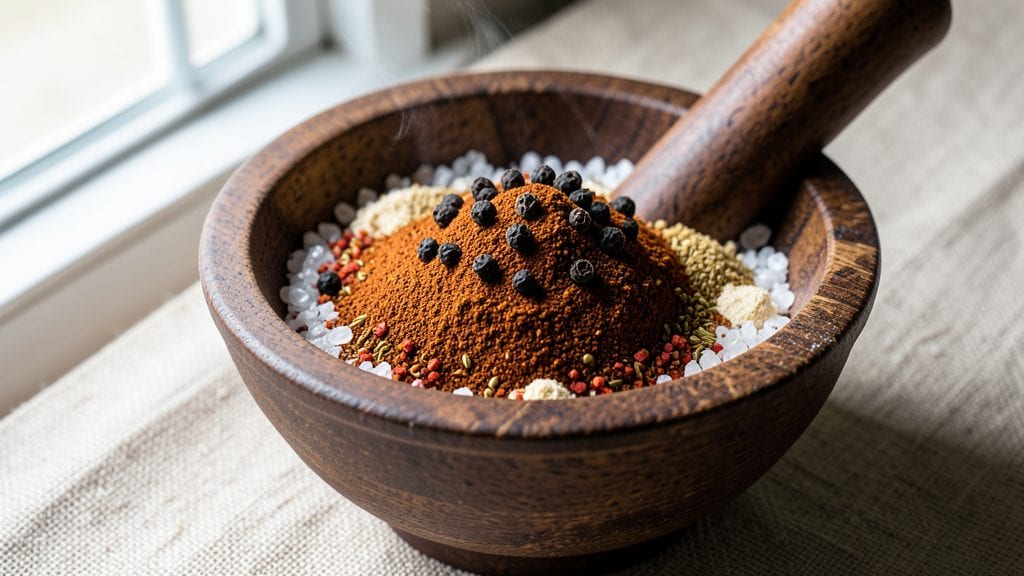
This beef seasoning recipe transforms ordinary beef dishes into restaurant-quality masterpieces with just a sprinkle. The blend of smoky paprika, earthy cumin, and aromatic garlic powder creates a bold, savory profile that rivals professional steakhouse seasoning.
I developed this mix after years of experimenting with dry rubs, and it’s become my go-to for grilled steaks, roasts, and even burgers.
The beauty of this seasoning lies in its simplicity—just five key ingredients that deliver deep, complex flavor without overpowering the natural taste of beef.
Each component plays a role: coarse salt enhances the beef’s richness, black pepper adds a subtle kick, and onion powder rounds out the blend with sweet depth. Perfect for dry-rubbing before grilling or searing, this mix creates a flavorful crust that locks in juices.
What sets this seasoning apart is its versatility—use it on steaks for a smoky char, on roasts for tender, aromatic layers, or even on ground beef for burgers with restaurant-quality depth. The spices are toasted together for enhanced aroma, ensuring every bite delivers that steakhouse-worthy flavor you crave.
Store it in an airtight container for up to six months, ready to elevate any beef dish.
Whether you're a home cook or a grilling enthusiast, this seasoning blend is your secret weapon for bold, professional results with minimal effort. Let’s get started on crafting your own flavor-packed mix.
Ingredients for beef seasoning
Five spices transform simple beef into steakhouse-worthy masterpieces with minimal effort.
| Ingredient | Amount | Notes |
|---|---|---|
| Smoked Paprika 🌶️ | 2 tbsp | High-quality smoked variety for depth |
| Ground Cumin 🌿 | 1 ½ tbsp | Toasted for enhanced aroma |
| Garlic Powder 🧄 | 1 tbsp | Freshly ground preferred |
| Onion Powder 🧅 | 1 tbsp | Sweet, not salted |
| Coarse Kosher Salt 🧂 | 1 ½ tbsp | Diamond Crystal preferred |
| Freshly Ground Black Pepper 🌶️ | 1 tbsp | Cracked peppercorns preferred |
| Cayenne Pepper 🔥 | ½ tbsp | Adjust for heat preference |
The smoked paprika is non-negotiable here—Penzeys or McCormick Gourmet are my go-tos for that authentic smoky depth. Ground cumin should be toasted in a dry pan for 30 seconds before blending to unlock its full nutty aroma. Garlic powder loses potency fast, so buy small amounts from bulk bins at Whole Foods or Trader Joe's—their organic version has a fresher taste. The onion powder matters too: sweet, not salted, and Diamond Crystal is my favorite for that clean, bright flavor. For the salt, Diamond Crystal kosher dissolves perfectly and enhances beef's natural richness without overpowering it. And that cayenne? Start with half a teaspoon if you're sensitive to heat—you can always add more later.
No smoked paprika? Substitute half sweet paprika and half chipotle powder for that smoky kick. Running low on cumin? Ground coriander at half the amount adds a citrusy note that works surprisingly well. Fresh out of garlic powder? Roast and grind garlic cloves—it's worth the extra 10 minutes. The onion powder can be swapped for dried granulated onion, but it's less potent. For heat, red pepper flakes work at a 1:1 ratio, though they add a slightly different texture. And if you're using pre-ground spices, toast them together in a dry skillet for 1-2 minutes before mixing to revive their flavors—trust me on this.
This blend keeps its punch for up to six months in an airtight glass jar stored in a cool, dark place. I like to portion mine into small jars—one for the grill, one for the kitchen—so I always have it on hand. The toasted spices release even more aroma when stored this way. For best results, shake the jar before each use to redistribute the spices evenly. And if you make extra? Gift it—everyone needs a good beef seasoning in their life.
Why You'll Love This Recipe
- Pantry Magic: I swear by this blend—no fresh herbs, no last-minute shopping. Just open your spice rack, measure, and you’re done. That smoky paprika and cumin alone make it taste like you spent hours slow-cooking.
- Deep, Smoky Hug: The smoked paprika gives it that restaurant-quality depth, while the garlic and onion powders add a warm, savory punch. Sprinkle it on anything, and suddenly your dish tastes like it’s been simmering all day.
- Weeknight Swiss Army: Taco night? Check. Stir-fry? Done. Roast beef? Perfect. Even my picky teenage son asks for seconds when I toss it on his grilled cheese. It’s the secret weapon I didn’t know I needed.
- Dollar Stretch: A single batch seasons everything—burgers, meatloaf, even scrambled eggs (yes, really). Honestly, I buy spices in bulk now because this mix pays for itself in one meal. Plus, it lasts forever.
Instructions for crafting a steakhouse-worthy beef seasoning
Here's how to blend these bold spices into a versatile mix that elevates any beef dish.
Measure Ingredients Precisely
Start by gathering all your ingredients and measuring them individually. I use a small digital scale for accuracy, especially with the cayenne pepper where precision matters most. The smoked paprika should be measured first—its rich, smoky depth forms the foundation of the blend. Use a clean tablespoon for each measurement to avoid cross-contamination between spices.
When measuring the ground cumin, I recommend using toasted cumin for enhanced aroma. If you're using pre-ground cumin, give it a quick sniff to ensure it's fresh—stale cumin loses its earthy warmth. The garlic powder and onion powder should be measured directly from their containers using a level tablespoon to prevent packing. Remember, these powders provide the savory backbone that balances the heat and smokiness.
Combine Dry Ingredients in a Bowl
Transfer all measured spices to a medium-sized mixing bowl. I like to use a glass or stainless steel bowl for this step—these materials don't absorb flavors like plastic might. Add the smoked paprika, ground cumin, garlic powder, onion powder, coarse kosher salt, freshly ground black pepper, and cayenne pepper in this order. This sequence helps distribute the cayenne evenly throughout the blend rather than creating concentrated hot spots.
Use a whisk to gently combine the ingredients. Start with light strokes to aerate the spices before gradually increasing pressure. You'll notice the cayenne pepper creates a fine red dust—this is normal and indicates freshness. The mixture should look uniformly colored with no visible streaks of individual spices. This even distribution ensures every pinch delivers consistent flavor.
Mix Thoroughly for Uniform Flavor
Switch to a rubber spatula and fold the spices together from the bottom of the bowl upward. This technique incorporates any settled particles and prevents clumping. Press down firmly on the mixture to break up any potential lumps, especially important with the coarse kosher salt which can form small crystals. I find that mixing for about 3-4 minutes by hand achieves perfect uniformity.
Here's where it gets crucial: taste the blend as you mix. You'll want to adjust the cayenne pepper if you prefer more or less heat. Remember, you can always add more later, but you can't remove what's already there. The ideal blend should have a complex balance—smoky from the paprika, earthy from the cumin, sweet from the onion powder, and a subtle kick from the cayenne. This is your flavor benchmark for all future beef preparations.
Store Properly for Maximum Freshness
Transfer the finished seasoning to an airtight container with a tight-sealing lid. I prefer glass jars with silicone seals for long-term storage, but any container that blocks light and air will work. Fill the container completely to minimize air exposure, which can degrade the spices over time. Label the container with the date and contents—this helps track freshness and prevents accidental mixing with other spice blends.
The seasoning will keep for up to 3 months in a cool, dark place like your pantry. For longer storage, freeze the seasoning in ice cube trays—each cube makes the perfect single-use portion. When ready to use, simply sprinkle directly onto meat, rub into marinades, or mix into ground beef recipes. The key to maintaining potency is keeping the container sealed and storing it away from heat sources that can accelerate flavor loss.
Pro Tips For Making Beef Seasoning
- TOAST THE SPICES: Toss the smoked paprika and cumin in a dry skillet over medium heat for 30 seconds—just until you smell that deep, toasty aroma. I learned this the hard way: skipping it leaves the seasoning flat, like someone forgot to wake up the flavors. (Yes, even if you're impatient like me.)
- GRIND YOUR OWN SALT: If you’re using table salt, crush it into coarse flakes with a rolling pin or mortar before measuring—it dissolves more evenly and clings better to beef. My grandmother swore by this, and she was right: the texture of your seasoning changes when the salt is uniform.
- STORE IT DRY: Keep your seasoning mix in an airtight container away from moisture—humidity turns cumin and paprika into a clumpy mess faster than you’d think. I used to ignore this, and after three months, my once-smooth blend became a brick. (Your future self will thank you.)
- DOUBLE THE GARLIC: If you love bold flavor, bump the garlic powder to 1.5x the recipe—it’s the one spice that actually disappears into the meat without overpowering. I was skeptical until I tried it: the difference in depth is night and day, especially on tougher cuts.
Perfect pairings for this recipe
Steakhouse-Worthy Sauces
Pair this beef seasoning with au jus for a classic steakhouse experience. Simmer 2 cups beef broth, 1 tbsp Worcestershire sauce, and 1 tbsp balsamic vinegar until reduced by half.
The smoky depth of your seasoning will shine through the rich, tangy sauce. For extra richness, whisk in 1 tbsp butter at the end. 🍷
Grilled Vegetable Pairings
Charred vegetables complement the bold seasoning perfectly. Toss zucchini, bell peppers, and red onions with 2 tbsp olive oil, 1 tsp garlic powder, and a pinch of salt.
Grill alongside your seasoned beef for a balanced, smoky flavor profile. The sweetness of the vegetables contrasts beautifully with the spicy-savory seasoning.
Creamy Cheese Pairings
For a creamy contrast, serve your seasoned beef with garlic mashed potatoes or creamy polenta. Mix 1 cup heavy cream, 4 tbsp butter, and 2 cloves roasted garlic into your mashed potatoes.
The richness of the dairy balances the heat and smokiness of the seasoning, creating a restaurant-quality meal.
Beverage Recommendations
A bold red wine like Cabernet Sauvignon or Malbec pairs exceptionally well with this seasoning. The tannins in the wine complement the smoky and spicy notes, while the fruitiness cuts through the richness of the beef.
For beer lovers, a dark lager or amber ale provides a malty contrast that enhances the seasoning's depth.
Side Salad Enhancements
Brighten your plate with a balsamic vinaigrette over arugula and cherry tomatoes. Whisk 3 tbsp balsamic vinegar, 1 tbsp olive oil, and 1 tsp Dijon mustard for a tangy dressing.
The acidity cuts through the richness of the seasoned beef, while the arugula adds a peppery bite that balances the flavors.
Bread and Dips
Serve with garlic bread or warm pita for scooping up any leftover seasoning or juices. For extra flavor, brush the bread with garlic-infused olive oil and sprinkle with additional seasoning before baking. A side of spicy honey or chimichurri adds another layer of complexity to the meal. 🌟
Nutrition facts
Frequently asked questions
Can I use this seasoning on other meats besides beef?
While designed for beef, this blend works beautifully on pork chops, lamb chops, or even chicken thighs. The smoky paprika and cumin add depth to poultry, while the cayenne gives pork a satisfying kick. For fish, reduce the cayenne to ¼ teaspoon to avoid overpowering delicate flavors.
How much seasoning should I use per pound of beef?
For steaks or chops, use 1-2 teaspoons per pound—just enough to coat the surface. For roasts or ground beef, increase to 1-2 tablespoons per pound and mix thoroughly. The coarse salt helps lock in juices, so don't skimp on coverage for grilled cuts.
Why does my homemade seasoning taste weaker than store-bought?
Freshness is key! Toast your spices in a dry pan for 30 seconds before mixing to revive their flavors. Store-bought blends often contain anti-caking agents that preserve potency longer. Also, ensure your cayenne and smoked paprika are high-quality—cheap brands lack depth.
Can I adjust the heat level in this seasoning?
Yes! Start with the full ½ teaspoon cayenne, then reduce to ¼ teaspoon for mild heat or increase to 1 teaspoon for extra spice. For a smoky alternative, swap cayenne for ½ teaspoon chipotle powder—it adds heat with a deeper, earthy flavor.
How do I prevent clumping when storing this seasoning?
Fill your airtight container completely to minimize air exposure, which causes moisture buildup. Add a dry bay leaf to absorb any humidity, and store in a cool, dark place. For extra protection, portion into small jars—this keeps the spices fresher longer and prevents clumping.