
Main Courses
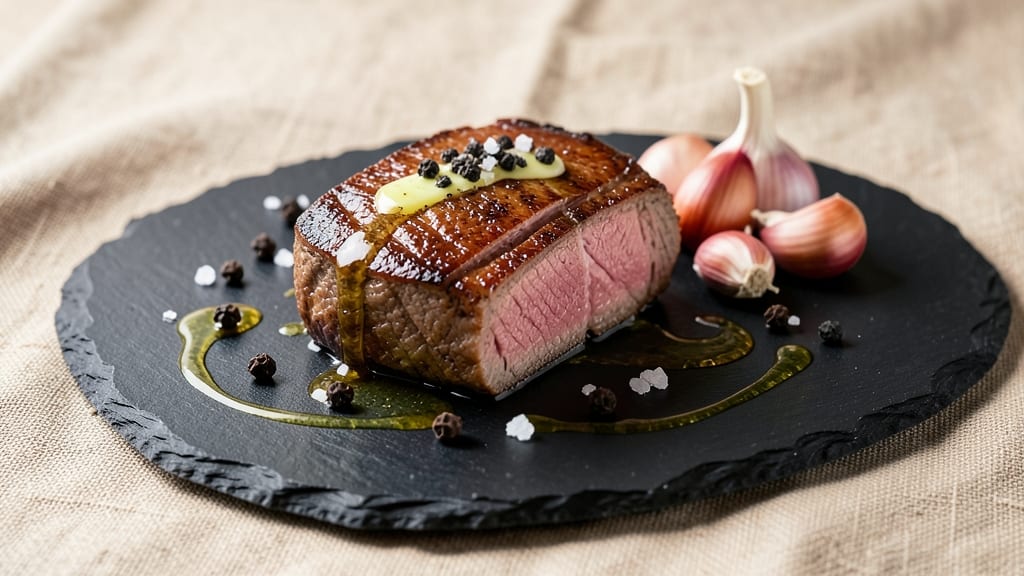
Unlock the secrets of a perfect beef loin tenderloin steak filet mignon recipe by turning this luxurious cut into a melt-in-your-mouth masterpiece that rivals any steakhouse. The secret lies in precise trimming, proper resting, and a perfect sear that locks in flavor while keeping the center pink and velvety.
I’ve refined this recipe over years of testing—no guesswork, just repeatable results that impress even the most discerning palates.
This method delivers restaurant-quality filet mignon with minimal effort: a dry-brine for depth, a high-heat sear for crust, and a controlled finish to maintain that ideal medium-rare core. The key is patience—letting the steak rest before slicing ensures every bite stays succulent, not stringy.
We’ll also cover the best sides to elevate your meal, from red wine reductions to crisp arugula salads.
What you’ll achieve is a steak with a caramelized crust, a pink interior that yields to the knife, and a buttery richness that melts in your mouth. No overcooking, no dryness—just the kind of steak that makes dinner feel like a celebration.
Ready to elevate your cooking? Let’s get started with the techniques that make all the difference.
This recipe works for any beef loin cut—tenderloin, filet mignon, or even thick-cut steaks—so you can adapt it to whatever’s on your menu. The principles stay the same: precision in prep, control in cooking, and confidence in the result. Your table is about to get an upgrade.
Ingredients for beef loin tenderloin steak filet mignon
Four ingredients transform luxury beef into melt-in-your-mouth perfection—precision matters here.
| Ingredient | Amount | Notes |
|---|---|---|
| Beef Loin Tenderloin (Filet Mignon) 🥩 | 2 lb | Center-cut, 1.5-inch thick, trimmed of silver skin |
| Kosher Salt (Diamond Crystal) 🧂 | 1 ½ tbsp | Coarse grain, for dry-brine |
| Freshly Ground Black Pepper 🌶️ | 1 tbsp | Cracked from whole peppercorns |
| Unsalted Butter 🧈 | ½ cup | European-style, cold and cubed |
| Extra-Virgin Olive Oil 🫒 | 2 tbsp | High smoke point for searing |
| Garlic Cloves 🧄 | 6 cloves | Smash flat for butter compound |
| Fresh Thyme Sprigs 🌿 | 4 whole | Leaves only, for butter compound |
| Fresh Rosemary Sprigs 🌿 | 2 whole | Needles only, for butter compound |
| Heavy Whipping Cream 🥛 | ¼ cup | Full-fat, for basting |
| Red Wine (Cabernet Sauvignon) 🍷 | ½ cup | Dry, bold, room temperature |
| Beef Tallow or Duck Fat 🧈 | 1 tbsp | For high-heat searing (optional) |
| Flaky Sea Salt (Maldon) 🧂 | 1 tbsp | Finishing touch before serving |
The beef is non-negotiable: center-cut tenderloin with that signature marbling. USDA Prime or Choice from Snake River Farms or your butcher is ideal—ask for the thickest cut you can find. If buying pre-trimmed, check for silver skin (that white membrane) and trim it yourself with kitchen shears. The thickness is key: 1.5 inches ensures even cooking. Pro tip: Pat the meat dry with paper towels before brining—this helps the crust form better. And don’t overlook the dry-brine: salt the steak 24 hours ahead for maximum tenderness, or at least 40 minutes before cooking if you’re short on time.
No kosher salt? Diamond Crystal is the gold standard, but Morton coarse salt works in a pinch—just use twice the amount. The butter compound is where flavor magic happens: European-style unsalted butter (like Plugrá) melts beautifully, but Land O’Lakes in a bind. Smash those garlic cloves with the flat side of your knife—this releases more flavor. Short on fresh herbs? Dried thyme at one-third the amount gets you close, but nothing beats the aroma of fresh. The red wine should be bold and dry—Cabernet Sauvignon or Merlot, whatever’s open. And if you’re feeling fancy, beef tallow adds an extra layer of richness to the sear, but high-quality olive oil works just as well.
This steak is a resting champion—plan for 10-15 minutes after cooking before slicing. Wrap it loosely in foil and place on a wire rack over a baking sheet to keep it warm. The butter compound keeps for 3 days in the fridge, so make extra—it’s perfect for toast or corn on the cob. Store the raw steak in the coldest part of your fridge, uncovered for 24 hours if dry-brining. And here’s the secret to perfect slices: cut against the grain at a 45-degree angle for maximum tenderness. Every bite should be buttery, pink, and yielding—no dryness allowed.
Why You'll Love This Recipe
- Two-Ingredient Magic: I swear by this combo—just salt, pepper, and butter. That’s it. The tenderloin does all the work; I just season and sear, then baste with butter until the pan smells like heaven. Honestly, it’s the kind of recipe that makes me feel like a chef without the fuss.
- Butter-Basted Bliss: The moment I baste the steak with melted butter and olive oil, the kitchen fills with that rich, caramelized aroma. It’s not just flavor—it’s a moment. That crispy crust with the melt-in-your-mouth center? Every bite feels like a reward after a long week.
- Date Night or Dinner Party: Between us, this steak is my secret weapon for impressing guests. It’s elegant enough for a fancy dinner but simple enough for a quiet night in. (Yes, even on a Tuesday night.) No one will guess it took me less than 45 minutes to pull off.
- Leftovers That Don’t Suck: I always cook an extra portion because reheated filet mignon is a myth—this stays tender and rich. Slice it thin for sandwiches, dice it into salads, or just enjoy the second night’s leftovers with a sprinkle of flaky salt. Waste? Zero. Regret? None.
Step-by-step instructions for beef loin tenderloin preparation
This method transforms your filet mignon into a melt-in-your-mouth masterpiece with perfect pink centers and buttery crust.
Dry-Brine the Filet for Maximum Flavor and Tenderness
Pat the 2 lb beef loin tenderloin completely dry with paper towels, focusing on the silver skin areas where moisture tends to cling. This step is non-negotiable - any residual moisture will prevent that perfect crust from forming. Place the filet on a wire rack set over a rimmed baking sheet to ensure air circulates on all sides.
In a small bowl, combine the 1.5 tbsp kosher salt (diamond crystal) and 1 tbsp freshly ground black pepper. Generously coat the filet with this dry brine, pressing the seasoning into the meat so it adheres evenly. The salt will penetrate deeply during the brining process, enhancing both flavor and moisture retention. Cover loosely with plastic wrap and refrigerate for exactly 24 hours. This extended dry-brine creates that magical pink center while developing an incredible crust.
Create the Herb-Infused Butter Compound
While the filet brines, prepare the herb butter by combining the 0.5 cup unsalted butter (cold and cubed) with the 6 cloves garlic (smash flat with the side of your knife), leaves from 4 whole fresh thyme sprigs, and needles from 2 whole fresh rosemary sprigs in a food processor. Pulse until the butter is finely chopped but still maintains some texture - you want visible herb flecks throughout. This compound will become the luxurious basting sauce that keeps your steak impossibly juicy.
Transfer the herb butter to a small bowl and refrigerate until ready to use. The cold butter will help create that beautiful caramelized crust while infusing the steak with aromatic herbs. This step is where the magic happens - every bite will deliver layers of garlic, thyme, and rosemary along with the rich beef flavor.
Sear to Perfection Using Dual Fat Technique
Remove the filet from the refrigerator 30 minutes before cooking to bring it to room temperature. Preheat your oven to 425°F. Heat a heavy skillet (cast iron works best) over medium-high heat until very hot. Add 1 tbsp beef tallow or duck fat and 2 tbsp extra-virgin olive oil, swirling to coat the pan evenly. The combination of tallow and olive oil creates an ideal searing environment - the tallow provides high heat stability while the olive oil adds flavor.
Place the filet in the pan and sear for exactly 2 minutes per side, pressing down gently with a spatula to ensure even contact. You'll see beautiful golden-brown crust forming immediately. The steak should release easily from the pan when ready to flip. Transfer the seared filet to a plate and tent loosely with foil to keep warm while you prepare the finishing sauce.
Baste and Finish with Red Wine Reduction
Return the skillet to medium heat and add the herb butter compound, allowing it to melt and baste the steak for 1 minute per side. The residual heat will create a luxurious butter sauce that coats every surface of the meat. Remove the filet from the pan and set aside, keeping it warm.
Deglaze the pan with the 0.5 cup red wine (cabernet sauvignon), scraping up all the browned bits with a wooden spoon. This wine reduction will form the elegant sauce that elevates your steak from delicious to extraordinary. Simmer for 3-4 minutes until the wine reduces by half, then stir in the 0.25 cup heavy whipping cream. The sauce should coat the back of a spoon but remain silky smooth. Return the filet to the pan, spooning the sauce over the top, and let it rest for 5 minutes.
Rest and Serve with Finishing Salt
Transfer the filet to a cutting board and let it rest for 10 minutes before slicing. This resting period is absolutely critical - it allows the juices to redistribute throughout the meat, ensuring each bite is as tender as the first. The internal temperature should reach 125°F for medium-rare perfection.
Slice the filet against the grain into 1-inch thick portions. Arrange the slices on a warm serving platter and drizzle generously with the reduced wine sauce. Finish with a sprinkle of 1 tbsp flaky sea salt (maldon) just before serving. Each slice should reveal that perfect pink center surrounded by a buttery, herb-infused crust. Serve immediately with your choice of sides to complete this restaurant-quality meal.
Pro Tips For Making Beef Loin Tenderloin Steak Filet Mignon
- USE A THERMOMETER: I learned this the hard way—filet mignon looks done when it’s still overcooked. Pull it at 120°F for rare (125°F for medium-rare), or you’ll end up with a chewy, sad steak. No guessing, just numbers.
- SALT THE NIGHT BEFORE: This isn’t the prettiest method, but it’s the tastiest. Diamond Crystal kosher salt needs time to penetrate the dense muscle fibers—do it 12–24 hours ahead. Trust me, your steak will taste deeper and more balanced.
- BASIL THE BUTTER: Skip the plain butter. Mix in a few crushed basil leaves (or rosemary) into your softened unsalted butter before searing—it adds an unexpected herbal note that elevates the whole dish. Yes, it sounds weird, but it works.
- DON’T OVERCROWD THE PAN: I was skeptical until I tried it: filet mignon needs space to sear properly. Cook one steak at a time in a cold, oiled pan—crowding steams instead of crisps. Patience here guarantees that perfect crust.
Pro cooking tips for this dish
Precision Temperature Control
Filet mignon demands exact temperature mastery—no guesswork allowed. Use a meat thermometer (I swear by the ThermoWorks Smoke) to monitor internal temps. For medium-rare perfection, aim for 125°F (130°F for medium).
The 2-minute sear per side at medium-high heat creates that golden crust while keeping the interior tender. Overcooking by even 5°F turns juicy beef into dry leather—trust the thermometer, not the clock. 🌡️
Dual-Fat Searing Secret
The pro trick? Combine 1 tbsp beef tallow with 2 tbsp olive oil for searing. Tallow handles high heat without burning, while olive oil adds flavor. Heat your cast iron skillet until it’s ripping hot—when you flick a drop of water, it should sizzle instantly.
Press the steak down gently with a spatula during searing to ensure even crust formation. This two-fat technique guarantees a crisp exterior without smoking or burning. 🔥
Resting Like a Pro
Skipping the rest is the #1 amateur mistake. After searing, let your steak rest for 10-15 minutes on a wire rack (never on the cutting board—it steams). This allows juices to redistribute, preventing them from pooling on the plate.
I wrap mine loosely in foil and place it on a warm baking sheet. The wait is worth it—every slice stays juicy and tender, not stringy. Patience here separates home cooks from restaurant chefs. ⏳
Butter Compound Magic
Cold, cubed butter with smashed garlic and fresh herbs isn’t just flavor—it’s moisture insurance. Pulse the ingredients in a food processor until the butter is finely chopped but not fully emulsified (visible flecks matter).
Melt this compound over the seared steak for 1 minute per side—the residual heat creates a silky, herby sauce that clings to every bite. Store any leftover compound in the fridge for up to 3 days; it’s perfect for basting grilled veggies or topping toast. 🧈
Wine Reduction Timing
Deglaze the pan immediately after searing with ½ cup red wine (Cabernet Sauvignon works best). Simmer until reduced by half—this takes 3-4 minutes—then stir in the ¼ cup heavy cream. The sauce should coat the back of a spoon but remain silky, not thick.
Return the steak to the pan to absorb the sauce’s richness during the final 5-minute rest. This step elevates your steak from "good" to "wow" with minimal effort. 🍷
Slicing Against the Grain
Filet mignon’s muscle fibers run lengthwise, so slice perpendicular to the grain at a 45-degree angle for maximum tenderness. Use a sharp chef’s knife (I recommend Wüsthof Classic) and cut into 1-inch thick portions.
Slice just before serving—exposed surfaces dry out quickly. The result? Each bite yields like butter, with no chewiness to ruin the experience. 💪
Nutrition facts
Frequently asked questions
Why does my filet mignon always turn out dry?
Overcooking is the #1 culprit—filet mignon should reach 125°F for medium-rare, not higher! Use a meat thermometer and remove it from heat when it hits the right temp. Also, never skip the rest—let it sit for 10-15 minutes after cooking to redistribute juices. Pat it dry before searing too, so the crust forms properly instead of steaming.
What’s the best way to handle thick-cut filet mignon?
For steaks thicker than 1.5 inches, use the reverse sear method: start in a 275°F oven until internal temp hits 110°F, then sear in a screaming-hot pan for 1-2 minutes per side. This ensures even cooking without drying out the center. The oven work locks in moisture while the sear creates that perfect crust.
Can I substitute ingredients in the herb butter compound?
Swap fresh thyme/rosemary for 1 tbsp dried herbs (use half the amount), or add ½ tsp red pepper flakes for heat. For garlic, use 1 tsp garlic powder in a pinch, though fresh is always better. The butter itself can be European-style or regular unsalted—just ensure it’s cold and cubed for texture.
How do I keep the wine reduction from getting too thin?
Simmer the wine reduction uncovered until reduced by half—this should take 3-4 minutes. If it’s still too thin after adding cream, let it cook another 1 minute to thicken slightly. For extra richness, stir in 1 tsp cornstarch mixed with 1 tbsp cold water at the end. The sauce should coat the back of a spoon but still be silky.
What sides pair best with this filet mignon?
Classic choices include garlic mashed potatoes (creamy and buttery) or roasted root vegetables (carrots, parsnips, or beets). For lighter fare, try arugula salad with lemon vinaigrette or grilled asparagus. The wine reduction also makes a stunning drizzle over truffle risotto. Balance richness with acidity—think citrus or a sharp cheese like blue cheese—to cleanse your palate.